

 English


News
Focus on G AND N FORTUNE LIMITED - Get to know the new information of the industry quickly!

2026-11-11 14:58:54
An NFT hydroponic system is a popular soilless growing method that allows plants to grow without traditional soil. Instead, it uses a thin, continuously flowing film of nutrient-rich water to deliver essential nutrients and oxygen to plant roots. If you want to grow lettuce, spinach, basil, or other leafy vegetables efficiently, learning how to build an NFT hydroponic system is a practical starting point.
Building an NFT hydroponic system requires several essential components, including NFT hydroponic growing channels, a nutrient reservoir, a water pump, irrigation pipes, and a drainage system. With the right layout and proper water circulation, you can create a compact DIY NFT Hydroponic System for home gardening or a larger commercial hydroponic growing setup.
This guide explains how NFT hydroponics works, what components you need, and how to set up your own system step by step.
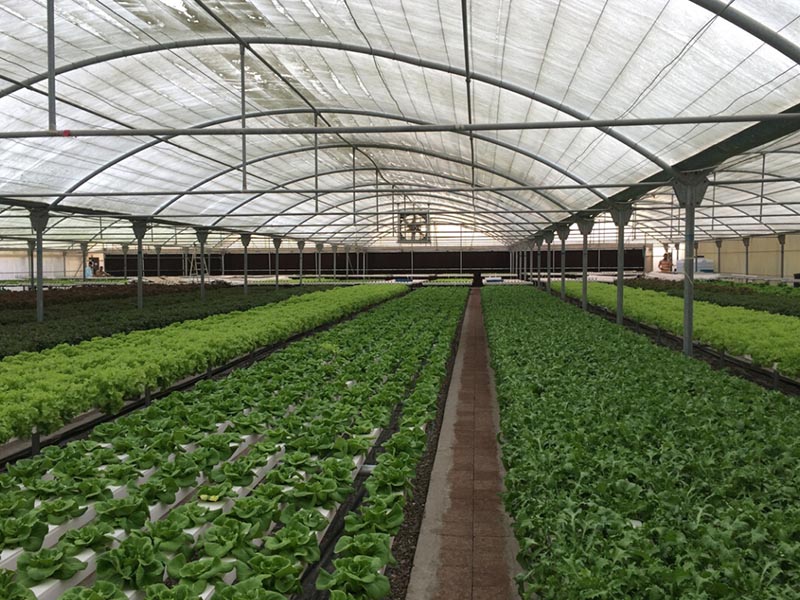
NFT stands for Nutrient Film Technique. It is a hydroponic growing method in which a shallow stream of nutrient solution continuously flows through slightly sloped growing channels.
Plants are placed in net pots or openings along the NFT hydroponic channel. Their roots extend into the channel, where they absorb water and dissolved nutrients. Because the nutrient solution flows as a thin film, part of the root system remains exposed to air, helping provide access to oxygen.
Unlike traditional soil cultivation, NFT hydroponics does not require soil or large amounts of growing media. The nutrient solution is usually collected and returned to a reservoir for recirculation.
An NFT hydroponic system is commonly used for growing:
Lettuce
Spinach
Kale
Basil
Mint
Other leafy greens and herbs
NFT systems are particularly suitable for crops with relatively small root systems and short growing cycles.
An NFT hydroponic system works through a continuous nutrient solution circulation process.
First, a water pump moves nutrient solution from the reservoir into the supply pipes. The solution then enters the NFT growing channels and flows along their slightly inclined surfaces. Plant roots absorb the water and nutrients they need as the solution passes through the channels.
The remaining solution drains through the outlet and returns to the reservoir, where it can be circulated again.
The basic working process is:
Nutrient solution is stored in a reservoir.
A water pump delivers the solution to the NFT Channels.
A thin film of nutrient solution flows along the channels.
Plant roots absorb water and nutrients.
Excess solution drains back into the reservoir.
The circulation process continues.
This recirculating design helps reduce water waste and makes nutrient management easier when the system is properly designed and maintained.
Before starting your NFT hydroponic system setup, prepare the following components.
NFT hydroponic growing channels are the main structures that support plants and guide nutrient solution through the system.
They usually feature planting openings along the top and an internal channel that allows nutrient solution to flow beneath the plant roots.
When choosing an NFT growing channel, consider:
Channel dimensions and cross-sectional design
Channel length and layout
Plant spacing and planting-hole diameter
Material durability and suitability for hydroponic use
Compatibility with irrigation and drainage fittings
PVC NFT hydroponic channels are commonly used because they are lightweight, easy to install, and available in different sizes and lengths.
For commercial projects, selecting suitable NFT hydroponic PVC channels helps create a consistent growing layout and makes system expansion easier.
The nutrient reservoir stores the water and dissolved nutrients used by the plants.
Its capacity should be suitable for the number of growing channels and the overall system size. The reservoir should also be easy to access for checking nutrient levels, cleaning, and maintenance.
A water pump moves nutrient solution from the reservoir to the NFT growing channels.
Choose a pump based on the system layout, channel quantity, total pipe length, and required flow rate. The pump must provide sufficient flow to distribute nutrient solution evenly throughout the growing channels.
Since NFT relies on continuous nutrient circulation, pump reliability is important. A backup power supply or other contingency plan can help reduce risks during power interruptions.
Supply pipes distribute nutrient solution from the pump to the growing channels. Drainage pipes collect the solution after it passes through the channels and return it to the reservoir.
Proper pipe sizing and connections help maintain stable water circulation and reduce the risk of leakage or uneven distribution.
Net pots hold seedlings in position while allowing their roots to extend into the NFT channels.
The planting-hole diameter and spacing should match the selected net pots and the mature size of the crops.
A support structure holds the NFT hydroponic channels at the required height and slope.
For larger installations, a stable frame can help maintain consistent channel alignment and make planting, harvesting, and maintenance more convenient.
Hydroponic plants depend on nutrient solutions to obtain essential elements for growth.
Prepare a suitable hydroponic nutrient solution and monitor its pH and electrical conductivity (EC) according to the requirements of the crops being grown.
Once all the components are ready, you can begin assembling your NFT hydroponic growing system.
Select a location with sufficient light, convenient access to water and electricity, and enough space for the growing channels and reservoir.
For indoor installations, suitable grow lights may be needed to provide adequate lighting. For greenhouse systems, consider ventilation, temperature, humidity, and access for daily maintenance.
Before installation, determine the number of channels, growing capacity, and available space.
Place the NFT hydroponic channels on a stable support structure.
Arrange the channels in parallel or another suitable layout according to the available space and planting requirements.
Make sure the channels are aligned correctly and have a suitable downward slope from the nutrient solution inlet to the drainage outlet.
The slope should allow a shallow, even flow of nutrient solution without excessive pooling or rapid drainage. The appropriate design depends on channel length, dimensions, crop requirements, and system flow rate.
Position the nutrient reservoir below or near the growing channels, depending on the system design.
Connect the reservoir to the water pump and ensure that the reservoir is accessible for refilling, nutrient adjustment, and cleaning.
The reservoir should be appropriately sized for the total system volume and expected water consumption.
Install the water pump inside or beside the reservoir according to its design.
Connect the pump outlet to the main supply pipe, then distribute the nutrient solution to each NFT channel through suitable fittings.
For systems with multiple channels, check that the solution can reach every channel evenly. Adjust the pipe layout or flow distribution if some channels receive significantly more or less solution than others.
Connect the drainage outlets of the NFT channels to the return pipes.
The drainage system should guide excess nutrient solution back into the reservoir without creating blockages or water accumulation inside the channels.
Check all pipe connections to reduce the risk of leakage.
Start seeds in suitable propagation materials and wait until the seedlings are strong enough to be transferred.
Place each seedling into a net pot and position it in the planting opening of the NFT channel.
Make sure the roots can reach the nutrient solution while the plant remains securely supported.
Fill the reservoir with water and prepare the nutrient solution according to the crop requirements.
Turn on the pump and observe how the solution moves through the entire system.
Check the following points:
Is nutrient solution reaching every channel?
Is the water flowing evenly along the channel?
Is there excessive pooling or leakage?
Can the drainage system return the solution properly?
Is the pump operating consistently?
Make any necessary adjustments before placing the system into regular operation.
Building an NFT hydroponic system is only the first step. Regular maintenance helps keep nutrient circulation stable and supports healthy plant growth.
Check the reservoir regularly and replenish water when necessary. Monitor pH and EC to help maintain nutrient conditions suitable for the selected crops.
Plant roots, algae, and other debris can affect water flow. Clean the NFT hydroponic channels and drainage pipes regularly to reduce the risk of blockages.
Because NFT depends on continuous nutrient circulation, inspect the pump and supply pipes frequently. Any interruption in water flow can quickly affect plant roots.
Observe the nutrient solution as it moves through the channels. The goal is to maintain a shallow and consistent flow that reaches the roots without flooding the growing channel.
A power failure can stop the water pump and interrupt nutrient delivery. Consider backup power or an appropriate emergency response plan, particularly for commercial NFT hydroponic farms.
Even a simple DIY NFT hydroponic system can encounter problems if its components are not properly matched.
Using an unsuitable channel slope
If the slope is too steep, nutrient solution may drain too quickly. If it is too shallow, water may accumulate in parts of the channel. Test the flow before introducing plants.
Choosing an undersized or unsuitable pump
A pump that cannot meet the system's flow and delivery requirements may result in uneven nutrient distribution.
Ignoring root growth
Plant roots can become dense as crops mature. Allow enough space within the channels and monitor drainage to reduce the risk of root blockages.
Using unsuitable crops
NFT is generally more suitable for leafy greens and herbs than for large fruiting crops with extensive root systems and greater structural support requirements.
Failing to prepare for pump failure
An NFT system depends on water circulation. Without a backup plan, a pump failure or power interruption can put plants at risk.
The growing channel is one of the most important components of an NFT hydroponic system. Choosing the right channel can influence installation, nutrient flow, planting capacity, and long-term maintenance.
When selecting an NFT hydroponic PVC channel, consider the following factors:
| Selection Factor | What to Consider |
|---|---|
| Material | Choose a material suitable for hydroponic growing environments. |
| Channel Size | Match the cross-section to the crop's root system and growing requirements. |
| Channel Length | Select a suitable length based on the growing area and system layout. |
| Planting Holes | Consider hole diameter and spacing for different crops. |
| Installation | Check compatibility with support structures, supply pipes, and drainage fittings. |
| Customization | Consider custom dimensions and lengths for commercial growing projects. |
G&N Hydroponics provides PVC hydroponic growing channels in different sizes and lengths for NFT system applications. Available channel options include 100 × 50 mm, 100 × 40 mm, and 110 × 110 mm designs, with standard lengths such as 2.9 m, 3 m, and 5.8 m, as well as customized options.
Selecting the appropriate NFT hydroponic channel according to crop type, system layout, and installation requirements can help create a practical growing solution for home and commercial applications.
A DIY NFT hydroponic system and a commercial NFT hydroponic system use the same basic nutrient film technique, but they differ in scale, configuration, and operational requirements.
| Comparison | DIY NFT Hydroponic System | Commercial NFT Hydroponic System |
|---|---|---|
| Growing Scale | Small-scale or home growing | Large-scale or commercial production |
| Channel Quantity | Usually fewer channels | Multiple channels and growing rows |
| System Design | Simple layout | Planned irrigation and drainage network |
| Water Management | Manual monitoring | More structured nutrient management |
| Installation | Basic assembly | Requires system planning and stable support |
| Expansion | Limited by available space | Can be designed for future expansion |
For beginners, a small DIY NFT hydroponic system is a practical way to understand nutrient circulation and plant management. Commercial growers should pay more attention to channel layout, pump capacity, drainage design, maintenance access, and system reliability.
You need NFT hydroponic growing channels, a nutrient reservoir, a water pump, supply pipes, drainage pipes, net pots, a support structure, and hydroponic nutrient solution.
Yes. NFT is relatively straightforward to understand and can be used for small-scale DIY hydroponic projects. However, beginners should pay attention to water flow, nutrient management, and pump reliability.
Leafy greens and herbs such as lettuce, spinach, kale, basil, and mint are commonly grown in NFT systems because they generally have relatively compact root systems.
Yes. A typical recirculating NFT system uses a water pump to move nutrient solution from the reservoir into the growing channels. Continuous circulation is important for supplying water and nutrients to plant roots.
PVC materials can be used for hydroponic growing channels, provided the product is suitable for the intended growing application and has an appropriate internal design for nutrient flow and root growth. Purpose-designed NFT hydroponic PVC channels can make installation and maintenance more convenient than improvised pipes.
There is no single replacement schedule that works for every NFT system. It depends on crop type, plant growth stage, reservoir volume, water quality, and nutrient management practices. Monitor pH, EC, water level, and nutrient condition to determine when adjustments or replacement are needed.
NFT uses a shallow film of circulating nutrient solution flowing through growing channels, generally without a large volume of growing media. Dutch Bucket systems use individual buckets filled with growing media and typically deliver nutrient solution through drip irrigation. NFT is commonly used for leafy greens, while Dutch Bucket systems are often used for larger fruiting crops such as tomatoes and cucumbers.
Yes. NFT hydroponic systems can be designed for commercial production, particularly for leafy vegetables and herbs. Commercial installations need suitable growing channels, reliable pumps, well-planned irrigation and drainage, and regular nutrient monitoring.
Choosing suitable growing channels is an important step when building an efficient NFT hydroponic system. Whether you are planning a small hydroponic garden or a commercial growing project, the right channel dimensions, lengths, and system configuration can help meet your growing requirements.
G&N Hydroponics offers PVC NFT hydroponic growing channels in multiple sizes and lengths, with customization options for different project layouts.
Contact us to discuss your NFT hydroponic system requirements, channel specifications, and customized growing solutions.

G and N is serving for more than 1,000 customers over 122 countries around the world, offering high-quality products and services to global customers.
Copyright © 2026 G AND N FORTUNE LIMITED All rights reserved.


