
 English

News
Focus on G AND N FORTUNE LIMITED - Get to know the new information of the industry quickly!

2026-11-04 15:31:49
The Dutch Bucket System, also known as the Bato Bucket System, is a popular hydroponic growing method designed for cultivating large plants and fruiting crops. It uses individual growing buckets filled with growing media, such as coco coir or Perlite, to support plant roots while delivering nutrient-rich water through a drip irrigation system.
Unlike traditional soil farming, a Dutch Bucket Hydroponic System allows growers to control water and nutrient delivery more precisely. Excess nutrient solution can drain from the buckets and return to a reservoir for reuse in recirculating systems.
Widely used in commercial greenhouses and soilless farming projects, Dutch bucket hydroponics is particularly suitable for tomatoes, cucumbers, bell peppers, chili peppers, and eggplants. Its modular structure, flexible irrigation design, and compatibility with different growing media make it a practical solution for modern commercial agriculture.
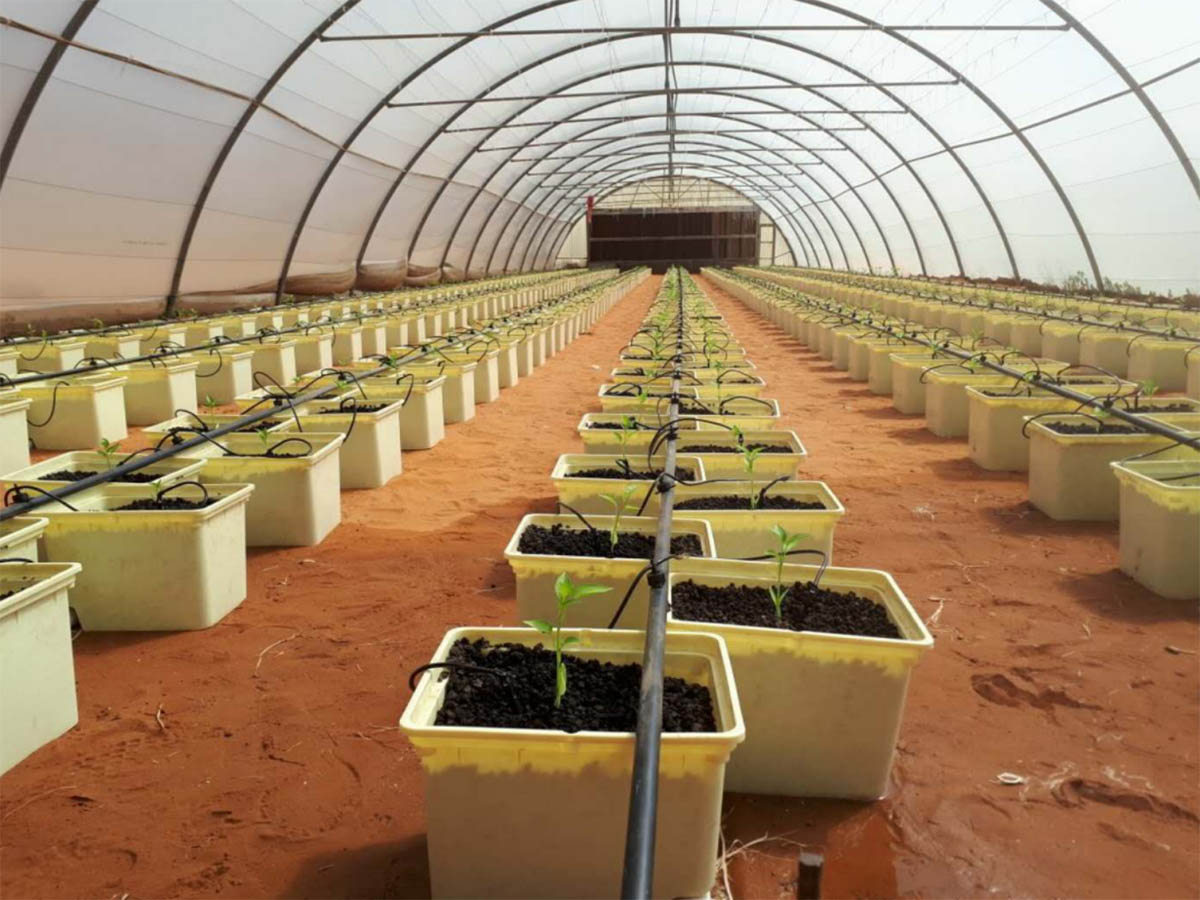
A Dutch Bucket System is a substrate-based hydroponic growing system in which plants are cultivated in individual containers called Dutch buckets or Bato buckets.
Each bucket holds growing media that supports the plant's root system. A drip irrigation line delivers nutrient solution directly to the growing media, allowing roots to absorb water and essential nutrients. Excess solution drains through an outlet at the bottom of the bucket.
In a recirculating Dutch bucket hydroponic system, the drainage solution is collected through connected pipes and returned to a nutrient reservoir.
Unlike NFT (Nutrient Film Technique), which delivers nutrients through a thin film of flowing water inside growing channels, Dutch bucket hydroponics uses growing media and individual containers to support larger plants.
A typical Dutch Bucket System includes:
Dutch Buckets: Individual growing containers that hold plants and growing media.
Growing Media: Materials such as coco coir, perlite, or Rockwool that support roots and retain moisture.
Drip Irrigation System: Delivers nutrient solution directly to the growing media.
Nutrient Reservoir: Stores water mixed with essential plant nutrients.
Water Pump: Transfers nutrient solution from the reservoir to the irrigation lines.
Drainage Pipes: Collect excess nutrient solution and return it to the reservoir in recirculating setups.
The Dutch bucket hydroponic system works by combining substrate-based growing with controlled drip irrigation and drainage.
Place suitable growing media, such as coco coir or perlite, inside each Dutch bucket. The growing media provides physical support for the plant roots and helps maintain moisture around the root zone.
Transfer seedlings into the growing media. Each bucket can support one or more plants depending on the crop type, bucket size, and planting design.
A water pump moves nutrient solution from the reservoir through irrigation pipes. Drip emitters then deliver the solution directly to the growing media around each plant.
As the growing media receives the nutrient solution, excess liquid flows out through the bucket's drainage outlet. Proper drainage helps prevent excessive water accumulation around the roots.
In a recirculating Dutch bucket system, drainage pipes collect the excess nutrient solution and return it to the reservoir. The solution can then be reused after appropriate monitoring and adjustment.
This process allows growers to manage irrigation and nutrient delivery according to the requirements of different crops.
The Dutch bucket is the main growing container. It holds the plant and growing media while providing a drainage outlet for excess nutrient solution.
Buckets are usually arranged in rows and connected to a common irrigation and drainage network. Their spacing should be planned according to plant size, root development, and greenhouse layout.
Growing media provide support for plant roots and help maintain suitable moisture and air conditions.
Common options include:
Coco Coir: A popular growing medium made from coconut husk fibers. It retains moisture while providing root support.
Perlite: A lightweight material that improves aeration and drainage.
Rockwool: A manufactured growing medium used in various soilless cultivation systems.
The choice of growing media depends on crop requirements, irrigation frequency, and the grower's cultivation method.
The drip irrigation system delivers nutrient solution directly to each plant. It generally consists of a main water supply line, distribution pipes, drip tubing, and emitters.
Proper irrigation scheduling helps maintain suitable moisture levels in the growing media while reducing unnecessary nutrient solution loss.
The nutrient reservoir stores the solution used throughout the system. A water pump supplies the solution to the drip irrigation network.
Reservoir capacity and pump performance should be selected according to the number of buckets, crop water demand, and irrigation design.
Drainage pipes collect excess solution from the buckets. In recirculating systems, the collected solution flows back to the reservoir.
The drainage layout should allow reliable water flow and provide convenient access for cleaning and maintenance.
Dutch bucket hydroponics is particularly suitable for larger plants and fruiting vegetables that benefit from individual growing containers and substrate-based root support.
Tomatoes are among the most common crops grown in Dutch bucket systems. The buckets provide growing media for root development, while drip irrigation delivers water and nutrients throughout the growing cycle.
Cucumbers can also be cultivated using Dutch bucket hydroponics. Their climbing growth habit makes them suitable for greenhouse systems equipped with appropriate trellising and plant support structures.
Bell peppers and chili peppers are commonly grown in substrate-based hydroponic systems. Individual buckets allow growers to manage planting positions and irrigation according to crop requirements.
Eggplants are larger fruiting plants that can benefit from the root support and growing space provided by Dutch buckets.
Certain melon varieties and other fruiting crops can also be grown in Dutch bucket systems when bucket size, growing media, irrigation, and plant support are properly planned.
Unlike many channel-based NFT systems designed primarily for leafy vegetables, Dutch bucket hydroponics provides individual containers with growing media. This makes it suitable for crops with larger root systems and greater structural support requirements.
Growers can select different growing media according to crop requirements and local growing conditions. Coco coir, perlite, and rockwool are common choices for substrate-based hydroponic cultivation.
Drip irrigation delivers nutrient solution directly to the root zone. Growers can adjust irrigation frequency and nutrient concentration based on plant development and environmental conditions.
The bucket drainage design allows excess solution to flow away from the growing media. In recirculating systems, collected solution can return to the reservoir for monitoring and reuse.
Individual buckets can be arranged in rows and connected to shared irrigation and drainage networks. Additional buckets can be incorporated when the available greenhouse space and system capacity allow.
Dutch bucket systems are suitable for commercial greenhouse projects that require organized planting layouts, controlled irrigation, and support for larger fruiting crops.
Dutch bucket hydroponics and NFT hydroponics are two different approaches to soilless growing. Both can use recirculating nutrient solutions, but their growing structures and irrigation methods differ.
| Comparison | Dutch Bucket System | NFT Hydroponic System |
|---|---|---|
| Growing Structure | Individual growing buckets | Horizontal growing channels |
| Growing Media | Usually uses coco coir, perlite, or rockwool | Generally does not require solid growing media |
| Nutrient Delivery | Drip irrigation | Thin film of flowing nutrient solution |
| Root Support | Growing media inside buckets | Net pots and channel structure |
| Suitable Crops | Tomatoes, cucumbers, peppers, eggplants | Lettuce, spinach, kale, and herbs |
| Planting Layout | Individual containers arranged in rows | Plants arranged along channels |
| Common Applications | Commercial fruiting crop production | Leafy vegetable production |
Which system should you choose?
Choose a Dutch Bucket System if you plan to grow larger fruiting crops that require growing media and individual root containers.
Choose an NFT Hydroponic System if your main crops are leafy vegetables and herbs that can grow in horizontal channels with circulating nutrient solution.
The best choice depends on crop type, growing environment, available space, irrigation requirements, and production goals.
Dutch bucket systems are widely used in commercial greenhouses for growing tomatoes, cucumbers, peppers, and other fruiting vegetables. Rows of buckets can be connected to centralized irrigation and drainage networks.
For farms without suitable agricultural soil, Dutch bucket hydroponics provides an alternative growing method. Plants receive water and nutrients through drip irrigation rather than relying on soil-based cultivation.
Dutch buckets can be incorporated into indoor growing facilities with appropriate lighting, ventilation, irrigation, and environmental controls. The installation should provide sufficient space for plant growth and maintenance.
Universities, agricultural research centers, and training facilities can use Dutch bucket systems to study substrate cultivation, nutrient management, irrigation scheduling, and hydroponic crop production.
Selecting a suitable Dutch bucket growing system requires consideration of several factors.
Bucket Size and Design: Choose buckets that provide sufficient growing space for the selected crops and their root systems. The drainage structure should support reliable excess water removal.
Growing Media Compatibility: Select growing media based on moisture retention, drainage, aeration, and crop requirements.
Irrigation Configuration: Consider the number of drip emitters, water flow rate, irrigation frequency, and distribution layout to ensure that each plant receives an appropriate nutrient supply.
Drainage Design: A properly designed drainage network helps prevent water accumulation and allows excess nutrient solution to be collected efficiently.
Reservoir and Pump Capacity: The water pump and reservoir should match the total number of buckets and the expected irrigation demand.
Greenhouse Layout: Plan bucket spacing, plant support, access paths, and pipe arrangements according to the mature size of the crops.
For commercial projects, the complete irrigation and drainage system should be designed as a coordinated unit rather than selecting buckets independently.
A Dutch Bucket System is used for growing plants without soil in individual containers filled with growing media. It is particularly suitable for tomatoes, cucumbers, bell peppers, chili peppers, and other larger fruiting crops.
The terms Dutch Bucket and Bato Bucket are commonly used to describe similar substrate-based hydroponic growing systems. Both typically use individual buckets, drip irrigation, and drainage outlets.
Common growing media include coco coir, perlite, and rockwool. These materials provide root support and help maintain suitable moisture and air conditions.
A pump delivers nutrient solution from a reservoir through irrigation pipes. Drip emitters distribute the solution to the growing media in each bucket, and excess solution drains through the bucket outlets.
Yes. In a recirculating Dutch bucket system, excess nutrient solution is collected through drainage pipes and returned to the reservoir. The solution should be monitored and adjusted before continued use.
Yes. Tomatoes are one of the most common crops grown in Dutch bucket hydroponics. The system provides individual growing containers and supports substrate-based root development. Appropriate trellising and irrigation management are also important.
Dutch bucket systems use individual containers filled with growing media and deliver nutrient solution through drip irrigation. NFT systems use channels that carry a thin film of circulating nutrient solution along plant roots. Dutch buckets are commonly used for fruiting crops, while NFT is popular for leafy vegetables.
No. Dutch bucket hydroponics is a soilless growing method. Plants are supported by growing media such as coco coir or perlite instead of agricultural soil.
Yes. Its modular structure allows multiple buckets to be connected to shared irrigation and drainage networks, making it suitable for commercial greenhouse vegetable production.
A typical setup includes Dutch buckets, growing media, a nutrient reservoir, a water pump, drip irrigation lines, emitters, and drainage pipes. Plant support structures may also be required for crops such as tomatoes and cucumbers.
The Dutch Bucket System is a flexible and practical hydroponic growing method for commercial vegetable production. By combining individual growing containers, suitable growing media, drip irrigation, and efficient drainage, it provides a controlled environment for cultivating tomatoes, cucumbers, peppers, and other fruiting crops.
Whether you are planning a greenhouse vegetable farm or expanding an existing soilless growing project, understanding the Dutch Bucket System's components and operating principles can help you select the right growing configuration for your crops.

G and N is serving for more than 1,000 customers over 122 countries around the world, offering high-quality products and services to global customers.
Copyright © 2026 G AND N FORTUNE LIMITED All rights reserved.


