

 English

News
Focus on G AND N FORTUNE LIMITED - Get to know the new information of the industry quickly!

2026-11-04 14:31:51
The Nutrient Film Technique (NFT) is a popular hydroponic growing method that allows plants to grow without soil by circulating a thin film of nutrient-rich water through specially designed channels. In an NFT hydroponic system, plant roots receive water and essential nutrients directly from the flowing solution while remaining partially exposed to air for oxygen absorption.
Widely used in commercial greenhouses, indoor farms, and urban agriculture projects, NFT hydroponics is particularly suitable for growing leafy vegetables and herbs such as lettuce, spinach, kale, basil, and mint.
With its recirculating water system, efficient nutrient delivery, and scalable channel design, the Nutrient Film Technique has become an important solution for modern soilless agriculture.
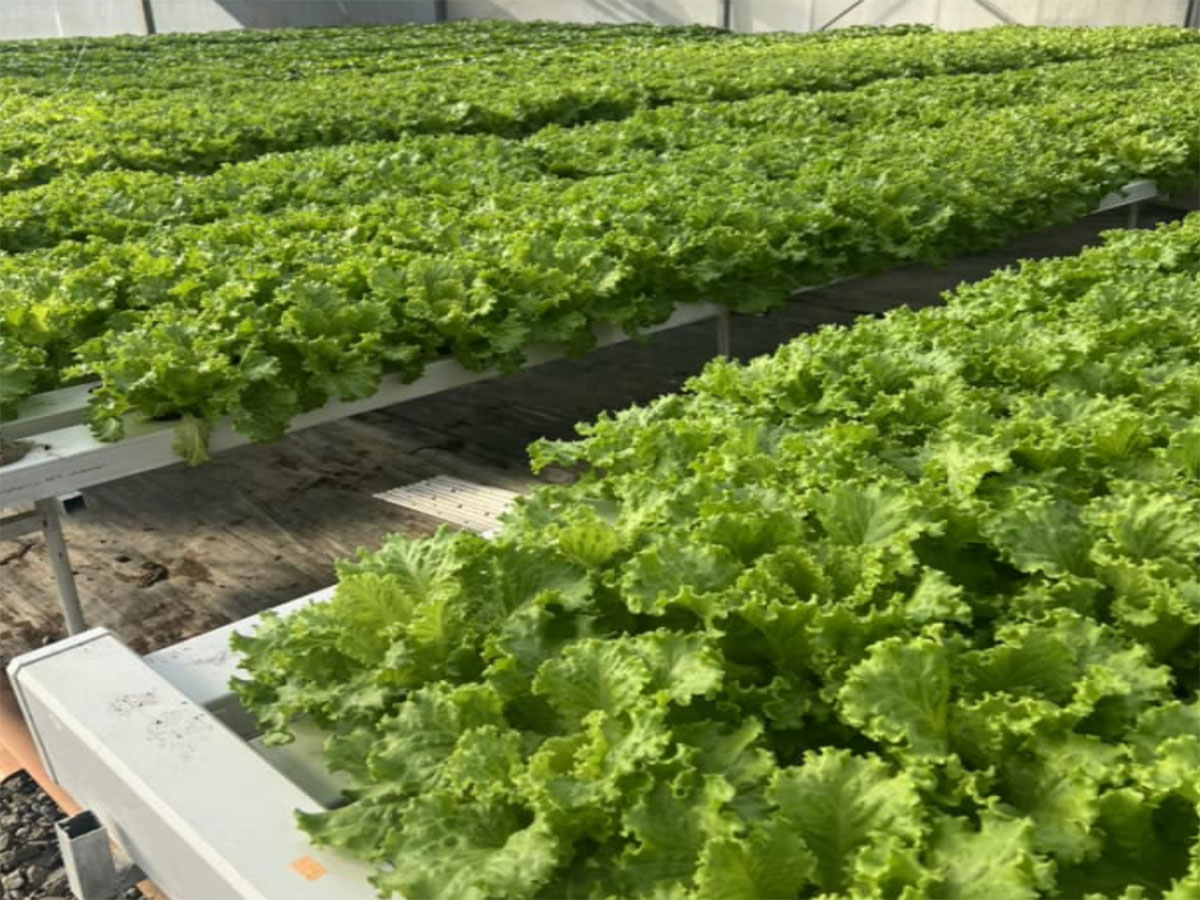
The Nutrient Film Technique is a type of hydroponics in which a shallow stream of nutrient solution continuously flows along the bottom of a slightly sloped growing channel. Plants are placed in openings along the top of the channel, usually supported by Net Pots, while their roots extend into the channel to access the flowing solution.
Unlike traditional soil farming, NFT hydroponics does not require soil or other solid growing media. Instead, the circulating nutrient solution supplies the water and dissolved minerals needed for plant growth.
A typical NFT hydroponic system consists of several essential components:
NFT Growing Channels: Hold the plants and guide nutrient solution along the root zone.
Nutrient Reservoir: Stores water mixed with hydroponic nutrients.
Water Pump: Delivers nutrient solution from the reservoir to the growing channels.
Pipes and Fittings: Distribute and return the nutrient solution.
Net Pots: Support plants while allowing roots to grow into the channels.
Support Structure: Holds the channels at the required height and slope.
The nutrient solution flows through the channels and drains back into the reservoir, where it can be recirculated.
The NFT hydroponic system operates through continuous nutrient solution circulation. Its working principle is relatively simple, but proper system design and water management are essential for successful cultivation.
Water is mixed with essential hydroponic nutrients in a reservoir. The nutrient concentration and pH should be adjusted according to the crop type and growth stage.
A water pump transfers the nutrient solution from the reservoir to the upper end of the NFT hydroponic growing channels.
The channels are installed with a slight slope, allowing a shallow layer of nutrient solution to flow along the bottom. Plant roots extend into this flowing film to absorb water and nutrients.
At the same time, part of the root system remains exposed to the air inside the channel, supporting oxygen availability.
After passing through the growing channels, the remaining nutrient solution drains back into the reservoir. The solution is then circulated through the system again.
This continuous process allows plants to access water and nutrients while helping growers manage water and fertilizer use.
The NFT growing channel is one of the most important components of the system. It provides space for plant roots and creates a pathway for nutrient solution circulation.
Horizontal PVC hydroponic channels are commonly used because they can be arranged in parallel rows and integrated into greenhouse or indoor farming layouts. Channel dimensions, length, slope, and planting-hole spacing should be selected according to crop requirements and system capacity.
The reservoir stores the nutrient solution and supplies water to the entire hydroponic system. Its capacity should match the number of growing channels and the expected water demand.
The water pump delivers nutrient solution to the growing channels, while pipes distribute the solution throughout the system. Reliable water circulation is particularly important because NFT plants depend on a continuous supply of nutrient solution.
Net pots hold seedlings in position while allowing their roots to extend into the growing channels. They help maintain an organized planting layout and make transplanting and harvesting more convenient.
The support structure keeps the NFT Channels stable and maintains the required slope for nutrient solution drainage. A properly designed structure also provides convenient access for crop management and harvesting.
NFT hydroponics offers several advantages for commercial growers and indoor farming projects.
The circulating nutrient solution passes directly through the root zone, allowing plants to absorb water and dissolved nutrients. Growers can monitor and adjust nutrient concentration according to crop requirements.
Unlike many conventional irrigation methods, NFT systems collect and reuse excess nutrient solution. This can reduce water loss, although actual consumption depends on plant transpiration, evaporation, system management, and cleaning practices.
Because the nutrient solution forms a shallow film rather than completely submerging the roots, part of the root system can remain exposed to air. This helps provide oxygen to the roots under suitable growing conditions.
NFT is a soilless growing method, eliminating the need for agricultural soil. This makes it suitable for indoor farms, greenhouses, and urban growing projects where traditional soil cultivation may be difficult.
Multiple NFT hydroponic channels can be installed in parallel rows or integrated into multi-level growing structures. This modular arrangement allows growers to plan and expand their cultivation systems according to available space and production requirements.
The Nutrient Film Technique is particularly suitable for lightweight, fast-growing crops with relatively compact root systems.
Lettuce is one of the most common crops grown in NFT hydroponic systems. Its relatively compact root structure and short growing cycle make it suitable for channel-based cultivation.
Spinach and kale can also be cultivated in NFT systems when appropriate planting spacing, nutrient management, and environmental conditions are maintained.
Basil, mint, parsley, and other herbs are frequently grown using NFT hydroponics. Their growing requirements can be managed through adjustments to nutrient concentration, lighting, and planting density.
Various leafy vegetables can be considered for NFT cultivation, depending on their root development, plant size, and growing requirements.
For larger fruiting crops with extensive root systems, such as tomatoes and cucumbers, other hydroponic methods or specially designed growing systems may be more suitable.
NFT is one of several hydroponic growing methods. Different systems use different approaches to deliver water, nutrients, and oxygen to plant roots.
| Hydroponic System | Growing Principle | Common Applications |
|---|---|---|
| NFT System | A thin film of nutrient solution flows through channels | Lettuce, spinach, herbs |
| Deep Water Culture (DWC) | Plant roots are suspended in oxygenated nutrient solution | Lettuce and leafy vegetables |
| Ebb and Flow System | Growing containers are periodically flooded and drained | Leafy vegetables and plants grown in media |
| Drip Hydroponic System | Nutrient solution is delivered through drip emitters | Tomatoes, cucumbers, peppers |
| Vertical Hydroponic System | Plants are arranged in Vertical Towers or stacked structures | Strawberries, herbs, and leafy greens |
The best hydroponic system depends on crop type, available space, budget, labor requirements, and production goals. NFT is especially practical for growers who want an organized channel-based system for leafy vegetable production.
NFT hydroponic systems are widely used in commercial greenhouses for producing lettuce, spinach, and herbs. Growing channels can be arranged in rows to support organized planting and harvesting operations.
Indoor farms can combine NFT channels with artificial grow lights, ventilation, and climate control equipment. This allows growers to manage the growing environment independently of outdoor weather conditions.
NFT systems can be installed in suitable urban spaces, including indoor growing facilities and controlled-environment agriculture projects. Their modular design allows planting capacity to be planned around available space.
Universities, research facilities, and agricultural training centers use NFT systems to study plant nutrition, root development, water circulation, and soilless cultivation techniques.
Choosing a suitable NFT hydroponic channel is important for building a stable and efficient growing system. Several factors should be considered before purchasing.
Material: Select channels made from suitable materials for hydroponic growing applications. Food-grade PVC is commonly used in hydroponic channel production.
Channel Dimensions: The channel size should provide sufficient space for root development and nutrient solution circulation. Different crops may require different channel dimensions.
Channel Length: Standard and custom lengths should be selected according to greenhouse dimensions, installation layout, and transportation requirements.
Planting Hole Spacing: Hole diameter and spacing should match the size of net pots and the expected mature size of the crops.
Installation Design: The support structure should maintain a suitable slope to ensure consistent nutrient solution flow and drainage.
For commercial projects, it is also important to consider pump capacity, reservoir size, drainage design, and access for cleaning and maintenance.
Horizontal hydroponic PVC channels are widely used in NFT systems because they provide a practical structure for arranging plants in organized growing rows.
G&N's Horizontal Type Hydroponic PVC Channel is designed for greenhouse hydroponics, indoor farming, and commercial NFT growing projects. Manufactured from food-grade PVC, the channels are available in multiple dimensions and lengths to accommodate different installation requirements.
Available specifications include:
| Parameter | Specification |
|---|---|
| Material | Food-Grade PVC |
| Available Sizes | 100 × 50 mm, 100 × 40 mm, 110 × 110 mm |
| Standard Lengths | 2.9 m, 3 m, 5.8 m |
| Customization | Custom lengths and specifications upon request |
| Growing Method | NFT Hydroponic System |
| Suitable Crops | Lettuce, spinach, kale, and herbs |
The horizontal channel layout allows growers to arrange multiple planting rows according to their greenhouse or indoor farm design. It can be integrated with nutrient reservoirs, pumps, irrigation pipes, and suitable support structures to create a complete NFT hydroponic growing system.
Whether you are planning a small indoor hydroponic project or a commercial greenhouse installation, selecting the right channel dimensions and system layout is an important step toward building a suitable NFT growing environment.
NFT stands for Nutrient Film Technique. It is a hydroponic growing method in which a shallow film of nutrient-rich water continuously flows through channels, providing plants with water and essential nutrients.
A water pump delivers nutrient solution from a reservoir into slightly sloped growing channels. The solution flows along the bottom of each channel, passing through plant roots before draining back into the reservoir for recirculation.
No. NFT is a soilless growing method. Plants are usually supported by net pots, while their roots extend into the growing channels and absorb nutrients from the circulating solution.
Lettuce is one of the most popular crops for NFT systems. Other suitable crops include spinach, kale, basil, mint, and parsley. Crop suitability depends on root structure, plant size, and growing conditions.
NFT systems recirculate nutrient solution, allowing excess water to return to the reservoir instead of being discarded after one irrigation cycle. This can improve water-use efficiency compared with some conventional growing methods, although actual savings vary with operating conditions.
NFT systems rely on continuous water circulation. Pump failure, power interruptions, blocked channels, or insufficient nutrient flow can quickly affect plant roots. They also require regular monitoring of water flow, pH, and nutrient concentration.
In NFT systems, a shallow stream of nutrient solution flows through growing channels, with part of the roots exposed to air. In Deep Water Culture (DWC), plant roots are suspended in a reservoir of nutrient solution that is generally aerated using air pumps or other oxygenation equipment.
NFT channels are commonly manufactured from PVC and other materials suitable for hydroponic applications. Food-grade PVC channels are a popular option for greenhouse and indoor growing systems.
Yes. NFT hydroponic systems can be installed in indoor farms and controlled-environment growing facilities. They may be combined with grow lights, ventilation, pumps, and nutrient management equipment.
Consider the channel material, dimensions, length, planting-hole spacing, crop type, and installation layout. You should also ensure that the pump, reservoir, and drainage system are properly matched to the number and length of channels.
The Nutrient Film Technique is a practical hydroponic growing method that uses a continuously circulating film of nutrient solution to support soilless plant cultivation. Its efficient nutrient delivery, water recirculation, and modular channel design make it particularly suitable for leafy vegetables, herbs, commercial greenhouses, and indoor farming projects.
For growers planning an NFT hydroponic system, choosing suitable growing channels is essential. Horizontal hydroponic PVC channels provide a flexible solution for organizing planting rows and building scalable growing layouts.

G and N is serving for more than 1,000 customers over 122 countries around the world, offering high-quality products and services to global customers.
Copyright © 2026 G AND N FORTUNE LIMITED All rights reserved.


