

 English

News
Focus on G AND N FORTUNE LIMITED - Get to know the new information of the industry quickly!

2026-10-26 17:07:35
An NFT growing system, also known as a Nutrient Film Technique hydroponic system, is a soilless growing method that delivers a shallow, continuously flowing layer of nutrient solution to plant roots. Instead of growing in soil, plants are placed in specially designed growing channels, where their roots receive water and dissolved nutrients while remaining partially exposed to air.
The NFT hydroponic system is widely used for growing lettuce, spinach, basil, and other leafy greens. Its recirculating design helps manage water and nutrient delivery, while the horizontal or slightly sloped growing channels make it suitable for home gardens, commercial greenhouses, and indoor farming facilities.
For growers planning a hydroponic project, understanding how NFT hydroponics works, which crops are suitable, and how to select the right NFT growing channels is essential for building an efficient growing system.
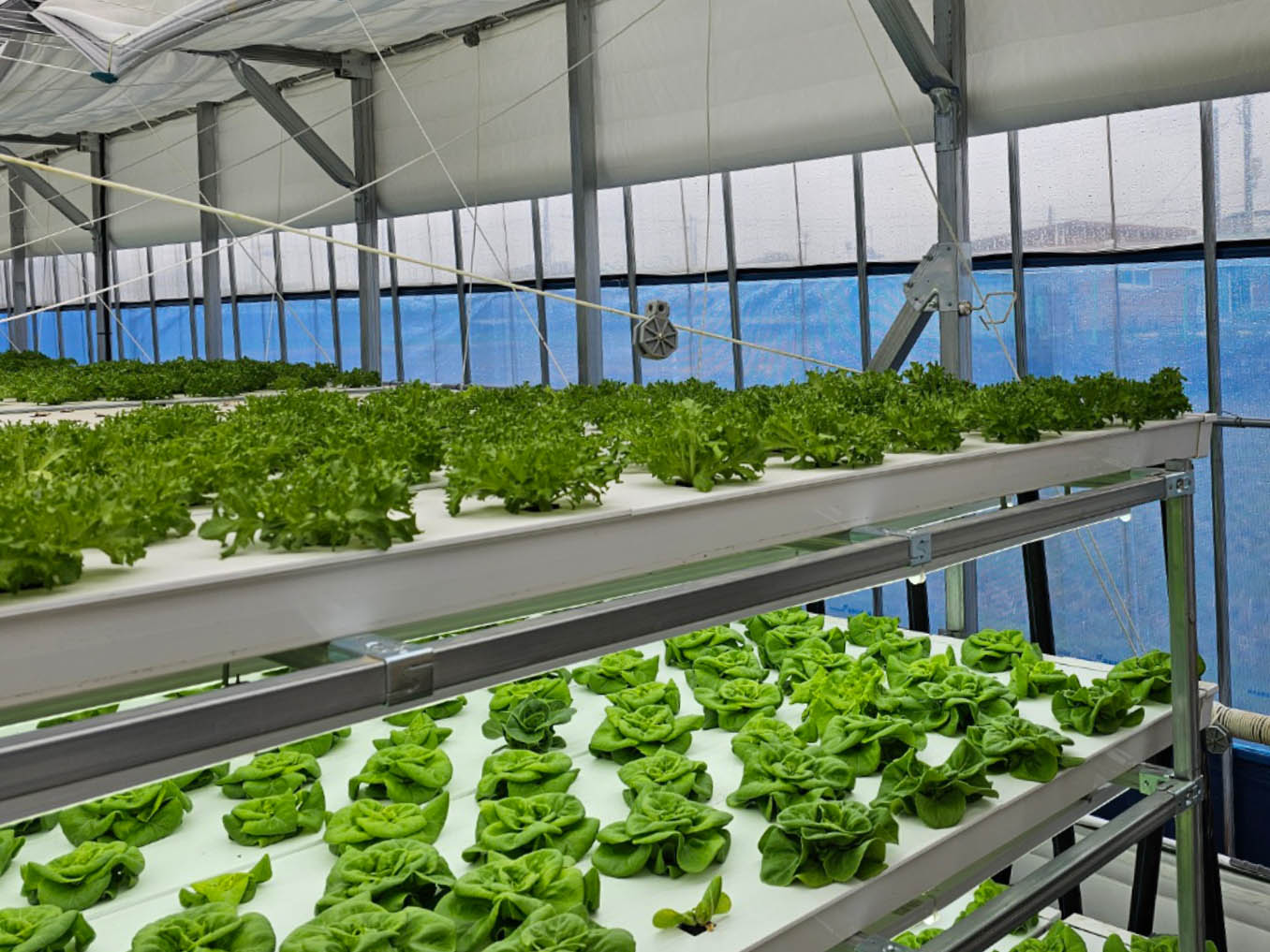
NFT stands for Nutrient Film Technique. It is a hydroponic growing method in which a thin layer of nutrient-rich water flows through a channel and passes over plant roots.
In a typical NFT growing system, seedlings are placed in Net Pots fitted into openings along the growing channel. The roots extend into the channel, where they can access the moving nutrient solution. The channels are usually installed at a slight slope to help the solution flow toward a return pipe and back into a reservoir.
Unlike Deep Water Culture (DWC), where roots are generally immersed in a larger volume of aerated nutrient solution, NFT relies on a shallow flow of nutrient solution along the bottom of the channel.
The system is especially suitable for crops with relatively compact root systems and short growing cycles, making it a popular option for commercial leafy vegetable production.
An NFT hydroponic system operates through a recirculating water and nutrient delivery process. Its main components work together to supply plants with the conditions needed for healthy growth.
The reservoir stores water mixed with hydroponic nutrients. Growers monitor the solution's pH, electrical conductivity (EC), and water level to maintain conditions appropriate for the selected crop.
A water pump moves nutrient solution from the reservoir to the upper end of the NFT growing channels. The flow rate should be suitable for the channel design, crop type, and system layout.
NFT growing channels support the plants and guide nutrient solution along their bottoms. Planting holes are positioned at suitable intervals to accommodate net pots and allow roots to extend into the flowing solution.
Channel dimensions, hole spacing, and slope affect how the system distributes water and accommodates plant growth.
As the nutrient solution flows through the channels, plant roots absorb water and dissolved nutrients. Because the solution forms a relatively shallow layer, some roots can also remain exposed to air, supporting oxygen availability when the system is properly designed.
After flowing through the channels, the nutrient solution drains back into the reservoir. The pump then circulates it through the system again.
This recirculating arrangement can reduce water waste compared with some non-recirculating irrigation methods. However, water consumption still depends on plant uptake, evaporation, leaks, cleaning practices, and the operating environment.
A complete NFT hydroponic system typically includes the following components:
| Component | Function |
|---|---|
| NFT Growing Channels | Support plants and guide nutrient solution along the roots |
| Reservoir | Stores the nutrient solution |
| Water Pump | Delivers nutrient solution to the channels |
| Supply Pipes | Transport nutrient solution from the reservoir |
| Return Pipes | Direct used nutrient solution back to the reservoir |
| Net Pots | Hold seedlings and support their positioning |
| Growing Media | Helps support seedlings and young plants where needed |
| Nutrient Solution | Supplies essential mineral nutrients |
| Monitoring Equipment | Measures parameters such as pH and EC |
For commercial projects, the dimensions and layout of NFT hydroponic channels should be planned around the target crops, available space, water supply, and desired planting density.
NFT hydroponics is particularly suitable for leafy greens and herbs that do not require extensive root space or heavy structural support.
Lettuce is one of the most common crops grown in an NFT hydroponic system. Its relatively compact root system and short production cycle make it suitable for commercial greenhouse and indoor growing operations.
Spinach and selected leafy vegetables can also grow in NFT Channels when temperature, nutrient concentration, water flow, and planting spacing are appropriate.
Basil and some other herbs can be cultivated in NFT systems. Growers should consider mature plant size and root development when selecting channel dimensions and spacing.
Pak choi and other suitable leafy vegetables can be grown in NFT growing channels, provided the channels offer enough space for root development and the plants receive suitable nutrient and environmental conditions.
Large fruiting plants, heavy crops, and plants with extensive root systems may require more root space, stronger support, or a different hydroponic method. Before growing these crops in an NFT system, evaluate their mature size, water requirements, and structural needs.
An NFT hydroponic system typically recirculates nutrient solution rather than continuously discharging it after every irrigation cycle. This allows growers to reuse the solution while monitoring its concentration and condition.
Actual water savings depend on the growing environment, crop, irrigation management, and system design.
NFT growing channels can be arranged in rows on benches, racks, or other suitable supports. This layout helps growers organize plants in greenhouses and indoor growing facilities while making harvesting and routine inspection more manageable.
NFT hydroponics uses nutrient solution instead of field soil. This can simplify soil-related management and allows growers to establish growing areas in locations where suitable agricultural soil is unavailable.
Plants still require appropriate nutrients, light, temperature, oxygen, and root support.
Because plants are arranged in defined channels, growers can inspect plant health, check nutrient flow, and identify irrigation issues across the growing area.
A well-planned layout can also make it easier to manage planting density and harvesting schedules.
NFT systems are commonly used for leafy greens and herbs. With suitable channel design, water management, and environmental controls, growers can develop systems for greenhouse production, indoor farming, and other controlled growing environments.
NFT and Deep Water Culture (DWC) are two widely used hydroponic methods, but they provide different root environments.
| Feature | NFT Hydroponic System | DWC Hydroponic System |
|---|---|---|
| Nutrient delivery | Shallow flow of nutrient solution | Roots generally immersed in a larger volume of aerated solution |
| Main growing structure | Sloped growing channels | Reservoir or growing tank with plant support |
| Root environment | Flowing nutrient solution with some root exposure to air | Nutrient solution with oxygen supplied through aeration |
| Common crops | Lettuce, leafy greens, herbs | Lettuce, leafy greens, and other suitable crops |
| Main management priorities | Flow rate, channel slope, drainage, and uninterrupted supply | Dissolved oxygen, water temperature, and nutrient balance |
| Key equipment | NFT channels, pump, reservoir, and return pipes | Growing tank, plant support, reservoir, and aeration equipment as required |
Neither system is universally better. NFT can be attractive for growers who want a channel-based layout, while DWC may suit projects that prefer a larger volume of nutrient solution around the roots.
The right choice depends on crop requirements, installation space, budget, maintenance capacity, and the planned production scale.
Choosing suitable NFT growing channels is important for maintaining appropriate nutrient flow and providing enough space for plant roots.
Select a channel size that accommodates the expected root development and crop size. Smaller leafy vegetables may have different requirements from larger plants.
The hole diameter should match the net pots or growing cups used in the system. A suitable fit helps keep seedlings stable during cultivation.
Plant spacing affects how much room each crop has to develop. Consider mature plant width, root growth, airflow, and harvesting access when planning the planting layout.
Hydroponic channels should be made from materials suitable for repeated exposure to water, nutrient solutions, sunlight where applicable, and routine cleaning. Ask the supplier for the material specifications and any supporting compliance documentation required for your project.
NFT channels are generally installed at a slight slope so nutrient solution can flow toward the return outlet. The correct slope and flow rate depend on the channel design and system configuration.
Poor drainage can cause water to accumulate in some areas, while insufficient flow can leave roots without adequate moisture.
For greenhouse and commercial projects, consider how the channels will be supported, connected, cleaned, and expanded. Standardized dimensions and compatible fittings can simplify installation and maintenance.
If you are purchasing NFT hydroponic channels for a larger project, confirm the channel dimensions, hole layout, material, fittings, and order quantity before finalizing the system design.
Even a properly designed NFT hydroponic system requires regular monitoring. Common issues include:
Uneven Nutrient Flow: Differences in channel slope, blocked pipes, or unsuitable flow rates can affect nutrient distribution. Inspect the channels and plumbing regularly.
Pump Failure: NFT systems depend on a reliable nutrient supply. A pump interruption can cause roots to dry out, especially in warm conditions. Monitor pump performance and consider an appropriate backup plan for commercial installations.
Incorrect Nutrient Concentration: Nutrient solution that is too concentrated or too diluted can affect plant health. Monitor pH and EC and adjust according to crop requirements.
Insufficient Root Space: Crowded planting holes or narrow channels can restrict root development as plants mature. Select channel dimensions and spacing based on the intended crop.
Poor Drainage: Blocked outlets or incorrect installation can cause nutrient solution to accumulate. Keep return lines clear and test the drainage system before planting.
Routine inspection and preventive maintenance help reduce the risk of system interruptions and crop losses.
An NFT growing system can be used by beginners, but it requires more attention to water circulation and nutrient management than simply placing plants in containers.
New growers should start with a manageable number of channels, choose crops such as lettuce or suitable herbs, and learn how to monitor pH, EC, water levels, and pump performance.
Before expanding the system, test the water flow, verify drainage, and confirm that plants receive sufficient light and nutrients. Understanding these basics can help growers avoid common problems and improve their hydroponic growing practices.
NFT stands for Nutrient Film Technique. It is a hydroponic method in which a shallow layer of nutrient solution flows through growing channels and supplies water and nutrients to plant roots.
A pump delivers nutrient solution from a reservoir to the growing channels. The solution flows along the channel bottoms, passes the plant roots, and usually returns to the reservoir through a drainage pipe for recirculation.
An NFT growing channel is a purpose-designed channel that holds plants in net pots and directs nutrient solution along their roots. Channels are generally installed at a slight slope to support drainage.
Lettuce, spinach, basil, pak choi, and other suitable leafy greens and herbs are common choices. Crops with large root systems or heavy fruit may require a different system design.
An NFT system can reuse circulating nutrient solution and may use less water than some conventional growing methods. Actual savings depend on the crop, climate, operating practices, and whether the system has leaks or other losses.
Most conventional NFT systems use a water pump to move nutrient solution from the reservoir into the channels. A suitable return path is also needed to allow the solution to drain back.
NFT delivers a shallow layer of nutrient solution along growing channels, while DWC generally keeps roots immersed in a larger volume of aerated nutrient solution. Both can grow leafy vegetables, but their equipment and root environments differ.
Regularly check the pump, nutrient flow, return pipes, water level, pH, and EC. Clean the channels and reservoir as needed, remove blockages, and inspect plants for signs of nutrient or irrigation problems.
Depending on the manufacturer, NFT channels may be available in different dimensions, hole diameters, planting spacings, and lengths. Confirm the available specifications and compatibility with your net pots and growing layout before ordering.
You can contact a hydroponic equipment manufacturer or supplier to discuss channel dimensions, materials, planting hole configurations, and bulk order requirements. For commercial projects, provide your crop type, growing area, and required quantity to help identify suitable options.
An NFT growing system provides a practical way to cultivate leafy greens and herbs using recirculating nutrient solution and purpose-designed growing channels. By understanding the system components, crop requirements, water flow, and maintenance needs, growers can plan a more suitable hydroponic installation.
If you are looking for NFT growing channels for a home hydroponic setup, greenhouse, or commercial growing project, contact us to discuss available sizes, planting hole configurations, materials, and bulk supply options.

G and N is serving for more than 1,000 customers over 122 countries around the world, offering high-quality products and services to global customers.
Copyright © 2026 G AND N FORTUNE LIMITED All rights reserved.


