
 English


News
Focus on G AND N FORTUNE LIMITED - Get to know the new information of the industry quickly!

2026-10-26 16:57:45
A hydroponic tray is an important component of many soilless growing systems, providing a stable area for plants, growing media, and nutrient solution management. If you are learning how to use a hydroponics tray, the first step is to understand how the tray works with your irrigation system and the crops you want to grow.
A hydroponic flood tray, also known as an ebb and flow tray, is commonly used in flood and drain hydroponic systems. Nutrient solution periodically flows into the tray, reaches the plant roots or growing media, and then drains back into a reservoir. This cycle supplies water and nutrients while allowing the growing media to drain between irrigation cycles.
Hydroponic flood trays are used in home gardens, commercial greenhouses, indoor farms, and plant propagation facilities. With the right tray, irrigation setup, growing media, and maintenance routine, growers can manage water delivery more efficiently and create suitable conditions for healthy plant growth.
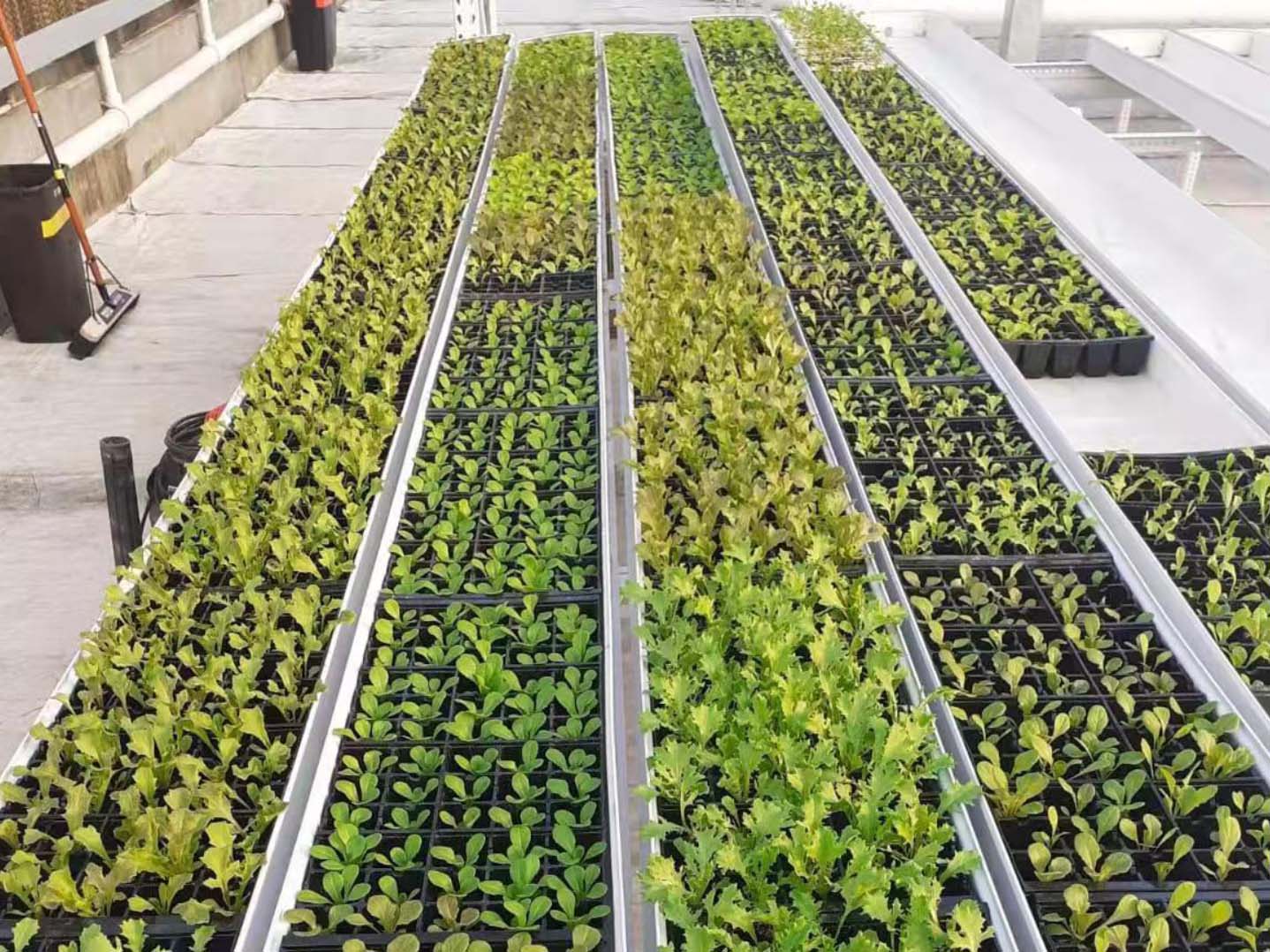
A hydroponic flood tray is a shallow growing tray designed to temporarily hold nutrient solution during irrigation. It is usually installed on a suitable bench, rack, or growing table and connected to a reservoir, pump, and drainage system.
Unlike a standard plant tray that only holds pots or seedlings, a flood tray is designed to work as part of a flood and drain irrigation system. During the flooding stage, nutrient solution enters the tray and contacts the bottom of the pots or growing media. After the irrigation period, the solution drains away, returning to the reservoir for reuse when the system is designed for recirculation.
Hydroponic flood trays can be used with growing media such as expanded clay pellets, Rockwool, and other suitable substrates. The correct setup depends on the crop, container design, and irrigation requirements.
Start by selecting a flood tray that suits your growing area, crop type, and irrigation setup. Consider the tray's dimensions, depth, material, drainage design, and load-bearing requirements.
For commercial greenhouse production, the tray should fit the growing bench and provide enough space for the planned number of pots or plants. A tray that is too small may limit planting capacity, while one that is too large may require more water and a different irrigation configuration.
Before purchasing a hydroponic flood tray, check whether its drainage outlets and fittings are compatible with your plumbing system.
Place the hydroponic growing tray on a stable bench, rack, or support structure designed to carry the combined weight of the tray, plants, growing media, and water.
The tray should be installed according to the manufacturer's instructions. Check that the support is level where required and that the drainage outlet can operate correctly. Poor support or incorrect installation may cause uneven water distribution, pooling, or structural stress.
For larger greenhouse installations, confirm the load capacity of the complete bench and tray system before filling it with water.
A typical ebb and flow hydroponic system includes a nutrient reservoir, water pump, supply pipe, flood tray, and drainage connection.
Connect the pump to the tray's inlet and ensure that the drain or return line directs excess nutrient solution back to the reservoir, where applicable. Follow the manufacturer's plumbing instructions and check that all fittings are secure.
Before adding plants, run a test cycle with clean water. Observe whether the tray fills evenly, whether the water reaches the intended level, and whether the tray drains properly after the pump stops.
Choose growing media according to your crop and system design. Common options include Rockwool, expanded clay pellets, and other suitable hydroponic substrates.
Place the growing media in compatible pots or containers and arrange them in the flood tray. Ensure that the bottoms of the containers can contact the nutrient solution during the flooding stage without allowing plants to become unnecessarily submerged.
For seedling production, use suitable propagation containers and transplant seedlings when they are ready. Different crops have different root and moisture requirements, so the container arrangement should support adequate root development and drainage.
Fill the reservoir with water and add a hydroponic nutrient solution formulated for your crop and growth stage. Follow the nutrient manufacturer's mixing instructions rather than using the same concentration for every plant.
Measure and adjust pH and electrical conductivity (EC) according to the needs of your crop. These measurements help you monitor nutrient availability and solution strength.
Keep the reservoir clean and check water temperature where necessary. Nutrient requirements can change as plants grow, so regular monitoring is more reliable than following a fixed nutrient concentration throughout the entire growing cycle.
Once the system is ready, activate the pump to move nutrient solution from the reservoir into the hydroponic flood tray.
During flooding, the solution reaches the lower part of the pots or growing media, allowing moisture and nutrients to move toward the roots. The pump then stops, and the solution drains back into the reservoir if the system uses recirculating drainage.
The timing and frequency of each cycle depend on the crop, growing media, root development, tray depth, and environmental conditions. There is no single flooding schedule that works for every hydroponic system.
Start with the equipment manufacturer's recommendations and observe the moisture level in the growing media between cycles. Adjust the schedule to avoid both excessive drying and prolonged waterlogging.
After planting, inspect the system regularly to confirm that the flood tray fills and drains as expected.
Check for:
Uneven water distribution across the tray
Blocked drainage outlets or return pipes
Leaks around fittings and connections
Unusual changes in reservoir water level
Nutrient solution pH and EC outside the target range
Signs of root stress or persistently waterlogged growing media
Early checks help identify irrigation problems before they affect a large number of plants.
Routine maintenance helps keep the flood and drain system operating reliably. Remove plant debris, algae buildup, and growing media that may block drainage outlets. Clean the tray and relevant components between crop cycles using cleaning products and procedures suitable for the tray material and the intended crop.
Inspect the tray for cracks, warping, and damaged fittings. Also check the pump, pipes, reservoir, and drainage connections.
For commercial greenhouses, a regular cleaning and inspection schedule can help reduce downtime and support consistent crop management.
A hydroponic flood tray can support a variety of crops when the tray, growing media, and irrigation schedule are matched to the plants' needs.
Leafy Greens: Lettuce, spinach, and other leafy greens can be grown in suitable pots or growing media placed in a flood tray.
Herbs: Basil, mint, and other herbs may be suitable for flood and drain systems, depending on their moisture and root requirements.
Seedlings and Propagation Crops: Flood trays can support propagation containers and young plants when the irrigation cycle is appropriate for the growing media.
Selected Fruiting Crops: Some fruiting crops can be grown in flood trays, but they may require larger containers, additional support, and a more carefully managed irrigation schedule.
Not every hydroponic crop is best suited to ebb and flow irrigation. Consider the plant's root system, mature size, water requirements, and production cycle before choosing a tray-based growing method.
Prolonged flooding can leave some growing media excessively wet and limit the air available to roots. Adjust the flood duration and drainage period according to the crop and substrate.
Blocked outlets or incorrectly installed return pipes can leave nutrient solution standing in the tray. Test drainage before planting and keep outlets clear during operation.
Water and wet growing media can add considerable weight to a growing bench. Use a support system rated for the full operating load.
Adding water alone does not always restore the correct nutrient balance. Monitor pH and EC and replenish nutrients according to crop requirements and the nutrient manufacturer's guidance.
A tray that does not match the bench, pot arrangement, or irrigation system can reduce usable growing space and make water management more difficult. Confirm dimensions and connection requirements before ordering.
When selecting a hydroponic flood tray for sale, consider the following factors:
Tray dimensions: Match the tray to your bench, rack, or available growing area.
Tray depth: Select a depth appropriate for the required flooding level and growing containers.
Material: Choose a material suitable for repeated exposure to water, nutrients, cleaning, and the intended growing environment.
Drainage design: Confirm that the inlet, outlet, and return system are compatible with your irrigation equipment.
Load capacity: Ensure that the tray and its support structure can handle the total operating weight.
Crop and growing method: Match the tray configuration to your plants, growing media, and irrigation cycle.
Customization requirements: For commercial projects, confirm available dimensions, fittings, and other specifications with the manufacturer.
For greenhouse operators and hydroponic equipment distributors, selecting the right tray from the beginning can simplify installation, maintenance, and future system expansion.
Choosing a suitable hydroponic flood tray helps create a practical foundation for an ebb and flow growing system. The tray should fit your growing layout, work with your irrigation equipment, and meet the demands of your intended crops.
Our hydroponic flood tray solutions are designed for use in hydroponic growing environments, including home growing setups and commercial greenhouse projects. Buyers can evaluate tray dimensions, material specifications, drainage compatibility, and installation requirements to identify the right option for their system.
If you are planning a new hydroponic installation or upgrading an existing growing bench, contact us with your required tray size, application, and estimated order quantity to discuss available product options.
A hydroponic flood tray temporarily holds nutrient solution during irrigation in an ebb and flow system. It allows the solution to reach the pots or growing media before draining away through the system's return line.
Flooding frequency depends on the crop, growing media, root development, temperature, humidity, and system design. Follow the equipment manufacturer's guidance and monitor the moisture level in the growing media rather than relying on a universal schedule.
A conventional ebb and flow setup typically uses a pump to move nutrient solution from a reservoir into the tray. The complete system also needs a suitable drainage arrangement to remove the solution after flooding.
Common options include rockwool, expanded clay pellets, and other suitable hydroponic substrates. The best choice depends on the crop, container design, drainage characteristics, and irrigation schedule.
Yes. Flood trays can be used for seedling propagation when the tray, containers, growing media, and irrigation schedule are appropriate for young plants. Seedlings generally require careful moisture management to avoid drying out or becoming waterlogged.
Check that the tray is installed correctly and that the drain outlet and return pipe are not blocked. Test the system with water before planting and inspect the drainage components regularly.
Yes. Flood trays are used in suitable greenhouse and indoor growing systems. For commercial installations, confirm the tray dimensions, support capacity, drainage design, irrigation requirements, and compatibility with the planned crop.
Remove plant debris and residue, clear the drainage outlets, and clean the tray between crop cycles using a procedure suitable for the tray material and growing application. Rinse as required by the cleaning product instructions.
A standard growing tray may simply hold pots or seedlings. A hydroponic flood tray is specifically designed to work with a flooding and drainage setup that temporarily delivers nutrient solution to plants or their growing media.
You can contact a hydroponic equipment manufacturer or supplier to compare tray sizes, materials, drainage configurations, and bulk order options. Provide your growing method and installation dimensions to help identify a compatible product.
A properly selected hydroponic flood tray can help simplify nutrient delivery and water management in an ebb and flow hydroponic setup. By matching the tray to your growing media, crop requirements, drainage system, and available space, you can build a growing environment that is easier to operate and maintain.
Looking for a hydroponic flood tray for a greenhouse, indoor farm, or commercial growing project? Contact us to discuss your application, required dimensions, and order quantity.

G and N is serving for more than 1,000 customers over 122 countries around the world, offering high-quality products and services to global customers.
Copyright © 2026 G AND N FORTUNE LIMITED All rights reserved.


