
 English

News
Focus on G AND N FORTUNE LIMITED - Get to know the new information of the industry quickly!

2026-10-22 11:24:36
NFT vs DWC is a common comparison among growers choosing a hydroponic growing system for leafy greens, herbs, and commercial greenhouse production. Both methods grow plants without traditional soil, using nutrient-rich water to supply essential minerals. However, they differ in how the nutrient solution reaches the roots, how oxygen is supplied, and what equipment is required.
NFT, or Nutrient Film Technique, delivers a shallow stream of nutrient solution through growing channels. DWC, or Deep Water Culture, suspends plant roots in a larger volume of oxygenated nutrient solution. Each method has advantages and limitations, so the right choice depends on the crop, growing environment, budget, and production goals.
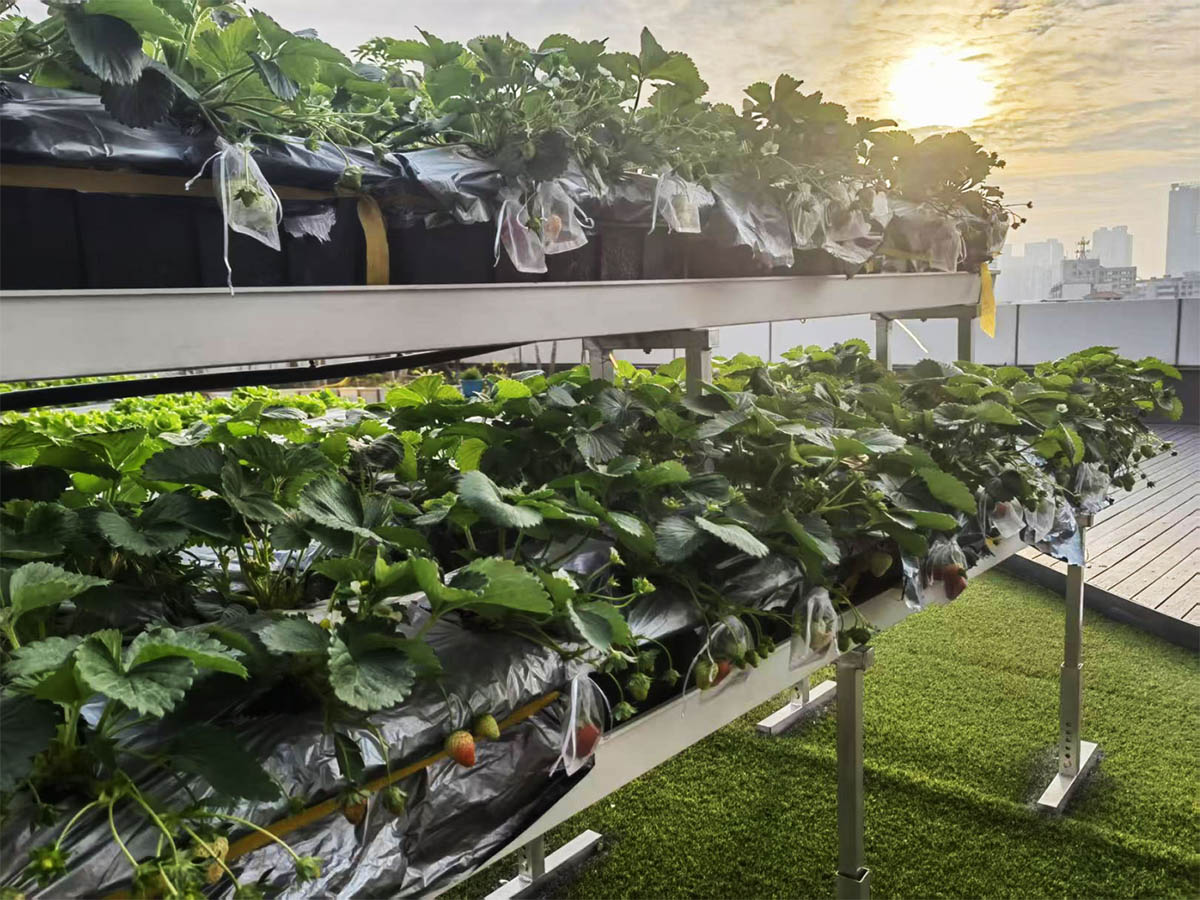
NFT stands for Nutrient Film Technique. It is a hydroponic growing method in which a thin layer of nutrient solution flows along the bottom of slightly sloped channels, passing over the roots of plants before returning to a reservoir.
An NFT hydroponic system commonly consists of growing channels, Net Pots, a nutrient reservoir, a water pump, supply pipes, and a drainage or return line. Plants are usually supported in net pots placed in openings along the channels, allowing their roots to extend into the flowing nutrient solution.
Because the nutrient solution is relatively shallow, part of the root system can remain exposed to air, depending on the channel design and flow conditions. This combination of water and root-zone air makes NFT a popular choice for growing leafy vegetables and herbs.
Continuous nutrient circulation: A pump supplies nutrient solution to the growing channels, allowing water and dissolved minerals to reach plant roots.
Space-efficient growing channels: Long NFT hydroponic channels can be arranged in rows or integrated into greenhouse benches and multi-row growing layouts.
Relatively low nutrient solution volume: Compared with many DWC setups, NFT systems generally operate with a smaller volume of nutrient solution within the growing channels.
Convenient plant organization: Individual planting holes help growers arrange crops at consistent spacing and simplify routine harvesting and maintenance.
NFT hydroponic systems are widely used for lettuce, spinach, kale, basil, and other leafy greens or herbs that suit the channel environment.
For commercial growers, selecting the right NFT hydroponic channels involves more than choosing a channel length. Important considerations include channel dimensions, planting-hole spacing, slope, flow rate, drainage design, material, and compatibility with the irrigation system.
NFT systems also depend on reliable water circulation. If the pump fails or the nutrient flow is interrupted, exposed roots can dry out relatively quickly, especially in warm conditions. Backup planning and regular system checks are therefore important for commercial production.
DWC stands for Deep Water Culture. In this method, plants are usually held in net pots or raft openings, with their roots extending directly into a reservoir or growing tank filled with nutrient solution.
Unlike NFT, which sends a shallow stream through channels, a DWC hydroponic system maintains a larger body of nutrient solution around the roots. An air pump and air stones are commonly used to provide oxygen, helping prevent root suffocation in the water-based growing environment.
DWC can be configured as individual buckets, connected containers, or larger tanks with floating rafts. The exact design depends on the growing scale and the type of plants being cultivated.
Direct root contact with nutrient solution: Plant roots remain immersed in nutrient-rich water, giving them direct access to water and dissolved minerals.
Active oxygen supply: Air pumps and diffusers are commonly used to maintain dissolved oxygen levels in the growing solution.
A larger water reservoir: The greater solution volume can help buffer short-term changes in nutrient concentration, although temperature, pH, and nutrient levels still require monitoring.
Flexible growing configurations: DWC can be used in small buckets for hobby growing or in larger raft-based systems for commercial leafy-green production.
DWC is commonly used for lettuce, leafy greens, and certain herbs. It can be suitable for growers who prefer a water-based growing tank or raft system rather than long, narrow channels.
However, the larger volume of nutrient solution does not eliminate the need for monitoring. High water temperatures and inadequate aeration can reduce dissolved oxygen and damage roots. Reliable aeration, water circulation where needed, and appropriate nutrient management are essential.
The main difference between NFT and DWC is the root environment. NFT exposes roots to a shallow, flowing nutrient solution, while DWC keeps roots immersed in a larger volume of oxygenated water.
| Comparison Factor | NFT Hydroponic System | DWC Hydroponic System |
|---|---|---|
| Full Name | Nutrient Film Technique | Deep Water Culture |
| Root Environment | Shallow, flowing nutrient solution | Roots immersed in nutrient solution |
| Common Equipment | Channels, reservoir, pump, pipes, net pots | Tank or buckets, net pots or rafts, air pump, air stones |
| Oxygen Supply | Root-zone air exposure and water-flow design | Usually supplied through active aeration |
| Nutrient Solution Volume | Generally lower within the growing channels | Generally larger in the growing tank |
| Space Configuration | Long channels arranged in rows | Buckets, tanks, or raft-based growing areas |
| Common Crops | Lettuce, spinach, basil, and leafy greens | Lettuce, leafy greens, and selected herbs |
| Main Management Priority | Stable flow, channel slope, and drainage | Dissolved oxygen, water temperature, and nutrient solution quality |
| Potential Weakness | Flow interruption can quickly affect exposed roots | Poor aeration or excessive water temperature can stress roots |
Neither system is universally better. The best choice depends on the crop, available space, equipment budget, and the grower's ability to maintain stable growing conditions.
The answer depends on the size and design of the installation.
An NFT system requires careful attention to channel slope, water distribution, flow rate, and drainage. The channels must be installed correctly so that nutrient solution reaches the roots without creating unwanted pooling or dry areas. Once properly configured, a well-designed system can support orderly, continuous planting.
A DWC system may be straightforward to assemble using a suitable tank, net pots, and an aeration setup. However, growers must maintain adequate oxygen levels and monitor the temperature and quality of the nutrient solution. Larger tanks also require suitable structural support because water is heavy.
For small-scale growing, either method can work well. For commercial production, setup complexity should be evaluated alongside maintenance, labor requirements, crop density, and the consequences of equipment failure.
Lettuce is a common crop for both NFT and DWC systems, making it useful when comparing the two methods.
NFT is often chosen for commercial lettuce production because growing channels can be arranged in organized rows, making planting, harvesting, and greenhouse workflow easier to manage. A well-designed NFT hydroponic channel system can accommodate multiple plants while circulating nutrient solution through the growing area.
DWC is also suitable for lettuce, particularly in raft-based systems where plants are supported above a tank of oxygenated nutrient solution. The larger water volume can provide some buffering against rapid changes in solution concentration, but the system still requires careful oxygen and temperature management.
When deciding between NFT and DWC for lettuce, growers should consider:
Available greenhouse or indoor growing space
Number of plants and desired planting density
Initial equipment and installation costs
Water and nutrient management requirements
Pump, aeration, and backup-system needs
Cleaning, harvesting, and routine maintenance
Local temperature and environmental conditions
The growing method alone does not determine yield or quality. Plant variety, lighting, temperature, nutrient balance, and day-to-day management all play important roles.
Both NFT and DWC require a balanced nutrient solution containing the minerals needed for plant growth. However, their different root environments affect how growers manage water and oxygen.
In NFT, the solution circulates through the channels and returns to a reservoir in a recirculating configuration. Growers need to maintain appropriate flow and ensure that roots receive sufficient moisture. Because the solution volume in the channels is relatively small, interruptions in circulation can become a problem quickly.
In DWC, the roots remain in a larger body of nutrient solution. The water volume may help moderate short-term fluctuations, but dissolved oxygen becomes particularly important. Growers typically use aeration equipment and monitor water temperature to maintain suitable root conditions.
For both methods, pH and electrical conductivity (EC) are useful measurements for monitoring nutrient solution conditions. Water quality, sanitation, and regular inspection help reduce the risk of root problems.
There is no universal cost winner between NFT and DWC. Total costs depend on system size, materials, installation, labor, energy consumption, maintenance, and local growing conditions.
An NFT installation may require growing channels, support structures, pumps, reservoirs, plumbing, and careful layout work. Long channel systems can make efficient use of greenhouse space, but poor installation or inadequate drainage can lead to operational problems.
A DWC installation may require tanks or buckets, rafts or plant holders, air pumps, diffusers, and supporting structures. Larger tanks increase the amount of water the structure must support, while aeration equipment adds ongoing energy and maintenance requirements.
When comparing quotes, growers should look beyond the price of the main growing component. Consider the complete equipment list, installation requirements, spare parts, cleaning needs, expected service life, and the cost of preventing system downtime.
Before selecting NFT or DWC, assess the growing project as a whole.
Choose based on crop requirements. Leafy greens and herbs can suit either system, but plant size, root structure, growing cycle, and planting density influence the final design.
Evaluate the growing area. NFT Channels are useful for organized rows and long planting lines. DWC may be more suitable where tank or raft configurations fit the available space.
Check water and oxygen management. NFT requires reliable nutrient circulation. DWC requires adequate aeration and careful control of water temperature and dissolved oxygen.
Compare complete system costs. Include channels or tanks, pumps, plumbing, aeration equipment, support structures, installation, and maintenance.
Plan for equipment failure. NFT growers should consider backup pumping or other measures to protect roots if circulation stops. DWC growers should consider how to maintain aeration if an air pump fails.
Consider cleaning and maintenance. Components should be accessible for inspection, cleaning, and replacement. The easier a system is to maintain, the easier it may be to manage at commercial scale.
Not in every situation. NFT is useful for channel-based growing layouts and can be efficient for leafy greens. DWC provides a larger reservoir of nutrient solution and is well suited to tank- or raft-based production. The better option depends on the crop, space, budget, and management requirements.
Yes. Lettuce is commonly grown in both systems. NFT uses shallow flowing nutrient solution, while DWC keeps the roots immersed in oxygenated nutrient solution. Suitable varieties and proper environmental management are important for both methods.
NFT generally holds less nutrient solution within its growing channels than a typical DWC setup. However, total water consumption depends on plant transpiration, evaporation, leakage, system design, and whether the nutrient solution is recirculated. A smaller solution volume does not automatically mean lower total water consumption in every installation.
Most conventional DWC systems use an air pump and air stones or diffusers to provide oxygen to the nutrient solution. Adequate dissolved oxygen is important because the plant roots remain submerged.
A typical NFT setup includes growing channels, plant holders or net pots, a nutrient reservoir, a water pump, supply pipes, and a drainage or return line. Additional monitoring and backup equipment may be appropriate for commercial installations.
Both can support commercial production. NFT is often attractive for organized channel-based growing, while DWC is useful for tank- and raft-based cultivation. Commercial growers should compare system design, crop requirements, labor, maintenance, and operating costs before investing.
NFT and DWC are two widely used hydroponic growing methods, but they create different environments for plant roots. NFT delivers a shallow stream of nutrient solution through channels, while DWC keeps roots immersed in a larger volume of oxygenated water.
For growers planning a hydroponic farm, the right system depends on the crop, growing layout, water and oxygen management, budget, and maintenance capacity. By understanding these differences, growers can choose equipment that supports their production goals and long-term operating needs.

G and N is serving for more than 1,000 customers over 122 countries around the world, offering high-quality products and services to global customers.
Copyright © 2026 G AND N FORTUNE LIMITED All rights reserved.


