
 English

News
Focus on G AND N FORTUNE LIMITED - Get to know the new information of the industry quickly!

2026-07-14 11:26:35
With the development of modern agriculture, more growers are looking for efficient and sustainable planting methods. One of the most popular solutions is the hydroponic system, a soil-free growing technology that allows plants to grow using nutrient-rich water instead of traditional soil.
So, what is hydroponic system? A hydroponic system is a method of cultivating plants by delivering water, nutrients, and oxygen directly to plant roots through a controlled growing environment. By using advanced irrigation technology, growers can achieve higher productivity, better resource efficiency, and cleaner crop production.
Today, hydroponic systems are widely used in home gardening, commercial greenhouses, indoor farming, and vertical agriculture.
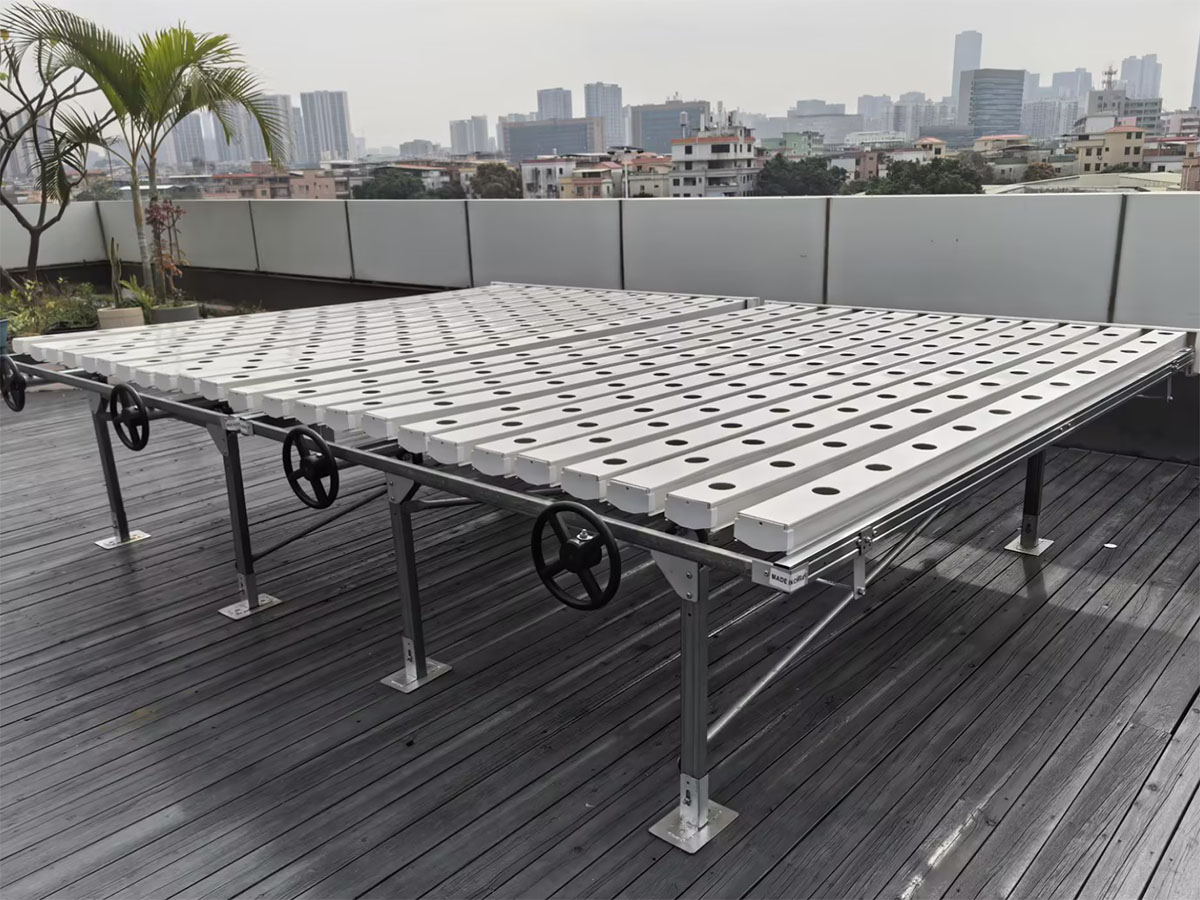
A hydroponic system is a soilless cultivation method that uses water mixed with essential nutrients to support plant growth. Instead of relying on soil to provide nutrients, plants receive everything they need directly through a carefully controlled nutrient solution.
In a traditional growing method, plant roots must search through soil to absorb nutrients and water. However, in a hydroponics system, nutrients are delivered directly to the root zone, allowing plants to grow more efficiently.
A complete hydroponic growing system usually includes:
Water reservoir
Water pump
Growing channels or pipes
Growing media
Nutrient solution
Depending on the design, different types of hydroponic systems can be used for various crops and growing environments.
The working principle of a hydroponic growing system is based on controlled nutrient delivery.
The process starts by mixing water with hydroponic nutrients inside a reservoir.
The nutrient solution contains essential elements such as:
Nitrogen
Phosphorus
Potassium
Calcium
Magnesium
Trace minerals
The balance of nutrients helps plants achieve healthy growth.
A water pump moves the nutrient solution from the reservoir to the growing area.
Depending on the type of hydroponic system, the solution can be delivered through:
Hydroponic channels
Growing pipes
Drip irrigation systems
Floating rafts
The roots absorb nutrients directly from the circulating water.
Unlike soil cultivation, hydroponic systems provide better control over oxygen availability.
Plant roots receive:
Water
Nutrients
Oxygen
This improves root development and supports faster plant growth.
Many modern hydroponic systems use a closed-loop circulation design.
Unused nutrient solution flows back into the reservoir and is reused, helping:
Reduce water consumption
Minimize fertilizer waste
Improve sustainability
Different crops and applications require different hydroponic methods.
The NFT hydroponic system (Nutrient Film Technique) is one of the most widely used hydroponic technologies.
In this system:
A thin layer of nutrient solution flows through NFT Channels
Plant roots absorb nutrients continuously
Excess solution returns to the reservoir
NFT systems are especially suitable for:
Lettuce
Leafy vegetables
Herbs
Common components include:
NFT channels
NFT hydroponic channels
Water pumps
Growing cups
DWC (Deep Water Culture) is a method where plant roots are suspended directly in nutrient-rich water.
Advantages:
Simple structure
Good root hydration
Suitable for beginners
Also called:
Flood and Drain System
This system works by periodically flooding the growing tray with nutrient solution and then draining it back to the reservoir.
It is commonly used for:
Seedlings
Flowers
Vegetables
A vertical hydroponic system uses stacked growing structures to increase planting capacity while saving space.
Common products include:
Hydroponic towers
Vertical grow towers
Vertical hydroponic gardens
It is ideal for:
Apartments
Indoor farming
Urban agriculture
One of the biggest advantages of a hydroponic growing system is efficient water usage.
Because nutrient solution can be recycled, hydroponics consumes much less water compared with traditional farming.
Plants receive nutrients directly at the roots, which can improve:
Growth speed
Crop consistency
Production efficiency
Hydroponic systems are suitable for areas with limited land.
They are widely used in:
Indoor gardens
Balconies
Rooftop farms
Vertical farms
Since no soil is required, hydroponics can reduce:
Weed problems
Soil-borne diseases
Soil contamination
Growers can precisely manage:
Nutrient levels
Water quality
pH value
Lighting conditions
Growing environment
This makes hydroponics suitable for controlled agriculture.
A hydroponic system can support a wide variety of plants.
Lettuce
Spinach
Kale
Bok choy
Arugula
Basil
Mint
Cilantro
Parsley
Strawberries
Tomatoes
Cucumbers
Flowers
Seedlings
Among them, leafy vegetables are the most common crops for commercial hydroponic vegetable growing systems.
Small home hydroponic systems allow families to grow fresh vegetables indoors or on balconies.
Commercial growers use hydroponics to improve productivity and achieve stable crop quality.
An indoor hydroponic system allows year-round cultivation regardless of outdoor weather conditions.
Combined with vertical structures, hydroponics helps maximize production in limited urban spaces.
A hydroponic growing system provides an efficient solution for modern agriculture by combining technology with sustainable farming practices.
Main advantages include:
No soil required
Reduced water usage
Efficient nutrient management
Space-saving design
Cleaner crop production
Easy automation
Suitable for different environments
Whether for home gardening or commercial farming, hydroponic technology provides a reliable way to grow fresh plants efficiently.

G and N is serving for more than 1,000 customers over 122 countries around the world, offering high-quality products and services to global customers.
Copyright © 2026 G AND N FORTUNE LIMITED All rights reserved.


