

 English

News
Focus on G AND N FORTUNE LIMITED - Get to know the new information of the industry quickly!

2026-07-14 11:16:17
NFT hydroponics is one of the most popular and efficient hydroponic growing methods used for cultivating leafy vegetables, herbs, and other crops. Many growers search for what is NFT hydroponics because they want to understand how this soil-free growing technology works and why it is widely used in modern agriculture.
NFT stands for Nutrient Film Technique, a hydroponic method that uses a thin layer of nutrient-rich water flowing continuously through specially designed NFT Channels. This allows plant roots to absorb water, nutrients, and oxygen while reducing water consumption and maximizing growing efficiency.
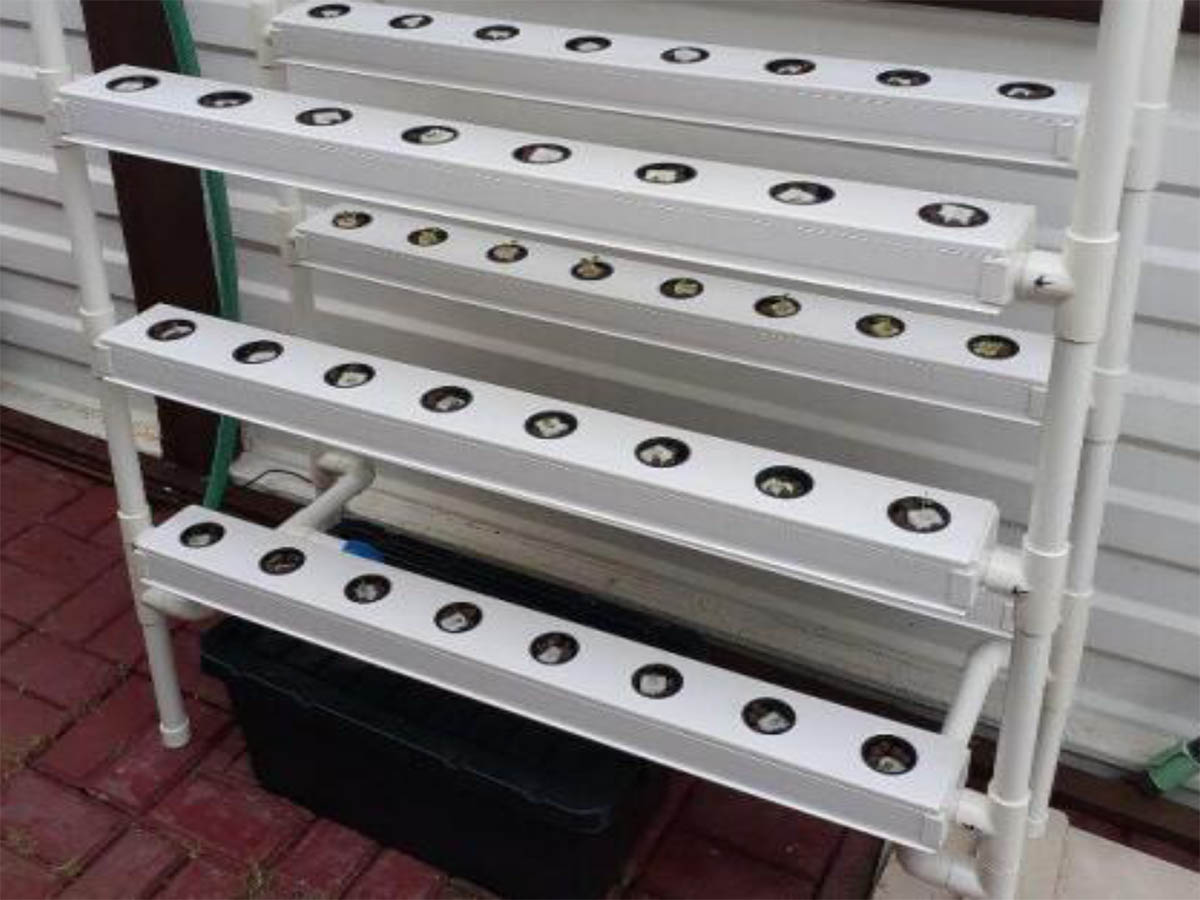
NFT hydroponics is a soilless cultivation system where plants grow inside hydroponic channels instead of soil. A nutrient solution is pumped from a reservoir into the upper end of the NFT channel, then flows slowly along the bottom of the channel before returning to the tank.
Unlike traditional hydroponic methods where plant roots are fully submerged, NFT systems provide a shallow stream of nutrient solution. This creates a balance between:
Water supply
Nutrient absorption
Root oxygenation
The result is healthier root development and faster plant growth.
A complete NFT hydroponic system usually includes:
NFT channels
Water reservoir
Water pump
Growing pipes
Growing media
Irrigation fittings
The working principle of an NFT system hydroponics setup is based on continuous nutrient circulation.
The process starts with a reservoir containing water mixed with essential plant nutrients.
The nutrient solution provides plants with:
Nitrogen
Phosphorus
Potassium
Calcium
Magnesium
Trace minerals
The water quality, pH level, and nutrient concentration can be adjusted according to different crops.
A water pump transfers the nutrient solution from the reservoir to the top of the NFT hydroponic channels.
The solution then enters the growing area through the inlet pipe.
The design of the NFT channel hydroponics system allows the nutrient solution to flow evenly across the root zone.
The key feature of NFT is the "nutrient film."
Inside the NFT channels for hydroponics, only a thin layer of nutrient solution flows along the bottom surface.
The plant roots are positioned inside the NFT hydroponics channel, allowing them to:
Absorb nutrients from the flowing water
Receive oxygen from the exposed root area
Continue growing without soil
This unique structure makes hydroponic NFT channels highly efficient for plant production.
Plants are usually placed inside:
Net pots
Seedling Sponges
Growing media
The roots extend into the hydroponic grow channels and directly contact the nutrient solution.
Because nutrients are delivered directly to the roots, plants do not need to spend energy searching for nutrients like they do in soil.
This helps improve:
Growth speed
Root health
Crop consistency
After flowing through the NFT channel, unused nutrient solution returns to the reservoir.
The system repeats this cycle continuously:
Reservoir → Pump → NFT Channels → Plant Roots → Reservoir
This closed-loop design is why NFT systems are considered water-efficient compared with traditional agriculture.
NFT channels are the most important part of the system. They provide the growing space where plants develop.
Common materials include:
Food-grade PVC
PP plastic
PE materials
High-quality NFT channels for hydroponics are designed to:
Block light and reduce algae growth
Provide smooth nutrient flow
Support long-term agricultural use
An individual NFT channel is the growing unit where plants are installed.
Depending on the application, NFT channels can have different:
Lengths
Widths
Hole spacing
Plant capacities
Common sizes are designed for crops such as lettuce, herbs, and leafy vegetables.
The pump controls nutrient circulation and ensures plants receive a continuous supply of water and nutrients.
The reservoir stores and maintains the nutrient solution.
Growers can monitor:
pH value
EC level
Water temperature
to maintain ideal growing conditions.
Because nutrient solution is continuously recycled, NFT hydroponics systems use much less water than traditional soil farming.
NFT systems can be installed horizontally or vertically, making them suitable for:
Indoor farming
Greenhouses
Urban agriculture
Vertical farming
Direct nutrient delivery allows plants to absorb essential elements more efficiently.
Without soil, NFT systems reduce:
Weeds
Soil contamination
Soil-borne diseases
Plants grown in hydroponic channels are easier to manage and harvest compared with traditional farming.
NFT hydroponic systems are commonly used for:
Lettuce
Spinach
Kale
Pak Choi
Arugula
Basil
Mint
Cilantro
Parsley
Some growers also use NFT systems for:
Strawberries
Seedlings
Specialty crops
For certain controlled applications, NFT can also be adapted for crops such as cannabis, often referred to as NFT for cannabis, although system design requirements vary depending on the crop.
Compared with other hydroponic methods, NFT offers:
| Feature | NFT Hydroponics |
|---|---|
| Growing method | Thin nutrient film circulation |
| Soil required | No |
| Water usage | Low |
| Root oxygen supply | High |
| Automation level | High |
| Suitable crops | Leafy vegetables and herbs |
A well-designed NFT hydroponic system provides an efficient solution for both home growers and commercial farmers.
Benefits include:
High productivity
Reduced water consumption
Lower maintenance
Better nutrient control
Space-saving design
Cleaner growing environment
Whether used for home gardening or commercial production, NFT system hydroponics offers a reliable approach to modern soilless farming.

G and N is serving for more than 1,000 customers over 122 countries around the world, offering high-quality products and services to global customers.
Copyright © 2026 G AND N FORTUNE LIMITED All rights reserved.


