

 English

News
Focus on G AND N FORTUNE LIMITED - Get to know the new information of the industry quickly!

2026-03-26 15:15:29
A fodder growing system is a great way to produce fresh, nutritious feed for livestock, particularly in environments where traditional forage is scarce or expensive. These systems can be customized based on available space, budget, and specific needs. Below is a comprehensive guide on how to build a fodder growing system that can efficiently produce high-quality fodder for animals.
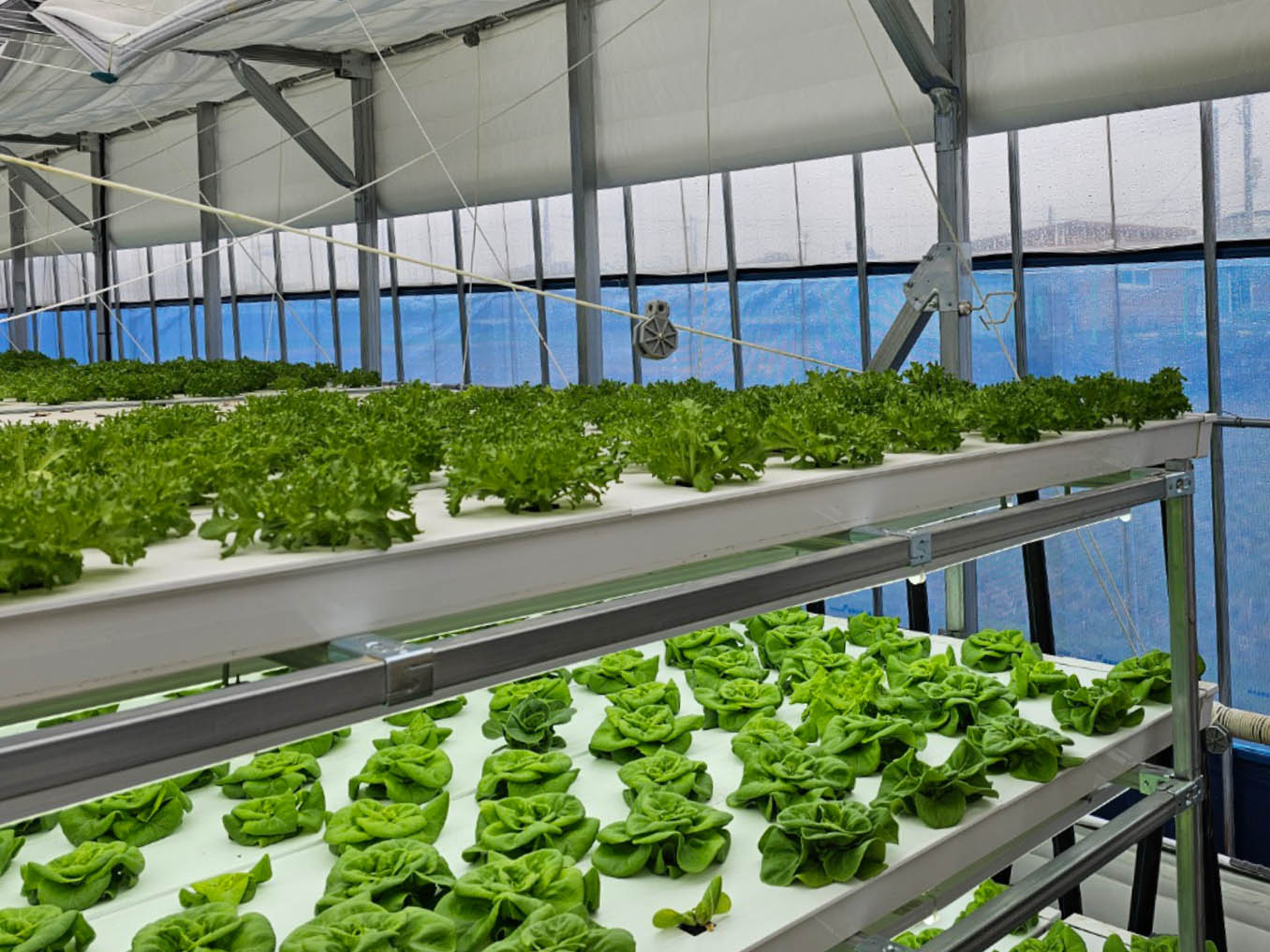
Fodder growing systems, particularly hydroponic ones, offer a sustainable and cost-effective way to grow animal feed. These systems are typically designed to cultivate grasses such as barley, oats, and wheat in a controlled environment, using water and nutrients instead of soil. The most common type of system used for growing fodder is the hydroponic fodder growing system, which eliminates the need for traditional soil-based farming.
Fodder Growing Tray (Flat-Bottom Type): These trays are essential for the hydroponic growing process. They allow water to flow freely and ensure that the roots of the plants have access to oxygen. The flat-bottom type is often preferred as it ensures an even distribution of water.
Multi-layer Fodder Cultivation Tray: This design optimizes space by allowing multiple layers of trays to be stacked, each growing a separate batch of fodder. It is ideal for urban farms or areas where space is limited.
hydroponic systems: A fully integrated system where trays are connected to water pumps and reservoirs, providing the plants with consistent moisture and nutrients.
There are different types of fodder growing systems to choose from, depending on the scale and space available. The multi-layer fodder growing system is ideal for maximizing space in smaller areas. For larger operations, you can use multiple single fodder growing trays.
The fodder growing tray is the foundation of the system. You can choose between various types, including the flat-bottom type or more specialized trays like those used in Vertical farming. The flat-bottom type ensures proper water drainage, which is vital for plant health.
A hydroponic fodder growing system relies on water and nutrients to nourish the plants. You’ll need to install a water reservoir, pump, and irrigation system. The water should be recirculated to ensure efficiency and minimize waste. Set up an automated watering schedule to keep the plants hydrated but avoid overwatering.
While hydroponic systems don’t use soil, a growing medium such as hydroponic fodder growing trays that allow seeds to sprout and grow roots can be used. You can choose from materials like coconut coir, peat moss, or even specialized hydroponic mats.
The most common fodder crops include barley, oats, and wheat. You can experiment with other grains to suit your livestock’s dietary needs. Purchase high-quality, untreated seeds to ensure that they sprout well.
If you are growing indoors, consider adding grow lights to ensure that the fodder gets the necessary light for photosynthesis. A multi-layer fodder growing system may require supplemental lighting on each layer. Ensure that the temperature and humidity are controlled to maintain optimal growth conditions.
Once the system is up and running, you will need to regularly monitor the water levels, nutrient concentration, and overall plant health. Clean the trays and components to prevent mold or algae buildup.
Cost-Effective: With a fodder growing system, you can reduce your dependency on commercial feed, which can be expensive, especially in large quantities.
Sustainability: Hydroponic systems use less water than traditional farming and allow you to grow feed locally, reducing transportation costs and carbon emissions.
Nutrient-Dense Feed: Fodder grown in hydroponic systems is rich in nutrients, making it an excellent option for feeding livestock, particularly during off-seasons when natural forage is unavailable.
If you're not keen on building a system from scratch, there are plenty of fodder growing systems for sale on the market. These systems come in different sizes and configurations, from small-scale home setups to large commercial systems. Many manufacturers offer hydroponic fodder growing systems with fully integrated features, including trays, irrigation, lighting, and even automation options for larger operations.
Building a fodder growing system can significantly enhance your ability to provide fresh, high-quality feed for your livestock. Whether you opt for a multi-layer fodder cultivation tray or a hydroponic fodder growing system, you’ll be able to create an efficient and sustainable solution that meets the needs of your animals. By selecting the right materials, seeds, and setup, you can ensure a steady supply of fodder year-round, improving both the health of your livestock and your overall farming efficiency.
If you are interested in expanding your fodder growing capabilities, look for fodder growing systems for sale that meet your needs and budget, or start planning your own customized solution today!

G and N is serving for more than 1,000 customers over 122 countries around the world, offering high-quality products and services to global customers.
Copyright © 2026 G AND N FORTUNE LIMITED All rights reserved.


