

 English

News
Focus on G AND N FORTUNE LIMITED - Get to know the new information of the industry quickly!

2026-03-26 15:26:27
A Dutch Bucket system is a highly efficient and versatile method used in hydroponic and aquaponic farming, ideal for growing a variety of crops, especially those with larger root systems like tomatoes, cucumbers, and peppers. This system has gained popularity due to its ability to provide a stable environment for plant growth while using less water and space compared to traditional soil-based methods.
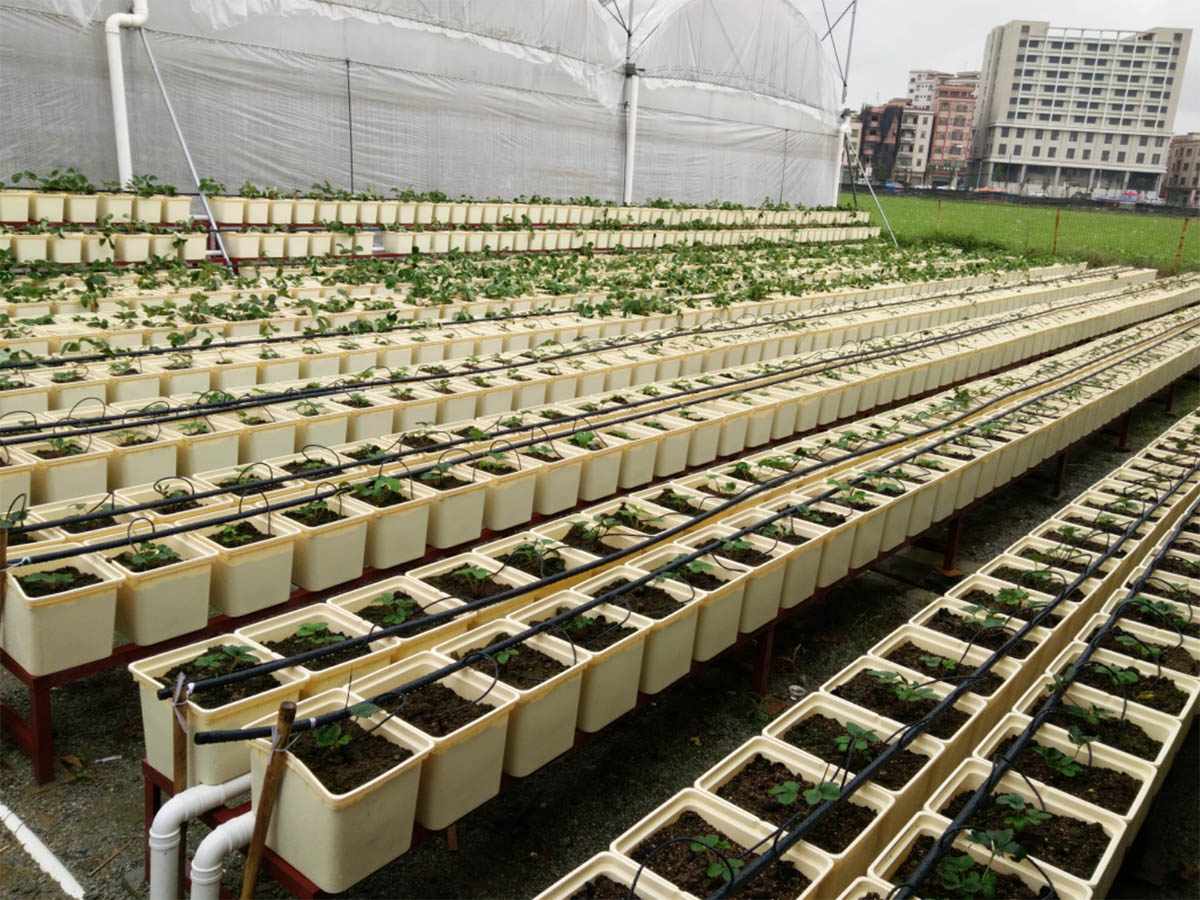
A Dutch bucket system, also known as the Dutch Bato bucket, is a hydroponic or Aquaponic System that uses individual buckets to hold plants. Each bucket is filled with a growing medium, usually expanded clay pellets or Perlite, and the plants' roots are suspended in this medium. Nutrient-rich water is circulated through the buckets, providing the plants with the nutrients they need to grow.
The Dutch bucket hydroponic system uses a combination of a nutrient reservoir, a pump, and a series of tubing to deliver water to each bucket. This system is known for its efficiency, especially in larger commercial operations, as it minimizes water usage while providing optimal conditions for plant growth.
The hydroponic Dutch bucket system operates by using a continuous flow of nutrient-rich water, which is pumped from a central reservoir to each bucket. Here’s a step-by-step breakdown of how it works:
Water Circulation: The water from the nutrient reservoir is pumped into each bucket through tubing. The buckets are arranged in rows, with each bucket having a drain pipe at the bottom.
Growing Medium: Inside each bucket, a growing medium like expanded clay or perlite is used to support the plant’s roots. The medium helps with water retention and provides aeration for the roots, ensuring they get enough oxygen.
Nutrient Delivery: As water flows into each bucket, the roots are submerged in the nutrient solution. The roots absorb the nutrients they need, and the excess water drains back into the reservoir. This continuous cycle ensures the plants receive a steady supply of nutrients without wasting water.
Drainage: The water flows through the buckets and drains back into the reservoir, where it can be reused. This recirculating system reduces water consumption and ensures that nutrients are efficiently delivered to the plants.
An aquaponics Dutch bucket system works similarly to a hydroponic system but incorporates fish into the setup. In this system, fish waste provides nutrients for the plants, while the plants filter the water, creating a mutually beneficial relationship. The water from the fish tank is pumped into the Dutch bucket hydroponic system, where plants absorb the nutrients, and the filtered water is then returned to the fish tank. This creates a closed-loop system that is both sustainable and efficient.
Aquaponics systems are particularly suitable for growing food in environments where access to water is limited, and they can be used to grow both plants and raise fish in a mutually beneficial environment.
The commercial Dutch bucket system is a scaled-up version of the standard system, designed for larger operations. In commercial setups, hundreds or even thousands of Dutch buckets are arranged in rows or stacked in vertical layers to maximize space. The system is automated, with sensors that monitor water levels, pH, and nutrient concentrations, ensuring optimal growing conditions.
This system is especially popular in greenhouse farming, where temperature and humidity can be controlled. The commercial Dutch bucket system is used to grow high-value crops such as tomatoes, cucumbers, and peppers, making it a profitable investment for large-scale producers.
Water Efficiency: The Dutch bucket hydroponic system uses less water than traditional soil farming. Since the water is recirculated, it significantly reduces water waste and ensures that every drop is used efficiently.
Flexibility: This system is highly flexible and can be adapted to grow a wide variety of crops. It is especially well-suited for plants that require more space for their roots.
Space Saving: The Dutch bucket system is ideal for urban farming and greenhouse operations where space is limited. It can be used in both small and large-scale setups, maximizing available growing space.
Easy to Manage: With a Dutch bucket hydroponic system, plants receive the optimal amount of nutrients and water, reducing the need for constant monitoring. The system is relatively low-maintenance, making it a great choice for commercial and home growers alike.
When setting up a Dutch bucket hydroponic system, it is important to choose the right components, such as:
Dutch Bato Buckets: These specially designed buckets are widely used in Dutch bucket systems. They have a flat bottom for stability and a slanted side that allows for better water flow and drainage.
Water Pump: The water pump is essential for delivering nutrient-rich water to the buckets. Choose a pump that can handle the flow rate required for your setup.
Growing Medium: The choice of growing medium is crucial for the success of the system. Expanded clay pellets or perlite are popular choices because they provide good aeration and water retention for plant roots.
Water and Nutrient Management: The water reservoir and nutrient delivery system must be carefully managed to ensure that plants receive the right balance of nutrients at all times.
The Dutch bucket system is a highly efficient and sustainable way to grow plants, whether in a hydroponic Dutch bucket system or an aquaponics Dutch bucket system. By utilizing a closed-loop water and nutrient system, this method minimizes water use, promotes healthy plant growth, and increases crop yields. Whether you are looking for a small-scale solution or a commercial Dutch bucket system, this versatile method offers numerous benefits for growers of all sizes.

G and N is serving for more than 1,000 customers over 122 countries around the world, offering high-quality products and services to global customers.
Copyright © 2026 G AND N FORTUNE LIMITED All rights reserved.


