

 English


News
Focus on G AND N FORTUNE LIMITED - Get to know the new information of the industry quickly!

2026-03-20 10:19:03
Creating a vertical planter tower from PVC pipe is one of the most efficient ways to build a productive hydroponic garden at home. Whether you want a compact indoor garden system or a space-saving outdoor solution, a vertical hydroponic tower allows you to grow more plants in less space while improving water and nutrient efficiency.
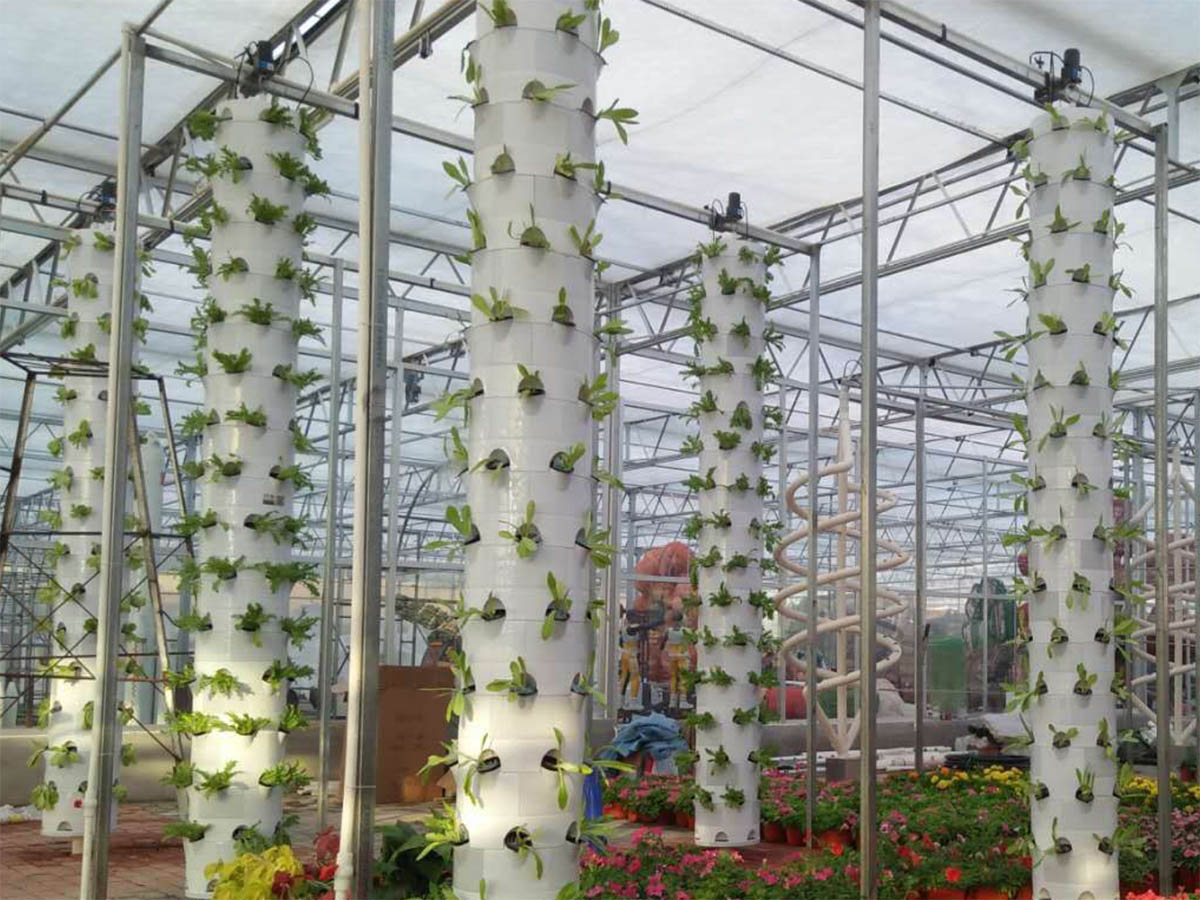
A hydroponic garden tower is a vertical structure designed to grow plants using circulating nutrient-rich water instead of soil. A vertical planting tower typically uses stacked or column-style layouts, making it ideal for urban environments where space is limited.
A vertical hydroponic garden tower is widely used in:
Indoor garden system setups
Balcony or rooftop gardening
Commercial hydroponic farms
Decorative vertical flower garden applications
Compared to traditional gardening, a hydroponic Vertical Tower improves plant density, reduces water usage, and allows easier maintenance.
To build a Vertical Tower planter, prepare the following materials:
PVC pipe (75mm to 110mm diameter)
Net Pots or planting cups
End cap or water reservoir base
Submersible water pump
Water tubing
Drill and hole saw
Nutrient solution
Growing medium such as clay pebbles or coco coir
These components form a complete hydroponic grow system that supports continuous water circulation.
Determine the height of your vertical plant tower, typically between 1 and 1.5 meters. Mark planting hole positions in a spiral or staggered layout to maximize space in your vertical garden planter tower.
Use a hole saw to drill evenly spaced holes along the pipe. The recommended spacing is 10 to 15 cm between holes. Slightly angle the holes upward so that plants stay securely in place.
This structure forms the foundation of a stable vertical hydroponics tower.
Attach an end cap at the bottom or connect the pipe to a water reservoir. Install a submersible pump inside the reservoir and connect tubing to deliver water to the top of the vertical hydroponic tower.
The water will flow downward, distributing nutrients evenly through the hydroponic vertical tower.
Fill the reservoir with water and add the appropriate nutrient solution. Turn on the pump to test water circulation and ensure even distribution throughout the vertical planting tower.
This completes the core structure of your hydroponic grow system.
Place seedlings into net pots filled with growing medium and insert them into the holes of the vertical tower planter.
Suitable crops for a hydroponic vertical garden tower include:
Lettuce
Spinach
Strawberries
Herbs such as basil and mint
A vertical planting tower provides several key advantages:
Space efficiency: ideal for indoor garden system setups
Water saving: uses significantly less water than soil planting
High yield: increases planting density
Clean operation: no soil mess
Easy maintenance: automated nutrient delivery
A vertical hydroponic tower is suitable for both beginners and advanced growers.
A vertical garden planter tower can be used in different environments depending on your needs.
Indoor garden system:
Requires grow lights
Provides controlled temperature and humidity
Suitable for year-round production
Outdoor vertical hydroponic tower:
Uses natural sunlight
Ideal for balconies, patios, or gardens
Requires protection from strong wind or heavy rain
A vertical flower garden can also be created using ornamental plants for decorative purposes.
To improve the performance of your hydroponic vertical garden tower:
Maintain pH levels between 5.5 and 6.5
Ensure even water distribution from top to bottom
Clean the system regularly to prevent clogging
Use high-quality nutrient solutions
Secure the structure to prevent tipping
Building a vertical planter tower from PVC pipe is an effective way to create a productive and space-saving hydroponic garden. Whether you are developing a DIY hydroponic system for personal use or a larger hydroponic grow system, this method offers flexibility, efficiency, and scalability.
By following this guide on how to build a hydroponic system, you can successfully create your own vertical hydroponic tower and enjoy fresh, healthy plants throughout the year.

G and N is serving for more than 1,000 customers over 122 countries around the world, offering high-quality products and services to global customers.
Copyright © 2026 G AND N FORTUNE LIMITED All rights reserved.


