
 English

Products
Productos principales:Canal hidroponico NFT/Cubo holandes hidroponico/Canalon de fresa/
Maceta de red de plastico/Medios de cultivo Rockwool
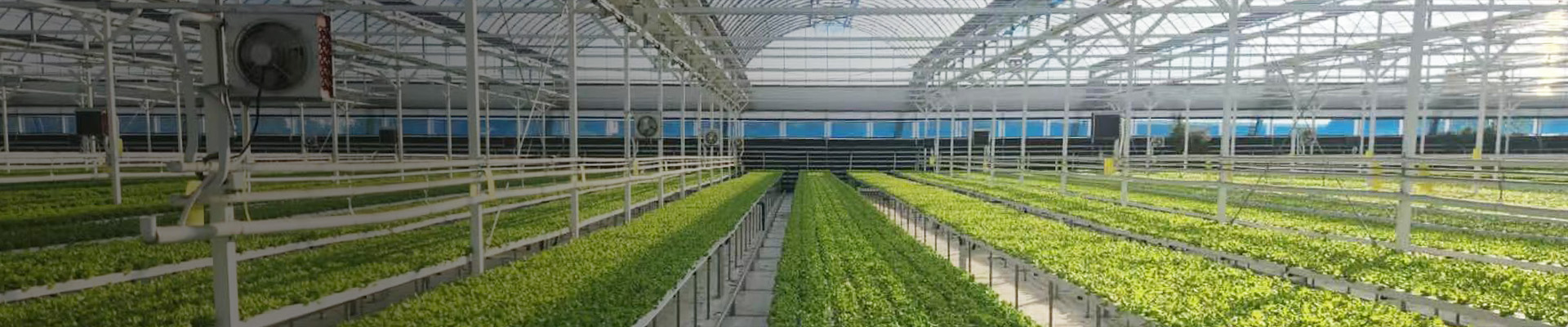
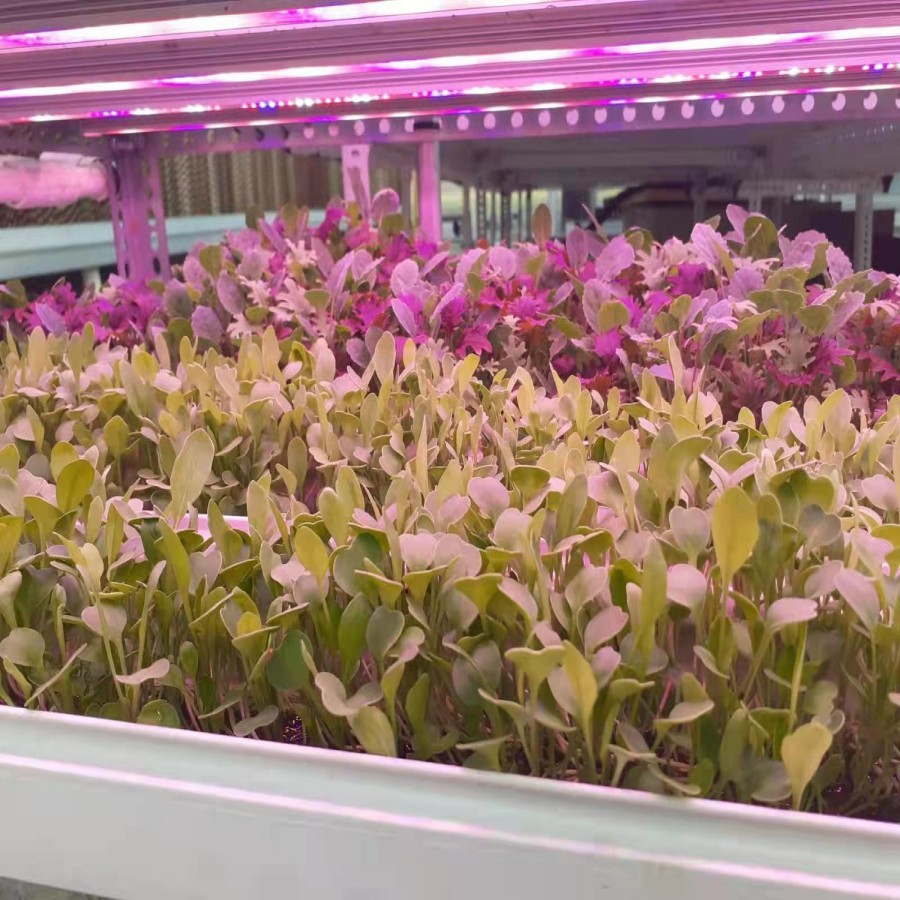


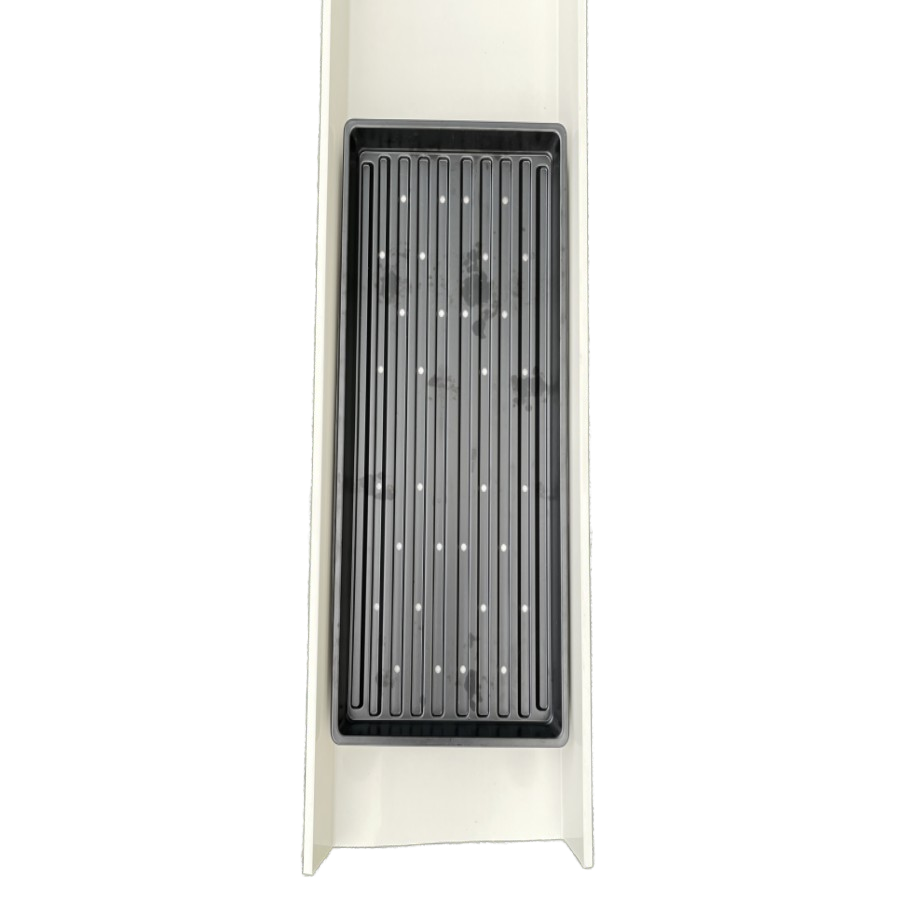
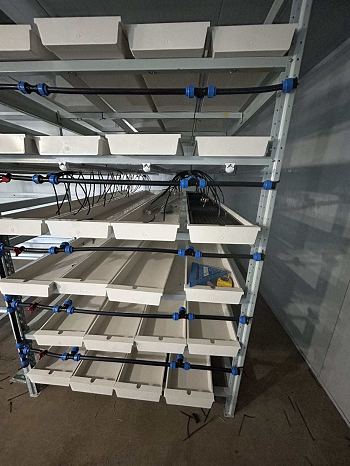
The Fodder Tray is a core component of a modern hydroponic fodder system, designed to produce fresh, nutrient-rich livestock feed in a fast, cost-effective, and sustainable way. By integrating hydroponic grow system technology with a controlled environment, the Fodder Tray hydroponic system enables farmers to grow high-quality fodder daily without soil.
With a rapid 7-day growth cycle, this system is ideal for continuous feed production, helping reduce dependency on expensive traditional feed sources while improving livestock nutrition.
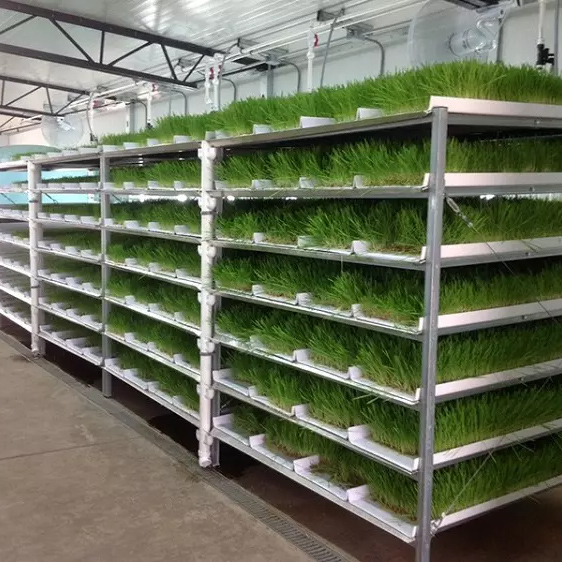
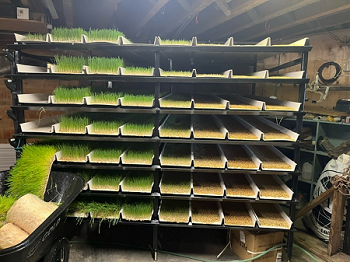
The hydroponic fodder tray system uses stacked trays and a nutrient film technique hydroponic system to deliver water and nutrients directly to germinating seeds. The trays are arranged in multi-layer racks supported by galvanized frames and UV-stabilized PVC growing channels, ensuring durability and long-term use.
This hydroponic growing system is suitable for both small farms and large commercial operations, offering a scalable solution for daily fodder production.
In a hydroponic fodder system, seeds are placed evenly in trays and supplied with water through a controlled irrigation process:
Seeds are soaked and spread evenly in the fodder tray
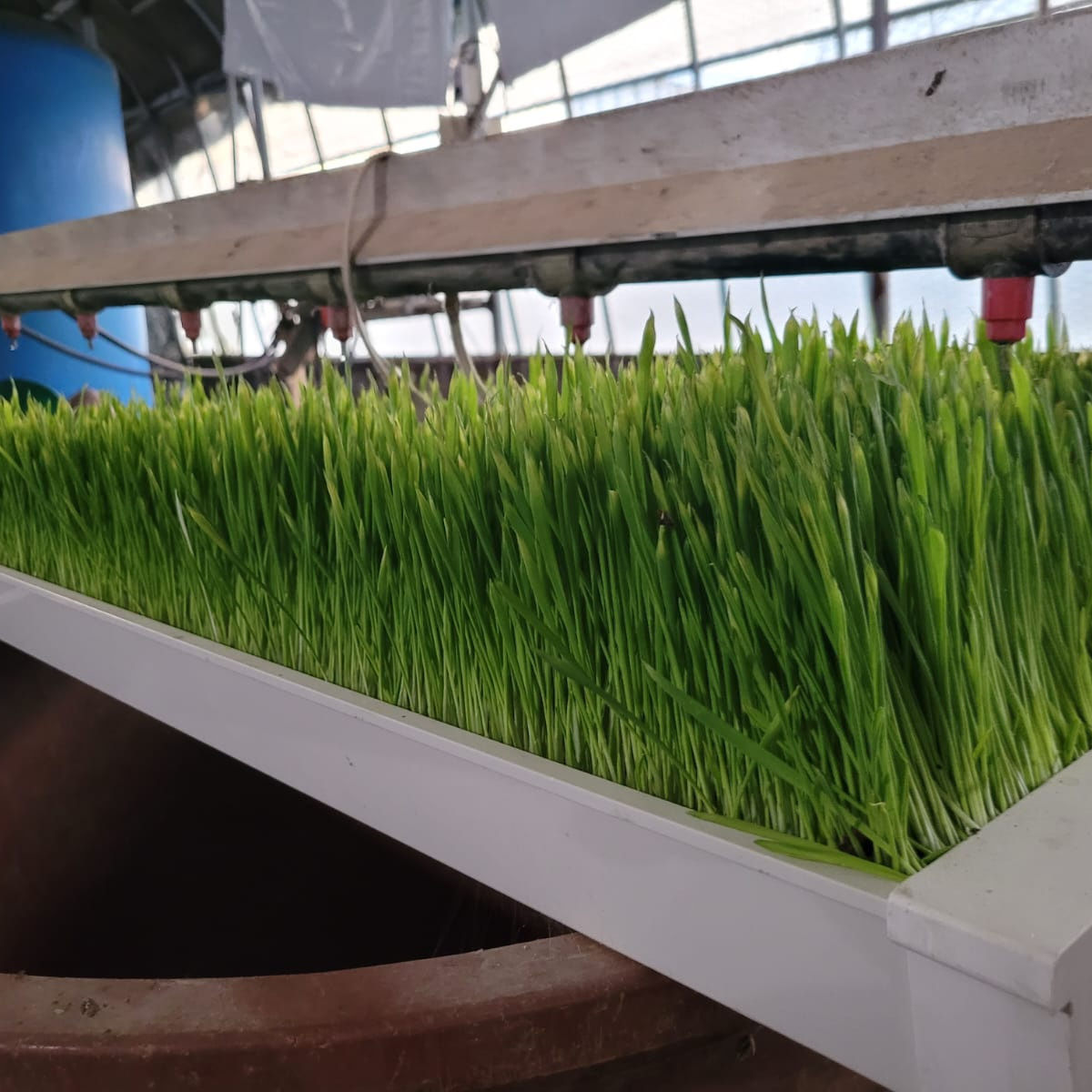
The hydroponic grow system delivers a thin film of water using NFT technology
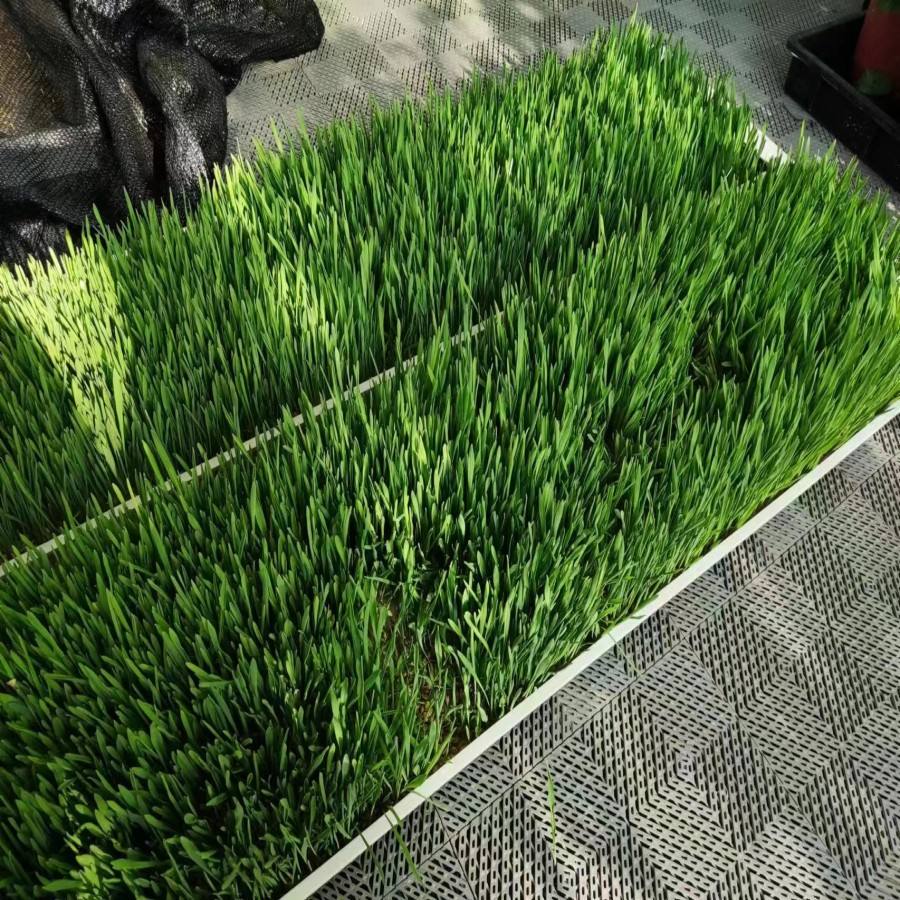
Seeds germinate and grow into dense fodder mats within 6–7 days
Fresh fodder is harvested daily while new trays are continuously planted
This continuous cycle ensures uninterrupted feed supply and efficient system operation.
The fodder tray hydroponic system allows for fast germination and growth, producing fresh fodder every day at a low cost per pound.
Using a nutrient film technique hydroponic system, water is recirculated efficiently across trays. This reduces water usage and eliminates overhead irrigation, lowering humidity and minimizing the risk of mold and fungus.
UV-stabilized PVC growing channels ensure resistance to sunlight and long-term durability
Galvanized steel frames provide strong support and corrosion resistance
Designed for continuous use in various climates
The system supports expansion using multi-unit adapter kits, allowing production capacity to reach:
500 lbs/day
1,000 lbs/day
2,000 lbs/day
This makes the hydroponic fodder tray system highly adaptable for different farm sizes.
The hydroponic grow system significantly reduces feed production costs, making it economical for farmers in regions with high agricultural expenses.
Compared to traditional fodder cultivation, the hydroponic growing system uses up to 80–90% less water.
Fodder grown in a hydroponic fodder system is:
Highly digestible
Rich in enzymes and nutrients
Free from soil contamination
This leads to better livestock health and productivity.
The automated nature of the fodder tray hydroponic system minimizes manual work, making daily operations simple and efficient.
The system reduces land use, water consumption, and chemical inputs, supporting sustainable agriculture practices.
The fodder tray supports a wide range of seeds and grasses, including:
Barley grass
Oat grass
Lucerne (alfalfa)
Rye grass
Other locally available forage crops
This flexibility allows farmers to adapt the hydroponic fodder system to different climates and livestock needs.
The hydroponic fodder tray system is widely used for feeding cattle, sheep, goats, and poultry, providing fresh and nutritious feed daily.
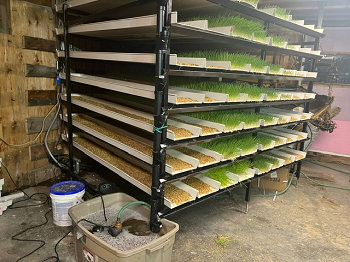
In areas where feed, land, or water costs are high, this system offers a cost-effective alternative.
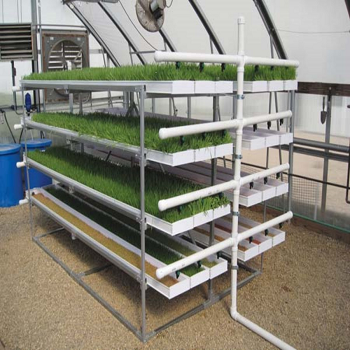
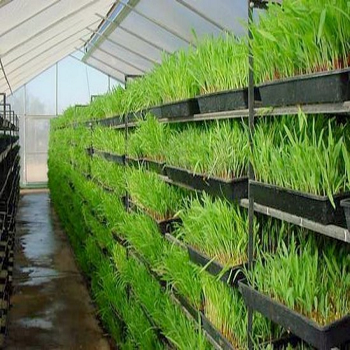
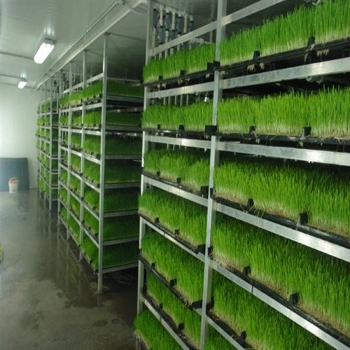
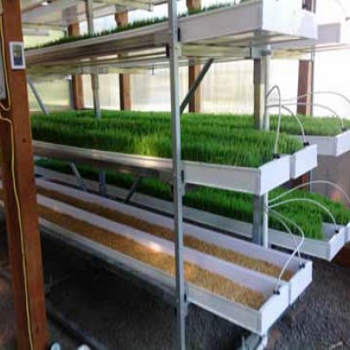
The trays can also be used for seed sprouting and early-stage cultivation in a hydroponic growing system.
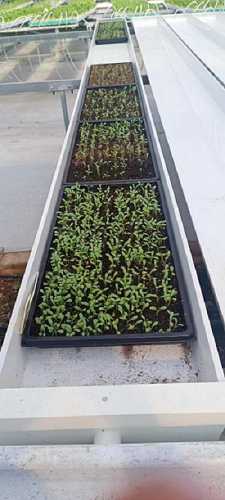
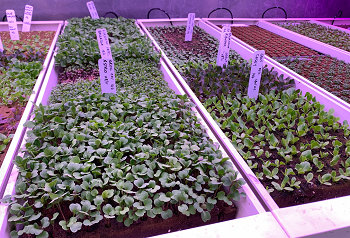
Farmers can build customized hydroponic fodder systems using trays and accessories, tailoring the setup to their production needs.
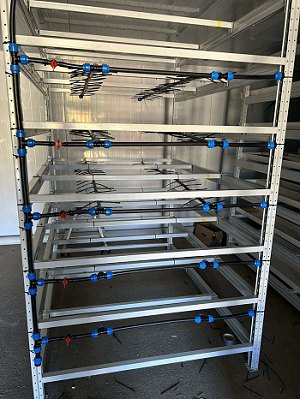
Continuous daily feed production
High yield in limited space
Efficient water and nutrient use
Easy system expansion
Suitable for indoor and greenhouse use
The fodder tray hydroponic system represents a modern approach to livestock feeding, combining efficiency, sustainability, and cost savings.
The fodder tray is an essential element in advanced hydroponic fodder systems, enabling fast, reliable, and sustainable feed production. By utilizing a hydroponic grow system with NFT technology, farmers can achieve consistent output, improved feed quality, and reduced operational costs.
Whether for small farms or large-scale operations, the hydroponic fodder tray system provides a practical and scalable solution for modern agriculture.
A fodder tray is a container used in a hydroponic fodder system to grow sprouted grains and grasses without soil. It supports seed germination and root development while allowing water and nutrients to circulate efficiently.
In a fodder tray hydroponic system, seeds are placed in trays and supplied with water through a hydroponic grow system, often using a nutrient film technique. Within 6–7 days, the seeds grow into dense, nutrient-rich fodder ready for harvesting.
The hydroponic fodder system supports a variety of seeds, including:
Barley
Oats
Wheat
Rye
Lucerne (alfalfa)
These are commonly used for livestock feed production.
A hydroponic growing system with fodder trays uses significantly less water than traditional farming, often reducing water consumption by up to 80–90% due to recirculation.
The fodder tray hydroponic system typically produces harvest-ready fodder within 7 days, allowing for continuous daily production.
Yes, the system can be used indoors, in greenhouses, or in controlled environments. It is ideal for farms with limited land or harsh climates.
In most cases, the hydroponic fodder system does not require additional fertilizers, as seeds contain sufficient nutrients for early growth. Clean water and proper management are usually enough.
Production depends on system size. With modular expansion, the hydroponic fodder tray system can produce:
500 lbs/day
1,000 lbs/day
2,000 lbs/day
Yes, the hydroponic grow system is designed for low maintenance. Regular cleaning of trays and monitoring of water flow are the main requirements.
Fodder grown in a hydroponic fodder system is:
Highly digestible
Rich in nutrients and enzymes
Fresh and chemical-free
This improves animal health, milk production, and overall performance.

G and N is serving for more than 1,000 customers over 122 countries around the world, offering high-quality products and services to global customers.
Copyright © 2026 G AND N FORTUNE LIMITED All rights reserved.