
 English


Products
Productos principales:Canal hidroponico NFT/Cubo holandes hidroponico/Canalon de fresa/
Maceta de red de plastico/Medios de cultivo Rockwool
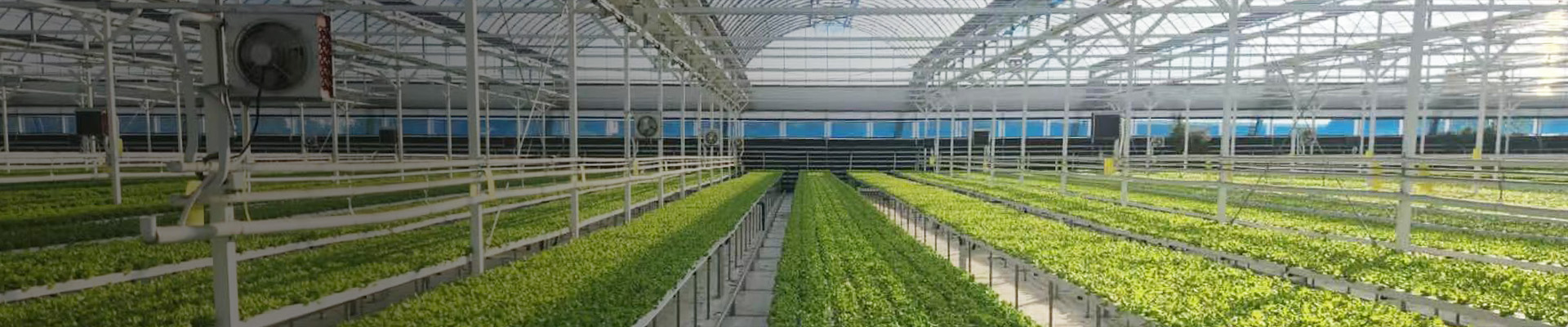
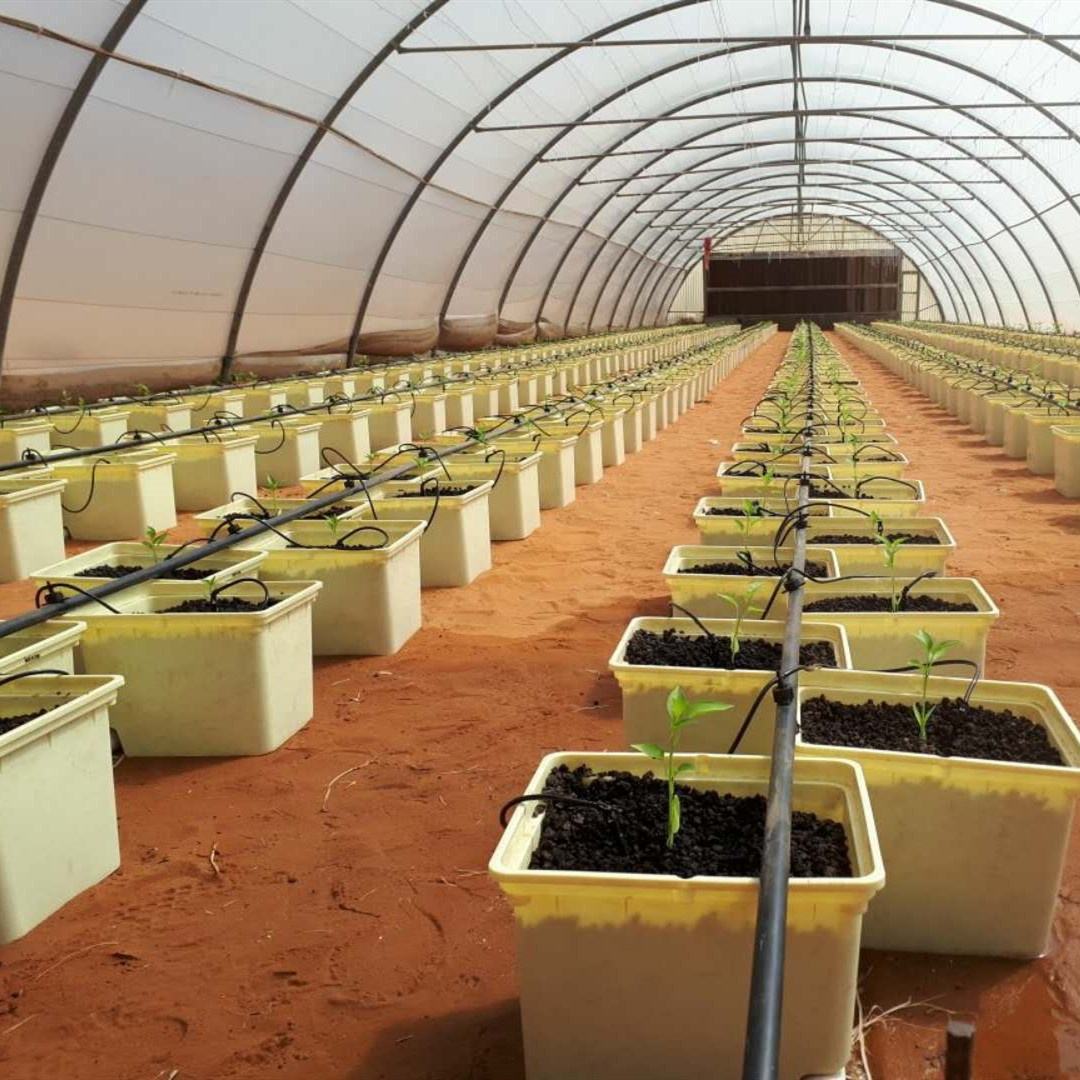


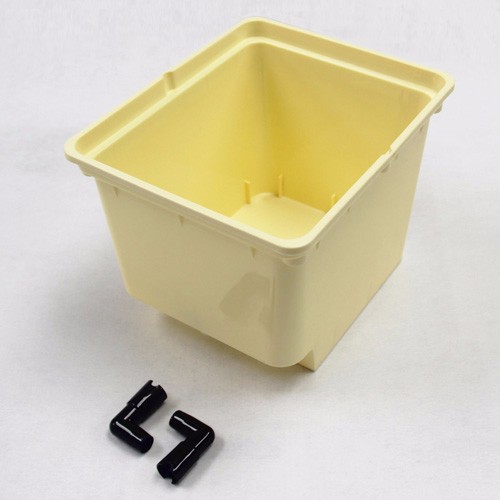
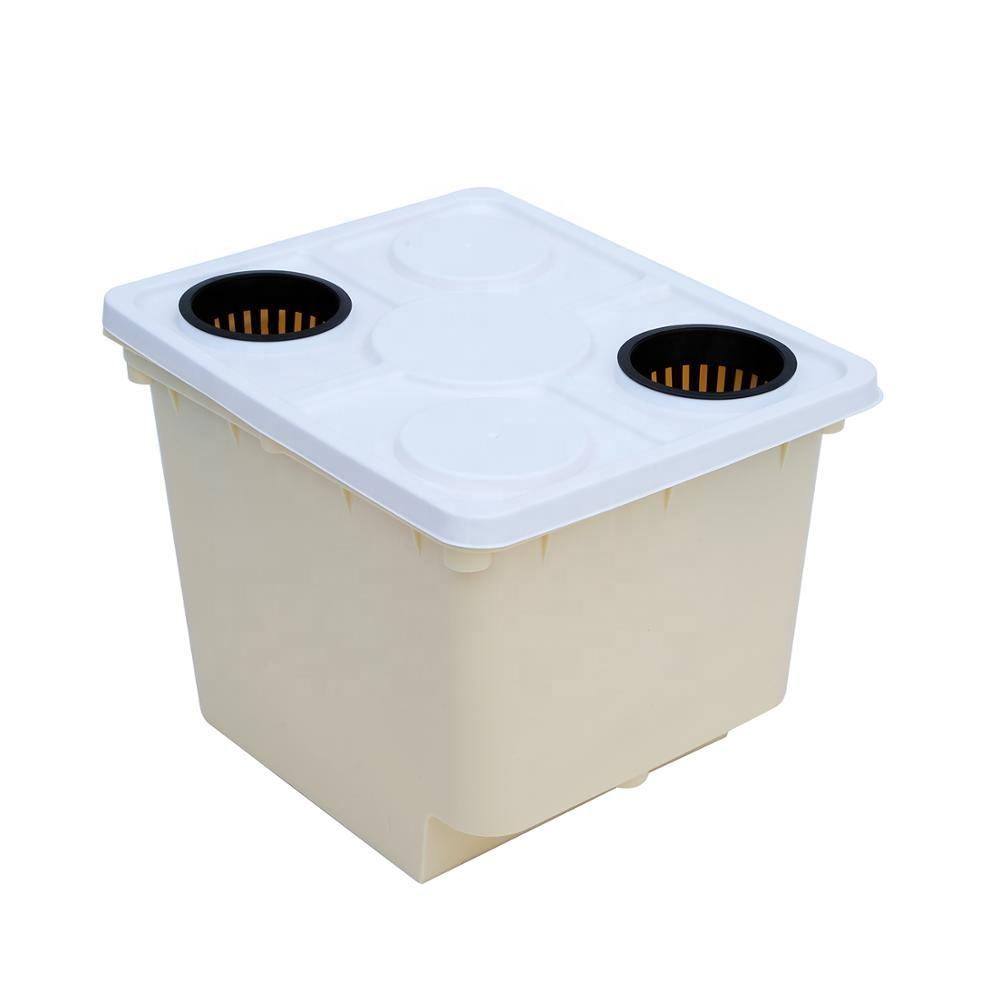
Buckets for Hydroponics are specialized growing containers designed for soilless cultivation in greenhouses, commercial farms, and controlled growing environments. This Dutch Bato Bucket features an 11-liter capacity and is made from new food-grade PP with UV-resistant properties, providing a durable and practical container for growing tomatoes, cucumbers, peppers, eggplants, and other larger crops.
The beige Dutch Bato Bucket is designed to work with drip irrigation and drainage systems. With two siphon elbows included and compatibility with 40 mm or 50 mm drain pipes, it can be integrated into individual or large-scale Dutch bucket hydroponic systems.
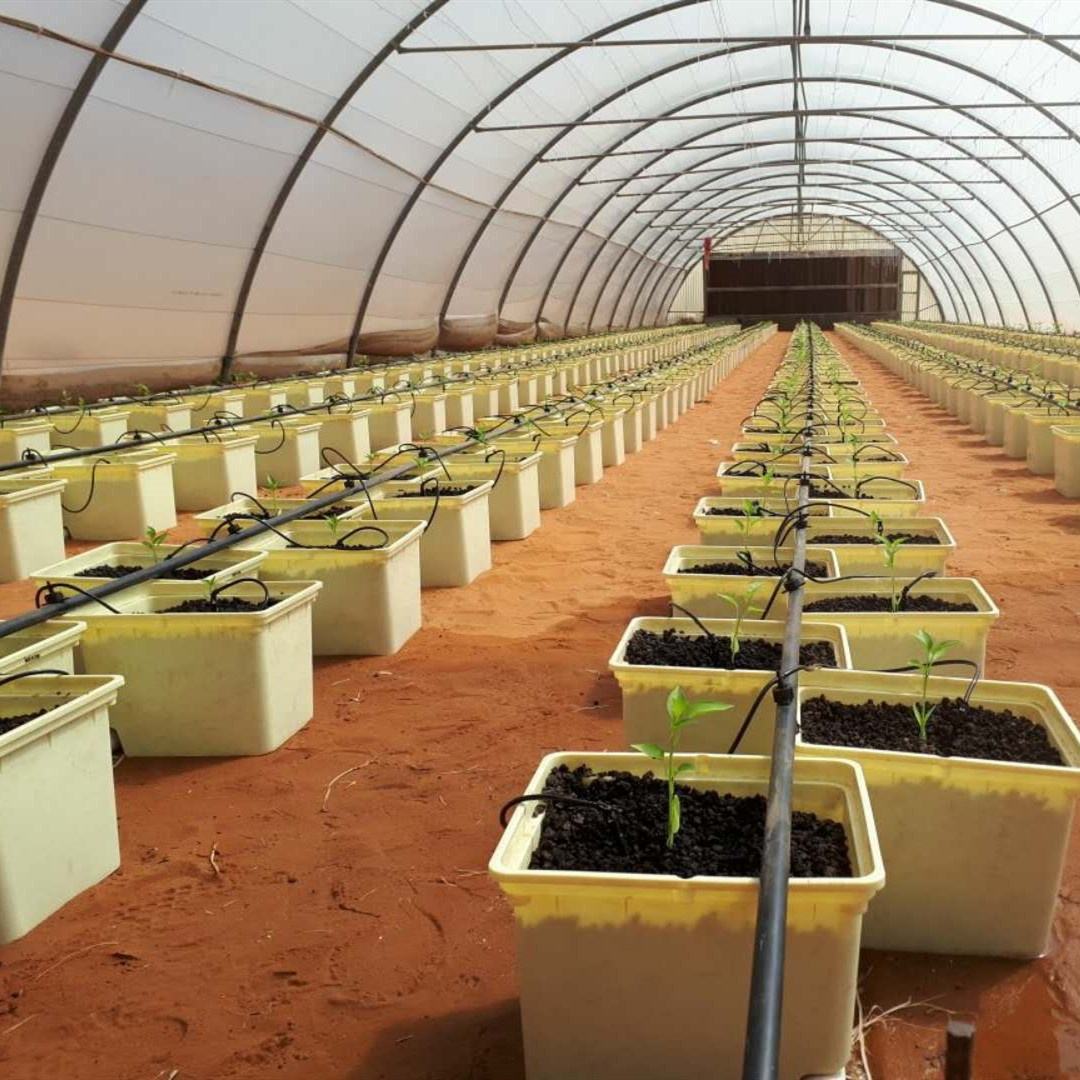
Buckets for hydroponics are growing containers specifically designed for soilless cultivation. Unlike standard planting pots, hydroponic buckets can be connected to irrigation and drainage systems to provide plants with controlled access to water and nutrients.
The Dutch Bato Bucket is commonly used with growing media such as coco coir, Perlite, clay pebbles, or other suitable substrates. Nutrient solution can be supplied through drip irrigation, while excess solution is drained through the bucket's drainage system.
A complete hydroponic bucket system may include:
Dutch Bato Buckets
Growing media
Drip irrigation pipes
Water pump
Nutrient reservoir
Drain pipes
Siphon elbows
Return water lines
This hydroponic growing bucket has an 11-liter volume, providing sufficient space for growing media and root development.
The capacity makes it suitable for larger crops that require more root-zone space than many small hydroponic containers.
The Dutch Bato Bucket is manufactured from new food-grade PP with UV-resistant properties.
The PP construction provides a lightweight yet durable container for hydroponic cultivation, while UV resistance helps improve its suitability for greenhouse and outdoor growing environments.
The bucket is supplied in beige, providing a clean and neutral appearance that fits well into greenhouse and commercial agricultural environments.
The beige finish can also make the bucket easy to identify and arrange when setting up rows of hydroponic plants.
Each Dutch Bato Bucket includes two siphon elbows.
These fittings help connect the bucket to the drainage system and support efficient removal of excess nutrient solution.
The bucket can be used with 40 mm or 50 mm drain pipes, allowing growers to select the appropriate drainage configuration for their hydroponic system.
This makes the product suitable for different greenhouse layouts and system designs.
| Item | Specification |
|---|---|
| Product Name | Dutch Bato Bucket |
| Product Type | Buckets for Hydroponics |
| Size | 12 × 10 × 9 in / 30 × 25 × 23 cm |
| Volume | 11 Liters |
| Material | New Food-Grade PP & UV Resistant |
| Color | Beige |
| Fittings | 2 Siphon Elbows Included |
| Drain Pipe | 40 mm or 50 mm |
| Weight | 0.41 kg |
| Certification | RoHS |
| Packing | 30 pcs/Carton |
| Carton Size | 76 × 51 × 32 cm |
| 20FT Container Quantity | 6,600 pcs |
| 40HQ Container Quantity | 16,000 pcs |
| Application | Hydroponics, Greenhouse, Commercial Growing |
Plants are placed inside the hydroponic bucket and supported by an appropriate growing medium.
Common hydroponic growing media include:
Coco coir
Cocopeat
Perlite
Clay pebbles
Other suitable substrates
The growing media supports the plant while allowing water, nutrients, and oxygen to reach the roots.
A drip irrigation system can deliver nutrient solution directly to each bucket.
A water pump moves the nutrient solution from a reservoir through the main supply line, and individual drippers provide controlled irrigation to the plants.
This allows growers to manage water and nutrient delivery according to crop requirements.
After irrigation, excess nutrient solution flows out through the bucket's drainage system.
The included siphon elbows can be connected to the drainage pipes to help remove excess solution.
In a recirculating Dutch bucket hydroponic system, the drainage solution can be collected and returned to a central reservoir.
Compared with small hydroponic pots, Dutch Bato Buckets provide a larger growing volume and are particularly suitable for crops with larger root systems.
Typical applications include:
Tomatoes
Cucumbers
Bell peppers
Chili peppers
Eggplants
Melons
Other fruiting crops
The hydroponic bucket system can be connected to drip irrigation, allowing growers to supply water and nutrients directly to individual plants.
The integrated drainage design and siphon fittings allow excess nutrient solution to be removed efficiently.
When connected to a return line, the system can support recirculating hydroponic cultivation.
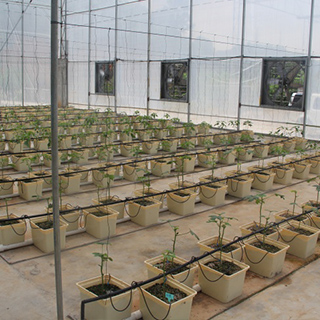
Multiple Dutch Bato Buckets can be arranged in rows and connected to the same irrigation and drainage network.
This makes them suitable for both small greenhouse projects and larger commercial hydroponic installations.
The food-grade PP and UV-resistant material are suitable for repeated use in appropriate greenhouse and outdoor growing environments.
The Dutch Bato Bucket is suitable for commercial greenhouse cultivation. Multiple buckets can be installed in organized rows and connected to centralized irrigation and drainage systems.
Tomatoes are a common crop for Dutch bucket systems. The 11-liter growing volume provides space for suitable growing media and root development.
Cucumbers, peppers, and other fruiting crops can also be grown using Dutch Bato Buckets with appropriate growing media, irrigation, plant support, and nutrient management.
The standardized dimensions and container-friendly packaging make these buckets for hydroponics suitable for wholesale orders and large-scale agricultural projects.
With a packing quantity of 6,600 pieces per 20FT container and 16,000 pieces per 40HQ container, the product is suitable for commercial distribution and bulk purchasing.
A complete Dutch bucket hydroponic system can combine multiple buckets with:
Drip irrigation
Nutrient reservoir
Water pump
Main supply pipes
Drainage pipes
Siphon elbows
Growing media
Plant support systems
Greenhouse structures
The modular structure makes it possible to expand the number of buckets according to greenhouse size, crop spacing, and production requirements.
Our Dutch Bato Bucket combines an 11-liter growing capacity with food-grade PP, UV-resistant properties, practical drainage fittings, and compatibility with different drain pipe sizes.
Key benefits include:
11-liter capacity
New food-grade PP material
UV-resistant construction
Beige color
Two siphon elbows included
Compatible with 40 mm or 50 mm drain pipes
RoHS certified
Suitable for drip irrigation
Suitable for recirculating hydroponic systems
Suitable for greenhouse cultivation
Suitable for commercial hydroponic projects
Available for wholesale and bulk orders
Whether you are developing a greenhouse tomato project, commercial vegetable farm, or large-scale Dutch bucket hydroponic system, these buckets for hydroponics provide a practical foundation for container-based soilless cultivation.
Buckets for hydroponics are specialized growing containers designed for soilless cultivation. They provide space for growing media and plants while allowing irrigation and drainage to be integrated into a hydroponic system.
A Dutch Bato Bucket is a type of hydroponic growing container commonly used in commercial greenhouse systems. It is designed to work with growing media, drip irrigation, and drainage systems.
This Dutch Bato Bucket has an 11-liter capacity and measures approximately 30 × 25 × 23 cm.
The bucket is made from new food-grade PP with UV-resistant properties, providing a durable option for hydroponic cultivation.
This model is available in beige.
Dutch Bato Buckets are suitable for tomatoes, cucumbers, peppers, eggplants, melons, and other crops that require a relatively larger root-zone volume.
Yes. The Dutch Bato Bucket is designed to work with drip irrigation systems, allowing nutrient solution to be delivered directly to the growing media.
The bucket can be configured with 40 mm or 50 mm drain pipes.
Yes. Two siphon elbows are included with each Dutch Bato Bucket.
Yes. Multiple buckets can be connected to centralized irrigation and drainage systems, making them suitable for commercial greenhouse hydroponics and large-scale growing projects.

G and N is serving for more than 1,000 customers over 122 countries around the world, offering high-quality products and services to global customers.
Copyright © 2026 G AND N FORTUNE LIMITED All rights reserved.