
 English

Products
Productos principales:Canal hidroponico NFT/Cubo holandes hidroponico/Canalon de fresa/
Maceta de red de plastico/Medios de cultivo Rockwool
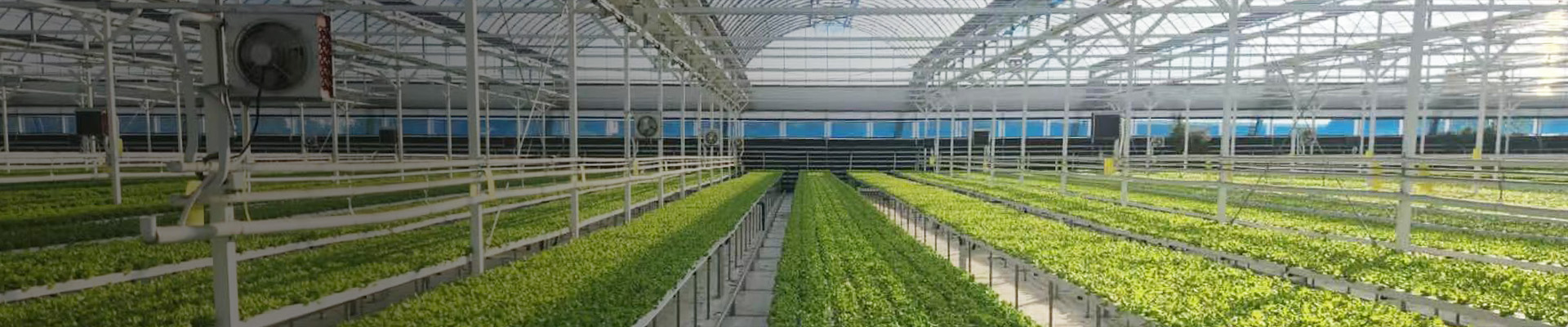
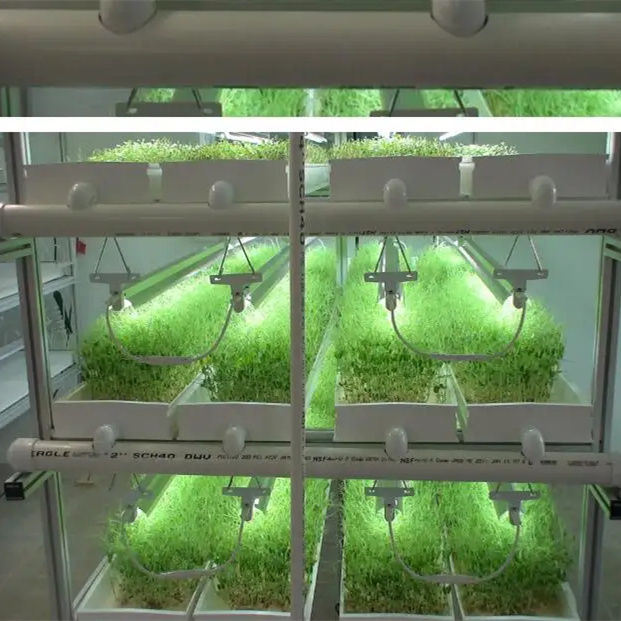


The Hydroponic Fodder Gutter System is a soilless growing solution designed for producing fresh green fodder from seeds in a controlled environment. Using a water-saving NFT (Nutrient Film Technique) irrigation method, the system provides water to the growing channels without traditional soil or overhead watering.
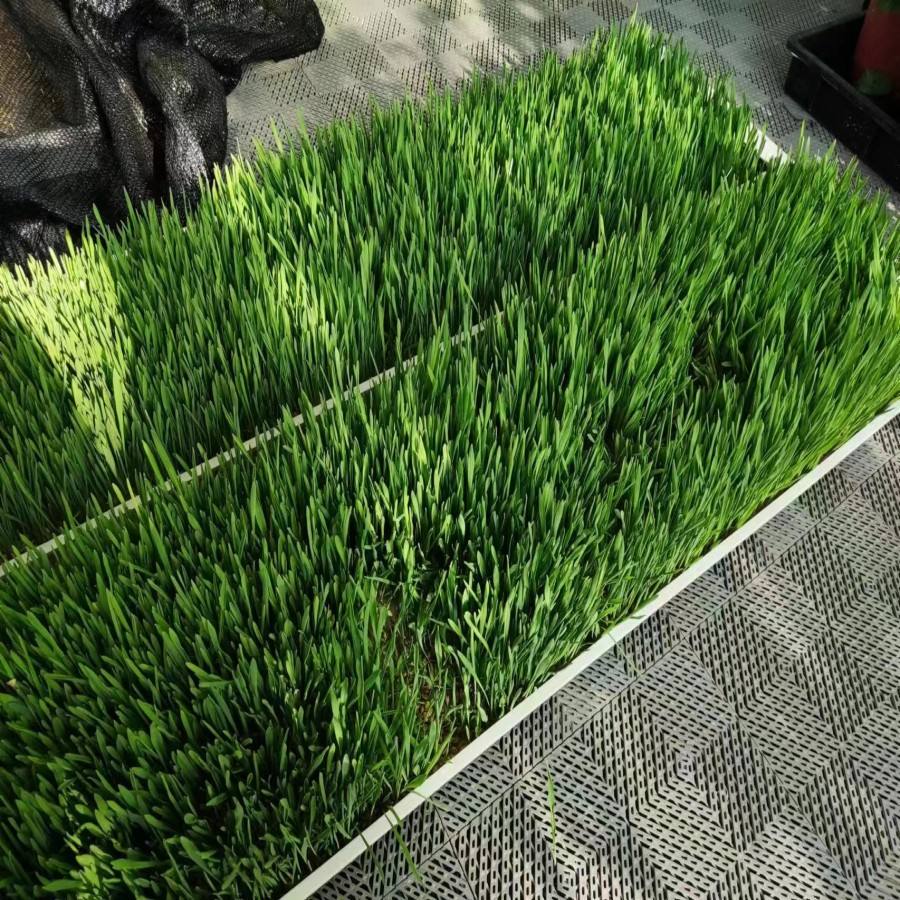
The system is suitable for growing barley, oat grass, lucerne grass, rye grass, and other suitable fodder varieties. Under appropriate growing conditions, fodder can be produced from seed to fresh grass in approximately 7 days, providing a practical option for livestock farms, greenhouse projects, and commercial fodder production.
The G&N Hydroponic Fodder Gutter System uses food-grade PVC growing channels supported by galvanized framing and can be connected into multiple units to increase daily production capacity.
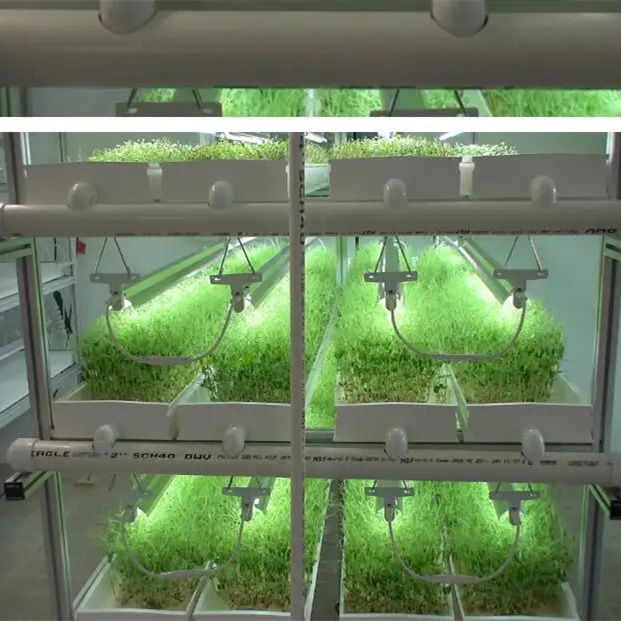
A hydroponic fodder gutter system is a soilless cultivation system that uses specialized growing channels to germinate and grow fodder seeds.
Instead of planting seeds in soil, seeds are placed directly into the hydroponic fodder channel, where water and nutrients are supplied through an NFT-style irrigation system.
The system can be used for:
Barley fodder
Oat grass
Lucerne grass
Rye grass
Wheat fodder
Other suitable fodder crops
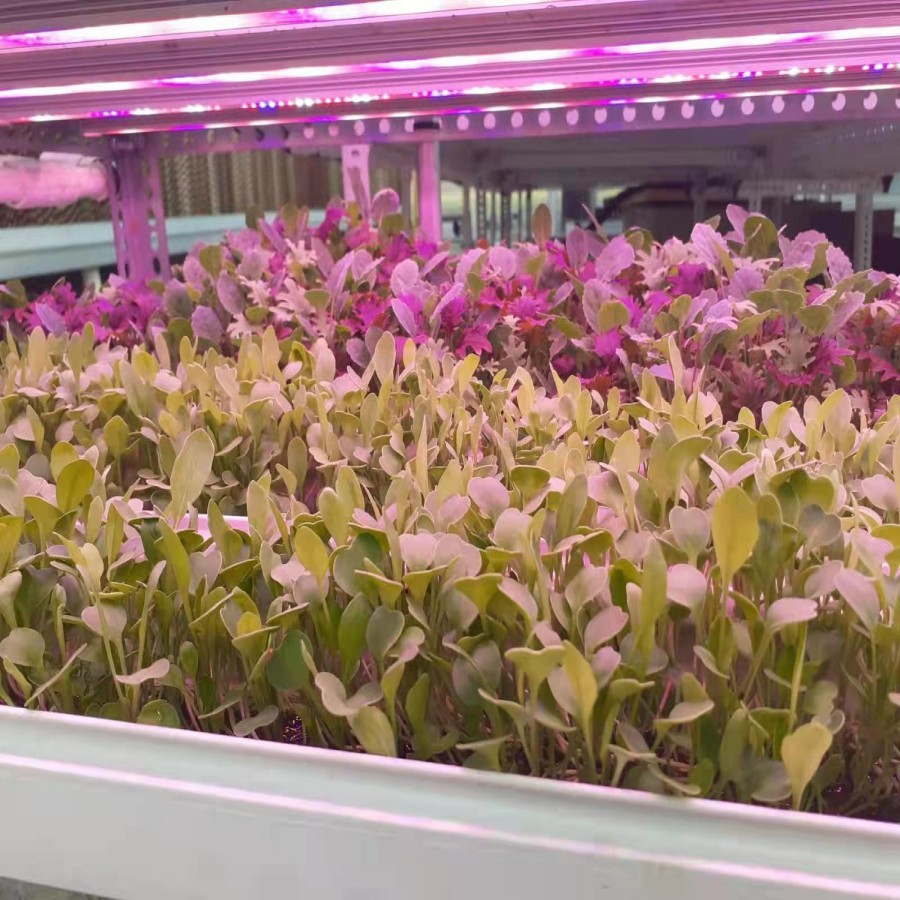
Microgreens
A complete system can include PVC fodder gutters, supporting frames, irrigation pipes, pumps, water reservoirs, and control equipment.
Seeds such as barley, wheat, oats, lucerne, or rye are first cleaned and prepared for germination.
The prepared seeds are then distributed evenly inside the fodder growing gutter.
The system uses a Nutrient Film Technique (NFT) watering method. A thin flow of water or nutrient solution moves through the growing channel and supplies moisture to the developing roots.
Compared with overhead watering, NFT irrigation can help reduce unnecessary water use and lower humidity around the growing area.
Under suitable temperature, moisture, ventilation, and light conditions, the seeds germinate and develop roots and green shoots.
A typical growing cycle can be approximately 7 days from seed to grass, although actual growth time depends on the crop variety and environmental conditions.
Once the fodder reaches the desired growth stage, it can be harvested and supplied as fresh green feed for suitable livestock.
After harvesting, the gutters can be cleaned and prepared for the next growing cycle.
The hydroponic fodder growing system is designed for rapid seed-to-grass production.
With a typical cycle of around seven days under suitable conditions, growers can stagger seeding dates to create a continuous supply of fresh fodder.
Suitable fodder varieties include:
Barley
Oat grass
Lucerne grass
Rye grass
Wheat
Other locally suitable varieties
The system uses an NFT-style watering method to deliver water efficiently through the growing channels.
The controlled water flow can reduce the need for overhead irrigation while helping lower excessive humidity that may contribute to unfavorable growing conditions.
The fodder gutter is made from food-grade PVC and is designed for repeated use in soilless fodder cultivation.
PVC provides:
Corrosion resistance
Durable construction
Easy cleaning
Long-term usability
Suitability for hydroponic applications
The channels are supported by galvanized framing to provide structural support for the growing system.
Multiple hydroponic fodder gutters can be connected to increase production capacity.
A modular configuration can be designed for different production requirements, including systems targeting approximately:
500 lbs. of fodder per day
1,000 lbs. of fodder per day
2,000 lbs. of fodder per day
Actual production depends on the number of growing channels, crop variety, growing conditions, seeding density, and harvesting schedule.
| Item | Specification |
|---|---|
| Product Name | Fodder Tray Gutter System |
| Brand | G&N |
| Application | Fodder Growing System |
| Main Usage | Seeding, Fodder Growing |
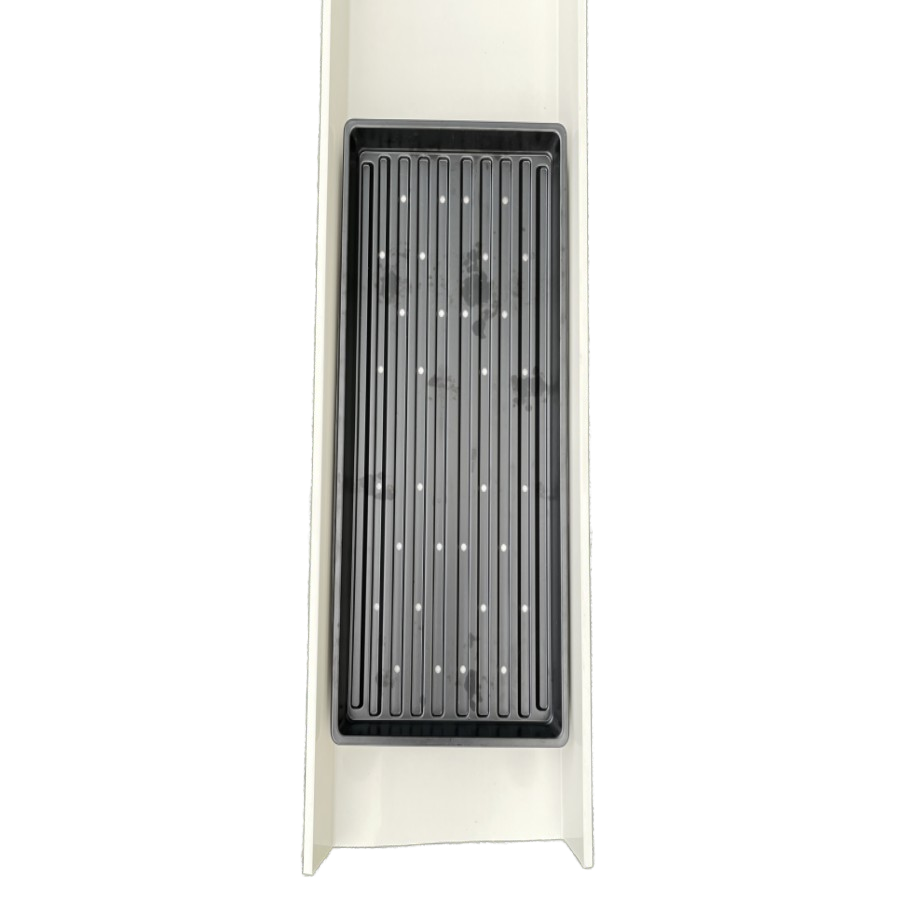
| Channel Size | 250 × 70 mm |
| Channel Length | Customized |
| Material | Food-Grade Virgin PVC |
| Core Component | PVC Channel |
| Applicable Industries | Fodder Growing, Microgreen |
| Feature | Anti-Corrosion |
| Channel Weight | Approx. 2.3 kg/m |
| Origin | Guangdong, China |
| Condition | New |
| Warranty | 3 Years |
| After-Sales Service | Free Spare Parts, Online Support |
| Video Inspection | Provided |
| Machinery Test Report | Provided |
The hydroponic fodder system uses soilless cultivation, eliminating the need for agricultural soil.
This makes the system suitable for areas where farmland is limited or soil conditions are unsuitable for conventional fodder production.
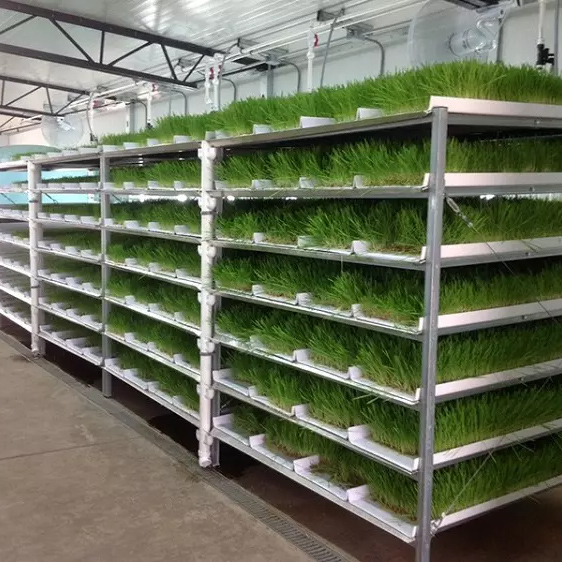
Fodder gutters can be installed in organized rows or incorporated into multi-layer systems, allowing growers to make better use of available indoor or greenhouse space.
Because the growing cycle can be approximately seven days, growers can stagger planting and harvesting to create a continuous production schedule.
For example, different batches can be seeded on different days so that mature fodder is available regularly.
The NFT irrigation method delivers water directly through the growing channels rather than relying on conventional field irrigation.
The controlled flow can help improve water-use efficiency, which is particularly useful for fodder production in areas where water availability is limited.
PVC channels have smooth surfaces that are relatively easy to clean between growing cycles.
Regular cleaning and appropriate system maintenance can help keep the growing channels suitable for repeated fodder production.
Barley is a popular choice for hydroponic fodder production. Hydroponic barley fodder can be grown from seed to fresh green fodder under controlled conditions.
Wheat seeds can also be germinated in the fodder growing channel, providing another option for fresh green fodder production.
Oats can be used in suitable hydroponic fodder systems, depending on local growing conditions and livestock feeding requirements.
Lucerne and rye are additional varieties that can be considered for hydroponic fodder production where the environmental conditions and seed varieties are suitable.
The actual yield and growth period will vary depending on seed quality, temperature, humidity, irrigation, light, and planting density.
The Hydroponic NFT Fodder Channel is the core growing component of the system.
Its 250 × 70 mm channel profile provides a dedicated space for seed germination and root development while allowing water to flow through the channel.
The NFT design helps deliver moisture to the root zone while minimizing unnecessary standing water inside the growing area.
The PVC channel can also be integrated with different support structures and irrigation configurations according to greenhouse size and production requirements.
For commercial applications, multiple fodder gutter systems can be connected to create a larger production facility.
A commercial system may include:
Hydroponic fodder gutters
Galvanized support frames
Water reservoir
Water pump
NFT irrigation pipes
Drainage pipes
Control system
Seeding area
Cleaning and harvesting area
The modular design allows growers to start with a smaller system and expand production by adding additional units.
Fresh hydroponically grown fodder can be produced for suitable livestock, including:
Cattle
Dairy cattle
Sheep
Goats
Horses
Rabbits
Other livestock
Hydroponic fodder should be incorporated into an appropriately balanced animal feeding program based on the nutritional requirements of the specific livestock.
| Feature | Hydroponic Fodder Gutter System | Traditional Soil-Based Fodder |
|---|---|---|
| Growing method | Soilless | Soil-based |
| Growing cycle | Approximately 7 days under suitable conditions | Depends on crop |
| Land requirement | Low | Higher |
| Water management | Controlled NFT flow | Conventional irrigation |
| Growing space | Vertical/controlled layouts possible | Mainly horizontal |
| Soil required | No | Yes |
| Production environment | Controlled | More weather dependent |
| Continuous production | Easy to schedule in batches | Depends on growing cycle and land |
The G&N Hydroponic Fodder Gutter System combines food-grade PVC growing channels with an efficient NFT watering method and modular system design.
Key advantages include:
Approximately 7-day seed-to-grass growing cycle under suitable conditions
Food-grade virgin PVC channels
UV-stabilized and corrosion-resistant construction
250 × 70 mm channel size
Customized channel lengths available
Water-saving NFT irrigation
Reduced reliance on overhead watering
Suitable for barley, wheat, oat, lucerne, and rye fodder
Suitable for microgreen production
Galvanized support structure
Modular commercial system design
Easy system expansion
3-year warranty
Online technical support
Free spare parts
Whether you need a small fodder production unit or a larger commercial hydroponic fodder growing system, the modular gutter design can be configured according to your available space and production requirements.
A hydroponic fodder gutter system is a soilless growing system that uses specialized PVC channels and controlled irrigation to grow fodder from seeds.
Under suitable growing conditions, hydroponic fodder can typically be grown from seed to fresh grass in approximately 7 days. Actual growth time depends on the seed variety and environmental conditions.
Barley, wheat, oat grass, lucerne, and rye are among the fodder varieties that can be grown in a suitable hydroponic fodder system.
No. Hydroponic fodder growing is a soilless cultivation method and does not require traditional agricultural soil.
The NFT system supplies a controlled flow of water through the growing channel, reducing the need for overhead watering and helping improve water-use efficiency.
Yes. The channel length can be customized according to the requirements of the growing facility and system layout.
Yes. Multiple gutter units can be connected to increase production capacity and create a larger commercial fodder growing system.
The growing channel is made from food-grade virgin PVC, with corrosion-resistant properties suitable for hydroponic cultivation.

G and N is serving for more than 1,000 customers over 122 countries around the world, offering high-quality products and services to global customers.
Copyright © 2026 G AND N FORTUNE LIMITED All rights reserved.