
 English

Products
Productos principales:Canal hidroponico NFT/Cubo holandes hidroponico/Canalon de fresa/
Maceta de red de plastico/Medios de cultivo Rockwool
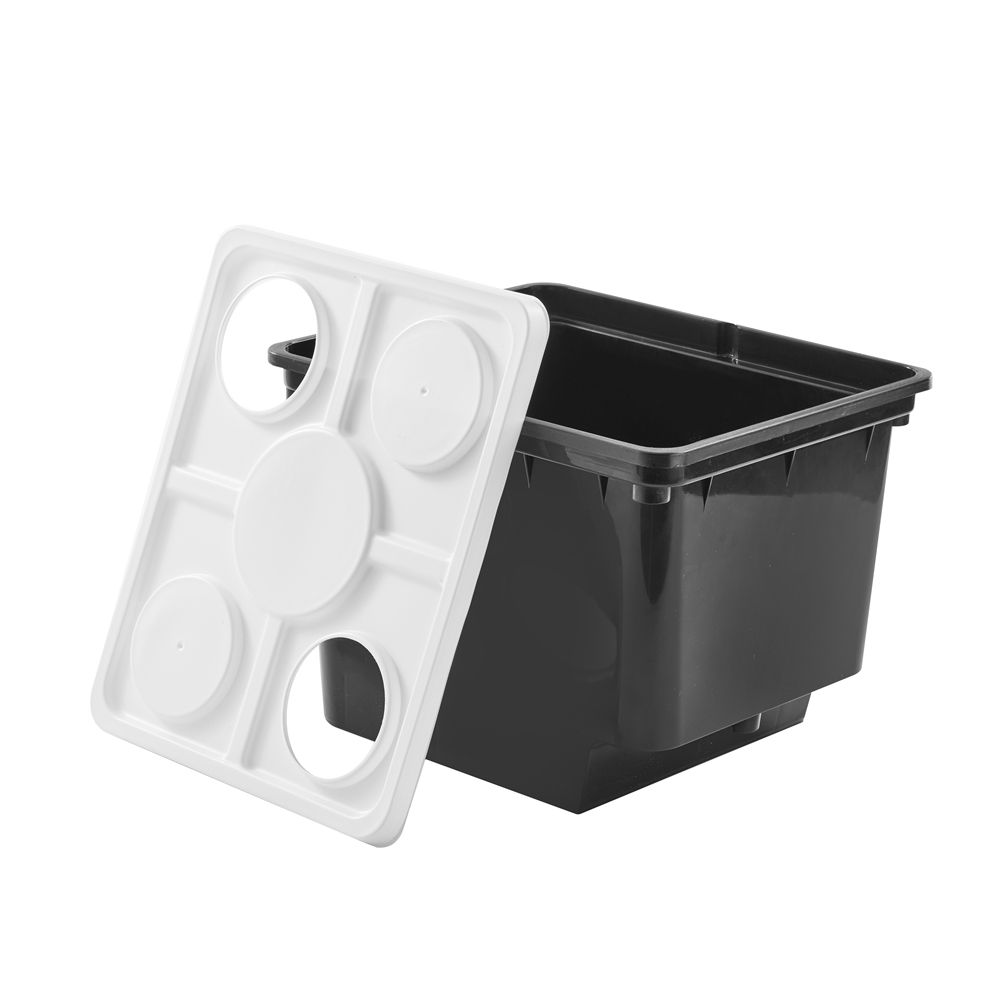


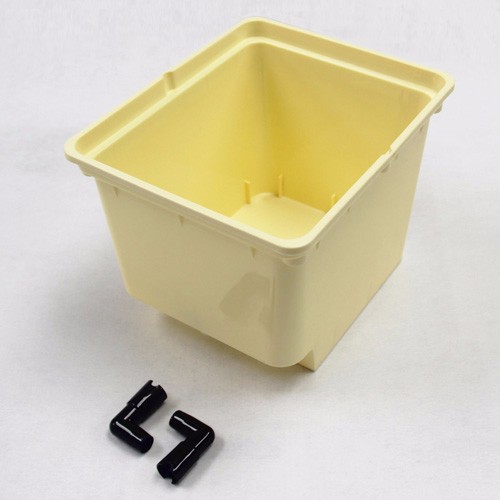
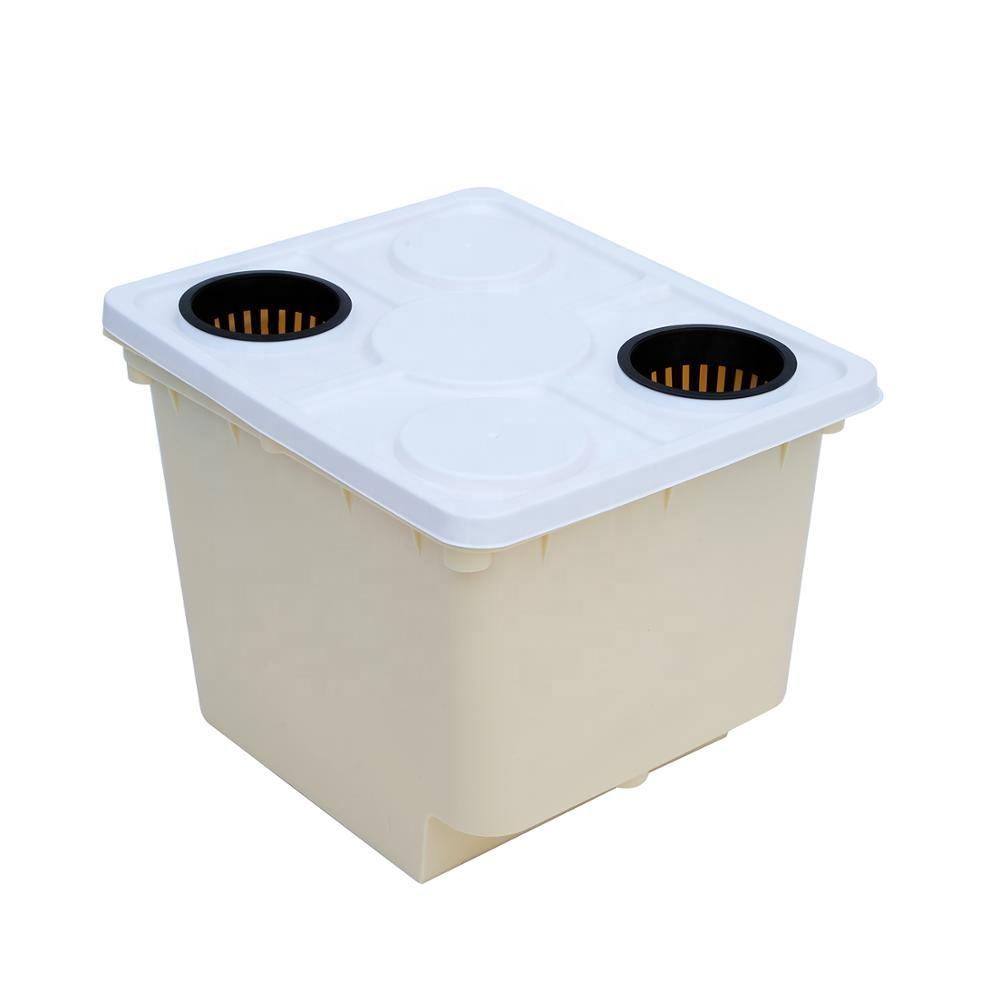
The Hydroponic Dutch Bucket is a practical container-based growing solution designed for commercial hydroponics, greenhouse cultivation, and soilless growing systems. Commonly used with drip irrigation, Dutch Buckets provide sufficient space for plant roots and growing media while allowing excess nutrient solution to drain through the bottom of the container.
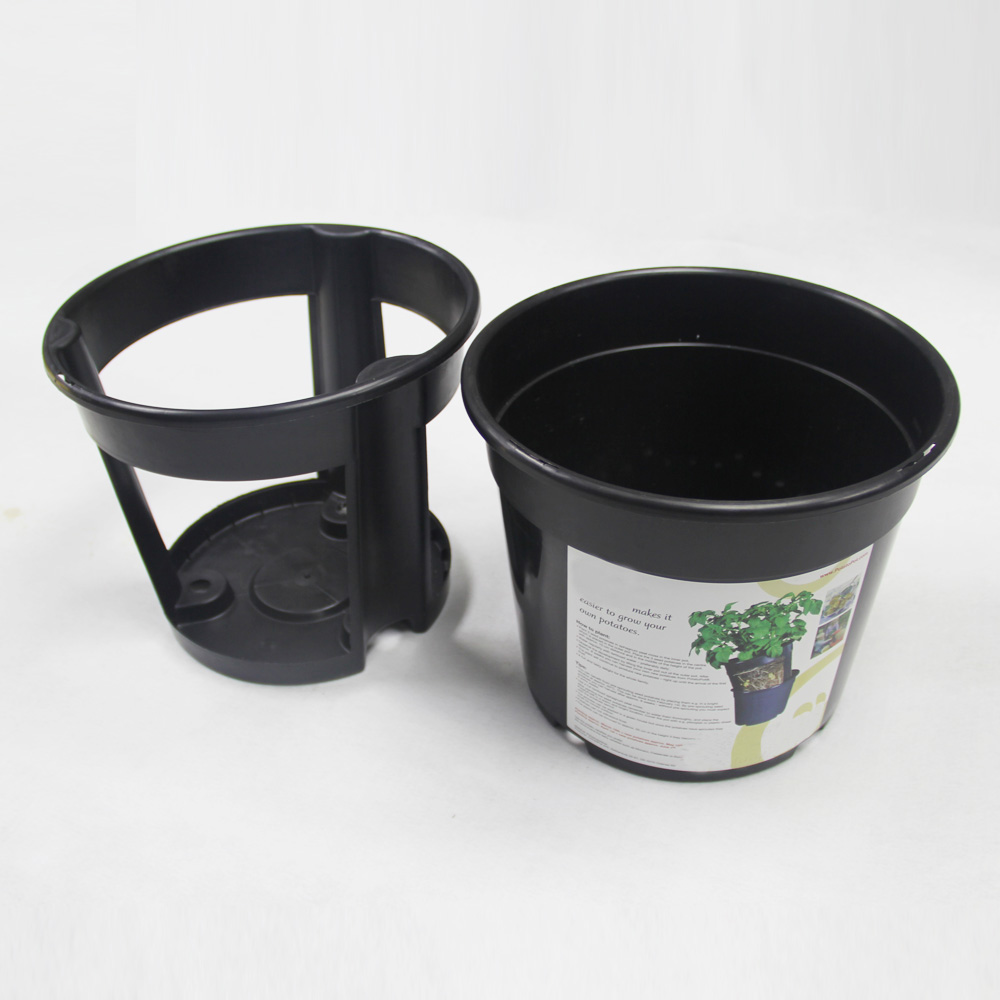
This black Dutch Bucket features an opaque design that provides an important advantage for hydroponic cultivation: light blocking. By reducing light exposure around the root zone, the bucket helps create a more suitable growing environment and can help reduce algae growth.
The system is especially suitable for larger fruiting and vine crops such as tomatoes, cucumbers, peppers, eggplants, and melons.
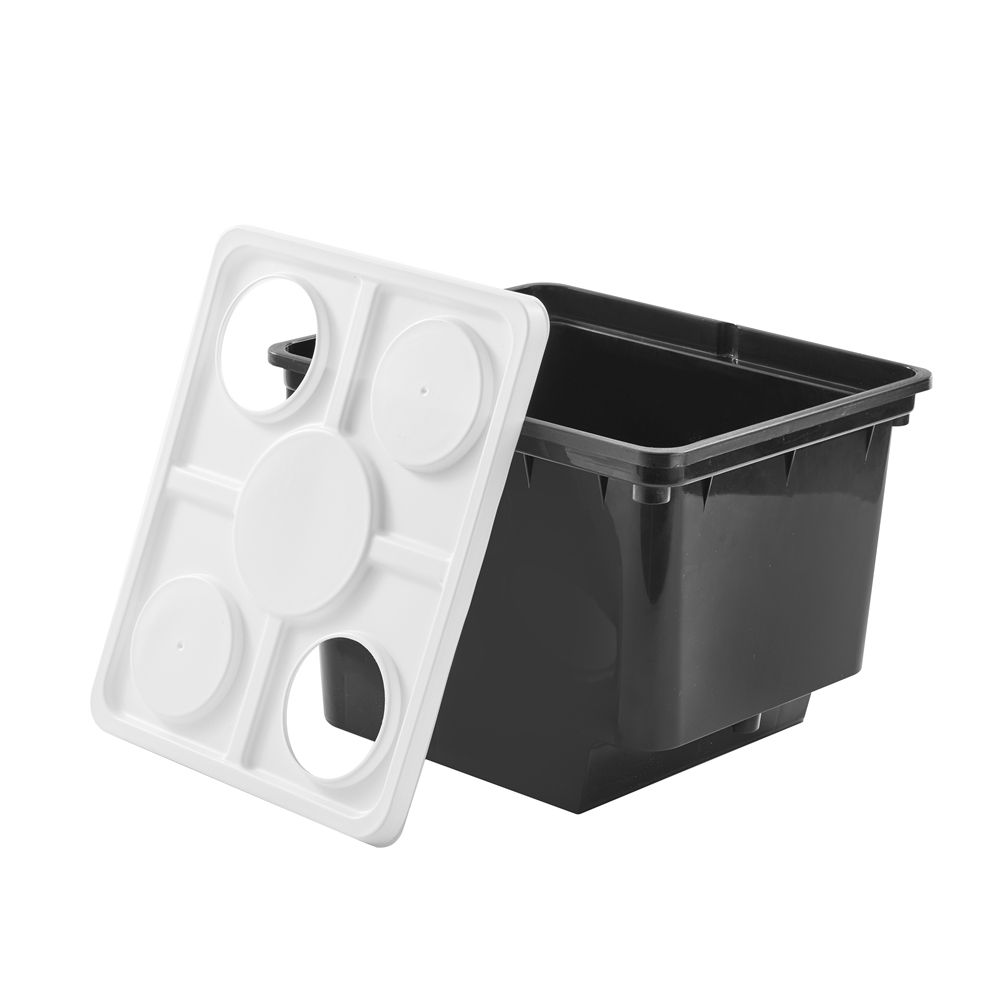
A hydroponic Dutch bucket is a reusable plastic growing container used in soilless cultivation. Plants are typically grown in a substrate such as coco coir, Perlite, clay pebbles, or other suitable growing media.
Nutrient solution is delivered to each bucket through a drip irrigation system. Excess solution drains from the bucket and can either be discharged or collected and returned to a nutrient reservoir in a recirculating hydroponic system.
A typical Dutch bucket hydroponic system consists of:
Dutch buckets
Growing media
Drip irrigation lines
Drippers
Water pump
Nutrient reservoir
Supply pipes
Drainage or return pipes
One of the key advantages of this black Dutch Bucket is its light-blocking design.
The opaque black plastic helps reduce the amount of light entering the bucket and reaching the root zone. This is particularly useful in hydroponic systems because excessive light exposure can encourage algae growth when water and nutrients are present.
The light-blocking design helps:
Reduce light entering the root zone
Help inhibit algae growth
Protect the nutrient solution from excessive light exposure
Maintain a cleaner growing environment
For commercial greenhouse growers, this makes the black hydroponic Dutch bucket a practical choice for maintaining a more controlled root-zone environment.
Plant roots generally perform better when they are protected from direct light exposure.
The opaque structure of the hydroponic growing bucket helps keep the root zone darker and reduces direct exposure to sunlight or artificial light.
This can help provide:
Reduced root exposure to light
A more stable root-zone environment
Better protection of growing media
Cleaner conditions around the plant roots
The black design is therefore not only an aesthetic choice but also provides a functional benefit for soilless cultivation.
The Dutch bucket hydroponic system is designed to work effectively with drip irrigation.
A dripper can deliver water and nutrient solution directly to the growing media and root zone. The excess solution can drain through the bucket's drainage system.
This allows the Dutch bucket to be connected to a complete recirculating hydroponic system.
The system can include:
Drip irrigation pipes
Water pumps
Nutrient reservoirs
Drainage pipes
Return lines
Timers
| Item | Specification |
|---|---|
| Product Name | Hydroponic Dutch Bucket |
| Product Type | Hydroponic Growing Bucket |
| Capacity | 11 L |
| Material | Plastic |
| Color | Black |
| Growing Method | Hydroponic / Soilless Cultivation |
| Irrigation Method | Drip Irrigation |
| Application | Greenhouse, Commercial Hydroponics, Indoor & Outdoor Growing |
| Suitable Crops | Tomatoes, Cucumbers, Peppers, Eggplants, Melons and More |
| System Type | Dutch Bucket Hydroponic System |
| Main Features | Light Blocking, Root Protection, Drip Irrigation Compatible |
A water pump moves nutrient solution from the reservoir to the main irrigation line.
Drippers then deliver the nutrient solution directly into each hydroponic Dutch bucket.
This provides plants with controlled access to water and nutrients.
Unlike NFT systems, Dutch buckets normally provide a larger volume of growing media.
Suitable media may include:
Coco coir
Perlite
Clay pebbles
Cocopeat
Other hydroponic substrates
The growing media supports the plant while providing space for root development.
After irrigation, excess nutrient solution leaves the bucket through the drainage outlet.
In a recirculating system, the drainage solution can be collected and returned to the nutrient reservoir for further use.
This creates a closed-loop Dutch bucket hydroponic system and can improve water and nutrient efficiency.
The relatively large growing volume makes Dutch buckets particularly suitable for crops with larger root systems and longer growing cycles.
Common applications include:
Hydroponic tomatoes
Hydroponic cucumbers
Hydroponic peppers
Hydroponic eggplants
Hydroponic melons
The bucket provides a dedicated growing space for each plant. Combined with light-blocking black material and suitable growing media, this allows growers to manage the root zone more effectively.
Drip irrigation delivers nutrient solution directly to the growing media, allowing growers to control irrigation frequency and nutrient delivery.
Multiple buckets can be connected to the same irrigation and drainage network, making the commercial Dutch bucket system easy to expand for greenhouse projects.
Dutch buckets are widely suited to greenhouse and commercial soilless cultivation because each plant has an individual growing container while the irrigation infrastructure can be shared across multiple plants.
| Feature | Black Dutch Bucket | Transparent / Light-Permeable Container |
|---|---|---|
| Light blocking | Excellent | Limited |
| Root light exposure | Reduced | Higher |
| Algae control | Helps reduce algae growth | More susceptible to light-related algae growth |
| Root-zone protection | Better | Lower |
| Suitable for hydroponics | Yes | Depends on design |
| Commercial greenhouse use | Suitable | Less ideal where root-zone light exposure is a concern |
The key benefit of the black design is light blocking. By reducing light penetration, the bucket helps create a darker root-zone environment and can help reduce conditions that encourage algae growth.
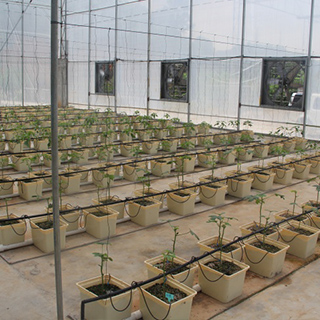
The hydroponic Dutch bucket is particularly suitable for greenhouse cultivation. Multiple buckets can be arranged in rows and connected to a central irrigation and drainage system.
Tomatoes are one of the common crops grown in Dutch bucket systems. The bucket provides space for a larger root system while drip irrigation delivers water and nutrients throughout the growing cycle.
Cucumbers and peppers can also be grown using Dutch buckets with appropriate growing media, irrigation schedules, plant support, and nutrient management.
With appropriate lighting, ventilation, temperature control, and irrigation, Dutch bucket systems can also be used for indoor soilless cultivation.
The black hydroponic Dutch bucket combines a practical growing container with three important functional features:
Light-Blocking Black Material
Reduces light entering the root zone and helps inhibit algae growth.
Root Protection
Reduces direct light exposure to roots and helps maintain a more stable root-zone environment.
Drip Irrigation Compatible
Supports controlled nutrient delivery and can be integrated into a recirculating Dutch bucket hydroponic system.
These features make the black Dutch bucket a practical choice for greenhouse growers, commercial hydroponic farms, and other soilless cultivation projects.
A hydroponic Dutch bucket is a plastic growing container used for soilless cultivation. Plants grow in a suitable substrate while water and nutrient solution are supplied through drip irrigation.
Black plastic provides light blocking, which helps reduce light penetration into the root zone and can help inhibit algae growth.
Yes. The opaque black material reduces direct light exposure around the roots and helps maintain a darker and more stable root-zone environment.
Drip irrigation is commonly used with Dutch bucket systems because it allows water and nutrient solution to be delivered directly to the growing media.
Yes. Multiple Dutch buckets can be connected to supply and drainage pipes, allowing excess nutrient solution to return to a central reservoir.
Dutch buckets are particularly suitable for tomatoes, cucumbers, peppers, eggplants, melons, and other relatively large fruiting or vine crops.
Yes. Multiple buckets can be connected to a centralized irrigation and drainage system, making them suitable for greenhouse and commercial hydroponic cultivation.

G and N is serving for more than 1,000 customers over 122 countries around the world, offering high-quality products and services to global customers.
Copyright © 2026 G AND N FORTUNE LIMITED All rights reserved.