
 English

Products
Productos principales:Canal hidroponico NFT/Cubo holandes hidroponico/Canalon de fresa/
Maceta de red de plastico/Medios de cultivo Rockwool
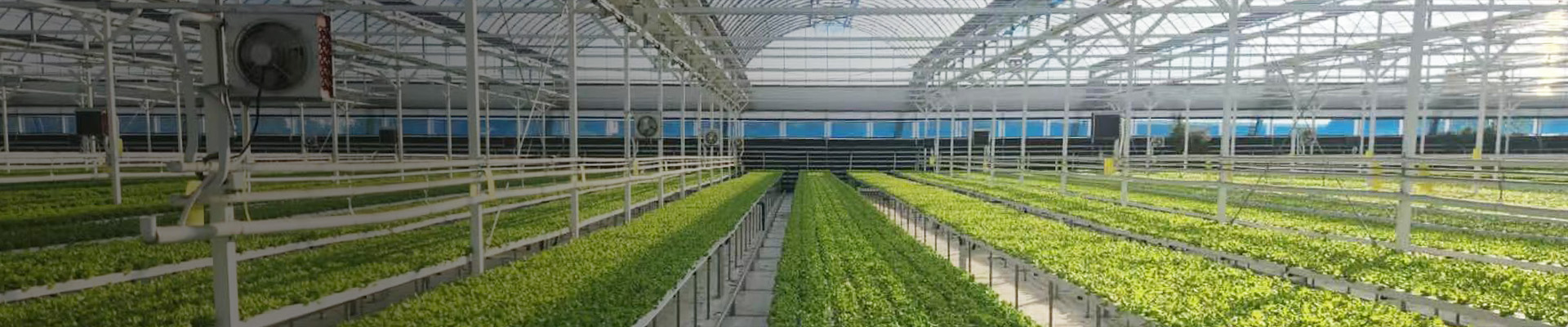
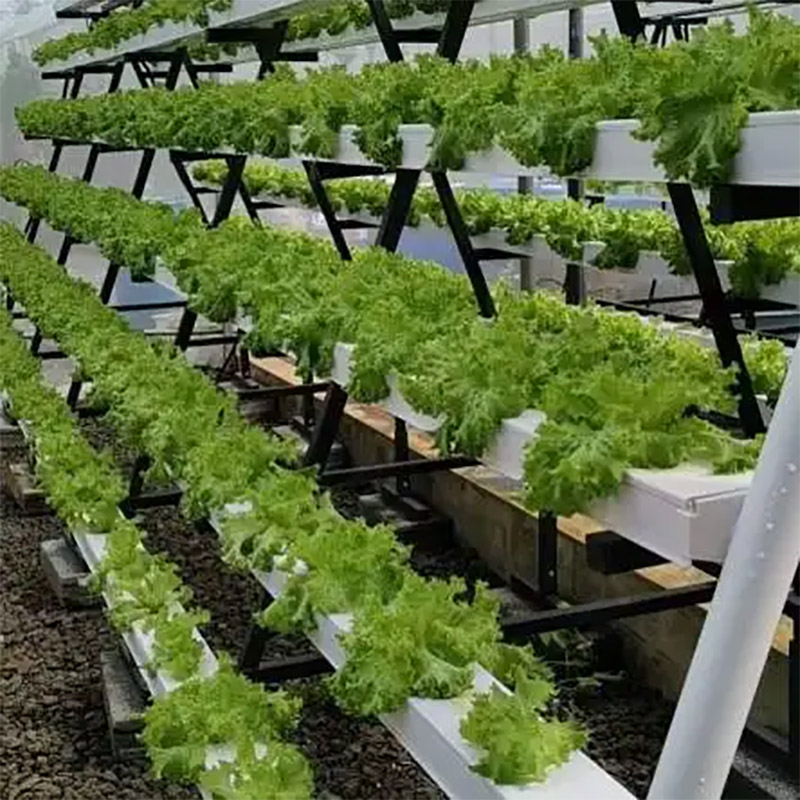


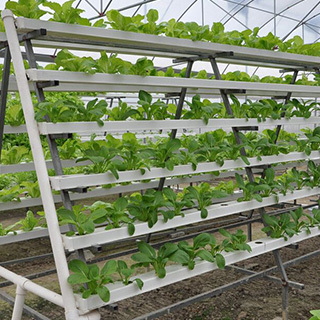
Our Small Hydroponic Growing Tower is a compact vertical farming solution designed for small greenhouses, indoor farms, home gardens, and small-scale commercial cultivation. Using a vertical soilless growing structure, this Hydroponic Growing Tower allows growers to cultivate multiple plants in a limited floor area while efficiently managing water and nutrients.
Designed for modern vertical hydroponic systems, the tower is suitable for growing microgreens, leafy vegetables, herbs, mungbean sprouts, and other crops suitable for vertical cultivation. It can be used as an independent growing unit or integrated into a larger greenhouse or indoor farming project.
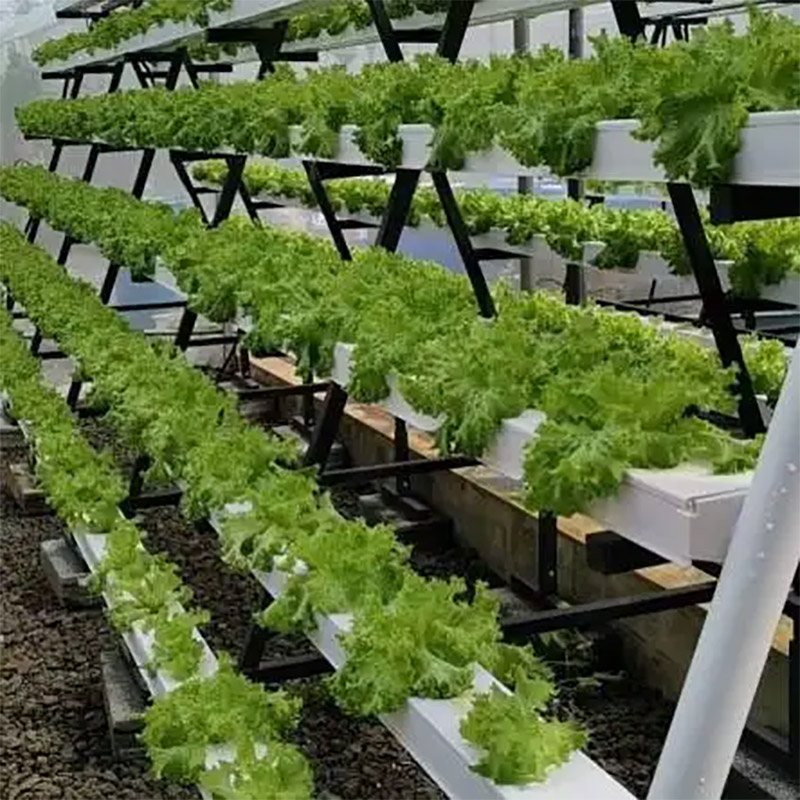
The main advantage of a Small Hydroponic Growing Tower is its ability to make better use of vertical space.
Instead of spreading plants across a large horizontal growing area, multiple planting positions can be arranged vertically. This makes the system particularly useful for:
Small greenhouses
Indoor farms
Urban agriculture
Rooftop gardens
Home gardens
Small commercial farms
Microgreen production
For growers working with limited floor space, a Vertical Hydroponic System can provide more planting positions within the same footprint.
The hydroponic tower uses a soilless cultivation method, eliminating the need for traditional agricultural soil.
Plants receive water and nutrients through the hydroponic irrigation system. This allows growers to manage important growing conditions more directly, including nutrient supply and irrigation frequency.
Soilless cultivation can also help reduce issues associated with soil-borne diseases, soil compaction, and continuous cropping.
The Small Hydroponic Growing Tower is suitable for different types of microgreens and young leafy crops, depending on the planting configuration.
Potential crops include:
Radish microgreens
Broccoli microgreens
Mustard microgreens
Pea shoots
Sunflower shoots
Other leafy microgreens
Microgreens generally have short production cycles, making them suitable for controlled-environment growing systems.
The tower can also be used for mungbean growing and related sprout cultivation applications when the growing structure and environmental conditions are appropriately configured.
A controlled growing environment allows growers to manage irrigation, humidity, temperature, and lighting according to crop requirements.
The vertical structure allows several growing levels to occupy a relatively small floor area.
Compared with conventional horizontal cultivation, this can help improve space utilization in:
Small greenhouses
Indoor growing rooms
Urban farms
Rooftop growing areas
A Vertical Hydroponic System can circulate water and nutrient solution through the growing structure.
A typical system includes a nutrient reservoir, water pump, irrigation pipes, growing tower, and return drainage.
The basic circulation is:
Nutrient Reservoir → Water Pump → Hydroponic Tower → Drainage → Reservoir
This recirculating approach can help reduce unnecessary water consumption when the system is properly designed and managed.
The compact structure allows growers to manage multiple plants within an organized growing area.
Depending on the system design, planting, irrigation, inspection, and harvesting can be performed through accessible growing openings or levels.
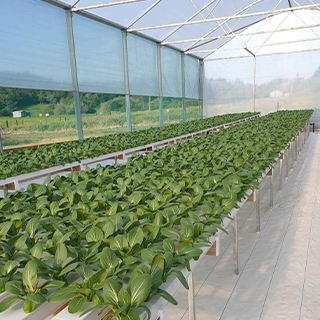
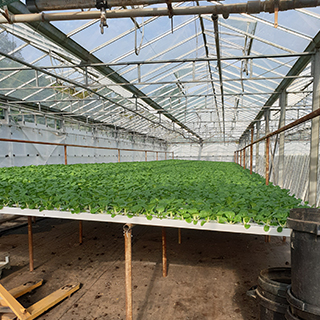
The Hydroponic Growing Tower can be installed inside a greenhouse or indoor growing facility.
Additional equipment can be integrated according to the project requirements, such as:
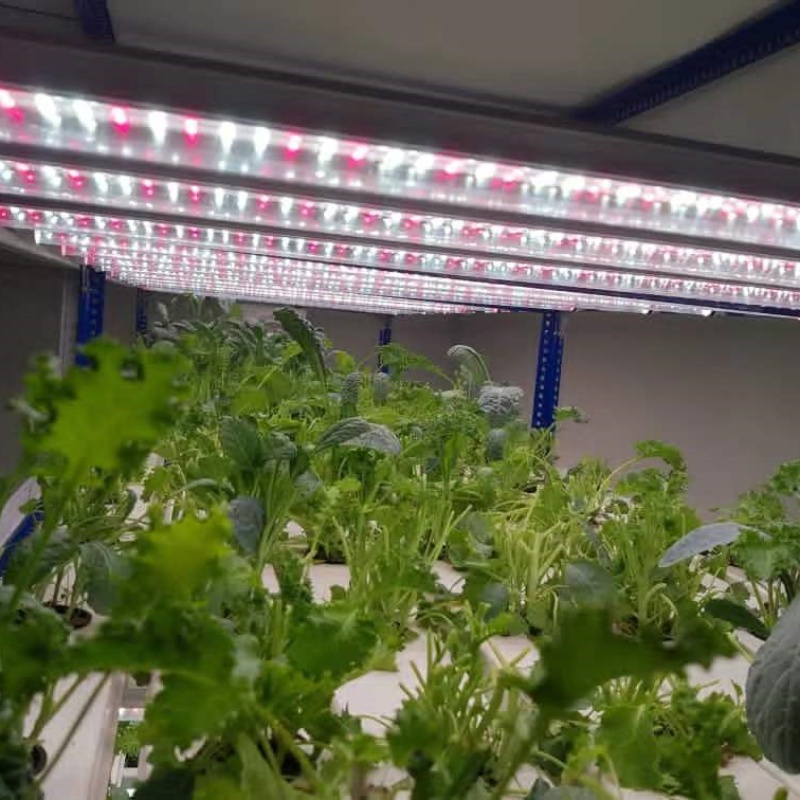
LED grow lights
Irrigation systems
Ventilation systems
Cooling systems
Temperature control
Humidity control
This makes the tower suitable for controlled-environment agriculture and vertical farming applications.
For small greenhouse projects, a Small Hydroponic Growing Tower can provide a space-efficient alternative to traditional horizontal beds.
Multiple towers can be arranged according to the greenhouse layout to increase growing capacity without requiring a large increase in floor area.
The Vertical Hydroponic System can be used in indoor environments where natural growing space is limited.
LED grow lights can be installed around the growing towers to provide supplemental or primary lighting according to the crop and facility design.
The compact tower structure can be used as a Microgreen Growing System for small-scale production and controlled growing environments.
Because of its small footprint, the Hydroponic Tower is suitable for urban agriculture projects where available land is limited.
It can be used in:
Rooftop farms
Community gardens
Indoor farms
Educational growing projects
Small urban farms
The compact design also makes it suitable for home gardens and hobby growers who want to experiment with vertical hydroponic cultivation.
Water and hydroponic nutrients are added to the reservoir according to the requirements of the selected crop.
A water pump transports the nutrient solution from the reservoir to the top or designated irrigation point of the Hydroponic Growing Tower.
The irrigation system distributes the nutrient solution through the growing tower, allowing plant roots to access water and nutrients.
After passing through the growing structure, excess solution returns to the reservoir and can be circulated again.
This creates a continuous hydroponic growing cycle.
The vertical design makes it possible to grow more plants within a smaller floor area.
The system eliminates the need for conventional soil and provides a controlled method of water and nutrient delivery.
The tower can be used in greenhouses, indoor farms, rooftops, home gardens, and other suitable cultivation environments.
Depending on the tower configuration, it can be used for microgreens, leafy vegetables, herbs, mungbean, and other suitable crops.
Although designed as a small vertical growing solution, multiple towers can be combined to create a larger Commercial Vertical Farming System.
The growing demand for efficient agricultural production has increased interest in Vertical Farming Systems.
A Small Hydroponic Growing Tower provides a practical way to introduce vertical cultivation into areas where conventional farming space is limited.
For commercial applications, multiple towers can be connected with centralized irrigation and nutrient management systems. Greenhouse environmental control equipment can also be added to create a complete controlled growing environment.
Traditional agriculture depends heavily on available soil and horizontal growing space. A Hydroponic Growing Tower takes a different approach by using vertical space and soilless cultivation.
The main differences include:
| Feature | Small Hydroponic Growing Tower | Traditional Growing |
|---|---|---|
| Growing Method | Soilless | Soil-based |
| Space Utilization | Vertical | Mainly horizontal |
| Water Delivery | Controlled irrigation | Soil irrigation |
| Nutrient Management | Direct nutrient solution | Soil-based nutrient supply |
| Soil Required | No | Yes |
| Indoor Use | Suitable | More limited |
| Vertical Farming | Suitable | Generally unsuitable |
A Small Hydroponic Growing Tower is a compact vertical growing system that uses hydroponic or soilless cultivation methods to grow plants in multiple vertical positions.
Depending on the system design, it can be used for microgreens, leafy vegetables, herbs, mungbean sprouts, and other crops suitable for vertical hydroponic cultivation.
Yes. Its compact vertical structure makes it particularly suitable for small greenhouses where floor space is limited.
Yes. The system can be used for indoor vertical farming. LED grow lights and environmental control equipment can be added when natural sunlight is insufficient.
No. A hydroponic tower is designed for soilless cultivation and supplies plants with water and nutrients through a controlled irrigation system.
Yes. Multiple towers can be installed together and connected to a shared irrigation and nutrient management system to create a larger vertical farming project.
Yes. While a small tower is suitable for small-scale cultivation, multiple units can be combined for commercial Vertical Hydroponic Farming and greenhouse production.

G and N is serving for more than 1,000 customers over 122 countries around the world, offering high-quality products and services to global customers.
Copyright © 2026 G AND N FORTUNE LIMITED All rights reserved.