
 English


Products
Productos principales:Canal hidroponico NFT/Cubo holandes hidroponico/Canalon de fresa/
Maceta de red de plastico/Medios de cultivo Rockwool
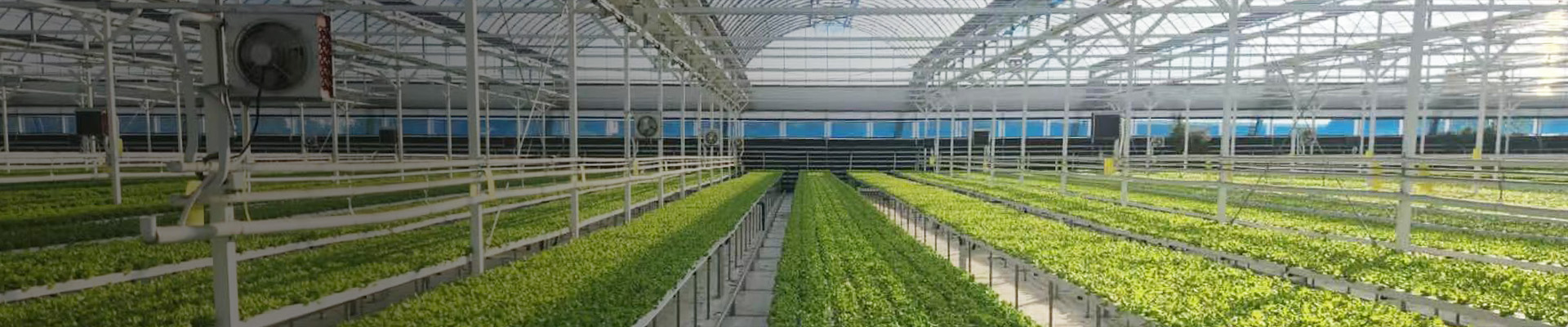
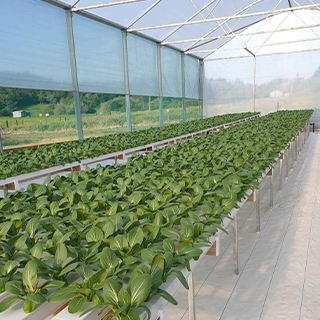


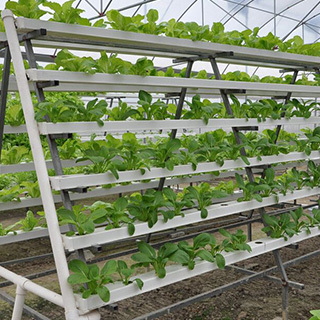
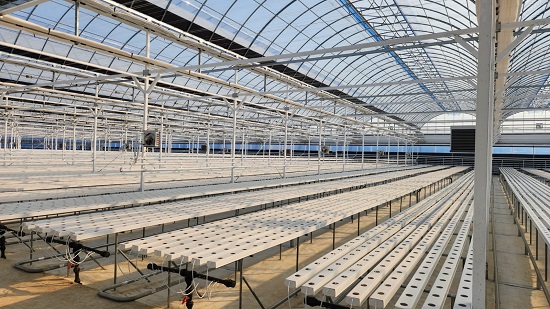
The Horizontal Type Hydroponic PVC Channel is a highly efficient growing solution designed for modern hydroponic farming systems and NFT hydroponic systems (Nutrient Film Technique). As a core component of a hydroponic grow channel, this system allows nutrient-rich water to flow continuously through specially designed channels, delivering water, oxygen, and nutrients directly to plant roots without the need for soil.
Manufactured from durable food-grade PVC, the hydroponic PVC channel system is widely used in commercial greenhouses, indoor farms, urban agriculture projects, and research facilities. Its modular design, low maintenance requirements, and excellent scalability make it an ideal solution for growing lettuce, herbs, spinach, kale, and other leafy vegetables.
Whether you are building a hydroponic channel system indoor, a greenhouse NFT system, or a large-scale commercial hydroponic farming system, our Horizontal Type Hydroponic PVC Channel provides reliable performance and high productivity.
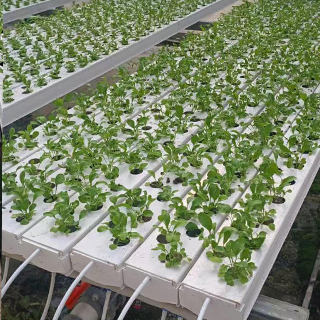
A Horizontal Type Hydroponic PVC Channel is a specially designed hydroponic planting channel used in NFT and other hydroponic systems. Plants are placed in net pots above the channels while their roots extend into a shallow stream of circulating nutrient solution.
In this PVC hydroponic channel system:
Nutrient solution continuously flows through the channels.
Roots absorb water, oxygen, and nutrients directly.
Excess solution returns to the reservoir for recirculation.
Plants grow in a clean, soilless environment.
The horizontal hydroponic system is especially suitable for fast-growing crops with shallow root systems and is one of the most widely adopted solutions in modern hydroponic agriculture.
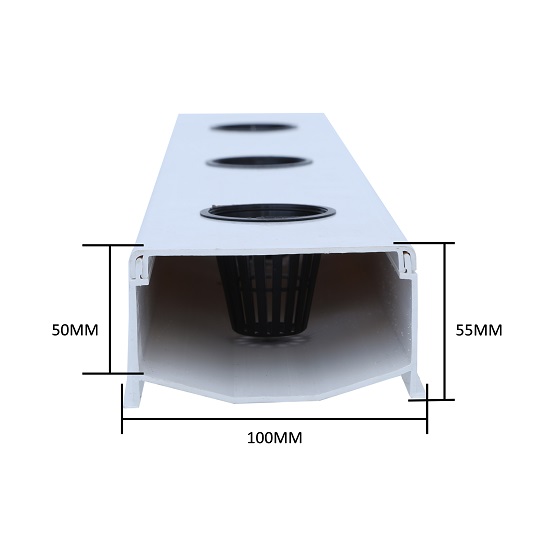 Product Parameters
Size: 100×50mm, 100×40mm, 110×110mm
Length: 2.9m, 3m, 5.8m, customizable
Material: Food grade PVC
The use of food-grade materials ensures safety and durability, making the PVC hydroponic channel system suitable for long-term agricultural use.
The horizontal hydroponic PVC channel plays a key role in delivering nutrients efficiently in a hydroponic grow system:
Provides continuous water and nutrient flow directly to plant roots
Eliminates the need for soil in a hydroponic garden system
Supports efficient crop production in controlled environments
Reduces water consumption compared to traditional farming
This makes it an essential component in any hydroponic farming system.
The hydroponic PVC channel system operates using the Nutrient Film Technique (NFT).
A reservoir stores water mixed with essential nutrients.
A water pump transfers the nutrient solution into the hydroponic grow channel.
A shallow layer of nutrient solution flows through the hydroponic planting channel, ensuring roots receive continuous access to nutrients and oxygen.
The excess solution drains back to the reservoir and is reused.
This recirculating process makes the NFT hydroponic PVC channel highly efficient and environmentally friendly.
The NFT hydroponic PVC channel design allows a thin layer of nutrient solution to flow over plant roots, improving nutrient absorption and plant health.
The horizontal layout enhances sunlight exposure and ensures proper air circulation, which is critical for plant growth in a hydroponic channel system indoor or greenhouse setup.
The supporting structure allows the hydroponic grow channel to be installed in various orientations, adapting to different farm layouts and maximizing space efficiency.
This hydroponic PVC channel system is easy to operate, requiring minimal manual intervention for planting, monitoring, and harvesting.
The horizontal hydroponic system ensures uniform nutrient distribution, leading to faster growth and improved crop yield.
Unlike vertical systems, the horizontal hydroponic grow system efficiently uses horizontal space, making it ideal for large-scale production environments.
The modular structure allows easy expansion, making the hydroponic PVC channel system for lettuce and other crops suitable for both small and large farms.
With fewer moving parts, this PVC channel hydroponic system is cost-effective and easy to maintain over time.
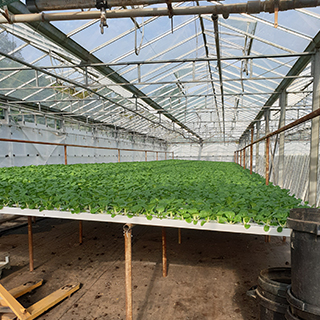
The horizontal hydroponic PVC channel is widely used in commercial farms for growing leafy vegetables such as lettuce, spinach, and herbs.
Perfect for greenhouse environments, where temperature, humidity, and light can be controlled for optimal plant growth.
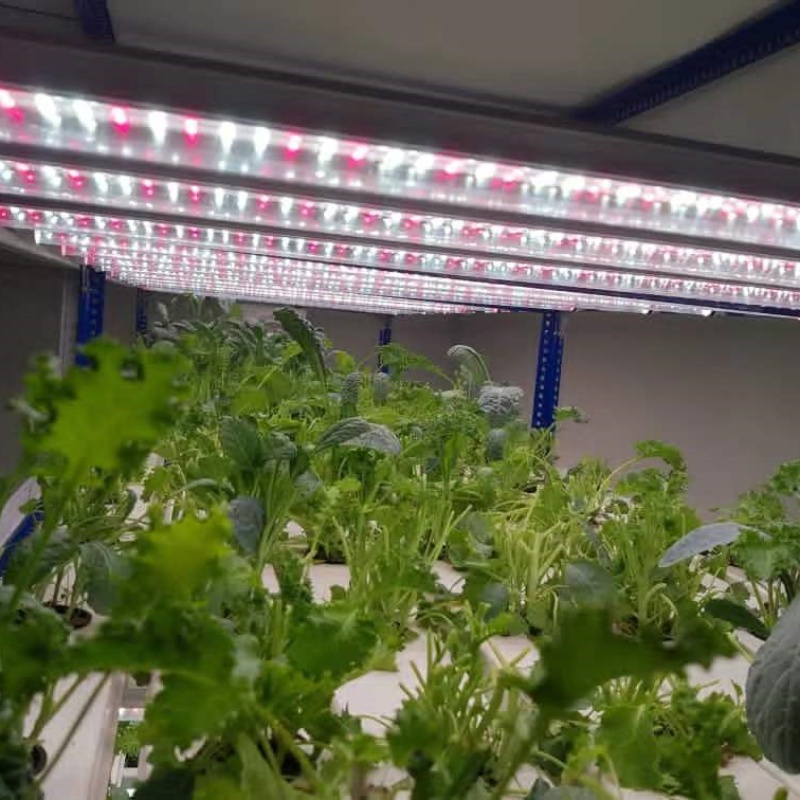
Ideal for indoor farming setups where space is limited and efficient production is required.
Suitable for urban farming and high-density production systems, supporting sustainable food production in cities.
Commonly used in laboratories, universities, and training centers to demonstrate hydroponic growing system design and NFT techniques.
The horizontal type hydroponic PVC channel system is a reliable and efficient solution for modern hydroponic agriculture. As a key part of the hydroponic grow system, it provides consistent nutrient delivery, reduces water usage, and enhances crop productivity.
With its flexible design, low maintenance requirements, and scalability, the horizontal hydroponic PVC channel is an ideal choice for commercial growers, greenhouse operators, and indoor farming systems looking to optimize their hydroponic farming system.
A horizontal hydroponic PVC channel is a growing component used in a hydroponic farming system, especially in NFT (Nutrient Film Technique). It allows a thin layer of nutrient solution to flow through the channel, delivering water and nutrients directly to plant roots without soil.
In a PVC hydroponic channel system, a pump circulates nutrient-rich water from a reservoir through the channels. The water flows along the bottom of the hydroponic grow channel, forming a thin film that continuously feeds plant roots before returning to the reservoir.
The horizontal hydroponic system is ideal for lightweight and fast-growing crops such as:
Lettuce
Spinach
Kale
Herbs (basil, mint, parsley)
These crops perform well in a hydroponic planting channel due to their shallow root systems.
The hydroponic PVC channel system offers several benefits:
Efficient water and nutrient usage
Faster plant growth
Soil-free and clean operation
Suitable for large-scale production
Easy to expand and maintain
Yes, the hydroponic channel system indoor is widely used in indoor farms. When combined with grow lights and climate control, it becomes a highly productive indoor hydroponic system.
Yes, the horizontal type hydroponic PVC channel system can be customized in terms of:
Length
Size
Hole spacing
Layout design
This flexibility allows it to fit different greenhouse or indoor farming setups.
To keep your hydroponic grow system running efficiently:
Clean channels regularly to prevent clogging
Check water pump and flow rate
Maintain proper nutrient concentration
Monitor pH levels (typically 5.5–6.5)
Proper maintenance ensures long-term performance.
The NFT hydroponic PVC channel is popular because it:
Provides continuous nutrient flow
Improves oxygen supply to roots
Reduces water waste
Supports high-density planting
These features make it a preferred choice in modern hydroponic growing system design.
Yes, the horizontal hydroponic PVC channel is widely used in commercial farms. Its modular design allows easy expansion, making it ideal for large-scale hydroponic farming systems.
Compared to a vertical system, a horizontal hydroponic grow system:
Is easier to manage and harvest
Provides more uniform nutrient distribution
Requires more horizontal space but less height
Both systems can be used depending on space and production goals.

G and N is serving for more than 1,000 customers over 122 countries around the world, offering high-quality products and services to global customers.
Copyright © 2026 G AND N FORTUNE LIMITED All rights reserved.