

 English

News
Focus on G AND N FORTUNE LIMITED - Get to know the new information of the industry quickly!

2026-10-14 14:29:06
An NFT growing system is a hydroponic growing method that uses a thin, continuously flowing layer of nutrient-rich water to deliver essential nutrients and moisture to plant roots. NFT stands for Nutrient Film Technique, a popular soilless cultivation method used in commercial greenhouses and indoor farms.
Unlike traditional soil-based farming, an NFT hydroponic system allows plants to grow in dedicated channels without soil. A water pump circulates nutrient solution from a reservoir through the growing channels and back to the tank, helping plants absorb the nutrients they need for healthy growth.
NFT growing systems are widely used for lettuce, spinach, herbs, and other leafy greens. With the right channel design, water flow, and nutrient management, they can help growers improve water efficiency, make better use of growing space, and maintain consistent cultivation conditions.
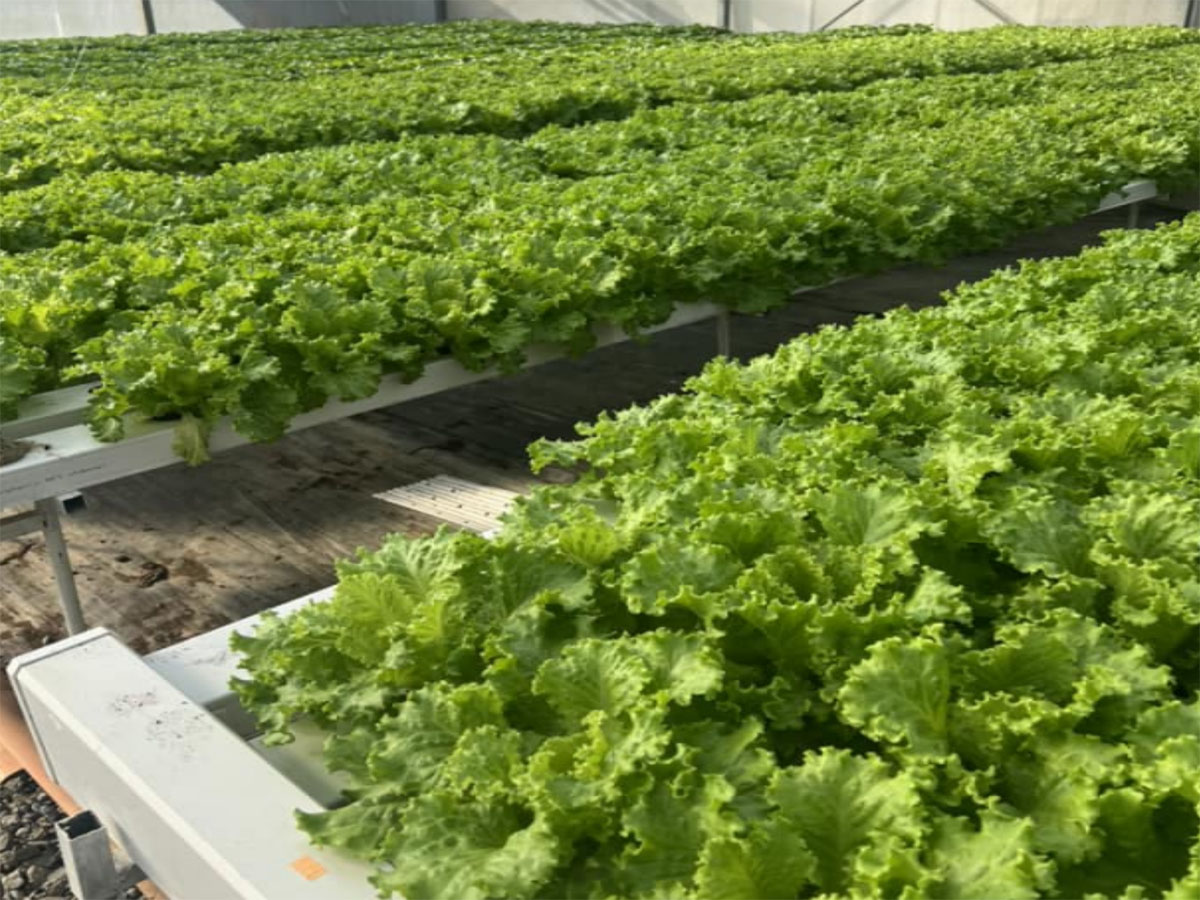
An NFT hydroponic growing system operates through a continuous nutrient solution circulation process. Its main components typically include NFT Channels, a nutrient reservoir, a water pump, connecting pipes, and a return drainage system.
A water pump moves nutrient-rich water from the reservoir into the NFT hydroponic channels. The solution contains essential elements required for plant development, including nitrogen, phosphorus, potassium, and other nutrients.
The NFT channels are installed with a slight slope, allowing a shallow film of nutrient solution to flow along the bottom. Plants are placed in openings on the channel surface, with their roots extending into the channels to absorb water and nutrients.
Because the nutrient solution forms a relatively shallow film, part of the root system can remain exposed to air. This helps provide oxygen to the roots while they absorb water and dissolved nutrients.
After flowing through the growing channels, the remaining nutrient solution returns to the reservoir. It can then be pumped through the system again, reducing water waste compared with many non-recirculating growing methods.
A well-designed NFT growing system combines several components to maintain stable water flow and support healthy plant growth.
NFT hydroponic channels provide the growing space for plants and guide nutrient solution along the root zone. They are commonly made from materials such as PVC and feature planting holes designed for suitable Net Pots or growing plugs.
Channel dimensions, wall thickness, hole spacing, and drainage design should match the crop type and growing requirements. For commercial growers, durable and easy-to-clean NFT channels can help simplify daily operations.
The reservoir stores the nutrient solution and supplies water to the circulation system. Growers typically monitor water level, pH, and electrical conductivity (EC) to maintain suitable nutrient conditions.
The pump delivers nutrient solution to the channels, while the pipes distribute the solution and return excess liquid to the reservoir. Proper flow rate and reliable connections are essential for consistent nutrient delivery.
Depending on the farm layout, an NFT hydroponic system may include racks, channel supports, net pots, filters, valves, and monitoring equipment. These components help improve installation stability and simplify system maintenance.
NFT growing systems are particularly suitable for plants with relatively small root systems and short growing cycles.
Common crops include:
Lettuce: A widely grown crop in commercial NFT hydroponic farms.
Spinach: Can be cultivated in appropriately designed channels with suitable nutrient and environmental management.
Basil and other herbs: Suitable for many NFT setups because of their compact root systems.
Arugula and leafy greens: Often grown in commercial hydroponic channels for fresh-market production.
NFT systems are generally less suitable for large plants with extensive root systems or heavy fruit loads unless the system is specifically designed for those crops.
An NFT hydroponic system recirculates nutrient solution, helping reduce water consumption and nutrient losses when properly managed. Water quality and nutrient concentration still require regular monitoring.
NFT channels can be arranged in parallel rows or integrated into carefully planned greenhouse layouts. This allows growers to organize planting areas efficiently and manage crops in a structured production environment.
Without soil, growers can monitor and adjust the nutrient solution directly. Regular checks of pH, EC, temperature, and flow conditions help maintain a suitable growing environment.
Plants grow in channels rather than directly in soil, which can reduce soil-related mess and simplify some cleaning and harvesting tasks. Good sanitation practices are still necessary to prevent the spread of root diseases.
NFT growing systems can be configured for small-scale cultivation or larger commercial hydroponic farms. Standardized channels and repeatable layouts help growers organize planting, maintenance, and harvesting operations.
Selecting the right NFT hydroponic channel is important for achieving reliable water circulation and efficient crop production.
PVC NFT channels are commonly used because they are lightweight and can be manufactured in different dimensions. When selecting a channel, buyers should consider material quality, wall thickness, UV resistance for exposed installations, and suitability for agricultural use.
The channel width, depth, hole diameter, and spacing influence plant support and available root space. Buyers should choose specifications according to crop type, planting density, and the intended growing system.
A suitable channel design helps maintain a shallow, even flow of nutrient solution. Channel slope, inlet positioning, outlet size, and installation accuracy should be considered together to reduce the risk of uneven flow or water accumulation.
Commercial hydroponic projects may require customized channel lengths, planting hole configurations, support structures, and compatible accessories. Working with an experienced NFT hydroponic channel supplier can help buyers match product specifications to their farm layout and installation requirements.
An NFT growing system differs from traditional soil cultivation in how plants receive water, nutrients, and root support.
| Feature | NFT Growing System | Traditional Soil Growing |
|---|---|---|
| Growing Medium | No soil required | Soil or other growing media |
| Nutrient Delivery | Circulating nutrient solution | Nutrients supplied through soil and fertilizers |
| Water Management | Recirculating system | Depends on irrigation and soil conditions |
| Root Environment | Channels with flowing nutrient solution and air exposure | Soil provides root support and moisture |
| Nutrient Monitoring | pH and EC can be monitored directly | Soil and nutrient conditions require different testing methods |
| System Requirements | Pumps, channels, reservoir, and piping | Soil preparation and suitable irrigation |
| Common Applications | Leafy greens and herbs | A broad range of crops |
NFT cultivation offers greater direct control over nutrient delivery, but it also depends on reliable equipment and careful water management. Soil growing may be more suitable for crops or locations where hydroponic infrastructure is impractical.
NFT stands for Nutrient Film Technique. It is a hydroponic growing method in which a thin layer of nutrient solution flows through channels and supplies water and nutrients to plant roots.
No. NFT growing systems do not require soil. Plants are usually supported by net pots, growing plugs, or similar holders while their roots extend into the channels.
An NFT growing system refers to the complete setup, including channels, pumps, reservoirs, pipes, and other components. An NFT channel is one component of the system that supports plants and directs nutrient solution through the root zone.
Yes. NFT growing systems are commonly used in commercial production of lettuce, herbs, and other leafy greens. The system size and configuration should be selected according to crop requirements, production targets, and available growing space.
Buyers should evaluate channel material, dimensions, wall thickness, planting hole specifications, drainage design, durability, and customization options. Compatibility with the planned circulation system is also important.
An NFT growing system is an efficient soilless cultivation method that uses a thin, circulating film of nutrient solution to support plant growth. It is particularly useful for leafy greens and herbs in greenhouse and commercial hydroponic production.
For growers planning to build or expand an NFT hydroponic farm, choosing suitable NFT hydroponic channels and reliable circulation components is essential. By matching channel specifications to crop requirements and maintaining stable nutrient flow, growers can build a practical system for consistent, space-efficient production.
If you are looking for NFT hydroponic channels for a commercial growing project, consider the channel dimensions, material, planting hole layout, and customization requirements before selecting a suitable solution.

G and N is serving for more than 1,000 customers over 122 countries around the world, offering high-quality products and services to global customers.
Copyright © 2026 G AND N FORTUNE LIMITED All rights reserved.


