
 English

News
Focus on G AND N FORTUNE LIMITED - Get to know the new information of the industry quickly!

2026-07-23 14:32:16
With the increasing demand for sustainable agriculture and efficient food production, hydroponics has become one of the most popular soilless growing methods worldwide. Many growers, farmers, and gardening enthusiasts are interested in what is hydroponics advantages and disadvantages because they want to understand whether this modern growing technology is suitable for home gardening or commercial cultivation.
Unlike traditional farming, hydroponics does not require soil. Instead, plants grow with their roots exposed to a nutrient-rich water solution that provides essential minerals and oxygen. This technology is widely used in indoor hydroponic systems, greenhouse farming, vertical farming, and commercial hydroponic systems.
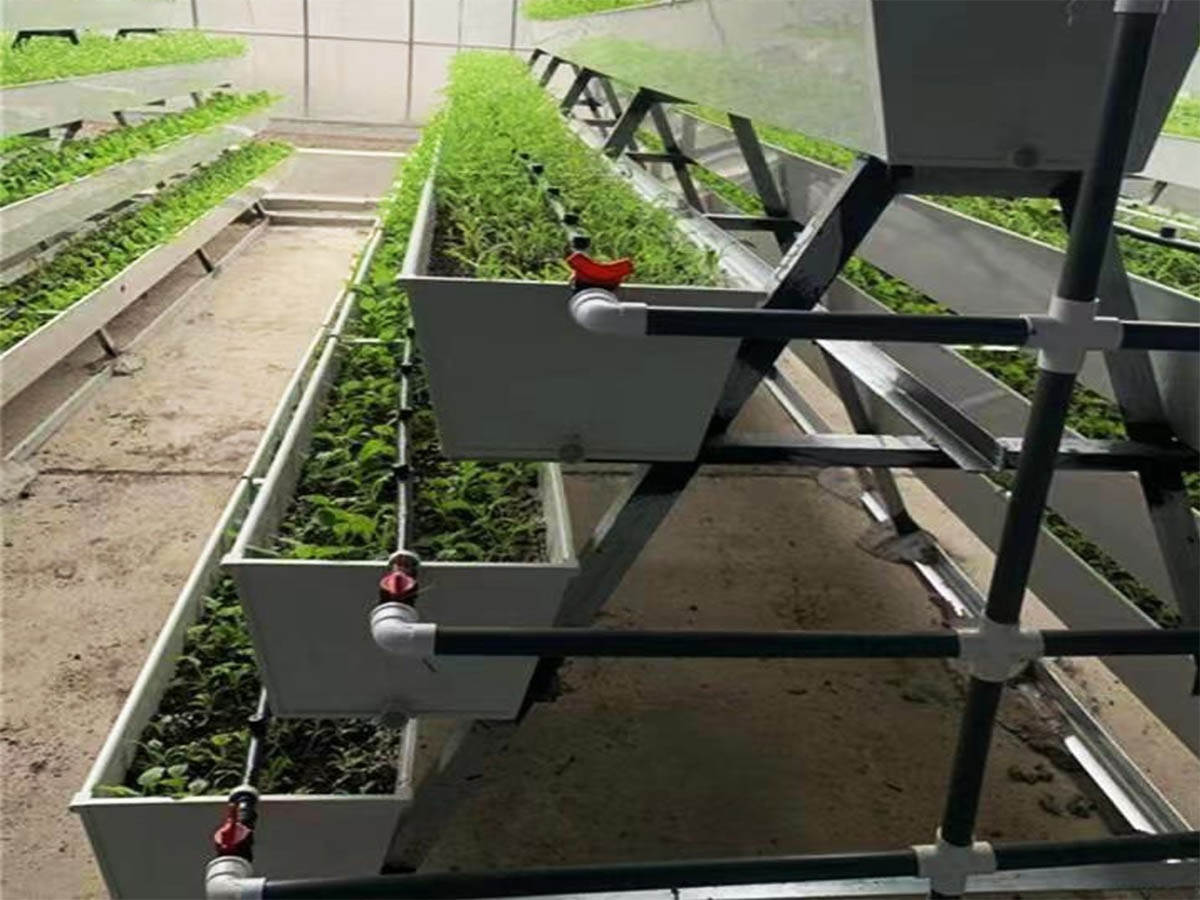
Hydroponics is a soilless cultivation method that allows plants to grow by absorbing nutrients directly from water instead of soil.
In a traditional farming system, plants obtain nutrients from soil. However, in a hydroponic system, growers provide all essential nutrients through a carefully balanced solution containing:
Nitrogen
Phosphorus
Potassium
Calcium
Magnesium
Trace minerals
The roots receive the necessary water, nutrients, and oxygen, allowing plants to grow efficiently in a controlled environment.
Hydroponics is commonly applied in:
Indoor farming
Greenhouse vegetable production
Vertical agriculture
Urban farming
Commercial crop production
A hydroponics growing system works by delivering nutrient solution directly to plant roots. Depending on the system design, plants may grow in water, growing media, or specialized channels.
The main components usually include:
Growing channels or trays
Water reservoir
Water pump
Nutrient solution
Lighting system (for indoor applications)
The nutrient solution is circulated through the system, allowing plants to absorb nutrients while reducing water waste.
An NFT hydroponic system (Nutrient Film Technique) is one of the most popular hydroponic methods.
In an NFT system, a thin layer of nutrient solution continuously flows through hydroponic channels, allowing plant roots to absorb nutrients while receiving oxygen.
NFT systems are commonly used for:
Lettuce
Leafy vegetables
Herbs
Small crops
Advantages include:
Efficient water use
High productivity
Easy harvesting
Suitable for commercial production
A DWC System places plant roots directly into oxygenated nutrient water.
Features:
Simple structure
Fast plant growth
Suitable for beginners
An ebb and flow system, also called a flood and drain system, works by periodically flooding the growing tray with nutrient solution and then draining it back into the reservoir.
Benefits:
Better root oxygen supply
Efficient nutrient delivery
Suitable for seedlings and vegetables
A vertical hydroponic system uses vertical structures to maximize growing space.
It is ideal for:
Indoor gardening
Urban agriculture
Limited-space farming
A vertical hydroponic system can produce more crops in a smaller area compared with traditional farming.
One of the biggest advantages of hydroponics is faster plant development.
Because nutrients are directly available to plant roots, plants do not need to spend energy searching for nutrients in soil.
Benefits include:
Faster nutrient absorption
Shorter growing cycles
Higher production efficiency
A major benefit of a hydroponic growing system is reduced water consumption.
Most hydroponic systems recycle nutrient solution, which helps:
Reduce water waste
Improve irrigation efficiency
Support sustainable agriculture
Compared with traditional soil farming, hydroponics can significantly reduce water usage.
Since hydroponics does not rely on soil, it can be used in areas with:
Poor soil quality
Limited farmland
Urban environments
This makes indoor hydroponic systems and vertical hydroponic systems ideal solutions for modern agriculture.
Hydroponics allows growers to maximize production in limited spaces.
Systems such as:
NFT hydroponic systems
Vertical hydroponic towers
Hydroponic grow kits
can increase planting density and improve land utilization.
A hydroponic system allows growers to control important factors, including:
Nutrient concentration
pH level
Water quality
Temperature
Lighting
This provides a more stable growing environment and improves crop consistency.
Because hydroponics does not use soil, it reduces many soil-related problems, such as:
Soil-borne diseases
Weeds
Certain pests
This can reduce the need for chemical pesticides.
One of the main disadvantages of hydroponics is the initial setup cost.
A complete system may require:
Hydroponic channels
Water pumps
Reservoir tanks
Nutrient solutions
Control equipment
The investment is usually higher than traditional gardening.
Although hydroponics can be efficient, growers need to understand how to manage:
pH levels
EC values
Nutrient balance
Water quality
Incorrect settings may affect plant growth.
Most hydroponic systems rely on equipment such as pumps and timers.
Possible risks include:
Power outages
Pump failures
Irrigation problems
Regular monitoring is important to maintain stable operation.
A hydroponic growing system needs regular maintenance, including:
Checking nutrient levels
Cleaning channels
Monitoring root health
Adjusting water conditions
Proper management helps maintain long-term productivity.
Some hydroponic systems, especially indoor farming systems, require:
LED grow lights
Water pumps
Climate control equipment
This may increase operating costs.
| Feature | Advantages | Disadvantages |
|---|---|---|
| Growing Method | No soil required | Requires technical knowledge |
| Water Usage | Saves water through recycling | Needs water quality monitoring |
| Production | Faster growth and higher yield | Higher initial investment |
| Space | Suitable for small spaces | Requires equipment setup |
| Control | Precise nutrient management | Regular maintenance required |
| Environment | Fewer soil diseases | Depends on electricity and equipment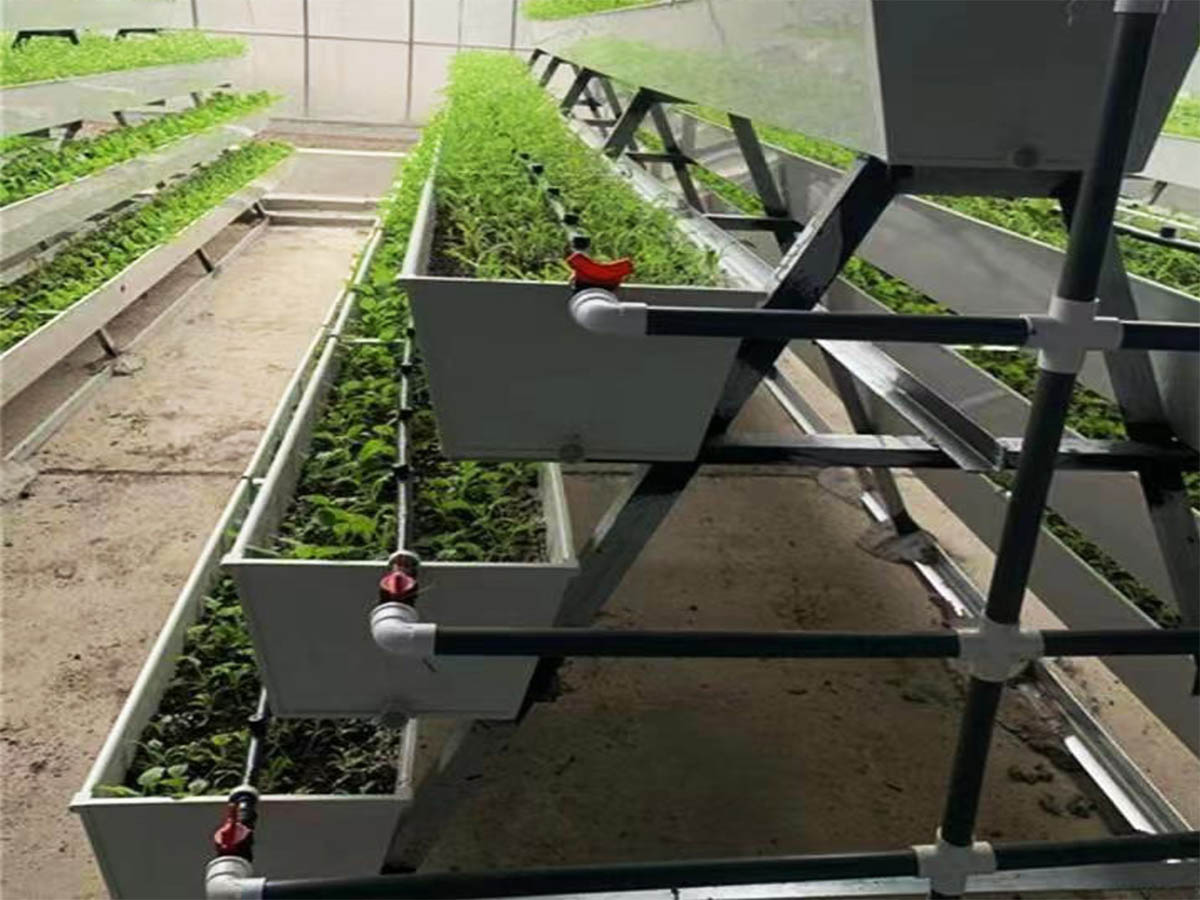 |
Yes, commercial hydroponic systems are widely used for large-scale agricultural production.
Commercial growers use hydroponics for:
Lettuce production
Herb farming
Strawberry cultivation
Vertical farming projects
Greenhouse vegetable production
Popular commercial solutions include:
NFT hydroponic systems
Hydroponic channels
Ebb and flow systems
Vertical hydroponic systems
These systems help farmers achieve:
Higher productivity
Better resource efficiency
More stable crop quality
Whether hydroponics is suitable depends on your goals.
Hydroponics is a good choice for:
Growers with limited land
Indoor farming projects
Commercial agriculture
Sustainable farming operations
However, beginners should consider the learning requirements and equipment costs before starting.
With proper management, hydroponics can provide an efficient and sustainable way to grow fresh vegetables throughout the year.
So, what is hydroponics advantages and disadvantages?
Hydroponics is an advanced soilless growing method that uses nutrient solutions instead of soil. Its major advantages include faster plant growth, water saving, efficient space utilization, and precise control of growing conditions.
However, hydroponics also has some disadvantages, such as higher setup costs, technical requirements, and dependence on equipment.
For modern agriculture, hydroponic systems provide an effective solution for indoor farming, greenhouse production, and commercial vegetable cultivation, helping growers produce more crops with fewer resources.

G and N is serving for more than 1,000 customers over 122 countries around the world, offering high-quality products and services to global customers.
Copyright © 2026 G AND N FORTUNE LIMITED All rights reserved.


