

 English


News
Focus on G AND N FORTUNE LIMITED - Get to know the new information of the industry quickly!

2026-05-26 15:37:29
The Dutch Bucket system is one of the most popular hydroponic growing methods used for cultivating large and fruiting plants. Known for its flexibility, efficiency, and scalability, this system is widely used in commercial greenhouses and modern indoor farms around the world.
Also called the Bato bucket hydroponic system, the Dutch bucket setup is ideal for crops such as tomatoes, cucumbers, peppers, eggplants, and strawberries. In this article, we will explain how the system works, its advantages, and why it has become an important part of modern hydroponic agriculture.
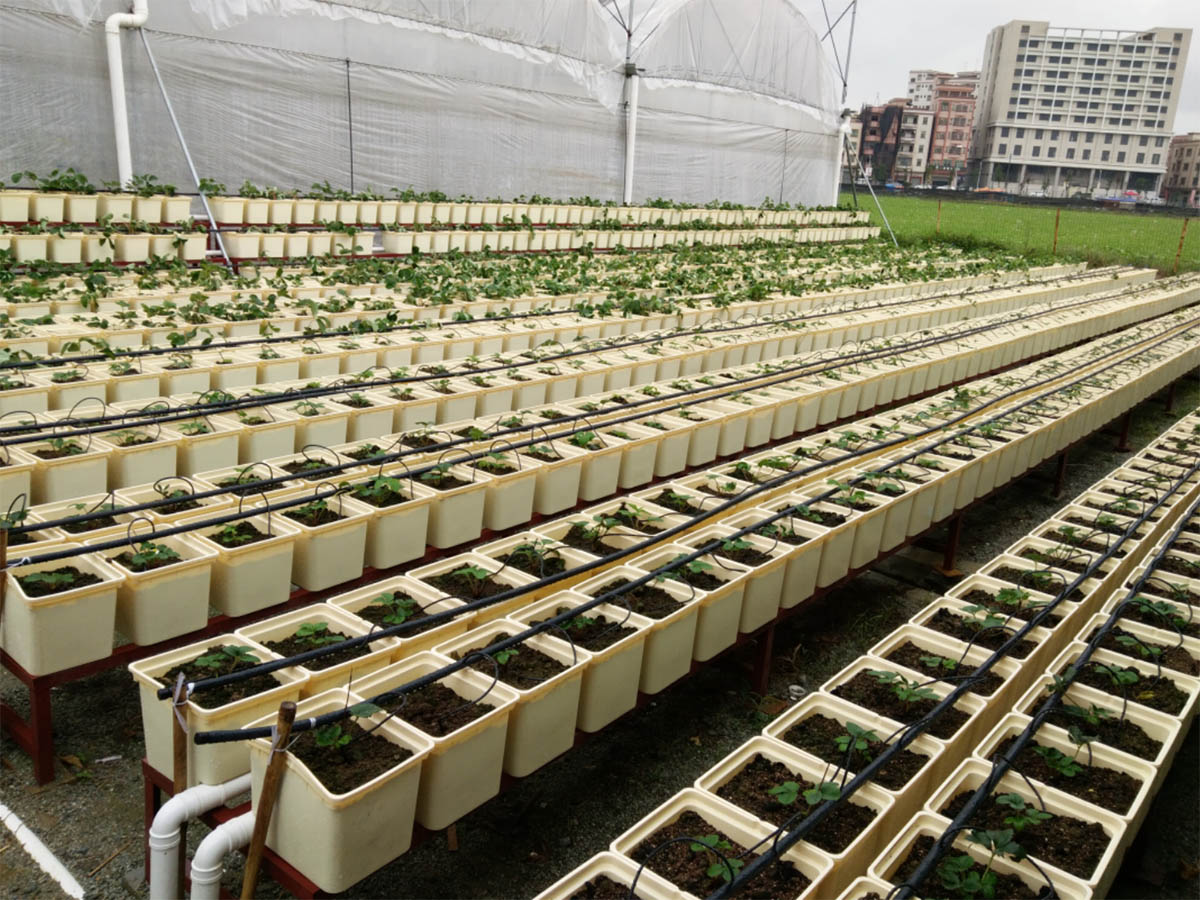
A Dutch bucket system is a type of hydroponic growing system that uses individual buckets connected to a central nutrient supply line. Each bucket contains a growing medium and supports one or more plants.
In a typical dutch bucket hydroponic system:
Nutrient-rich water is delivered to each bucket through drip irrigation.
Plant roots absorb water and nutrients from the growing medium.
Excess solution drains back into a reservoir for recirculation.
Because each bucket works independently, growers can manage water flow and plant spacing more effectively than in some other hydroponic systems.
The dutch bucket hydroponics setup usually includes:
Buckets or containers
Drip irrigation lines
A nutrient reservoir
Water pump
Drainage and recirculation pipes
The nutrient solution is pumped from the reservoir.
Drippers feed the solution into each bucket.
The growing medium holds moisture and oxygen around the roots.
Excess nutrient solution drains through a siphon or elbow fitting.
The solution returns to the reservoir and is reused.
This recirculating design makes the bucket hydroponic system highly water-efficient.
The term Bato bucket hydroponic system comes from the original manufacturer that popularized this design. Over time, “Dutch bucket” and “Bato bucket” became commonly used interchangeably in the hydroponics industry.
Today, many growers use:
Dutch buckets for hydroponics
Bato buckets
Hydroponic buckets
to describe the same style of hydroponic cultivation system.
One major advantage of the dutch hydroponic system is its ability to support large and heavy plants.
Tomatoes
Cucumbers
Bell peppers
Chili peppers
Eggplants
Strawberries
Melons
Unlike NFT or Vertical Tower systems, hydroponic buckets provide more root space and better structural support for large fruit-bearing crops.
The dutch bucket hydroponic system does not usually grow plants directly in water. Instead, it uses inert growing media such as:
These materials help retain moisture while maintaining proper oxygen levels around the roots.
The system supports crops with extensive root systems and heavy fruit loads.
The recirculating design reduces water waste and fertilizer consumption.
Growers can add more hydroponic buckets as production increases.
Individual buckets reduce the risk of disease spreading between plants.
Many commercial farms use the dutch hydroponic system in greenhouse environments for year-round production.
Compared with vertical towers or NFT systems:
Dutch buckets are better for large crops.
They offer more root space.
Maintenance is relatively simple.
They work well in both commercial and hobby farming.
However, they may require more floor space than vertical hydroponic systems.
The Dutch bucket system is a reliable and efficient hydroponic growing system designed especially for large fruiting plants. Whether referred to as a dutch bucket hydroponic system, bucket hydroponic system, or Bato bucket hydroponic system, this method remains one of the most practical choices for commercial hydroponic farming.
With excellent water efficiency, scalability, and plant support, dutch bucket hydroponics continues to play an important role in modern agriculture and controlled-environment farming.

G and N is serving for more than 1,000 customers over 122 countries around the world, offering high-quality products and services to global customers.
Copyright © 2026 G AND N FORTUNE LIMITED All rights reserved.


