

 English

News
Focus on G AND N FORTUNE LIMITED - Get to know the new information of the industry quickly!

2026-05-26 14:37:22
A hydroponic tower is a vertical growing system that allows plants to grow without soil by using nutrient-rich water. It is widely used in modern indoor farming, urban gardening, and commercial plant production because of its space-saving design and high efficiency. But one of the most common questions is: what actually grows best in a hydroponic tower?
In this article, we will explore the most suitable plants for hydroponic tower systems and also look at whether larger crops like pineapple can be grown using advanced tower farming techniques such as a pineapple hydroponic tower or pineapple aeroponic tower.
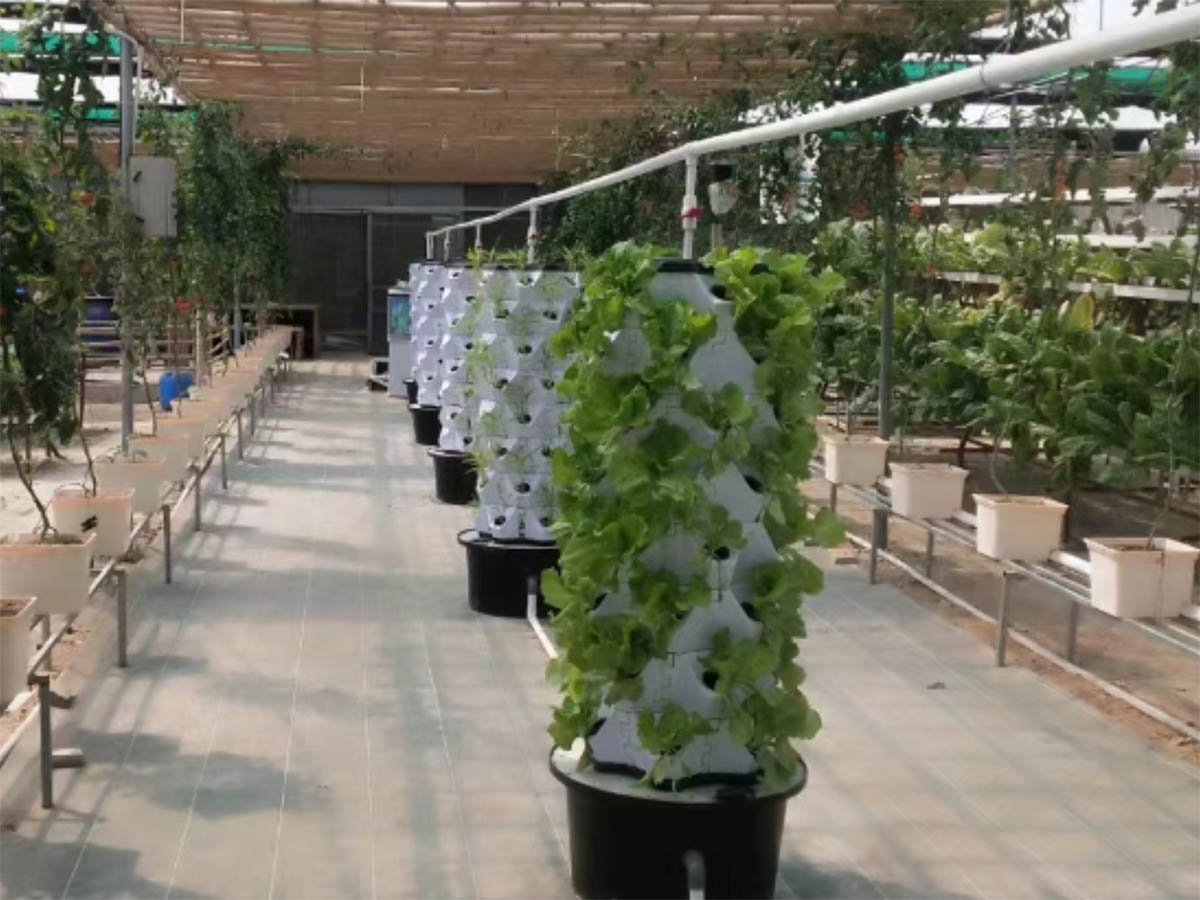
A hydroponic tower is a vertical structure that supports plant growth using water-based nutrient solutions instead of soil. Plants are placed in stacked layers or side pockets, and their roots receive oxygen, water, and nutrients directly.
Compared with traditional farming, a hydroponic tower offers:
Higher space efficiency (vertical growing)
Faster plant growth
Reduced water consumption
Cleaner and soil-free cultivation
Because of these advantages, hydroponic towers are especially popular in urban farming and home gardening systems.
Hydroponic towers are best suited for plants that have:
Shallow root systems
Fast growth cycles
Low to medium nutrient demands
These are the most successful plants in a hydroponic tower:
Lettuce
Spinach
Kale
Swiss chard
Arugula (rocket)
Basil
Mint
Parsley
Cilantro
Dill
Strawberries
Cherry tomatoes (in larger tower systems)
Peppers (limited use)
These plants thrive because hydroponic towers provide constant nutrient flow and oxygenation, which accelerates growth and improves yield.
While hydroponic towers are typically used for leafy greens and herbs, some growers experiment with larger tropical fruits such as pineapple. This leads to advanced concepts like:
pineapple hydroponic tower
pineapple tower
pineapple tower hydroponic
pineapple aeroponic tower
Yes, pineapple can be grown in hydroponic or aeroponic systems, but it is not the most efficient crop for standard tower setups. Pineapple plants require:
Long growth cycles (18–24 months)
Larger root and leaf space
Stable warm climate conditions
A traditional hydroponic tower is designed for compact plants, while pineapple grows large and spreads outward. This means:
Limited vertical space can restrict growth
Fruit development takes much longer
System modifications are often required
A pineapple hydroponic tower or pineapple aeroponic tower is a modified vertical farming system designed specifically for tropical fruit cultivation. These systems usually include:
Wider planting spacing
Stronger structural support
Enhanced nutrient delivery systems
In some experimental farms, pineapple tower systems are used for research and niche production, especially in controlled greenhouse environments.
Regardless of crop type, a hydroponic tower offers several advantages:
Saves up to 90% water compared to soil farming
Enables year-round production
Reduces pest and disease risks
Maximizes yield per square meter
Ideal for urban agriculture and indoor farming
So, what grows best in a hydroponic tower? The answer is clear: leafy greens and herbs perform the best, offering fast growth and high yield. While it is technically possible to grow fruits like pineapple using systems such as a pineapple hydroponic tower or pineapple aeroponic tower, these applications require specialized setups and are not typical for standard tower farming.
If you are starting with hydroponics, it is recommended to begin with lettuce, herbs, and other fast-growing crops before experimenting with larger plants like pineapple.

G and N is serving for more than 1,000 customers over 122 countries around the world, offering high-quality products and services to global customers.
Copyright © 2026 G AND N FORTUNE LIMITED All rights reserved.


