

 English

News
Focus on G AND N FORTUNE LIMITED - Get to know the new information of the industry quickly!

2026-05-07 18:11:30
Vertical hydroponics has become one of the most discussed innovations in modern agriculture. With rising land costs and increasing demand for fresh produce, systems like the vertical hydroponic system and A-frame hydroponic system are widely used in indoor and commercial farming.
But many people still ask: Are vertical hydroponics worth it? and what problems do they actually solve—or create?
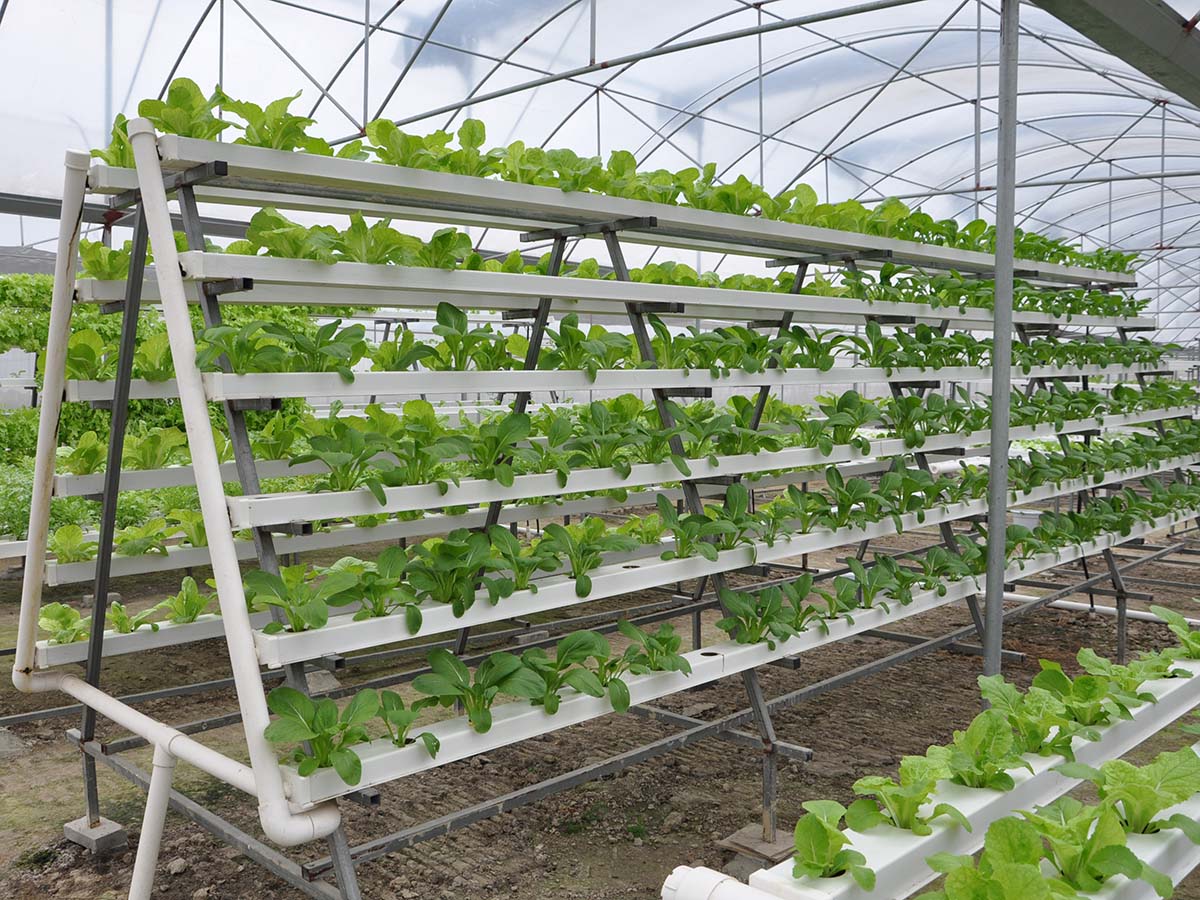
In most cases, yes—vertical hydroponics is worth it, especially for controlled environment agriculture such as:
Indoor farming operations
Urban agriculture projects
Commercial leafy greens production
High-density crop production
A vertical hydroponic growing system can produce significantly more yield per square meter compared to traditional farming.
High space efficiency (multi-layer growing)
Reduced water consumption
Faster plant growth
Ideal for indoor hydroponic system setups
Scalable for commercial hydroponic farming system
However, the profitability depends on system design, crop selection, and energy costs.
Although vertical hydroponics systems are efficient, they also come with challenges.
Setting up a professional vertical hydroponic system requires:
LED lighting systems
Pumps and circulation equipment
Climate control
Structural frames (like A-frame systems)
Indoor vertical farming relies heavily on artificial lighting and temperature control.
A hydroponic system requires:
Nutrient balance monitoring
Water quality control
System maintenance
Compared with traditional farming, vertical hydroponic growing systems require more technical knowledge.
Yes — absolutely.
Hydroponics can be easily adapted into vertical structures, forming what we call:
Vertical hydroponic system
Vertical hydroponic growing system
NFT A-frame hydroponic system
This combination allows growers to stack plants in multiple layers while still using nutrient water instead of soil.
This is why can hydroponics be vertical? is answered with a clear YES.
A vertical hydroponic system works by circulating nutrient-rich water through stacked plant layers.
Water and nutrients are stored in a tank
A pump circulates the solution
Plants are placed in vertical structures
Nutrient film or drip feeds roots
Excess water returns to the tank
This system is often used in:
Indoor hydroponic system setups
Commercial hydroponic farming system
Vertical farms and greenhouses
An A-frame hydroponic system is a specific type of vertical farming structure shaped like the letter “A”.
It is also known as:
Hydroponic A frame system
NFT A-frame hydroponic system
Better light distribution
Strong structural stability
Efficient space utilization
Suitable for leafy greens and herbs
To build a professional A-frame hydroponic system, follow these key steps:
Use aluminum or PVC pipes to build a stable A-shaped structure.
Add hydroponic channels or NFT pipes across multiple layers.
Connect:
Reservoir tank
Water pump
Irrigation tubes
For vertical hydroponic systems indoors, install LED grow lights evenly across levels.
Ensure:
Even water flow
Stable nutrient concentration
Proper drainage
A well-designed vertical hydroponic growing system ensures consistent plant growth and high productivity.
Today, vertical hydroponic systems are widely used in:
Urban indoor farms
Commercial greenhouse production
Research-based agriculture
High-tech hydroponic farming systems
They are a key part of modern indoor hydroponic system development and sustainable agriculture.
So, are vertical hydroponics worth it?
Yes—especially for controlled environments where space efficiency and productivity matter.
While challenges like cost and energy use exist, systems like the vertical hydroponic system, A-frame hydroponic system, and NFT A-frame hydroponic system continue to improve modern farming efficiency.
With proper design and management, vertical hydroponics represents one of the most promising directions in hydroponic farming systems today.

G and N is serving for more than 1,000 customers over 122 countries around the world, offering high-quality products and services to global customers.
Copyright © 2026 G AND N FORTUNE LIMITED All rights reserved.


