

 English

News
Focus on G AND N FORTUNE LIMITED - Get to know the new information of the industry quickly!

2026-04-09 16:59:31
Growing tomatoes in a hydroponic system is one of the most efficient ways to achieve faster growth, higher yield, and better fruit quality. Compared to traditional soil cultivation, a hydroponic growing system provides precise control over nutrients, water, and environment, making it ideal for both greenhouse hydroponics and indoor hydroponics.
In this guide, you’ll learn exactly how to grow tomatoes in a hydroponic system, including system selection, setup, maintenance, and how to maximize production using the right hydroponics equipment.
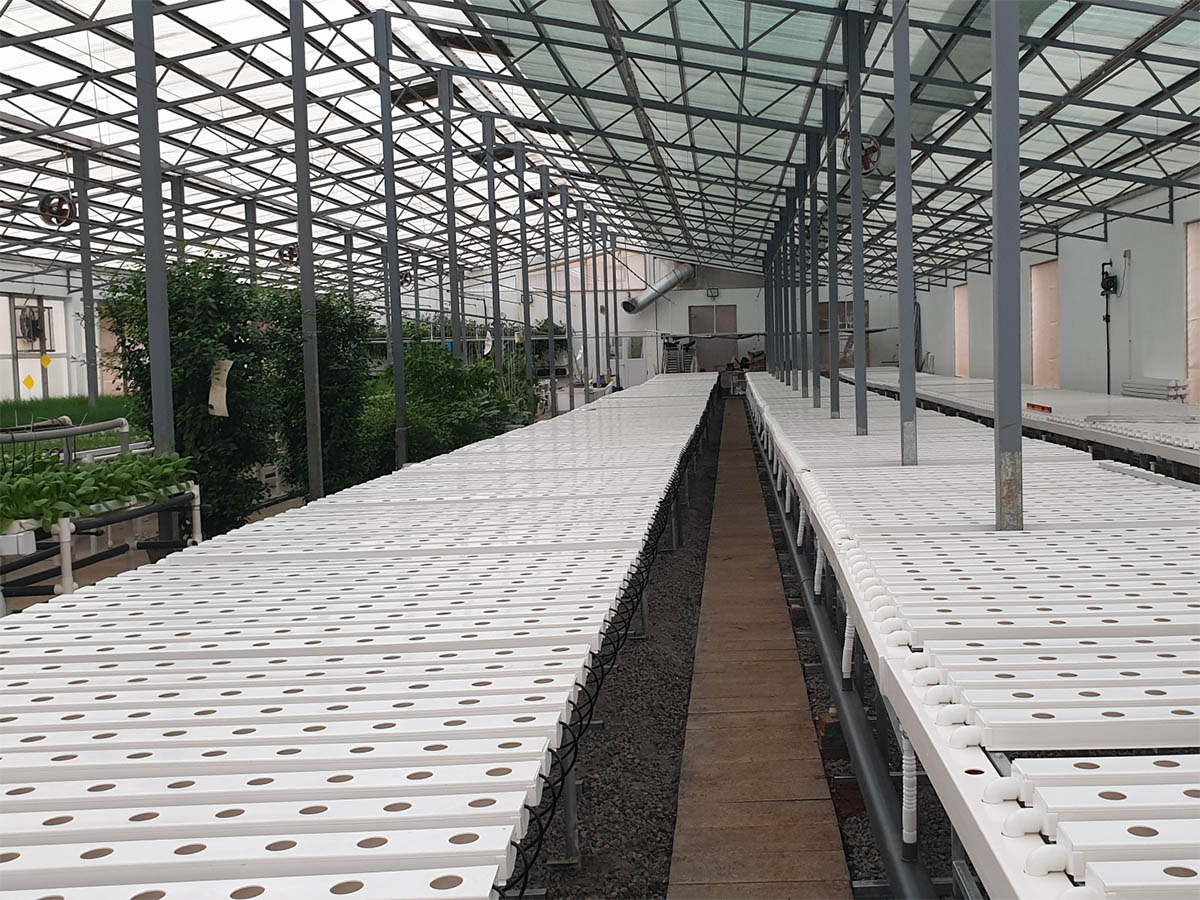
Hydroponic tomato growing is a method of soilless cultivation where tomato plants are grown using nutrient-rich water instead of soil. The roots receive oxygen, water, and nutrients through a controlled irrigation system, ensuring optimal growth conditions.
This method is widely used in:
Agricultural greenhouse production
Commercial greenhouse hydroponics
Urban vertical farming
Indoor growing systems
Choosing the right hydroponic system is critical because tomatoes are heavy, fruit-bearing plants.
The substrate gutter system is the most popular choice for tomatoes.
Uses cocopeat or grow bags
Supported by a hydroponic substrate gutter
Combined with drip irrigation system
Provides strong root support
Best for: commercial farms, greenhouse production
Delivers nutrients directly to plant roots
Works well with substrate media
Easy to scale
The hydroponic nft system is generally not ideal for tomatoes because:
Limited root space
Not suitable for heavy plants
Some compact vertical farming setups can grow cherry tomatoes, but require strong support and careful management.
For best results, use:
Hydroponic growing system with substrate gutter
Stable support structure
Reliable hydroponics equipment
Once seedlings develop roots:
Transfer into grow bags or substrate
Place inside the hydroponic gutter system
Connect to drip irrigation system
Tomatoes require higher nutrients than leafy greens.
pH: 5.5 – 6.5
EC: 2.0 – 3.5
High potassium for fruiting
For indoor hydroponics:
Use LED grow lights
12–16 hours per day
For greenhouse hydroponics:
Natural sunlight + supplemental lighting
Tomatoes need structural support:
Use strings or trellis
Train plants vertically
Essential in vertical farming or greenhouse systems
Remove side shoots (suckers)
Cut old leaves
Improve airflow
In indoor environments:
Shake plants gently
Use fans
Or manual pollination
Check water and nutrients regularly
Maintain stable irrigation system
Clean system to prevent disease
| Factor | Ideal Range |
|---|---|
| pH | 5.5 – 6.5 |
| EC | 2.0 – 3.5 |
| Temperature | 20–26°C |
| Light | 12–16 hours/day |
| Humidity | 60–70% |
Using NFT system for large tomato plants
Overwatering or poor drainage
Ignoring pH and EC levels
Lack of support structure
Poor airflow in greenhouse
A well-designed hydroponic growing system offers:
More fruit per plant compared to soil farming
Optimized nutrient delivery
Efficient irrigation system reduces waste
No soil-borne diseases
Ideal for agricultural greenhouse and commercial production
To achieve the best results, we recommend:
Perfect for tomatoes and fruit crops
Stable, scalable, and high-yield
Works with drip irrigation
Pumps and irrigation systems
Grow bags and substrate
Support structures
Controlled environment
Year-round production
Higher consistency and quality
Understanding how to grow tomatoes in a hydroponic system is key to achieving high yields and consistent quality. By choosing the right hydroponic system, maintaining proper nutrients, and using reliable hydroponics equipment, growers can significantly improve productivity.
For best results:
Use a substrate gutter system
Ensure proper irrigation system
Grow in a controlled greenhouse hydroponics environment
We provide complete solutions including:
Hydroponic substrate gutter systems
Hydroponic growing systems for greenhouse
Irrigation systems & hydroponics equipment
Custom solutions for commercial farms
Contact us today to find the best hydroponic system for your tomato production.

G and N is serving for more than 1,000 customers over 122 countries around the world, offering high-quality products and services to global customers.
Copyright © 2026 G AND N FORTUNE LIMITED All rights reserved.


