
 English

News
Focus on G AND N FORTUNE LIMITED - Get to know the new information of the industry quickly!

2026-04-09 16:44:31
A hydroponic growing system is one of the most efficient ways to grow plants without soil. Whether you are using a Mini Hydroponic Kit, a hydroponic nft system, a Substrate Gutter system, or a vertical hydroponic tower, understanding how to properly use the system is essential for achieving healthy growth and high yields.
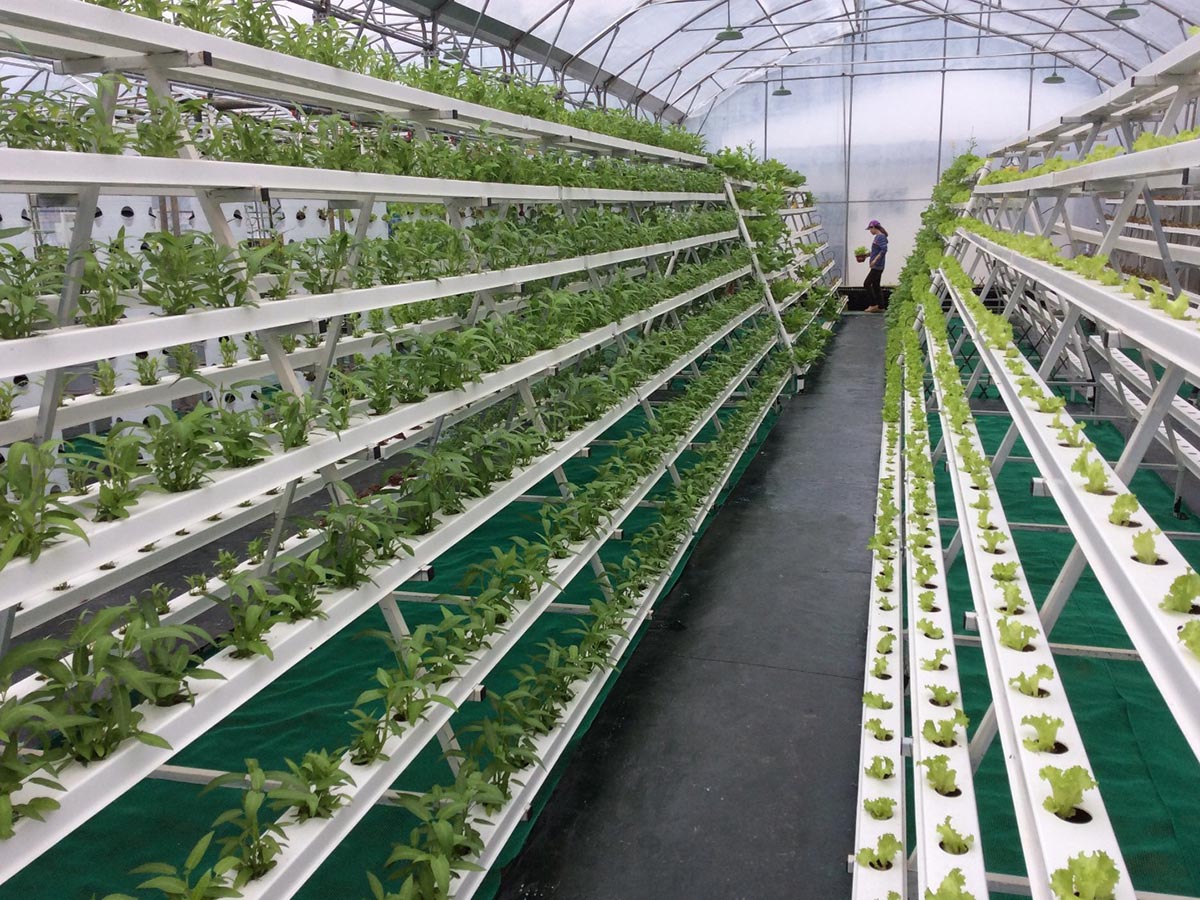
A hydroponic growing system is a method of soilless cultivation where plants grow in nutrient-rich water instead of soil. The system delivers water, nutrients, and oxygen directly to plant roots through a controlled irrigation system.
It is widely used in:
Indoor hydroponics
Greenhouse hydroponics
Vertical farming
Commercial agriculture
Before learning how to use one, it's important to understand the different types:
Uses a thin flow of water in a hydroponic NFT Channel
Ideal for leafy greens
Common in commercial hydroponic growing system
Best for: lettuce, herbs
Plants grow in media like cocopeat or grow bags
Uses a hydroponic gutter system for support
Better for fruiting crops
Best for: strawberries, tomatoes
Stacked design for vertical farming
Maximizes space usage
Best for: indoor and urban farming
Uses a hydroponic floating board
Roots grow directly in water
Best for: leafy vegetables
Compact home hydroponic kit
Easy for beginners
Best for: small indoor gardening
First, assemble your hydroponics equipment based on the system type:
Install channels, gutters, or towers
Connect the water tank
Set up the irrigation system (pump + tubing)
Tip: Ensure all connections are leak-free before starting.
Plants in a hydroponic system rely entirely on nutrient solution.
Fill the tank with clean water
Add hydroponic nutrients
Adjust pH (usually 5.5–6.5)
Place seeds in Sponge cubes or rockwool
Transfer seedlings into net pots
Insert into your hydroponic growing system
Different systems:
NFT system → roots touch flowing water
Substrate gutter → roots grow in media
Floating raft → roots hang in water
Turn on the pump and begin circulation.
Ensure water flows evenly
Check each plant position
Monitor for blockages
For indoor hydroponics:
Use LED grow lights
12–16 hours daily
For greenhouse hydroponics:
Use natural sunlight + supplemental lighting if needed
Regular maintenance is key:
Check water level (every 2–3 days)
Refill nutrients weekly
Monitor pH and EC
Clean system regularly
Remove dead leaves
Maintain airflow
Harvest when mature
To get the most from your hydroponic growing system:
A stable irrigation system ensures plants receive consistent nutrients.
Leafy greens → hydroponic nft system
Fruits → substrate gutter system
Small space → mini hydroponic kit
High density → vertical farming tower
Clean systems prevent disease and improve plant health.
Overfeeding nutrients
Ignoring pH levels
Poor lighting
Overcrowding plants
Not cleaning equipment
If you're just starting:
Mini Hydroponic Kit
Easy to use
Perfect for beginners
Ideal for home use
For commercial or higher yield:
Hydroponic NFT System
Efficient and scalable
Substrate Gutter System
Best for fruit crops
Vertical Hydroponic Tower
Space-saving solution
Floating Raft System
Stable and easy to manage
Modern hydroponics systems are transforming agriculture:
Uses less water
Requires less land
Enables vertical farming
Suitable for urban environments
Learning how to use a hydroponic growing system is the first step toward efficient, modern farming. Whether you choose a mini hydroponic kit, a hydroponic nft system, or a substrate gutter system, the process is simple:
Set up → Add nutrients → Plant → Maintain → Harvest
With the right hydroponics equipment and proper management, you can achieve faster growth, higher yields, and sustainable production.

G and N is serving for more than 1,000 customers over 122 countries around the world, offering high-quality products and services to global customers.
Copyright © 2026 G AND N FORTUNE LIMITED All rights reserved.


