

 English

News
Focus on G AND N FORTUNE LIMITED - Get to know the new information of the industry quickly!

2026-03-19 18:05:30
With the growing interest in sustainable living and home gardening, more people are turning to the hydroponic system as an efficient and clean way to grow plants. If you are wondering how to make a simple hydroponic system at home, this guide will walk you through everything you need to know—from basic principles to step-by-step setup.
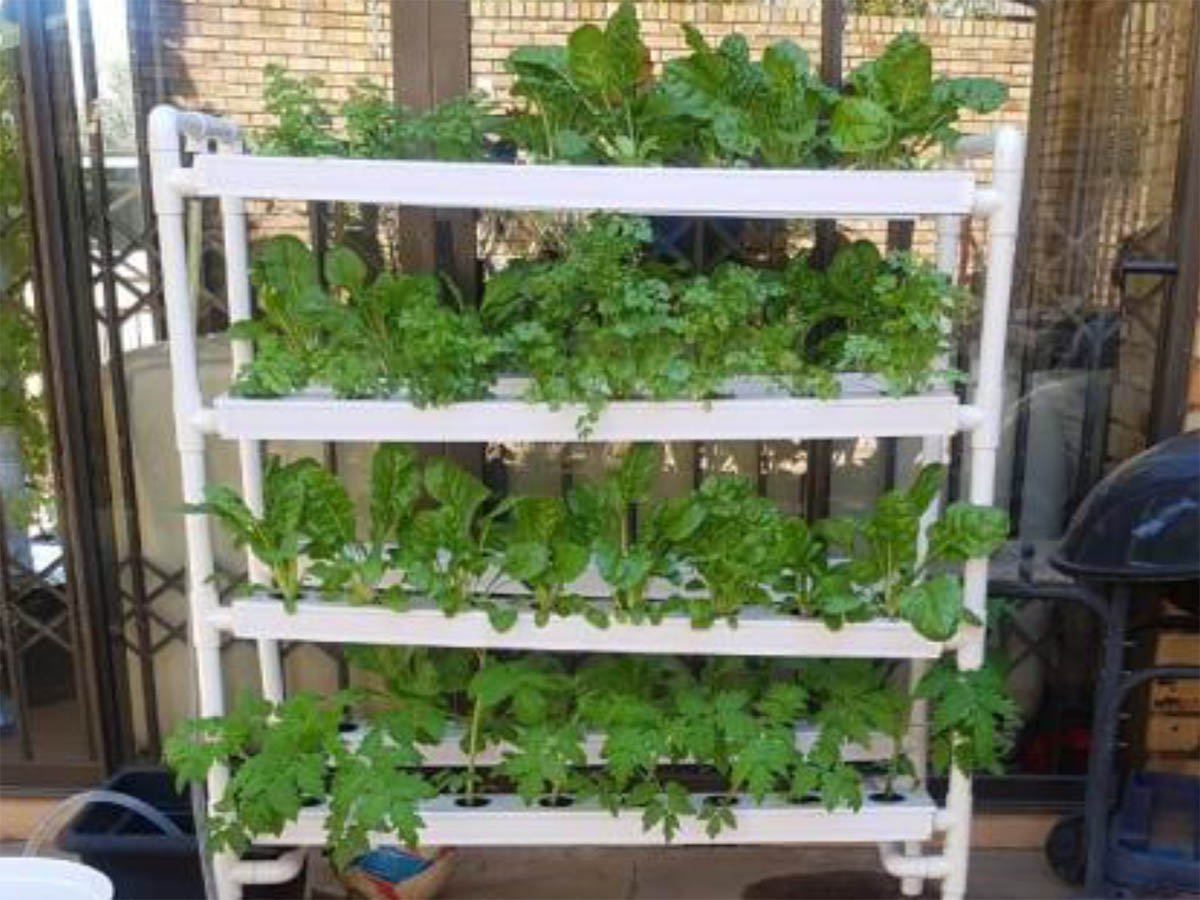
A hydroponic system is a method of growing plants without soil. Instead of relying on soil nutrients, plants are grown in water enriched with a specially formulated nutrient solution. This allows plant roots to absorb essential minerals directly, resulting in faster growth and higher yields.
Unlike traditional gardening, a home hydroponic system is cleaner, more space-efficient, and ideal for indoor environments such as apartments or small homes.
Building a simple hydroponic system at home offers several advantages:
Faster plant growth compared to soil-based methods
Reduced water usage (up to 70% less)
Cleaner growing process with no soil mess
Perfect for indoor and urban gardening
Year-round planting capability
For beginners, a basic DIY hydroponic system like the Kratky method is the easiest way to get started.
To build a simple hydroponic system, you only need a few affordable materials:
Plastic bottles, containers, or buckets
Hydroponic nutrient solution
Seeds or seedlings (lettuce, basil, mint, etc.)
Cutting tools
This makes it a cost-effective way to create your own home hydroponic system.
Choose a plastic bottle or container and cut a hole in the lid. The hole should be large enough to hold your plant securely.
Place your seeds or seedlings into a Sponge or growing medium. This will support the plant while allowing roots to grow downward into the nutrient solution.
Fill the container with water and mix in a hydroponic nutrient solution according to the recommended ratio.
Important: Do not fill the container completely. Leave an air gap to allow oxygen to reach the roots.
Place the plant into the hole so that:
The roots touch the nutrient solution
The stem and leaves remain above the container
Position your hydroponic system in a sunny location or use LED grow lights. Refill or replace the nutrient solution every 1–2 weeks.
When starting your DIY hydroponic system, it’s best to choose easy-to-grow plants:
Lettuce
Basil
Mint
Spinach
Green onions
These plants thrive in a simple hydroponic growing system and require minimal maintenance.
When building a simple hydroponic system at home, avoid these common issues:
Overfilling the container (roots need oxygen)
Using regular fertilizer instead of hydroponic nutrients
Lack of sufficient light
Ignoring water quality and pH balance
Proper care ensures your hydroponic system performs efficiently.
Once you gain experience, you can upgrade your basic setup into a more advanced hydroponic growing system by adding:
Water pumps (NFT hydroponic system)
Air pumps for oxygenation
Multi-layer Vertical growing racks
Automated nutrient delivery systems
These upgrades can turn your simple setup into a high-efficiency commercial hydroponic system.
Learning how to make a simple hydroponic system at home is a great way to start growing fresh vegetables and herbs without soil. With minimal materials and effort, you can build a highly efficient home hydroponic system that saves water, space, and time.
Whether you are a beginner or planning to scale up into a more advanced hydroponic system, starting small is the best way to gain experience and enjoy the benefits of modern agriculture at home.

G and N is serving for more than 1,000 customers over 122 countries around the world, offering high-quality products and services to global customers.
Copyright © 2026 G AND N FORTUNE LIMITED All rights reserved.


