
 English


Products
Productos principales:Canal hidroponico NFT/Cubo holandes hidroponico/Canalon de fresa/
Maceta de red de plastico/Medios de cultivo Rockwool
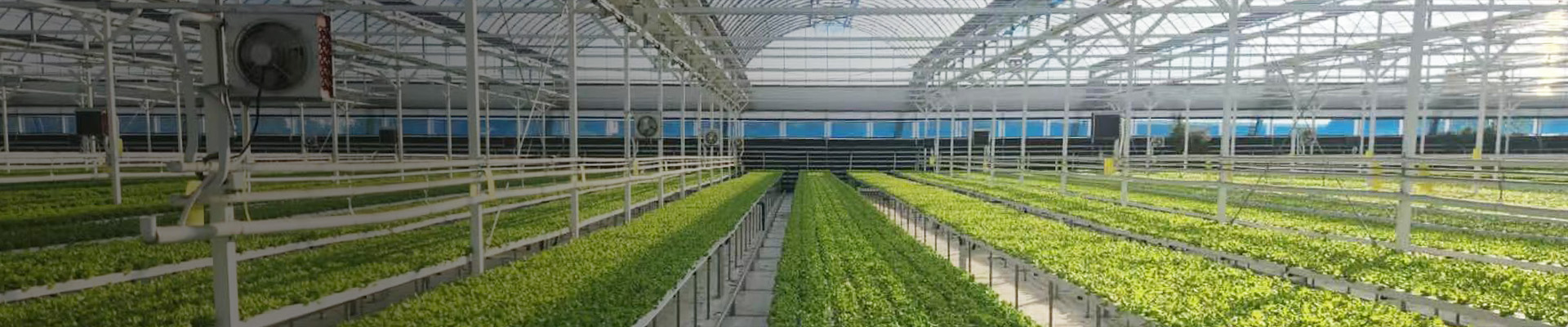
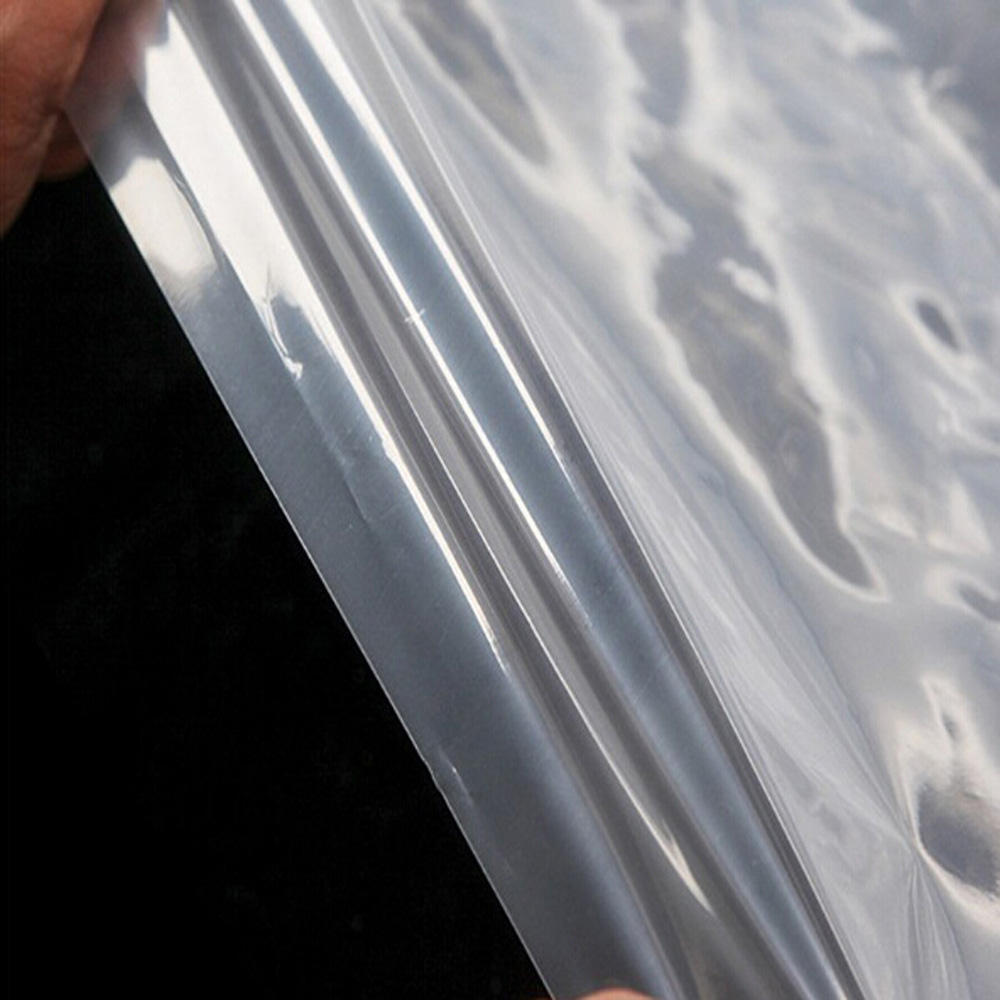


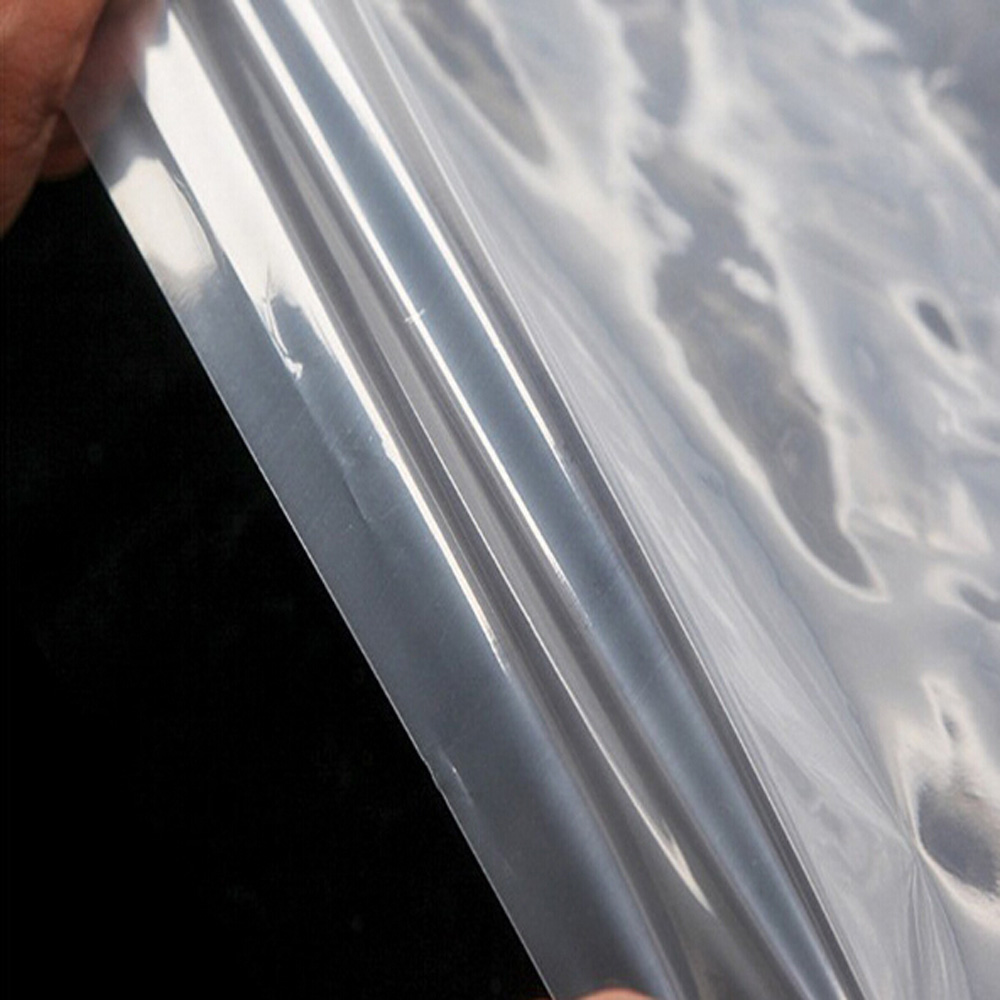
Greenhouse Plastic Film is an essential covering material used in modern agricultural greenhouses to create a controlled growing environment for vegetables, flowers, fruits, and hydroponic crops. As a durable agricultural greenhouse film, it provides protection from weather conditions while helping maintain temperature, humidity, and light conditions required for healthy plant growth.
Our greenhouse plastic film is designed with high-quality polyethylene (PE) material, UV resistance, and excellent durability. Available in different thicknesses and customized solutions, it is suitable for commercial greenhouses, hydroponic greenhouses, blackout greenhouses, and light deprivation greenhouse systems.
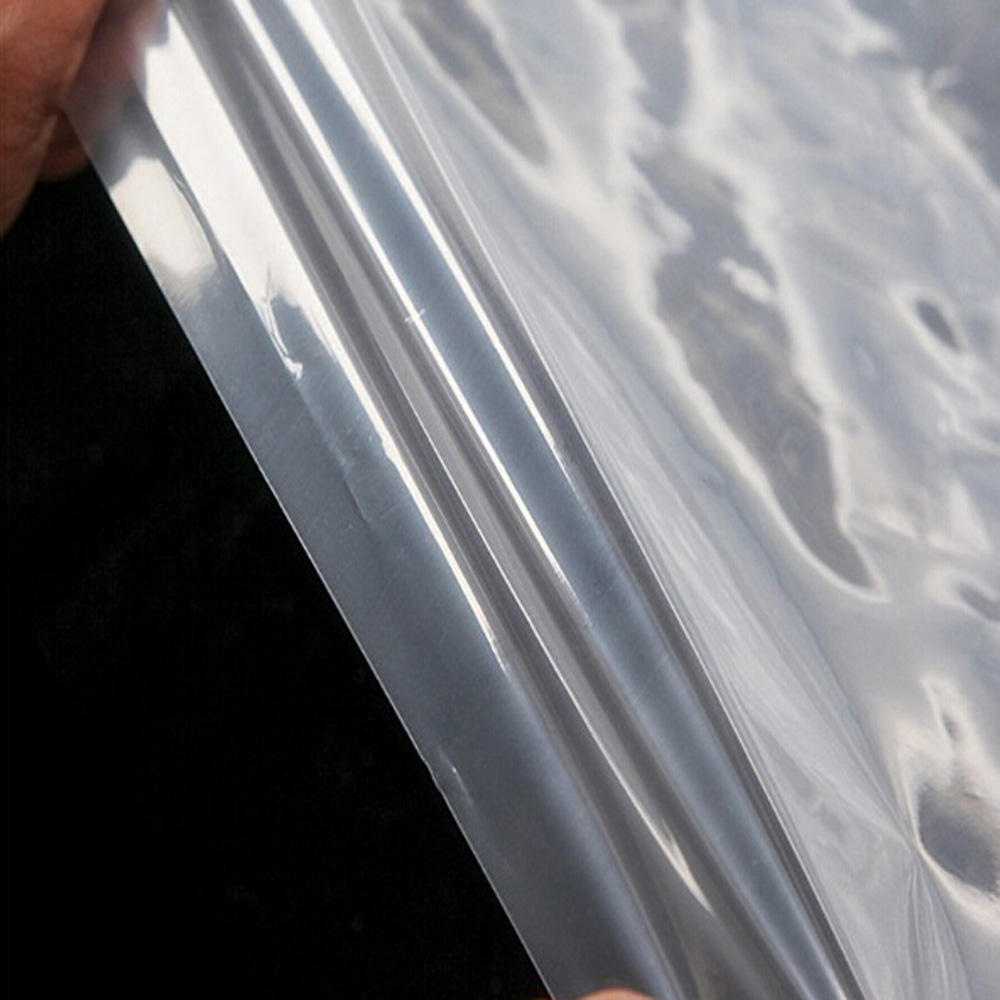
Greenhouse plastic film, also known as greenhouse covering film, agricultural greenhouse film, or polyethylene greenhouse film, is a transparent or specialized plastic material installed on greenhouse roofs and sidewalls.
Unlike traditional outdoor farming, greenhouse cultivation requires a stable environment where temperature, humidity, light, and airflow can be controlled. A high-quality greenhouse cover plastic film helps growers protect crops while improving growing efficiency.
Common applications include:
Vegetable greenhouse
Flower greenhouse
Fruit growing greenhouse
Hydroponic greenhouse
Commercial agricultural greenhouse
Indoor farming greenhouse
Long-term exposure to sunlight can cause ordinary plastic materials to become brittle, crack, and lose performance. Our UV resistant greenhouse plastic film contains UV stabilizers that improve outdoor durability.
The UV-resistant design provides:
Longer service life
Better weather resistance
Reduced aging caused by sunlight
Stable light transmission performance
This makes it suitable for long-term agricultural greenhouse applications.
Our durable agricultural film is manufactured for demanding farming environments.
Key features include:
High tensile strength
Excellent tear resistance
Strong wind resistance
Long outdoor service life
The durable structure helps protect crops from changing weather conditions while maintaining a reliable greenhouse environment.
Proper light management is important for plant photosynthesis.
The greenhouse plastic film provides suitable sunlight transmission while helping growers control the growing environment.
It can be used for crops such as:
Lettuce
Tomato
Cucumber
Pepper
Strawberry
Flowers and ornamental plants
A quality greenhouse covering film helps reduce heat loss during colder periods.
Benefits include:
Improved temperature retention
Reduced energy consumption
Better growing conditions
Extended growing seasons
For commercial greenhouses, heat-preserving film can help improve crop production efficiency.
| Item | Specification |
|---|---|
| Product Name | Greenhouse Plastic Film |
| Material | Polyethylene (PE) |
| Type | Agricultural Greenhouse Covering Film |
| Thickness | Customized, including 200 micron |
| Thickness Conversion | 200 micron = 0.2mm |
| Feature | UV Resistant, Durable, Heat Preserving |
| Application | Agricultural Greenhouse, Hydroponic Greenhouse |
| Color | Transparent, Customized |
| Installation | Greenhouse Roof and Side Wall Covering |
| Service Life | Long-term Outdoor Use |
The 200 micron greenhouse plastic film is one of the popular choices for heavy-duty agricultural greenhouse applications.
200 micron equals:
0.2mm thickness
Approximately 8 mil thickness
Compared with thinner greenhouse films, 200 micron film provides:
Higher mechanical strength
Better tear resistance
Improved wind resistance
Longer service life
Common greenhouse film thickness options:
| Thickness | Application |
|---|---|
| 80-120 micron | Temporary greenhouse |
| 150 micron | Standard greenhouse covering |
| 180 micron | Long-term greenhouse |
| 200 micron | Heavy-duty agricultural greenhouse |
Different greenhouse projects require different covering materials. Common options include plastic film, polycarbonate sheets, and glass.
Plastic greenhouse film is widely used because of:
Lower cost
Easy installation
Flexible application
Suitable for large-scale agriculture
It is commonly used for vegetable greenhouses and hydroponic farming projects.
Polycarbonate sheets provide:
High impact resistance
Excellent durability
UV protection
Good insulation performance
Common thickness options include:
8mm polycarbonate sheet
10mm polycarbonate sheet
Glass is mainly used for advanced greenhouse projects.
Features:
High light transmission
Premium appearance
Long service life
Common glass thickness:
4mm glass
5mm glass
Modern hydroponic greenhouse systems require stable environmental control. Greenhouse plastic film works together with hydroponic equipment to create an ideal growing environment.
It can be used with:
NFT Hydroponic System
DWC Floating Raft System
Dutch Bucket System
Hydroponic Gutter System
Vertical Hydroponic Tower System
For commercial hydroponic farming, greenhouse covering film helps maintain:
Temperature stability
Humidity control
Crop protection
Better production conditions
For crops that require strict photoperiod control, blackout greenhouse systems are widely used.
A blackout greenhouse uses special light-blocking curtains or screens to control day and night cycles.
It is commonly used for:
Flowers
Medical plants
Light-sensitive crops
The light deprivation greenhouse system provides:
Control of flowering cycles
Protection from external light pollution
Reduced light leakage at night
Better crop scheduling flexibility
Additional energy savings
A professional blackout greenhouse may include:
Three-layer breathable blackout screen
Total light-blocking fabric
Rolling screen system
Aluminum side outward installation design
Benefits include:
Prevent unwanted sunlight and heat entry
Improve climate control
Reduce energy consumption
Easy installation and maintenance
A complete commercial greenhouse can integrate multiple systems to improve growing efficiency.
Typical greenhouse systems include:
Strong greenhouse frame systems provide stable support for covering materials and equipment.
Options include:
200 micron greenhouse plastic film
4mm glass
8mm, 12mm, 16mm polycarbonate sheets
Includes:
Cooling pads
UL listed fans
Used to reduce greenhouse temperature during hot seasons.
Options include:
Roll-up motor ventilation
Rack and pinion ventilation system
Proper ventilation helps maintain airflow and humidity balance.
A CO2 enrichment system can improve photosynthesis efficiency for certain crops.
Greenhouse benches provide organized growing space and improve crop management efficiency.
Suitable for growing:
Lettuce
Tomato
Cucumber
Pepper
Leafy vegetables
Used for:
Cut flowers
Ornamental plants
Light-controlled flower production
Suitable for:
Strawberry cultivation
Specialty fruits
High-value crops
Used for:
Large-scale crop production
Controlled environment agriculture
Smart farming projects
Our greenhouse plastic film provides a reliable solution for modern agriculture with:
UV resistant polyethylene material
High tensile strength
Tear resistance
Heat preservation performance
Long outdoor service life
Custom thickness options
Suitable for hydroponic greenhouse applications
Compatible with blackout greenhouse systems
Suitable for commercial farming projects
Whether for vegetable production, hydroponic farming, flower cultivation, or light deprivation greenhouse projects, our agricultural greenhouse film helps create a stable and efficient growing environment.
Greenhouse plastic film is used as a covering material for agricultural greenhouses to protect crops, control temperature, maintain humidity, and provide suitable growing conditions.
200 micron greenhouse plastic film has a thickness of 0.2mm and is commonly used for heavy-duty agricultural greenhouse applications because of its strength and durability.
Yes. UV resistant greenhouse plastic film contains UV stabilizers that help reduce aging caused by sunlight and extend outdoor service life.
Greenhouse plastic film can be used for vegetables, flowers, fruits, and hydroponic crops such as lettuce, tomatoes, cucumbers, peppers, and strawberries.
Yes. Greenhouse plastic film is widely used in hydroponic greenhouse projects combined with NFT systems, DWC systems, Dutch bucket systems, and vertical farming systems.
A blackout greenhouse uses light-blocking screens or curtains to control the light cycle, which is useful for flowers and crops requiring specific photoperiod conditions.

G and N is serving for more than 1,000 customers over 122 countries around the world, offering high-quality products and services to global customers.
Copyright © 2026 G AND N FORTUNE LIMITED All rights reserved.