
 English


Products
Productos principales:Canal hidroponico NFT/Cubo holandes hidroponico/Canalon de fresa/
Maceta de red de plastico/Medios de cultivo Rockwool
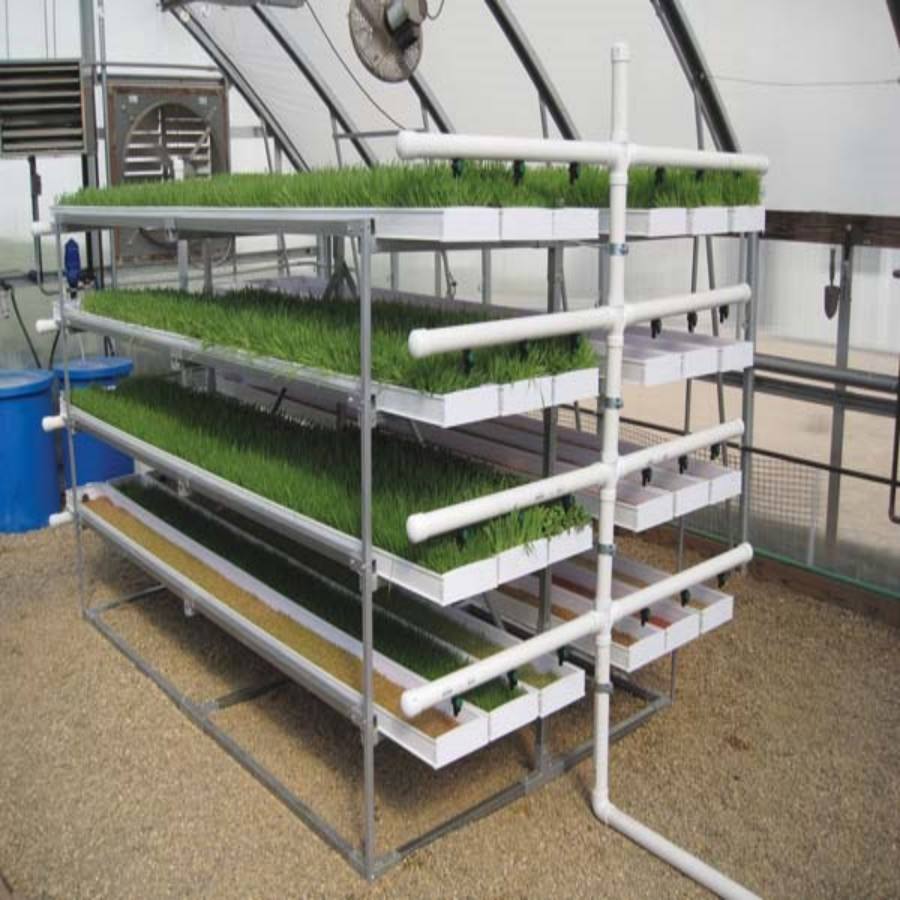
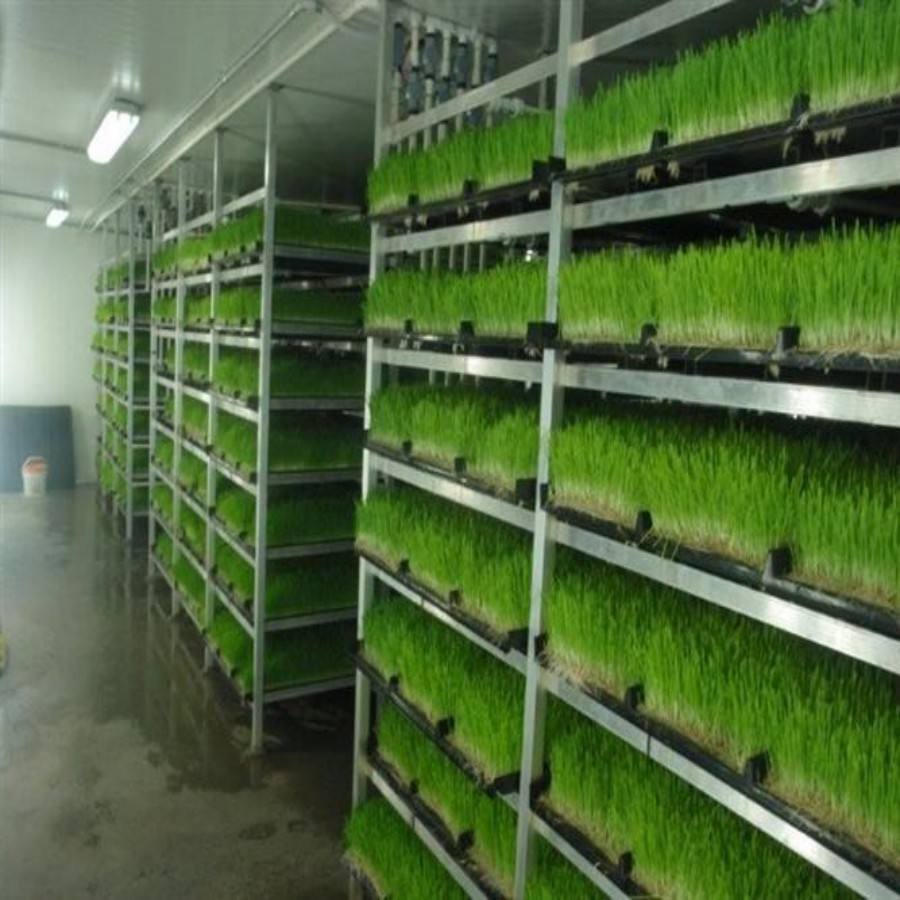
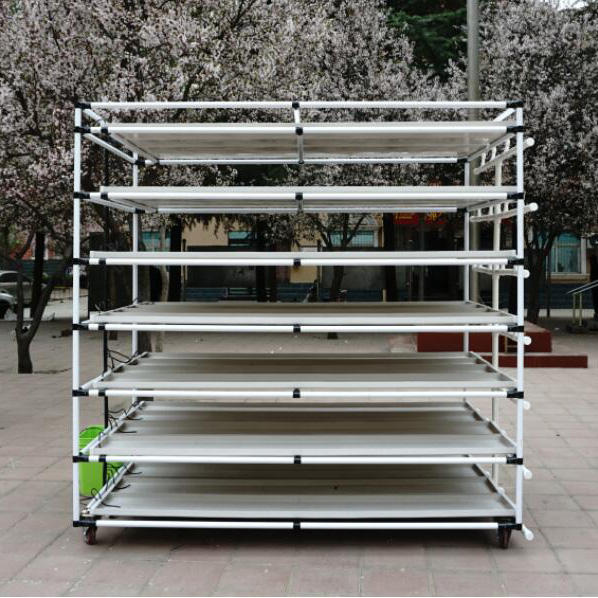
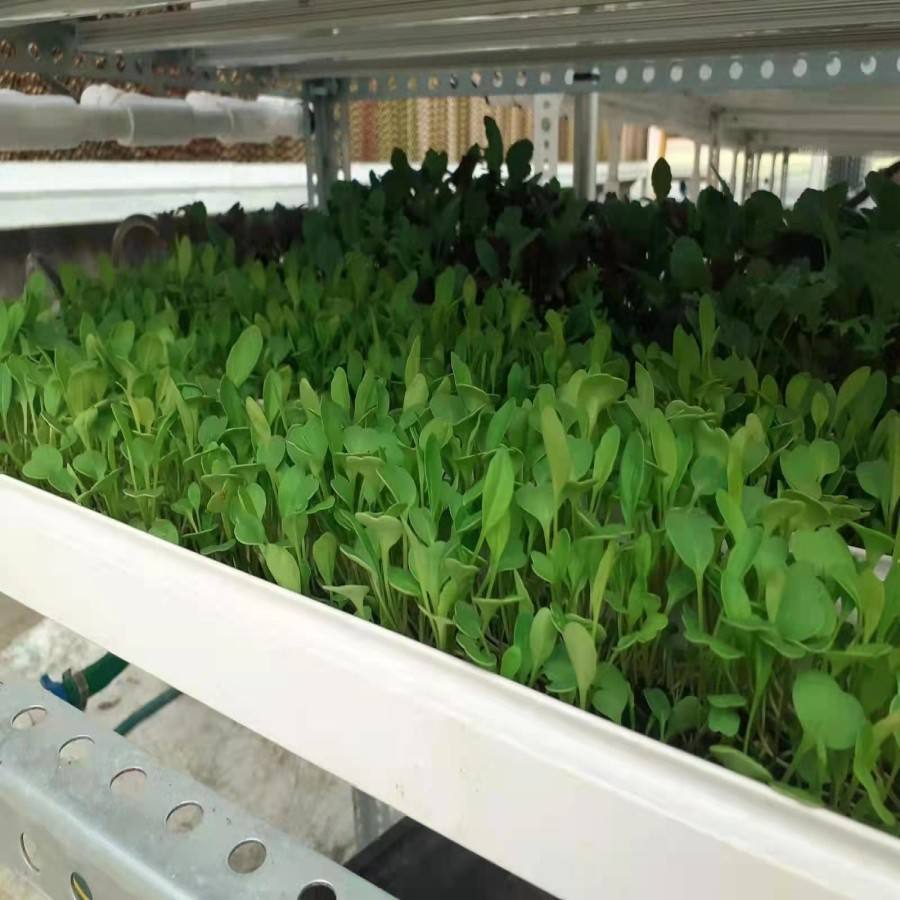


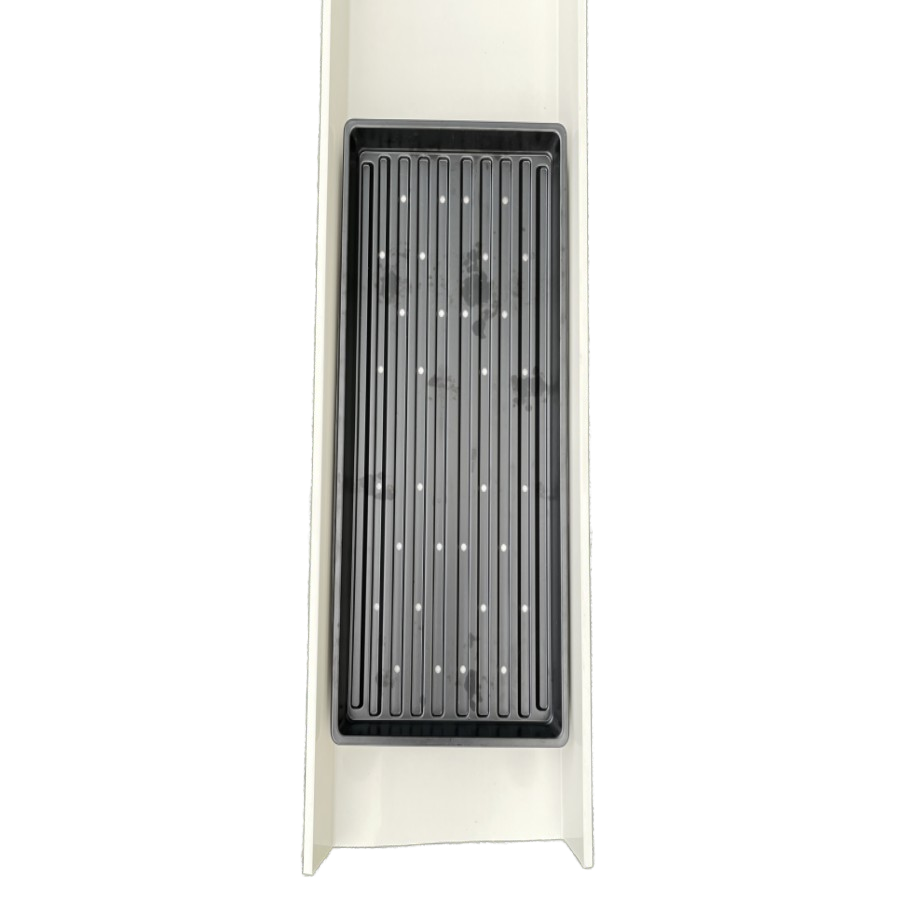
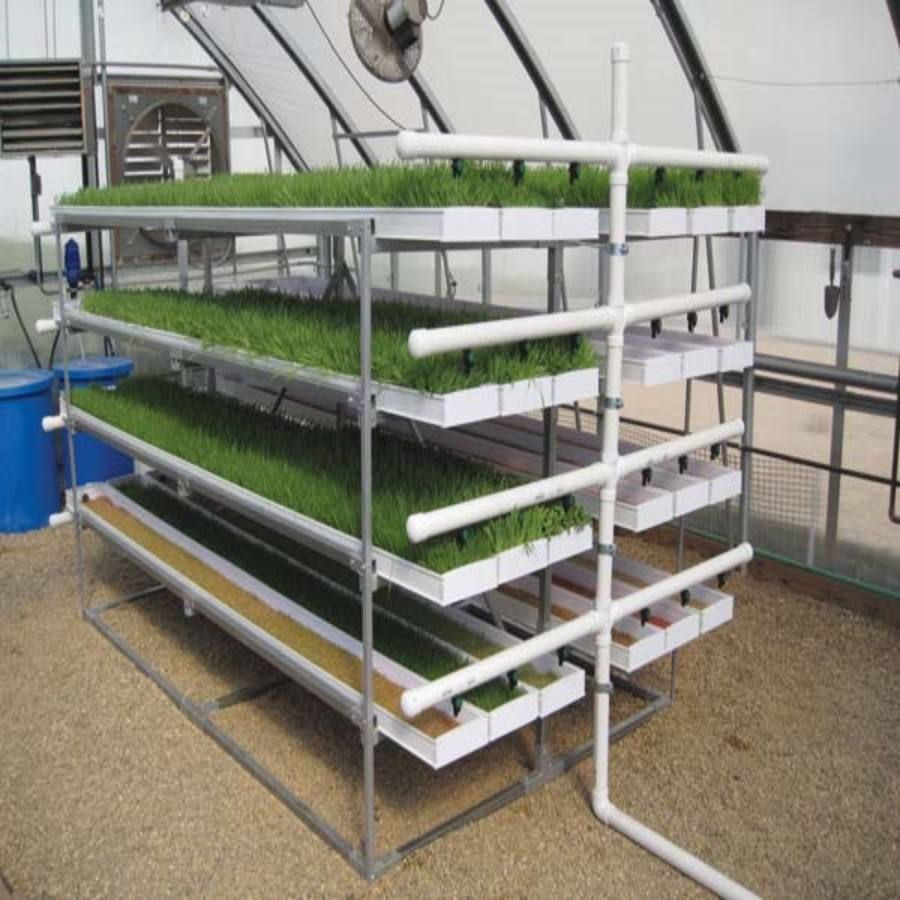
The hydroponic grass growing system is a highly efficient vertical growing solution designed for fresh fodder production, microgreens cultivation, and seedling nursery applications. Built with durable food-grade PVC trays and a multi-layer support structure, this system is ideal for growers who want to save space, recycle water, and produce clean, nutritious green feed in a controlled environment.
This hydroponic growing system is especially suitable for barley, oat grass, lucerne grass, rye grass, wheat grass, corn fodder, bean sprouts, and other fresh fodder crops. With a fast 7-day production cycle, the system allows farms to produce fresh animal feed every day using only seed and water, without fertilizers or hormones.
The vertical structure makes this hydroponic grass growing system a practical choice for modern livestock farms, greenhouse projects, and indoor growing facilities, especially in drought-prone regions where water efficiency and land use are critical.
Product Name: hydroponic fodder system / Hydroponic Grass Growing System
Tray Size: 290 × 260 × 66 mm
Material: Food-grade PVC
Color: White
Length: Customized
Fittings: End cap, end cap with spout, connector
Packing: Bulk package
Certificate: RoHS
Applications: Fodder grass growing, microgreens, seedling nursery
A hydroponic grass growing system is a soilless cultivation system used to grow fresh grass fodder, sprouts, and seedlings in trays or channels with controlled water supply. Instead of traditional field planting, the system uses a nutrient film technique or water recycling irrigation design to support rapid root growth and healthy shoot development.
This method is widely used for:
barley seeds for sprouting animal fodder
oat grass and rye grass production
bean sprout equipment seeds tray system
microgreens growing
nursery seedling production
Because the system is vertical and multi-layered, it helps growers increase output while reducing land and water use.
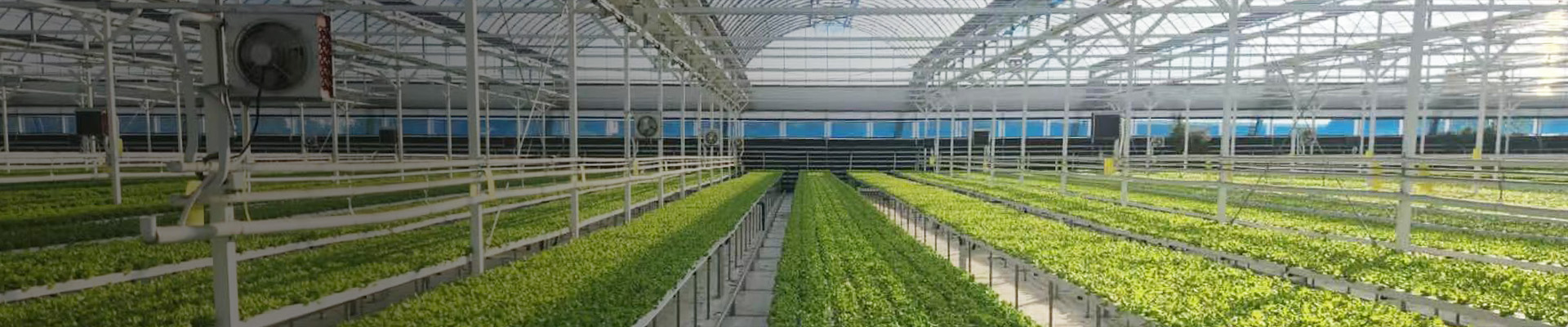
The system adopts a multiple layer aeroponics grow NFT channel style structure that makes full use of vertical growing space. This design is especially suitable for greenhouse and indoor farming projects where land is limited but production demand is high.
Each tray is made of high-quality food-grade PVC, which is heavy-duty, environmentally friendly, easy to clean, and suitable for long-term agricultural use. The material is RoHS compliant and designed for repeated daily production.
This hydroponic grass growing system features a water-saving irrigation regimen that eliminates the need for overhead watering. Water can be recycled through the system, reducing waste and helping control humidity levels that may otherwise promote fungus or mold growth.
One of the biggest advantages of this vertical complete hydroponic fodder system is the rapid production cycle. In about 7 days, seeds can grow into fresh, tender fodder ready for feeding livestock.
The system can be used as a single unit or connected into larger multi-unit systems to achieve higher daily yields. This makes it suitable for both small farms and large commercial fodder operations.
The vertical structure allows growers to produce more grass in a smaller footprint. This is ideal for farms looking to maximize indoor or greenhouse production.
Water recycling is one of the core advantages of the hydroponic grass growing system. Compared with traditional cultivation, it greatly reduces water consumption and is highly suitable for areas with drought conditions.
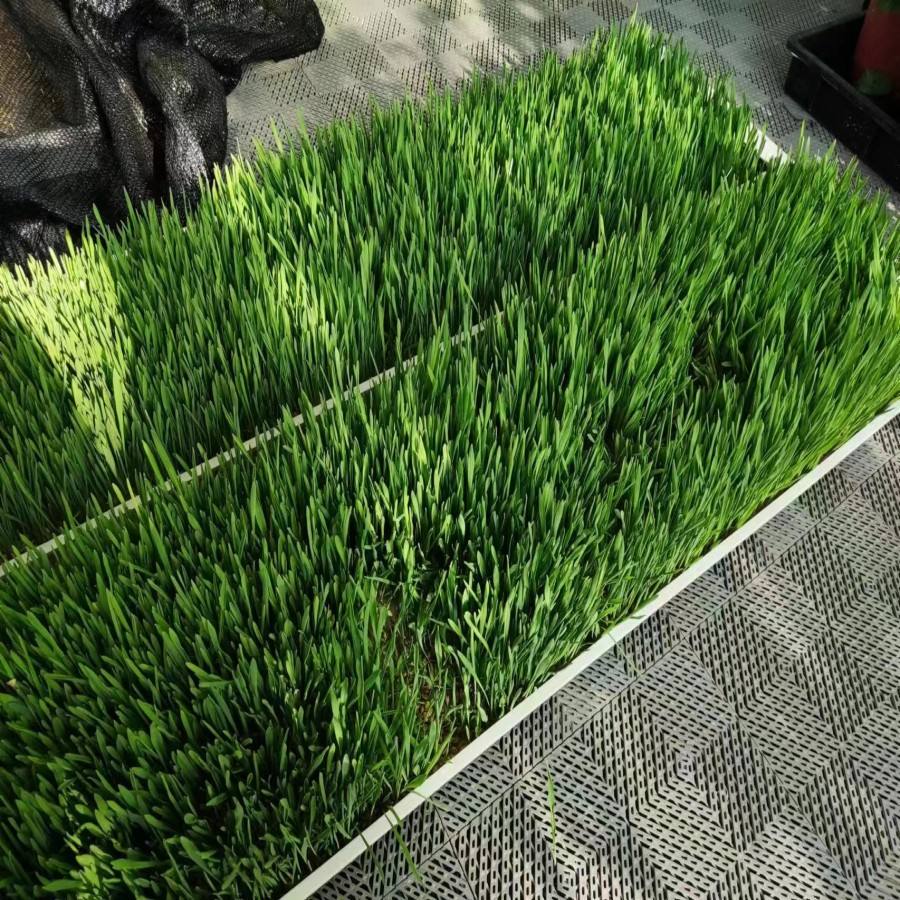
Fresh hydroponic fodder is clean, tender, and nutritious. It can be used directly as green feed for livestock such as cows, horses, chickens, sheep, goats, and pigs.
The system is easy to manage and supports automatic or semi-automatic irrigation. This reduces labor requirements and makes daily production more predictable.
With a reliable 7-day cycle, growers can harvest fresh fodder continuously and maintain a steady feed supply for animals throughout the year.
This hydroponic grass growing system is suitable for a wide range of agricultural uses:
It is widely used to grow:
barley fodder
oat grass
lucerne grass
rye grass
corn fodder
wheat fodder
This makes it an excellent solution for farms that need fresh animal fodder every day.
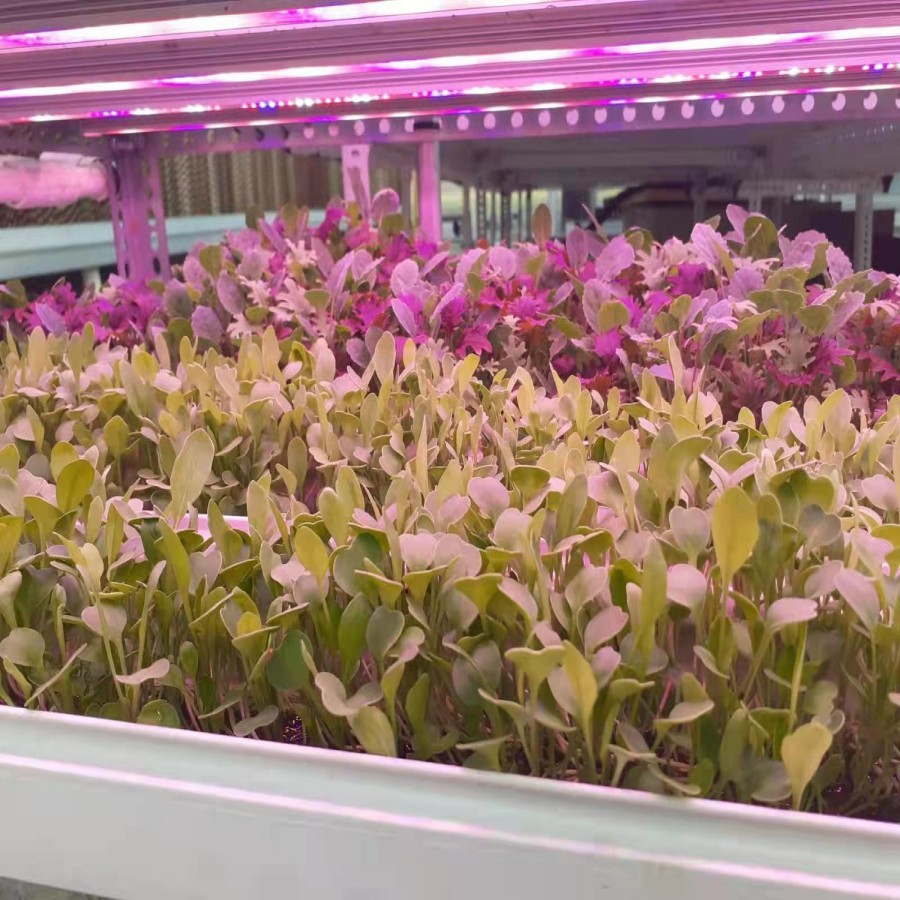
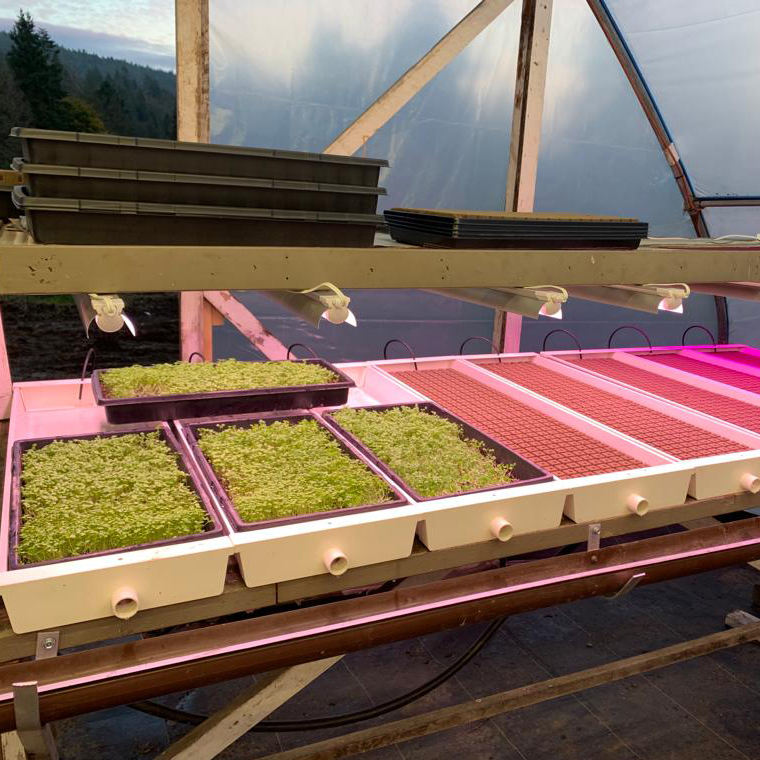
The PVC tray is also suitable for microgreen production. Because the multi-layer design allows more sunlight to reach each level and leaves enough room for artificial lighting, it is ideal for year-round microgreen growing.
Good seedlings are the foundation of a good harvest. This tray system is also suitable for nursery applications, helping seeds germinate in a clean and controlled environment. Matching seedling trays and growing media can also be used together.
Pre-soaked grains are spread evenly in the plastic tray, and the trays are stacked on shelves for the first stage of germination.
After soaking for around 24 hours before planting, seeds begin to sprout roots and shoots.
Strong root bed development begins. Healthy roots form a dense carpet-like mass that lifts the seed and young shoots from the tray.
The root bed is almost fully developed, and growth starts shifting more strongly to the shoots, which typically reach 1–2 inches in height.
Feeding day arrives. Fully developed shoots and root beds are ready for harvest. The shoots usually reach around 8–10 inches in height and can be fed directly to livestock.
This rapid cycle is one of the key reasons why the hydroponic grass growing system is becoming increasingly popular in livestock farming.
This is not just a simple tray, but a practical vertical complete hydroponic fodder system designed for daily production and scalable farm use.
The system is flexible enough for fodder grass, microgreens, bean sprouts, and seedling nursery applications.
Our PVC tray system is heavy-duty, easy to clean, and built for repeated use in hydroponic growing conditions.
Fresh fodder grown in this hydroponic grass growing system supports healthier animal growth and offers a clean alternative to dry feed or field-grown fodder.
Because it saves water and reduces land dependence, this system is especially valuable in regions where conventional forage production is difficult.
A hydroponic grass growing system is used to grow fresh fodder grass, sprouts, microgreens, and seedlings in a soilless environment with controlled irrigation.
It can be used for barley grass, oat grass, lucerne grass, rye grass, wheat fodder, corn fodder, bean sprouts, microgreens, and nursery seedlings.
The standard production cycle is about 7 days from seed to grass, allowing daily fresh fodder harvest.
Yes. The system uses a water recycling irrigation method that saves a large amount of water compared with traditional soil cultivation.
The fresh grass can be used for cows, horses, chickens, sheep, goats, pigs, and other livestock.

G and N is serving for more than 1,000 customers over 122 countries around the world, offering high-quality products and services to global customers.
Copyright © 2026 G AND N FORTUNE LIMITED All rights reserved.