
 English


Products
Productos principales:Canal hidroponico NFT/Cubo holandes hidroponico/Canalon de fresa/
Maceta de red de plastico/Medios de cultivo Rockwool
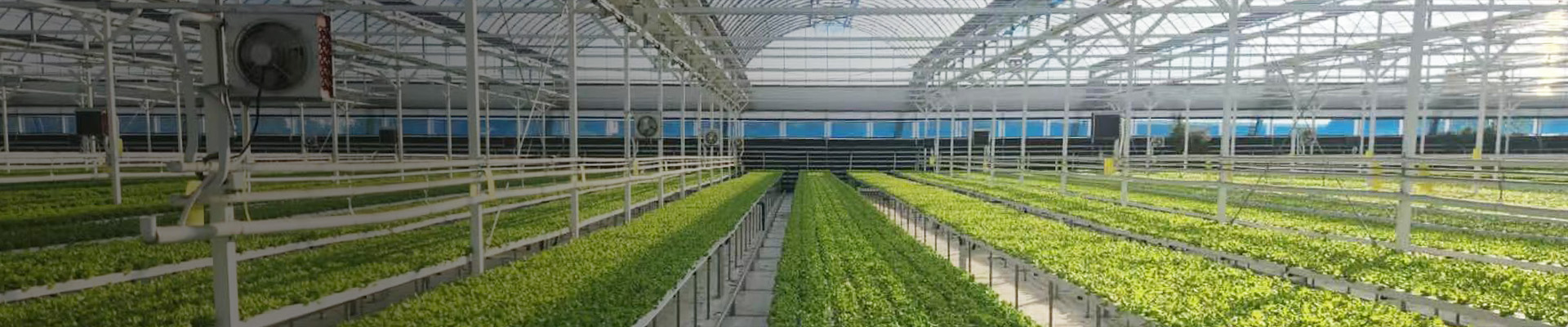
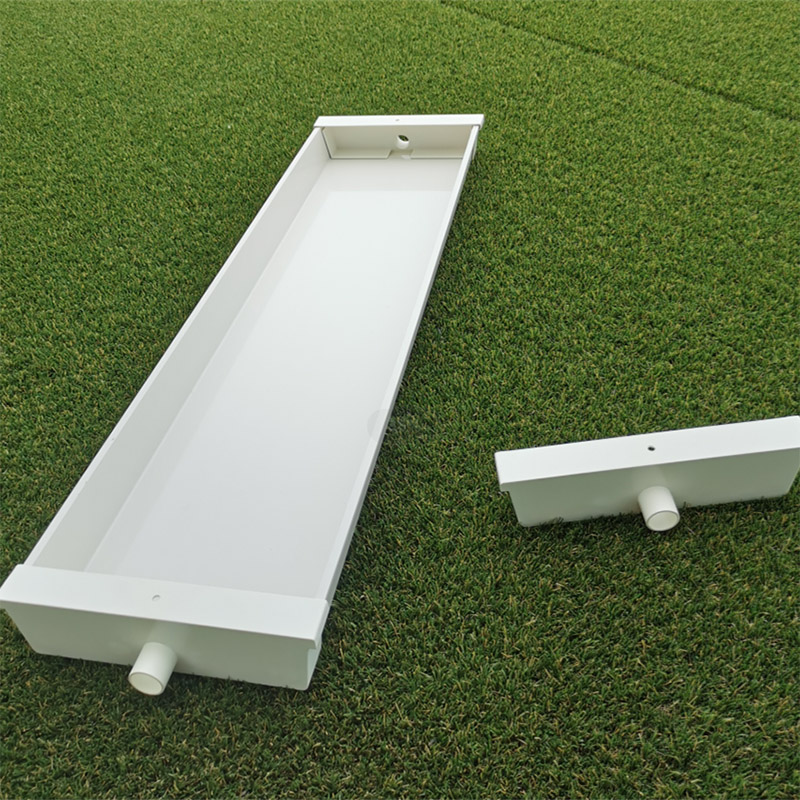


The Wheat Hydroponic Growing System is a soilless cultivation solution designed to grow wheat seeds into fresh green fodder for livestock. By using growing gutters or trays together with a controlled irrigation system, the system provides a practical way to produce fresh fodder without relying on traditional agricultural soil.
As a type of hydroponic fodder Growing System, it can support the cultivation of wheat, barley, oats, rye, and other suitable cereal crops. The system is suitable for farms, livestock operations, greenhouse facilities, and agricultural projects looking for a convenient method of producing fresh green fodder.
A Wheat Hydroponic Growing System is a soilless growing system used to germinate wheat seeds and produce young wheat fodder.
Instead of planting wheat in soil, the seeds are placed in Hydroponic Fodder Trays or growing gutters. Water is supplied to the seeds and developing roots through an irrigation system, creating suitable moisture conditions for germination and growth.
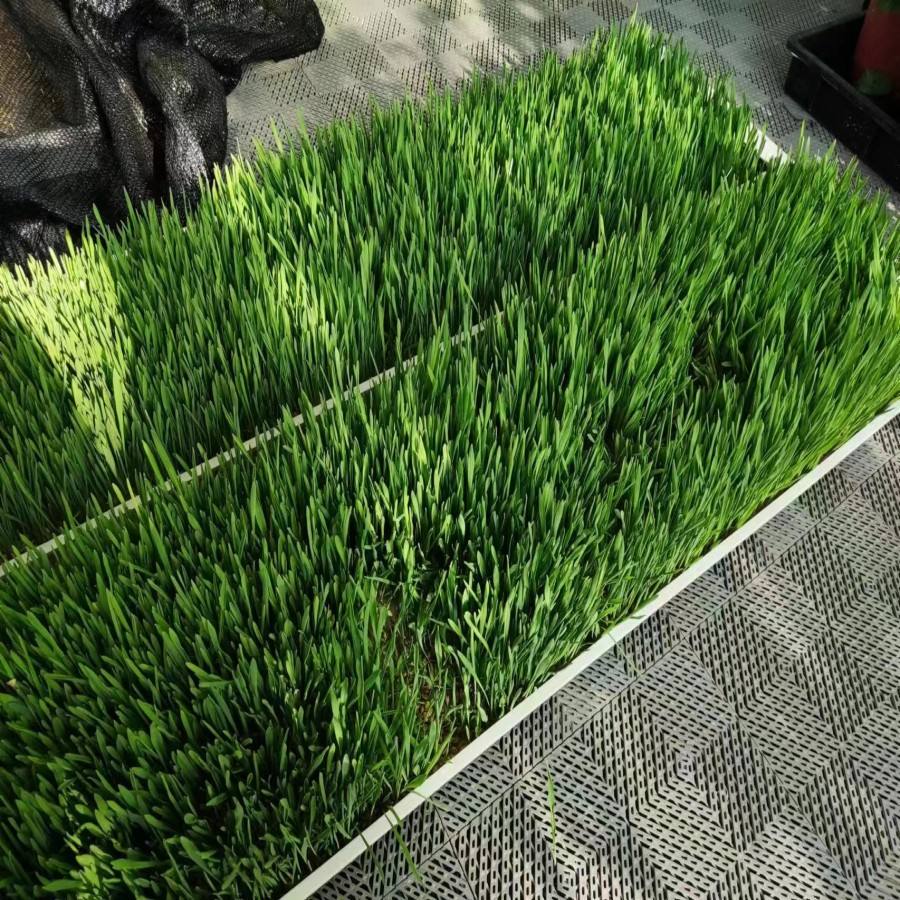
As the wheat develops, the seeds, roots, and young green shoots form a dense mat of fresh fodder that can be harvested and used as part of a livestock feeding program.
A typical Hydroponic Wheat Fodder System uses a water reservoir, pump, irrigation components, and growing gutters or trays.
The basic process can be described as:
Wheat Seeds → Germination → Irrigation → Root Development → Green Fodder Growth → Harvest
Wheat seeds are first selected and prepared for germination. Proper seed quality and preparation can help achieve more consistent germination across the growing trays.
The prepared wheat seeds are evenly distributed across the Fodder Growing Gutter or tray.
The growing container provides a stable surface for the seeds and developing roots while allowing water to drain from the growing area.
Water is delivered to the growing gutters through the irrigation system.
In an automated configuration, a pump can circulate water from the reservoir to the growing trays according to a preset irrigation schedule.
With suitable moisture, temperature, light, and growing conditions, the wheat seeds germinate and develop roots and green shoots.
The resulting Hydroponic Wheat Fodder can then be harvested when it reaches the desired growth stage.
The system does not require traditional agricultural soil. Wheat seeds are grown directly in trays or gutters with controlled water supply.
This makes the Hydroponic Fodder Growing System suitable for locations where conventional soil-based fodder cultivation is difficult or where growing space is limited.
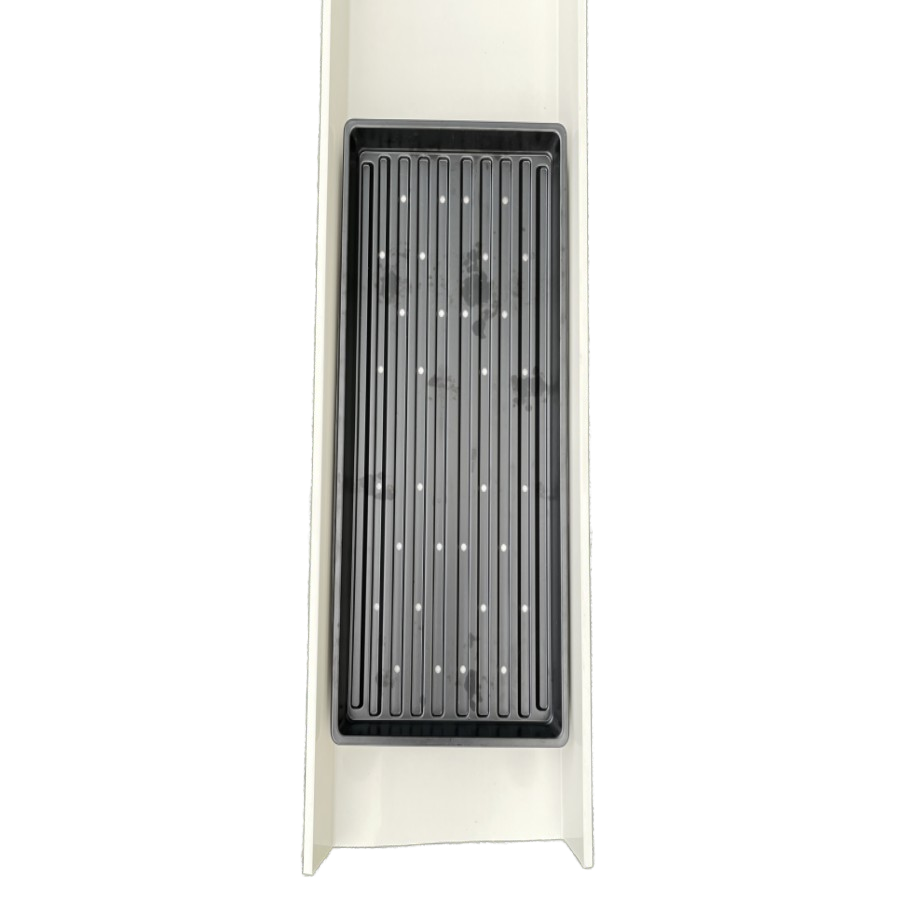
The Fodder Growing Gutter provides a dedicated growing area for cereal seeds.
Multiple gutters or trays can be installed together to create a larger fodder production system. The layout can be configured according to available space and production requirements.
A water pump and irrigation system help deliver water to the growing gutters.
In a recirculating design, water can return to the reservoir after passing through the growing area and then be circulated again.
An Automatic Fodder Growing System can use timers or automated controls to schedule irrigation.
Automated watering can reduce the need for manual irrigation and help maintain a more consistent growing routine.
The actual irrigation frequency should be adjusted according to seed type, growth stage, temperature, humidity, and system design.
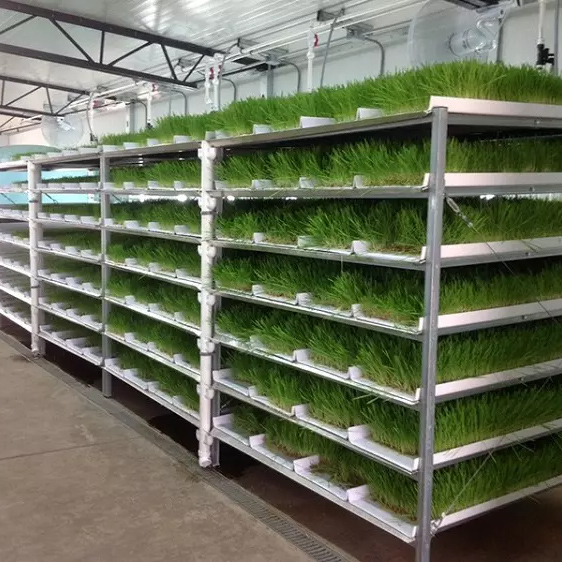
Multiple hydroponic fodder gutters can be arranged in rows or multiple levels to increase production capacity.
This modular design makes the Hydroponic Fodder System adaptable to different farm sizes and available growing spaces.
Although this product is designed around wheat, the same type of Hydroponic Fodder Growing System can also be used for other suitable cereal crops.
Hydroponic Wheat Fodder is produced by germinating wheat seeds and growing the resulting roots and green shoots under controlled moisture conditions.
Barley is another commonly used crop for hydroponic fodder production. A Barley Fodder Growing System uses a similar process of seed germination and soilless green fodder cultivation.
Depending on the system design and local farming requirements, oats and rye can also be considered for hydroponic fodder production.
Crop selection should take into account seed quality, growing conditions, climate, livestock requirements, and the intended feeding program.
A Hydroponic Fodder System can be integrated into livestock farms to produce fresh green fodder on-site.
The system can be used as part of a feeding program for suitable livestock such as cattle, sheep, goats, and horses.
Wheat and barley fodder can be produced as fresh green feed for cattle. The system allows farms to establish a dedicated growing area for regular fodder production.
Fresh hydroponic fodder can also be incorporated into feeding programs for sheep and goats, subject to appropriate nutritional planning.
A Green Fodder Production System provides a controlled method for producing fresh young cereal grass.
It can be useful for farms that want to supplement conventional hay, silage, pasture, or other feed sources with fresh green fodder.
The system uses soilless cultivation, allowing wheat fodder to be produced without conventional farmland.
Growing gutters or trays can be arranged in a compact layout or multiple levels, making efficient use of available space.
The irrigation system provides a controlled method of delivering water to the growing seeds and roots.
The system is designed to produce fresh green wheat fodder that can be incorporated into livestock feeding programs.
A Hydroponic Fodder Growing System can be configured with different numbers of growing trays or gutters, allowing the system to be adapted to small farms as well as larger agricultural operations.
With a pump, timer, and suitable irrigation components, the system can reduce the amount of manual watering required during the growing cycle.
Traditional fodder production generally depends on agricultural land, soil preparation, planting, irrigation, and harvesting.
A Wheat Hydroponic Growing System, by contrast, grows cereal fodder without traditional soil. Seeds are placed in growing trays or gutters and supplied with water through an irrigation system.
This approach can be useful for farms with limited land availability or operations looking for an alternative method of producing fresh green fodder.
Regular cleaning helps remove remaining roots, seed residues, and other organic material from the growing area.
The pump, pipes, irrigation lines, and drainage points should be inspected regularly to ensure water can move through the system properly.
Temperature, humidity, light, water quality, and seed quality can all affect fodder growth. These factors should be managed according to the crop and local conditions.
Proper drainage helps prevent excessive standing water around the seeds and roots. The growing gutter should be designed and maintained to allow excess water to drain effectively.
The Wheat Hydroponic Growing System provides a practical approach to soilless green fodder production. By combining growing gutters or trays with controlled irrigation, the system can support the production of wheat fodder in a compact and manageable growing environment.
For livestock farms and agricultural businesses, a Hydroponic Fodder Growing System can be configured with multiple trays, gutters, pumps, and irrigation components according to available space and production requirements.
Whether used for Hydroponic Wheat Fodder, barley fodder, or other suitable cereal crops, the system provides a flexible foundation for controlled green fodder production.
A Wheat Hydroponic Growing System is a soilless cultivation system designed to grow wheat seeds into fresh green fodder using controlled water supply instead of traditional soil.
Wheat seeds are placed in growing trays or gutters and supplied with water through an irrigation system. Under suitable growing conditions, the seeds germinate and develop roots and green shoots that can be harvested as fresh fodder.
Wheat, barley, oats, and rye are examples of cereal crops that may be suitable for hydroponic fodder production. The suitability depends on seed quality and growing conditions.
No. Hydroponic Wheat Fodder is grown without traditional soil. The seeds are supported in trays or gutters while receiving water through the irrigation system.
Yes. An Automatic Fodder Growing System can incorporate a water pump, timer, and irrigation components to automate the watering schedule.
A Fodder Growing Gutter is a dedicated channel or tray used to hold seeds and developing fodder during the hydroponic growing process. Multiple gutters can be combined to increase production capacity.
Yes. A similar system can be used as a Barley Fodder Growing System, provided the growing gutters, irrigation system, and environmental conditions are suitable for barley.
Hydroponic wheat and barley fodder can be incorporated into livestock feeding programs. The appropriate quantity and nutritional role should be determined according to the animal species, age, production stage, and overall diet.

G and N is serving for more than 1,000 customers over 122 countries around the world, offering high-quality products and services to global customers.
Copyright © 2026 G AND N FORTUNE LIMITED All rights reserved.