
 English


Products
Productos principales:Canal hidroponico NFT/Cubo holandes hidroponico/Canalon de fresa/
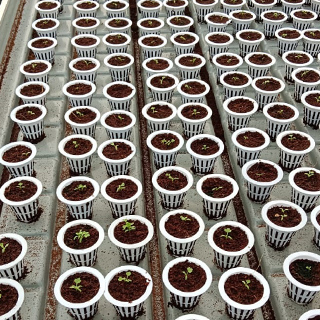
Maceta de red de plastico/Medios de cultivo Rockwool
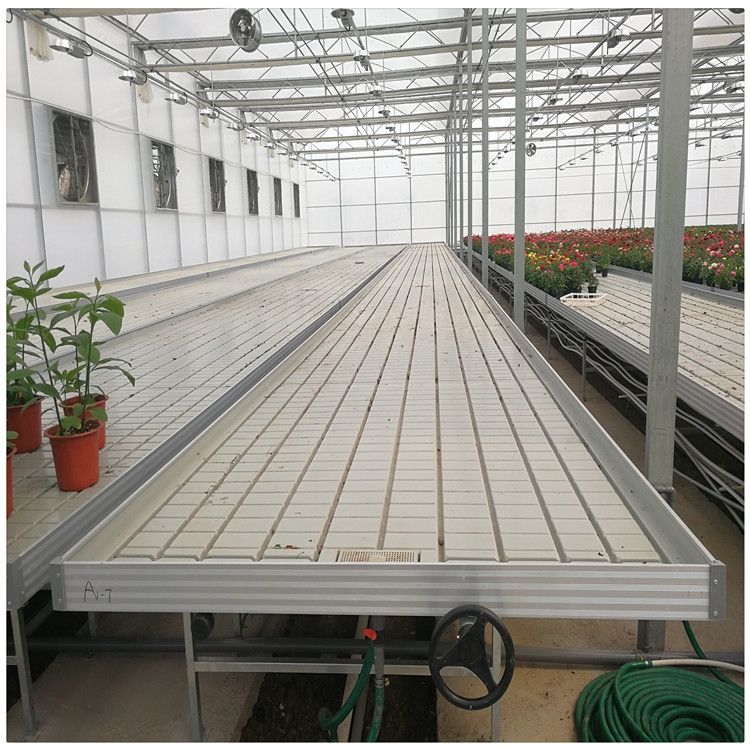


Our Ebb and Flow Hydroponic Grow Table is designed for greenhouse cultivation, nursery production, and soilless growing applications. Using a flood-and-drain irrigation method, this growing table allows water or nutrient solution to be distributed across the growing area and then drained away after a scheduled irrigation cycle.
An ebb and flow grow table can accommodate plant pots, nursery trays, and suitable growing media, depending on its design. It provides a practical growing platform for vegetables, herbs, ornamental plants, and seedlings in commercial greenhouses and horticultural facilities.
For growers looking to improve irrigation management and organize their planting areas, an Ebb and Flow hydroponic system offers a flexible approach to watering multiple plants. The appropriate table size, tray depth, drainage arrangement, and irrigation equipment depend on the crop, growing medium, and production setup.
An ebb and flow hydroponic grow table is a growing platform or tray used with a flood-and-drain irrigation system. During irrigation, water or nutrient solution enters the tray and reaches the bottom of the plant containers or contacts the growing media. After the irrigation period, the solution drains away, allowing the growing media to retain moisture while air can return to the root zone.
Unlike a nutrient film technique (NFT) system, which uses a shallow stream of nutrient solution flowing through channels, an ebb and flow setup operates through periodic flooding and drainage.
The table can be used as part of a larger hydroponic installation that includes a reservoir, water pump, piping, drainage outlets, and irrigation controls. These components may be supplied separately or included in a complete system, depending on the product configuration.
The defining feature of an Ebb and Flow Grow Table is its periodic irrigation method. Water or nutrient solution is introduced into the growing tray and then drained after a set period.
This approach can help distribute moisture across a group of plants when the table, irrigation system, and growing arrangement are properly designed. Irrigation frequency and flooding duration should be adjusted to the crop, growing medium, and environmental conditions.
An Ebb and Flow Planting Table can be used with compatible nursery trays, individual plant pots, and other growing containers. This flexibility makes it suitable for growers who need to manage multiple plants on a shared growing surface.
Before selecting a table, check the dimensions of the containers and trays to ensure they fit the available growing area and can receive adequate irrigation.
Ebb and flow systems are commonly used with soilless growing media, including materials that absorb and retain moisture between irrigation cycles. The growing medium should provide suitable water retention, drainage, and aeration for the selected crop.
The table itself serves as the irrigation platform rather than replacing the growing medium or plant container. Correct coordination between these elements is important for consistent cultivation.
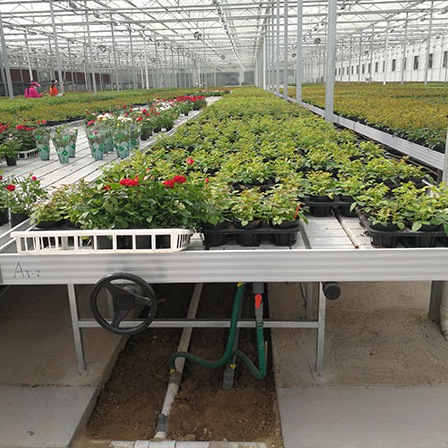
A Hydroponic Growing Table provides a defined surface for arranging plants and managing irrigation. In greenhouse and nursery environments, organized growing tables can make it easier to group crops, access plants for maintenance, and carry out routine cultivation work.
Table dimensions, working height, load capacity, and support structure should be considered according to the growing operation and the intended installation.
Depending on its construction and irrigation configuration, an ebb and flow table can support seedling production, ornamental plant cultivation, herbs, and selected vegetable crops. The system should be designed around the water and root-zone requirements of each crop rather than assuming that every plant needs the same irrigation cycle.
The following are the main specifications to evaluate when choosing a growing table. Actual product values should be confirmed with the manufacturer.
| Specification | Details |
|---|---|
| Product Name | Ebb and Flow Hydroponic Grow Table |
| Product Type | Flood-and-Drain Growing Table or Tray |
| Irrigation Method | Periodic Flooding and Drainage |
| Growing Method | Hydroponics and Soilless Cultivation |
| Plant Containers | Compatible Plant Pots and Nursery Trays |
| Suitable Crops | Seedlings, Herbs, Vegetables, and Ornamental Plants |
| Growing Environment | Greenhouses, Nurseries, and Horticultural Facilities |
| Water Supply | Pump and Reservoir, Depending on System Configuration |
| Drainage | Drainage Outlet and Return Line, Depending on Design |
| Table Dimensions | To Be Confirmed |
| Material | To Be Confirmed |
| Load Capacity | To Be Confirmed |
| Complete System Components | To Be Confirmed |
A pump moves water or nutrient solution from a reservoir into the grow table or tray. The solution spreads across the growing area according to the table's design and the arrangement of its inlet and drainage points.
During the flooding stage, water reaches the growing media or the bottom of compatible plant containers. The media absorbs moisture and nutrients, which become available to the plant roots.
The required flooding depth and duration depend on the tray design, container height, substrate, and crop.
After the irrigation cycle, the solution drains from the table. In a recirculating configuration, the nutrient solution may return to a reservoir for reuse, subject to appropriate monitoring and management.
Effective drainage is important because prolonged standing water can create unsuitable root-zone conditions for some plants.
The system repeats the process according to a suitable irrigation schedule. Growers can adjust the frequency based on crop development, temperature, humidity, light levels, and the water-retention characteristics of the growing medium.
An Ebb and Flow Nursery Tray setup can help growers irrigate multiple seedling trays in an organized growing area. This application is useful for nurseries producing vegetable seedlings, ornamental plants, and young plants for transplanting.
The tray and irrigation schedule should be suitable for the size of the seedlings and the moisture requirements of their growing media.
Ebb and flow tables are commonly used in ornamental horticulture, where groups of potted plants can be irrigated through a shared flood-and-drain platform. This can reduce the need to water every pot individually when the system is properly configured.
Different plant varieties may require different irrigation frequencies, so crop grouping and moisture management remain important.
Selected vegetables and herbs can be grown using an ebb and flow system with compatible pots or growing containers. The method is especially useful when the production setup benefits from periodic irrigation and drainage rather than a continuously flowing nutrient film.
Crop selection should consider root structure, growing medium, container size, and the required moisture conditions.
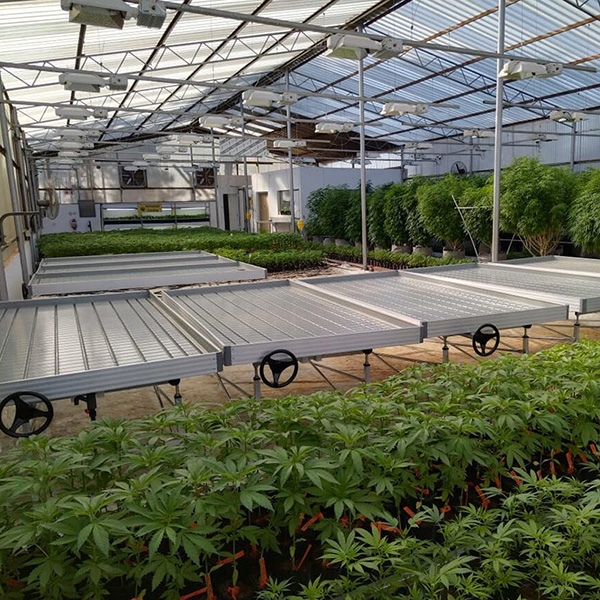
For commercial growers, a Hydroponic Grow Table can provide a structured platform for managing large numbers of plants. Multiple tables may be arranged according to available greenhouse space, irrigation zones, access routes, and production workflow.
When planning a larger installation, consider the table's footprint, drainage capacity, structural support, and compatibility with the overall irrigation system.
Both systems are used in soilless cultivation, but they deliver water differently.
| Comparison | Ebb and Flow Grow Table | NFT hydroponic system |
|---|---|---|
| Irrigation Method | Periodic flooding and drainage | Shallow nutrient solution flowing through channels |
| Typical Growing Setup | Trays, pots, and suitable growing media | Sloped channels or growing gutters |
| Root-Zone Conditions | Moisture retained in the growing medium between cycles | Roots access flowing nutrient solution and air within the channel |
| Common Applications | Seedlings, potted flowers, nursery crops, and selected vegetables | Leafy greens, herbs, and other suitable crops |
| Main Selection Consideration | Tray design, drainage, media, and irrigation schedule | Channel dimensions, slope, nutrient flow, and root space |
The best choice depends on the crops, growing media, greenhouse layout, and irrigation requirements. An ebb and flow table is often considered when plants are grown in pots or nursery trays, while NFT is often selected for crops grown in dedicated channels.
Measure the available greenhouse or nursery space and determine how many trays or pots need to be accommodated. Allow sufficient room for workers to access plants, perform maintenance, and move equipment.
The growing table should fit the production layout without obstructing walkways or drainage routes.
Tray depth affects the amount of water that can be held during flooding. The drainage arrangement determines how efficiently the solution leaves the growing area after irrigation.
Select a design that suits the intended containers, growing media, and irrigation cycle. Confirm the inlet and outlet positions before integrating the table into a larger system.
The table material should be suitable for regular contact with water, nutrient solutions, cleaning agents, and the intended growing environment.
For commercial use, ask the manufacturer to confirm the material, maximum load capacity, support structure, and cleaning requirements. These details are particularly important when the table will hold numerous pots or heavy, moisture-retaining media.
If you plan to use a complete Ebb and Flow Hydroponic System, check whether the table is compatible with the pump, reservoir, piping, drainage connections, and controls.
If you are purchasing only a table or tray, confirm which components are excluded so that you can plan the remaining equipment and installation requirements.
Organized plant placement: Provides a shared surface for nursery trays and compatible plant pots.
Controlled irrigation cycles: Allows flooding duration and frequency to be adjusted to crop requirements.
Flexible growing arrangements: Supports different container layouts and suitable growing media.
Potential solution reuse: In recirculating systems, drained solution may return to the reservoir for managed reuse.
Suitable for greenhouse production: Can be incorporated into nursery, ornamental plant, and selected vegetable-growing operations.
Scalable installation: Multiple tables can be arranged into irrigation zones according to production needs.
Actual water use, labor savings, and crop performance depend on system design, management practices, and environmental conditions.
It is a growing table or tray used for flood-and-drain irrigation. Water or nutrient solution enters the growing area at scheduled intervals and drains away after irrigation, allowing plants in compatible containers or growing media to receive moisture and nutrients.
An ebb and flow tray is the growing surface that holds the plants or containers. A complete system may also include a reservoir, water pump, supply and return pipes, drainage fittings, and irrigation controls. Confirm the supplied components before purchasing.
Depending on the system design, suitable plants may include vegetable seedlings, herbs, ornamental plants, potted flowers, and selected mature vegetables. The growing medium and irrigation schedule should match the crop's needs.
A pumped system generally uses a water pump to deliver water or nutrient solution to the table. The exact equipment depends on the system configuration. Gravity-assisted or other specialized arrangements may use different components.
In a recirculating system, drained solution may return to a reservoir for reuse. Reuse requires appropriate management of nutrient concentration, pH, water quality, and plant health.
There is no single schedule for every crop. Flooding frequency and duration depend on the plant species, growing medium, temperature, humidity, light levels, and table design. Growers should adjust the cycle according to actual moisture conditions and crop requirements.
Confirm the table dimensions, material, load capacity, tray depth, drainage design, and compatibility with your plant containers and irrigation equipment. For a complete system, also verify the pump, reservoir, piping, and control components included in the quotation.
Whether you are setting up a greenhouse nursery, expanding ornamental plant production, or planning a soilless cultivation facility, choosing the right Ebb and Flow Hydroponic Grow Table starts with understanding your crops, containers, and irrigation requirements.
Contact us with your required table dimensions, intended crops, growing media, and project details to discuss a suitable configuration for your greenhouse or hydroponic installation.

G and N is serving for more than 1,000 customers over 122 countries around the world, offering high-quality products and services to global customers.
Copyright © 2026 G AND N FORTUNE LIMITED All rights reserved.