

 English

Products
Productos principales:Canal hidroponico NFT/Cubo holandes hidroponico/Canalon de fresa/
Maceta de red de plastico/Medios de cultivo Rockwool
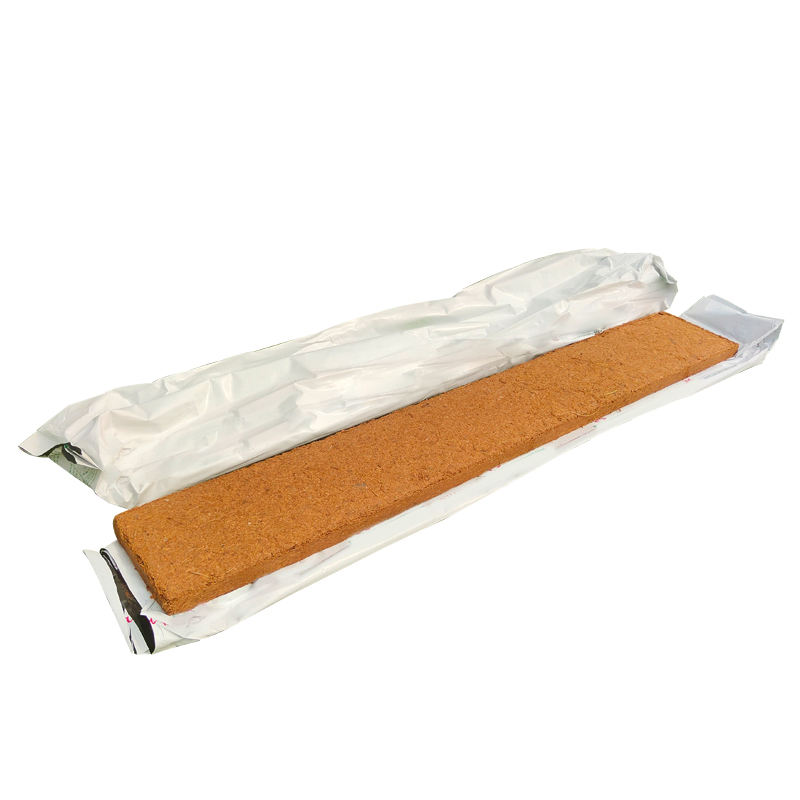
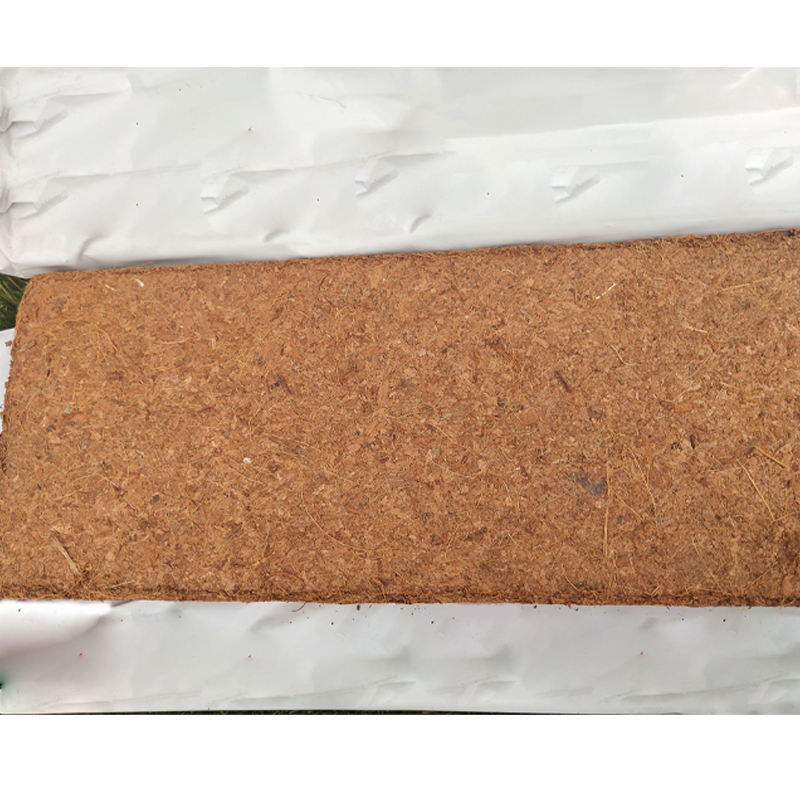
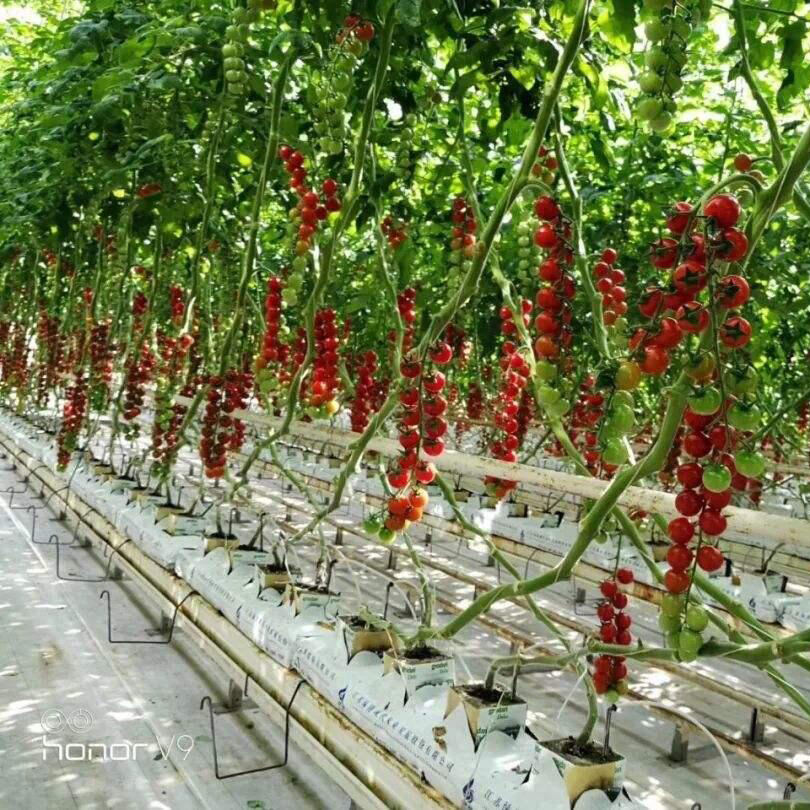
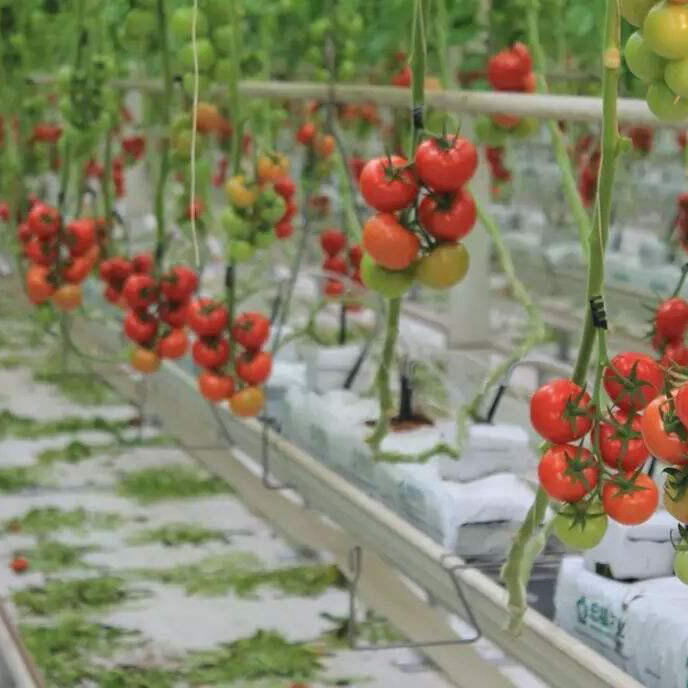
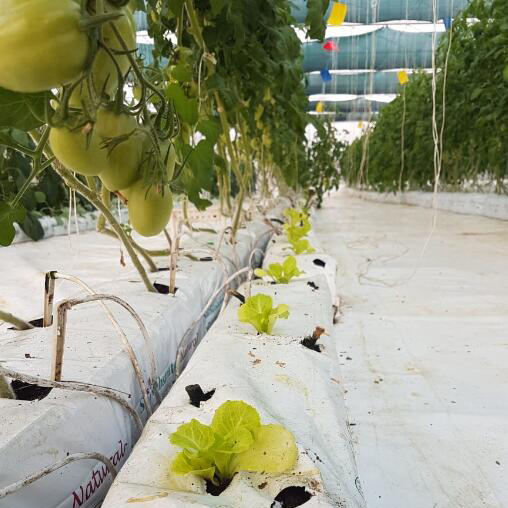


The 100% organic coconut coir natural cocopeat pellet substrate growing slab cocopeat grow bag is one of the most widely used growing media in modern hydroponic growing systems. As global agriculture shifts toward sustainable and soil-free cultivation, Coconut Peat (also known as cocopeat or coco coir substrate) has become a key material in both commercial and home-based hydroponic farming systems.
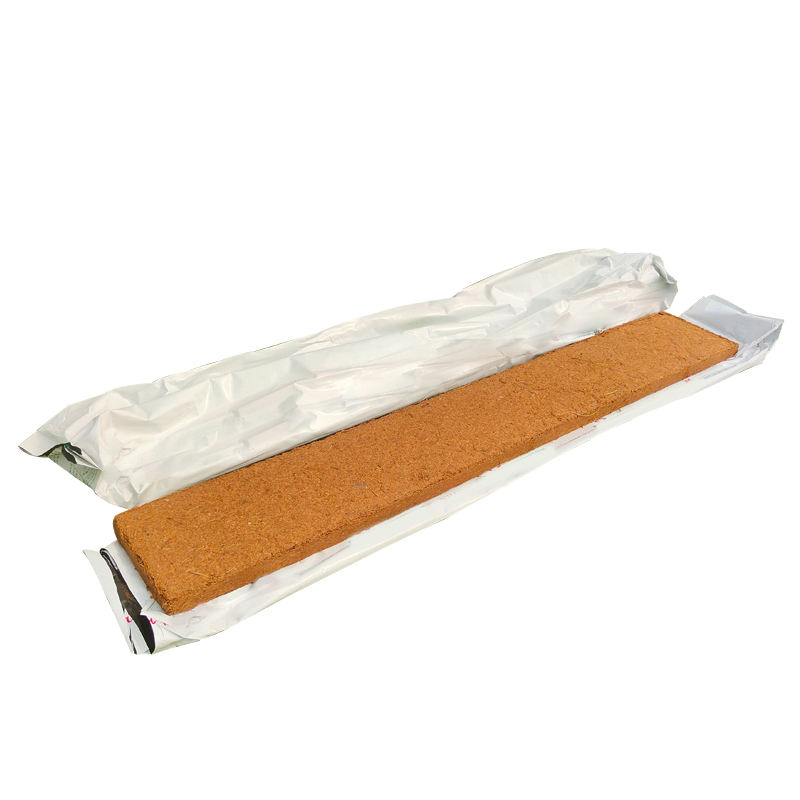
Coconut peat is a natural organic substrate derived from coconut husk fibers. After processing, it is compressed into different forms such as pellets, blocks, slabs, and cocopeat grow bags, making it highly adaptable to various hydroponic growing systems.
Unlike traditional soil, coconut peat is:
Lightweight
Sterile and free from pathogens
Environmentally friendly
Biodegradable
These characteristics make it ideal for use in hydroponic garden systems, greenhouse farming, and indoor agriculture.
Based on the provided specifications, this product is designed for professional hydroponic use:
Product Name: Cocopeat Slabs
Material: Coco Nut Coir / Coco Coir
Type of Peat: Coconut
Size Options:
100×20×10cm
100×15×15cm
100×15×10cm
Usage: Hydroponic Growing System
Application: Hydroponic, mulch, greenhouse
Packing: Plastic bag
MOQ: 1 cubic meter
Brand: G&N
Place of Origin: Guangdong, China
These cocopeat slabs are engineered to provide a stable root environment and are widely used in hydroponic farming systems and greenhouse cultivation.
In a hydroponic grow system, coconut peat acts as a support medium rather than a nutrient source. The nutrients are delivered through irrigation systems such as drip irrigation.
The cocopeat grow bag or slab holds plant roots in place
Nutrient solution is delivered through irrigation lines
Coconut peat retains moisture while allowing excess water to drain
Roots absorb water, oxygen, and nutrients efficiently
This balance of moisture and aeration is critical for plant health in any hydroponic growing system.
Coconut peat can absorb up to 8–10 times its weight in water, making it highly efficient in maintaining consistent moisture levels in a hydroponic grow system.
The fibrous structure ensures sufficient oxygen supply to roots, which is essential in a hydroponic farming system for preventing root rot.
Cocopeat typically has a near-neutral pH (around 5.5–6.5), which is ideal for most crops in a hydroponic garden system.
This property allows coconut peat to hold and release nutrients effectively, improving nutrient efficiency in the hydroponic growing system.
As a natural coco coir substrate, it reduces environmental impact and supports sustainable agriculture practices.
Cocopeat grow bags come pre-packed and ready for planting, simplifying installation in a hydroponic grow system.
The compressed slabs provide consistent density and moisture distribution, ensuring uniform plant growth.
Suitable for:
Drip irrigation systems
NFT hydroponic systems (as support medium)
Vertical hydroponic systems
Greenhouse hydroponic setups
The ideal balance of water and air promotes strong root systems, which leads to healthier plants in a hydroponic farming system.
Plants grown in cocopeat slabs often show faster growth compared to soil due to efficient nutrient uptake.
Coconut peat retains water effectively, reducing irrigation frequency in a hydroponic grow system.
Being sterile, cocopeat minimizes the risk of soil-borne diseases, improving crop quality.
High-quality coco coir slabs can be reused for multiple growing cycles, lowering long-term costs.
Coconut peat is widely used across various sectors:
Ideal for commercial production of vegetables such as tomatoes, cucumbers, peppers, lettuce, and herbs.
Provides controlled growing conditions with efficient water and nutrient management.
Perfect for indoor hydroponic setups where clean and lightweight growing media are required.
Supports vertical farming and space-saving cultivation in cities.
Used for seedling propagation and ornamental plant cultivation.
Cocopeat grow bags are increasingly preferred in modern agriculture due to their convenience and performance:
Easy setup and installation
Consistent quality and structure
Reduced labor requirements
Better drainage and aeration
Suitable for automated irrigation systems
They are especially useful in large-scale hydroponic growing systems where efficiency and uniformity are critical.
To maximize performance in a hydroponic grow system:
Pre-soak cocopeat before use to expand fully
Flush with clean water to remove excess salts
Monitor EC and pH levels regularly
Use balanced nutrient solutions
Replace or sterilize after several cycles
These practices ensure long-term efficiency and consistent crop production.
Coconut peat is a highly effective and sustainable growing medium in modern hydroponic systems. Whether used in the form of pellets, slabs, or cocopeat grow bags, it provides excellent water retention, aeration, and nutrient management.
For growers seeking to improve efficiency, yield, and sustainability in their hydroponic farming system, 100% organic coconut coir natural cocopeat substrate is an ideal choice. Its versatility, eco-friendly nature, and compatibility with various hydroponic setups make it a cornerstone of modern agriculture.
Coconut peat (cocopeat or coco coir substrate) is used as a growing medium in a hydroponic grow system. It supports plant roots, retains moisture, and allows nutrients to be delivered efficiently without soil.
Yes, cocopeat slabs and cocopeat grow bags are compatible with most hydroponic growing systems, especially:
Drip irrigation systems
Greenhouse hydroponic systems
Indoor garden systems
Vertical hydroponic systems
Compared to soil, coconut peat offers:
Better water retention
Improved aeration
Fewer pests and diseases
Cleaner and more controlled growing conditions
This makes it ideal for a hydroponic farming system.
No, cocopeat grow bags do not naturally contain sufficient nutrients. Plants rely on nutrient solutions supplied through the hydroponic grow system.
Before using coco coir substrate:
Soak it in water to expand
Rinse to remove excess salts
Adjust pH if necessary
This ensures optimal performance in a hydroponic growing system.
High-quality cocopeat slabs can typically be reused for 2–3 growing cycles in a hydroponic farming system, depending on crop type and maintenance.
Yes, organic cocopeat substrate is biodegradable and made from renewable coconut husks, making it an eco-friendly choice for sustainable hydroponic systems.
Coconut peat is suitable for a wide range of crops in a hydroponic grow system, including:
Tomatoes
Cucumbers
Lettuce
Strawberries
Herbs
Yes, cocopeat grow bags are widely used in indoor garden systems because they are clean, lightweight, and easy to manage.
In a hydroponic growing system, coconut peat improves growth by:
Maintaining consistent moisture
Enhancing root oxygenation
Supporting efficient nutrient absorption
This leads to healthier plants and higher yields.

G and N is serving for more than 1,000 customers over 122 countries around the world, offering high-quality products and services to global customers.
Copyright © 2026 G AND N FORTUNE LIMITED All rights reserved.