
 English

Products
Productos principales:Canal hidroponico NFT/Cubo holandes hidroponico/Canalon de fresa/
Maceta de red de plastico/Medios de cultivo Rockwool
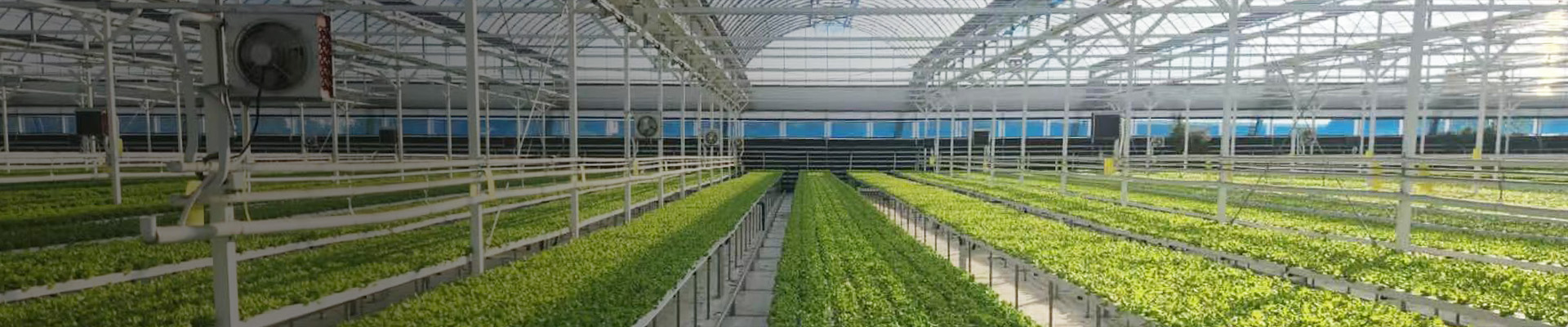
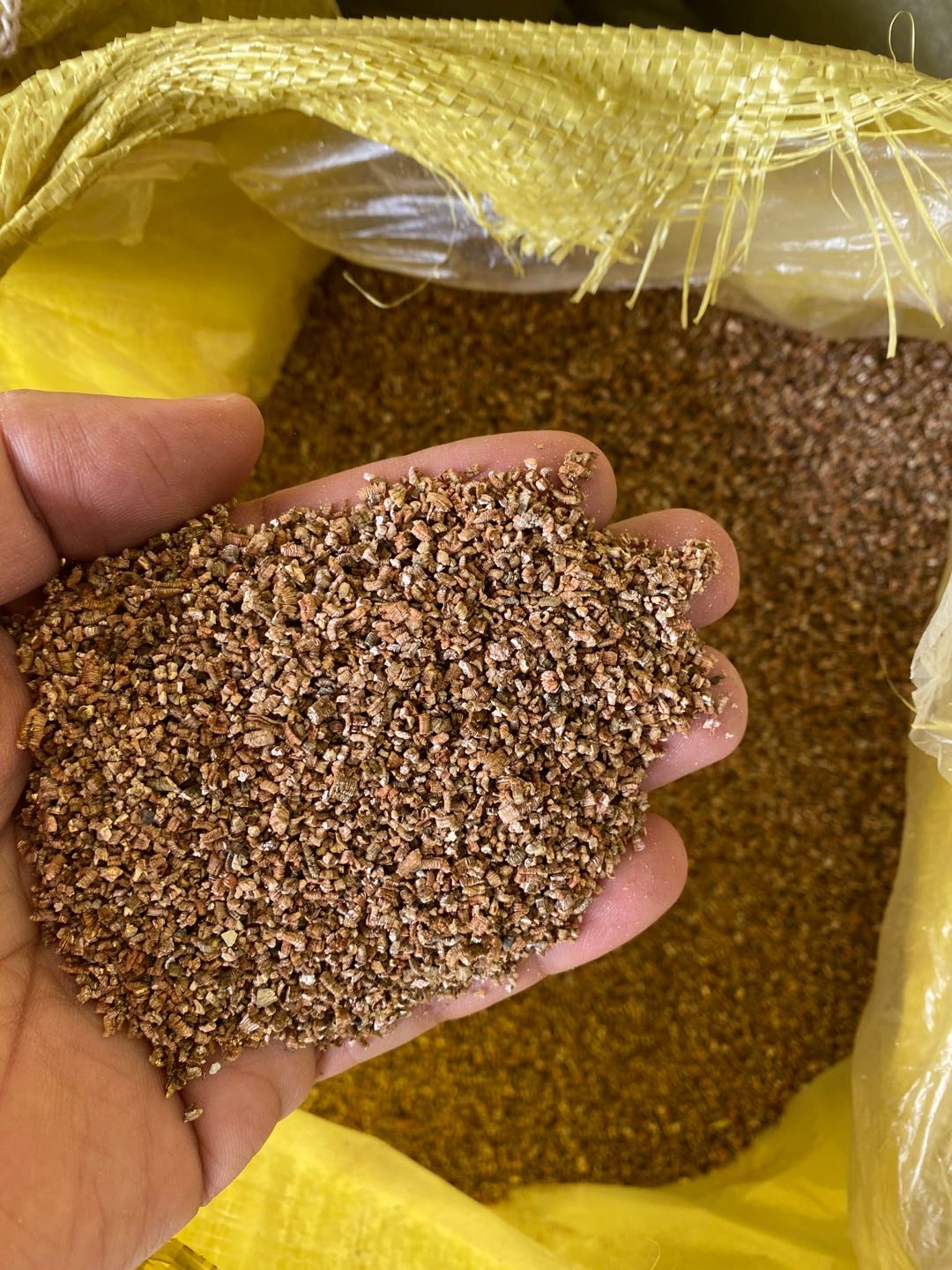


In modern hydroponic systems and soilless cultivation, selecting the right Grow Media for hydroponics is crucial to ensure healthy root development, faster growth, and higher yields. Among available substrates, vermiculite for hydroponics is one of the most versatile and effective options.
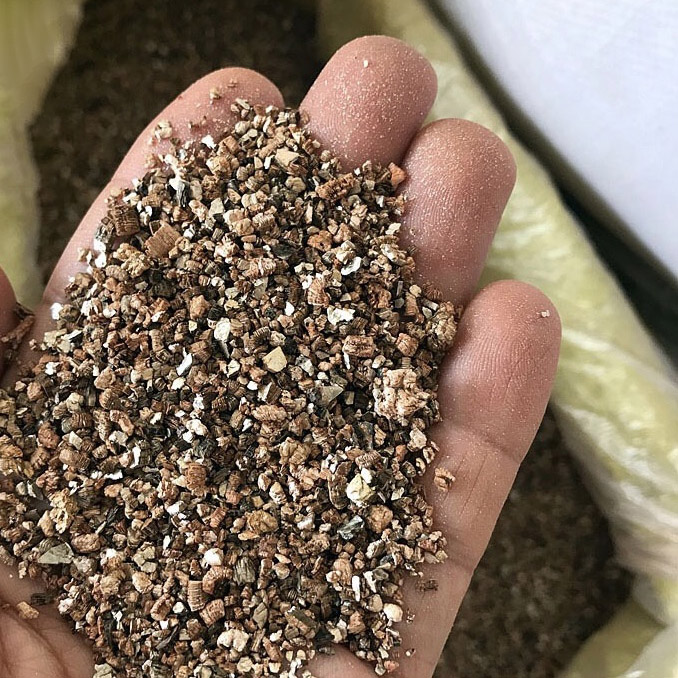
Vermiculite is a naturally occurring mineral that expands when heated, forming a lightweight, porous structure. This unique physical and chemical property allows it to retain water, store nutrients, and provide sufficient aeration for hydroponic plants. It is widely used in indoor hydroponic systems, Vertical Towers, NFT systems, DWC setups, seed starting trays, and propagation trays.
Vermiculite is a hydrous phyllosilicate mineral. When heated, it expands several times its original volume, creating expanded vermiculite for plants. This expanded form is lightweight, porous, sterile, and non-toxic—making it ideal as hydroponic grow media.
Available Grades:
Fine: Ideal for seed starting and delicate seedlings.
Medium: Suitable for young plant propagation and general hydroponic crops.
Coarse: Excellent for larger plants requiring strong root support and improved drainage.
Excellent Water Retention
Hydroponic vermiculite can hold several times its weight in water, providing continuous hydration to roots. This reduces the need for frequent watering and ensures nutrient uptake efficiency.
Aeration and Drainage
While retaining water, vermiculite maintains air pockets around roots. This prevents root rot, encourages oxygenation, and promotes vigorous growth. Mixed with coco peat or Perlite, it achieves an ideal balance of moisture and aeration.
Nutrient Exchange
Vermiculite has natural cation exchange properties, retaining essential nutrients such as potassium, calcium, and magnesium. It slowly releases these nutrients, improving availability to hydroponic plants.
Lightweight and Easy to Handle
Its low density makes it easy to transport, fill trays, or layer in Vertical hydroponic towers.
Non-toxic and Environmentally Friendly
Sterile, chemically inert, and biodegradable, vermiculite is safe for edible crops and organic hydroponic planting systems.
Cost-effective and Reusable
With proper cleaning and sterilization, vermiculite can be reused multiple cycles, reducing waste and production costs.
Versatility Across Systems
Compatible with NFT systems, DWC systems, wick systems, seed trays, and vertical hydroponic towers, vermiculite can be used throughout the plant lifecycle—from seed germination to mature crops.
1. Seed Starting
Fine vermiculite is perfect for germinating seeds due to its softness and moisture retention. It cushions delicate seedlings while creating an ideal environment for root initiation.
Steps for Using Vermiculite for Seed Starting:
Fill a seed tray or small pot with moistened fine vermiculite.
Place 1–3 seeds in each cell.
Lightly cover with a thin layer of fine vermiculite.
Maintain warmth and humidity; the vermiculite will retain moisture and promote rapid germination.
2. Soilless Hydroponic Growing
For leafy greens, herbs, and fruiting crops like tomatoes and strawberries, vermiculite provides excellent root support and water retention. It can be mixed with perlite or coco peat to optimize aeration and drainage. This blend is ideal for hydroponic vermiculite growing systems that aim for consistent growth and high yields.
3. NFT (Nutrient Film Technique) and DWC (Deep Water Culture) Systems
Vermiculite can be used as a substrate in net pots or propagation cubes. Its lightweight structure supports young plant roots and holds nutrients in recirculating systems.
4. Young Plant Medium
In propagation stations or nursery trays, vermiculite ensures strong root development during critical early growth stages. Healthy roots increase transplant success and overall crop performance.
5. Vertical Hydroponic Towers
Vermiculite works well in vertical hydroponic systems, providing moisture and nutrient retention in multi-layer planting setups. Its lightweight nature reduces stress on tower structures.
Leafy greens: Lettuce, spinach, kale, Swiss chard, arugula
Herbs: Basil, mint, parsley, cilantro, oregano
Microgreens: Radish sprouts, sunflower sprouts, arugula, beet greens
Fruiting crops: Tomatoes, peppers, strawberries, cucumbers
A common mixture for hydroponic planting systems:
60% coco peat
40% vermiculite
This combination ensures excellent water retention, proper aeration, and structural support for a wide range of crops. Many growers also blend vermiculite with perlite for better drainage in mature plant cultivation.
1. What is Vermiculite and how is it used in hydroponics?
Vermiculite is a natural mineral that expands when heated, forming a sterile, lightweight, and water-retentive grow media. It's used in seed trays, propagation cubes, NFT, DWC, and other hydroponic setups.
2. Is vermiculite better than perlite?
Vermiculite retains more water and nutrients, ideal for seed starting and water-loving crops. Perlite improves drainage and aeration. Many growers use a combination of both for optimal results.
3. Can vermiculite be used alone?
Yes, vermiculite alone is suitable for germinating seeds or growing cuttings. For mature plants, it is often mixed with coco coir or perlite for better structure and oxygen flow.
4. Is vermiculite safe for edible plants?
Yes, horticultural vermiculite is sterile, non-toxic, and environmentally friendly, making it safe for organic hydroponic systems.
5. How long does vermiculite last in hydroponics?
With proper cleaning and sterilization, vermiculite can last multiple growing cycles. In commercial systems, it is recommended to refresh or replace it periodically to prevent nutrient buildup and pathogen growth.
6. Where can I buy bulk vermiculite for hydroponic systems?
Premium expanded vermiculite is available in fine, medium, and coarse grades, suitable for commercial greenhouses, indoor hydroponic systems, and vertical farming setups. Bulk packaging and OEM/ODM support are often available.
| Feature | Description |
|---|---|
| Material | Expanded Natural Vermiculite |
| Grades Available | Fine, Medium, Coarse |
| Applications | Seed Starting, Hydroponics, Soilless Cultivation |
| Properties | Water Retention, Nutrient Exchange, Sterility, Lightweight |
| Compatible Systems | NFT, DWC, Wick Systems, Seed Trays, Vertical Towers |
Vermiculite for hydroponics is a top choice for growers seeking a natural, effective, and reusable hydroponic grow media. It ensures consistent hydration, nutrient availability, and healthy root development, supporting both small indoor hydroponic systems and large-scale commercial production.

G and N is serving for more than 1,000 customers over 122 countries around the world, offering high-quality products and services to global customers.
Copyright © 2026 G AND N FORTUNE LIMITED All rights reserved.