
 English

Products
Productos principales:Canal hidroponico NFT/Cubo holandes hidroponico/Canalon de fresa/
Maceta de red de plastico/Medios de cultivo Rockwool
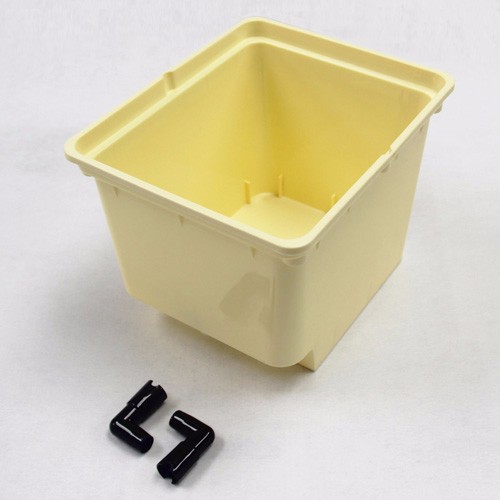


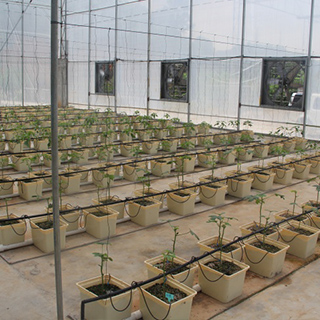
The Dutch Bucket Hydroponic System, also known as the Bato Bucket System, is a highly efficient and scalable solution designed specifically for growing large, long-term crops in commercial or greenhouse environments. Whether you are cultivating hydroponic tomatoes, hydroponic cucumbers, hydroponic peppers, or hydroponic eggplants, the Dutch Bucket System provides optimal root support, nutrient delivery, and water management. It is one of the most reliable and widely used solutions in modern large plant hydroponics.
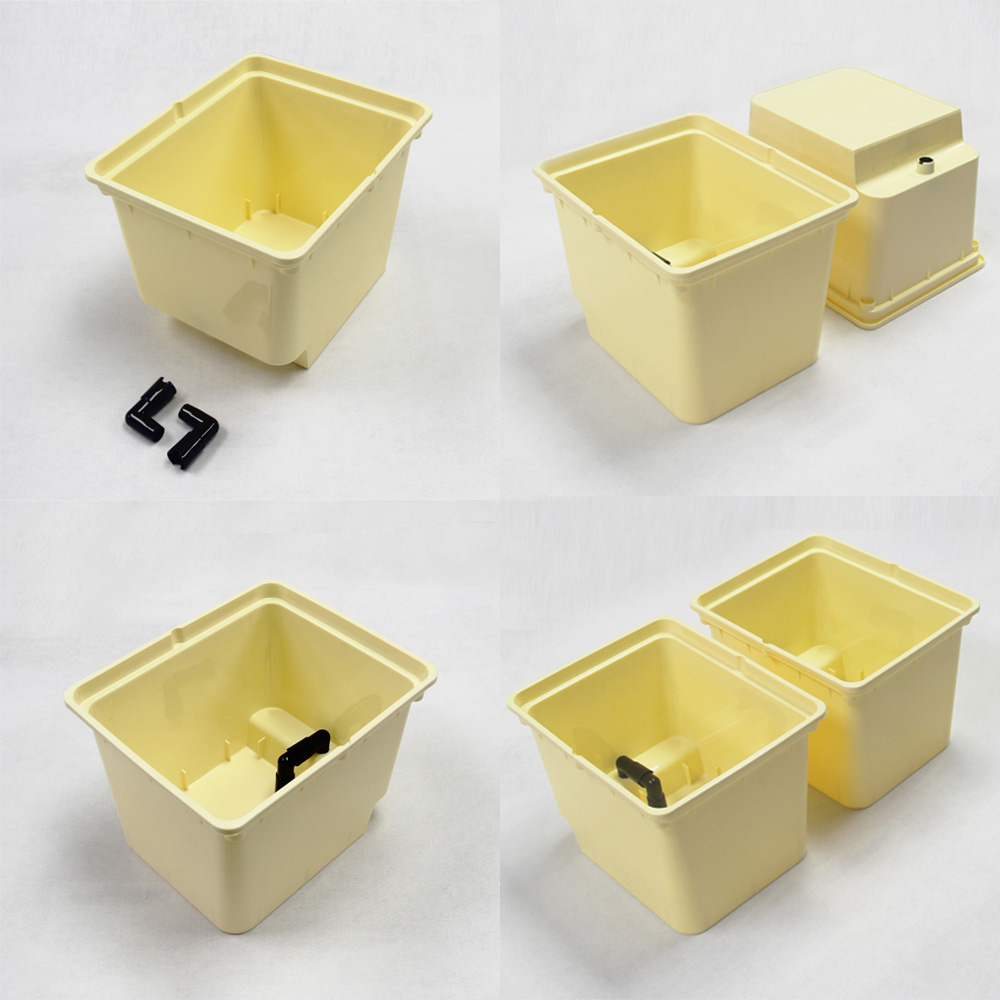
A Dutch Bucket System is a type of hydroponic bucket system that uses drip irrigation to deliver nutrient-rich water directly to the root zone. It is especially effective for plants with deep root structures and extended growing periods. The system consists of individual buckets (often called hydroponic Dutch buckets) filled with a growing medium and connected to a recirculating nutrient delivery system.
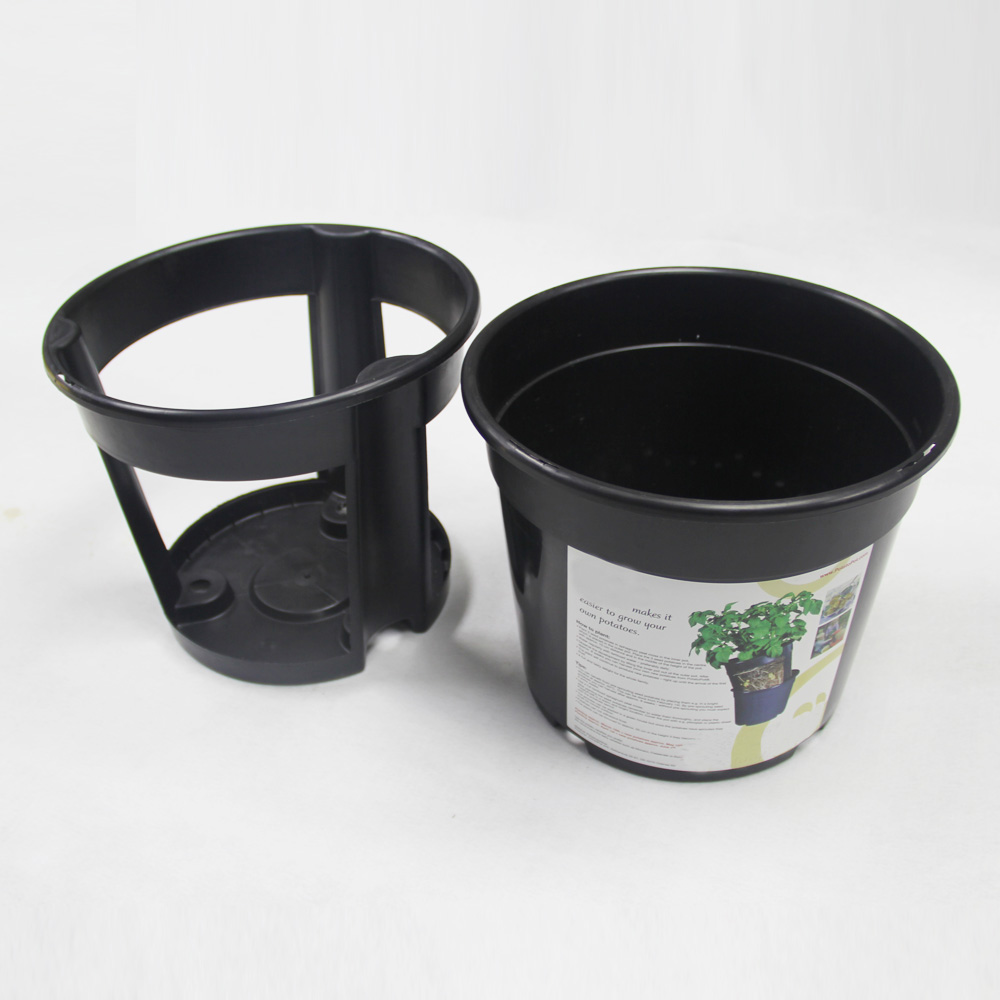
Each Dutch bucket hydroponic kit includes:
Food-grade PP buckets (commonly beige or black)
Internal siphon elbows for drainage
A central 40mm or 50mm drain pipe for overflow collection
A drip irrigation hydroponic system connected to a nutrient reservoir
The recirculating Dutch bucket system with drip irrigation ensures water efficiency, eliminates stagnant water, and provides consistent nutrient availability.
The Commercial Hydroponic Systems Dutch Bato Bucket for Vegetables is designed for robust crops and ornamental plants that require space and nutrient stability. It is commonly used in:
Greenhouse tomato systems
Dutch bucket hydroponics for cucumbers
Commercial hydroponic pepper farming
Controlled cultivation of eggplants and even roses
Whether you are growing for the fresh produce market or engaging in DIY Dutch bucket hydroponic kit projects, this system scales easily and supports high yields.
| Item | Description |
|---|---|
| Name | Dutch Bato Bucket |
| Size | 12" x 10" x 9" (30cm x 25cm x 23cm) |
| Volume | 11 liters |
| Material | New food-grade PP & UV resistant |
| Color | Beige or Black |
| Fittings | 2 siphon elbows included |
| Drain Pipe Compatibility | 40mm or 50mm |
| Weight | 0.41 Kg |
| Packing | 30pcs per carton |
| Carton Size | 76 x 51 x 32 cm |
| Certificate | RoHS certified |
| 20FT/40HQ Capacity | 6600 pcs / 16000 pcs |
The flexibility of the Dutch bucket lies in its compatibility with various growing substrates. You can choose from:
Expanded clay pellets (LECA) – excellent for aeration and reuse
Perlite and vermiculite mix – lightweight and moisture retaining
Coconut coir (coco peat) – eco-friendly and holds nutrients well
Choosing the best growing medium for a Dutch bucket system depends on the crop, local availability, and reuse requirements.
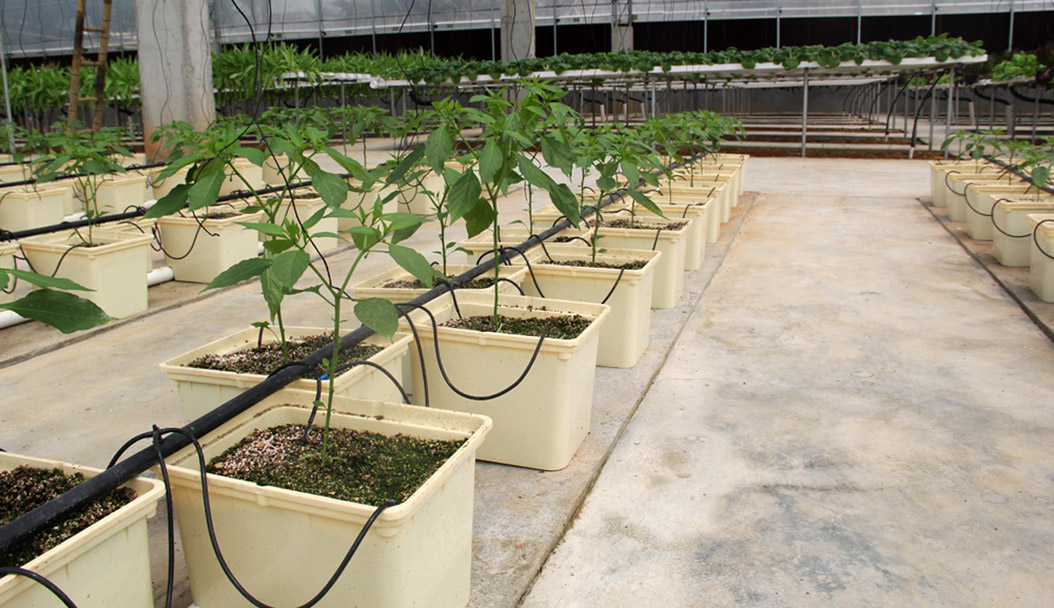
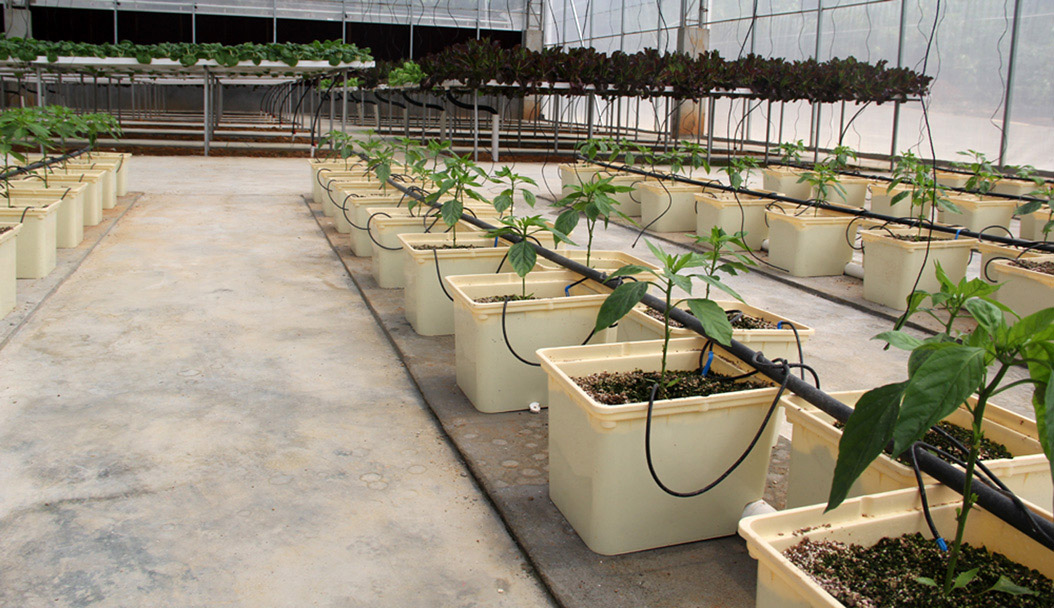
Setting up a Dutch bucket hydroponic system is straightforward, and it can be customized for small DIY systems or large-scale commercial greenhouses.
Assemble buckets with growing medium and install the internal siphon elbows.
Connect the overflow ports of each bucket to a central drain pipe (40mm or 50mm PVC).
Set up a drip irrigation hydroponic system using tubing and emitters connected to a reservoir.
Use a water pump and timer to automate nutrient delivery.
Ensure proper pH and EC control in the nutrient solution for plant health.
This setup allows for a recirculating Dutch bucket system, where excess solution flows back to the reservoir for reuse, making it both sustainable and cost-effective.
Modular and scalable: perfect for both DIY and commercial growers
Efficient water and nutrient use: saves on resources
Compatible with many hydroponic vegetables
Eliminates stagnant water with suction-based overflow
Food-grade, UV-resistant materials for long-term durability
Whether you're setting up a DIY Dutch bucket hydroponic kit for your backyard or deploying a commercial hydroponic system in a greenhouse, this solution ensures long-term success with minimal maintenance.
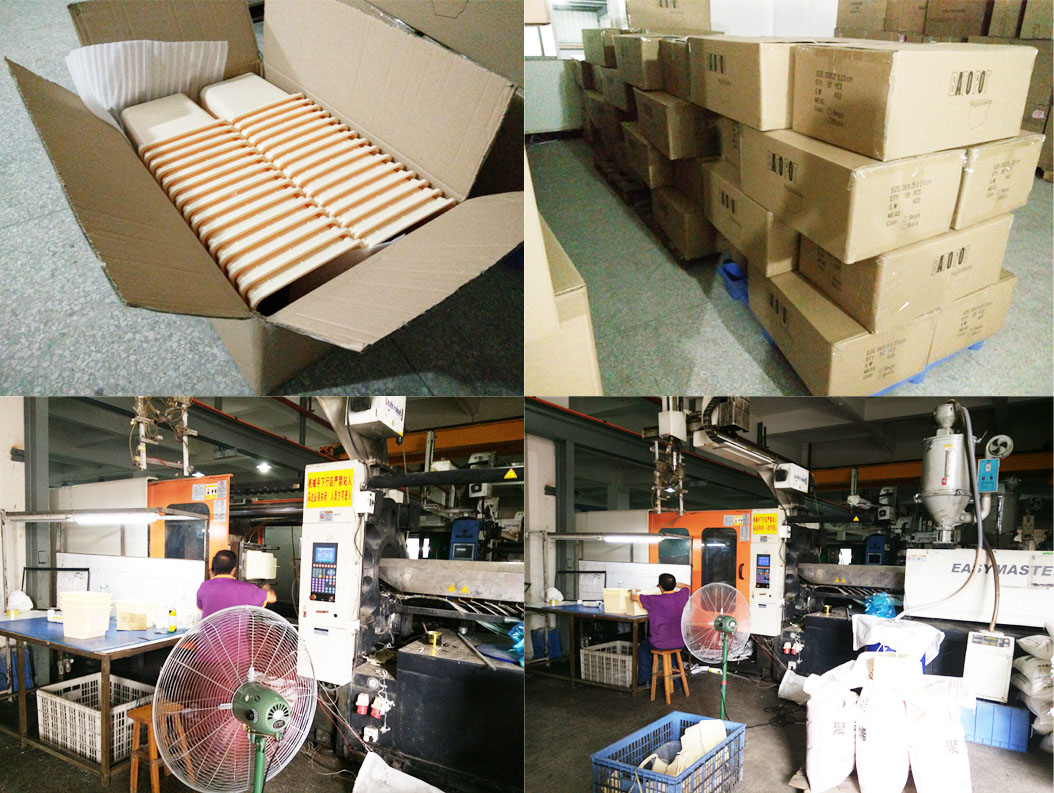
Our Dutch bucket hydroponic systems are available in bulk for distributors, commercial farms, and greenhouse builders:
20FT container: 6600 pcs
40HQ container: 16000 pcs
RoHS-certified, durable packaging with 30 pcs per carton.
Absolutely. The Dutch Bucket Hydroponic System is beginner-friendly and easy to set up. With basic knowledge of hydroponics and a step-by-step guide, even first-time users can successfully grow vegetables like tomatoes, cucumbers, and peppers. Many DIY growers start with a small Dutch Bucket Kit before scaling up.
Typically, the nutrient solution should be completely replaced every 7 to 14 days, depending on the plant growth stage, water quality, and temperature. However, in a recirculating Dutch bucket system, you can top off the reservoir more frequently and monitor the EC and pH levels to maintain optimal conditions.
Look for these common signs:
Yellowing leaves (possible nitrogen deficiency)
Stunted growth (lack of potassium or phosphorus)
Leaf curling or discoloration
Use a TDS/EC meter to check the nutrient concentration and adjust accordingly. Consistent monitoring is key in hydroponics.
Not much. The main electrical components in a Dutch Bucket System are a small water pump, a timer, and possibly a grow light if used indoors. The power consumption is minimal compared to traditional greenhouse equipment, and most pumps are energy-efficient, running for just minutes per hour in a drip irrigation hydroponic system.
Yes – and often better. In a well-maintained Dutch Bucket System, plants grow faster, healthier, and yield more than soil-grown plants. This is because nutrients are delivered directly to the roots in a controlled environment, reducing stress and maximizing growth.
Common options include:
Expanded clay pellets (LECA) – reusable and aerated
Perlite & vermiculite mix – lightweight and moisture-retentive
Coconut coir – organic and nutrient-holding
Each has its pros and cons depending on your climate and crop.
Yes, you can grow various hydroponic vegetables such as tomatoes, cucumbers, peppers, and even eggplants in the same system, provided they have similar nutrient and water requirements. Just ensure proper spacing and support structures.
Definitely. The Dutch Bato Bucket System is widely used in greenhouse tomato systems, commercial pepper cultivation, and large-scale vegetable farms. It is scalable, modular, and efficient for long-term crops.
Each bucket measures 12" x 10" x 9" and includes two siphon elbows. It is compatible with standard 40mm or 50mm drain pipes, making installation simple and effective.

G and N is serving for more than 1,000 customers over 122 countries around the world, offering high-quality products and services to global customers.
Copyright © 2026 G AND N FORTUNE LIMITED All rights reserved.