
 English


Products
Productos principales:Canal hidroponico NFT/Cubo holandes hidroponico/Canalon de fresa/
Maceta de red de plastico/Medios de cultivo Rockwool
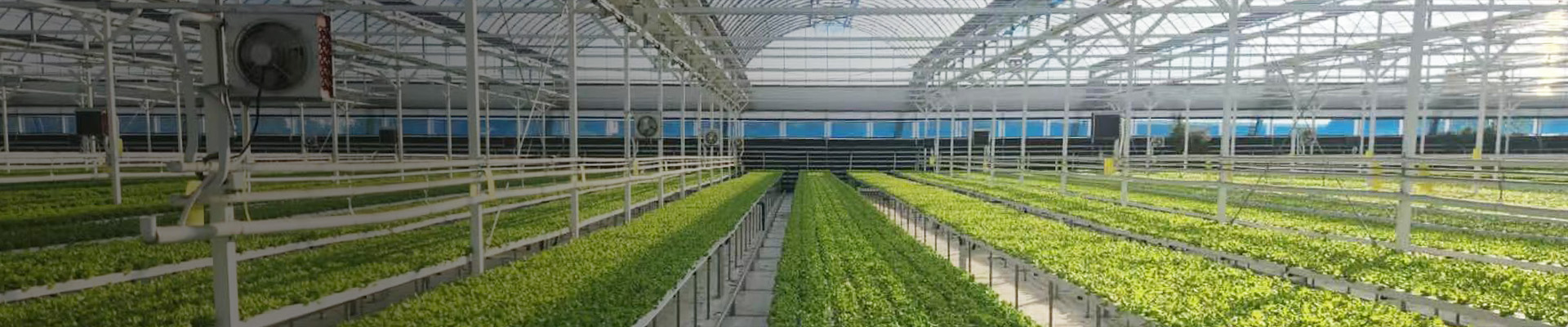


The Dutch Bato Bucket Hydroponic System (also called the Bato Bucket System) is a proven, versatile, and efficient hydroponic bucket system that supports the cultivation of a wide range of vegetables and plants. From potatoes and root vegetables to vine tomatoes, cucumbers, peppers, and even decorative flowers like roses, this system meets the demands of both commercial growers and home enthusiasts.
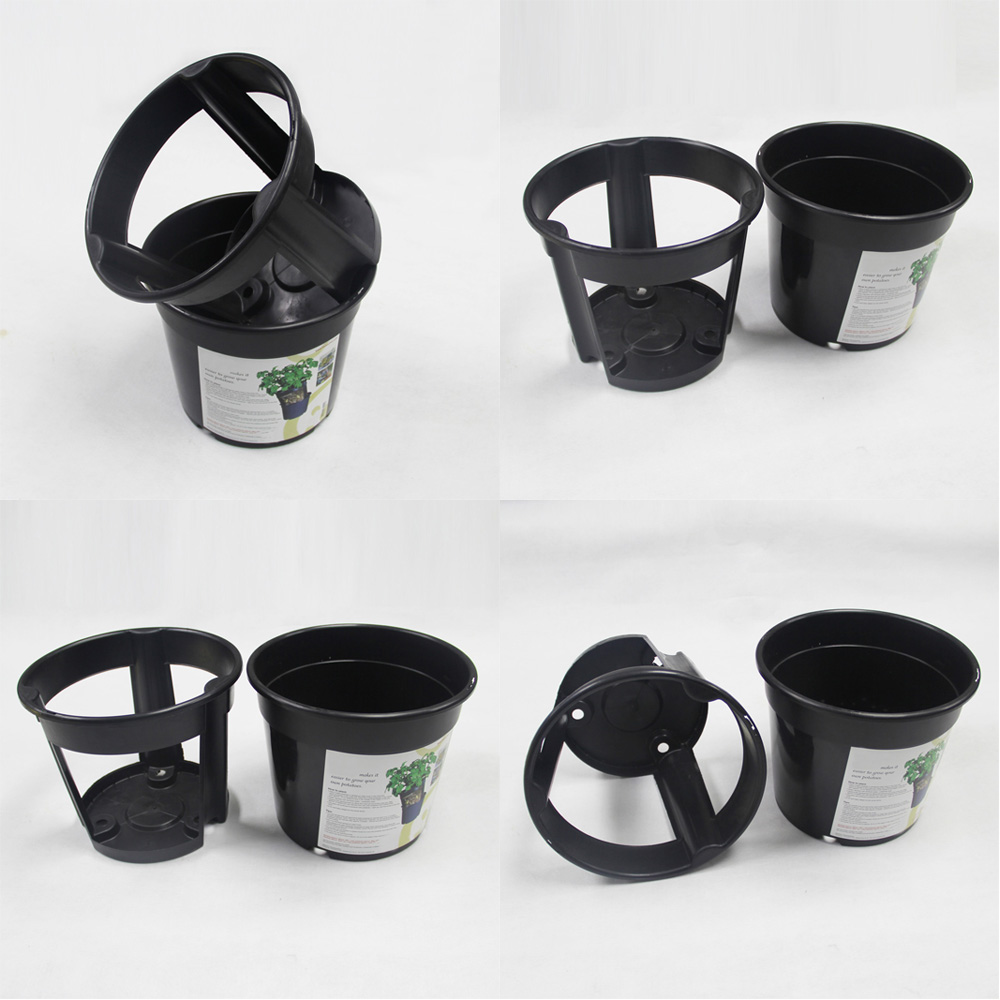
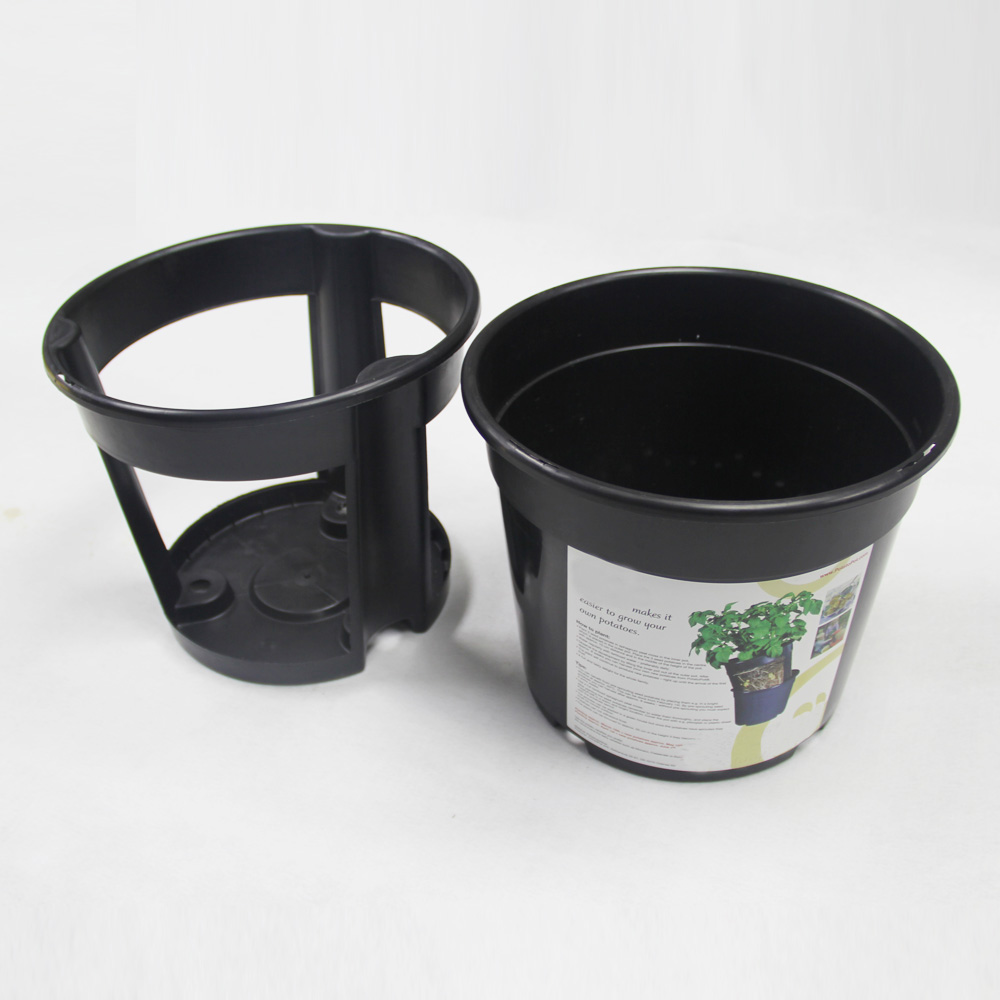
The system consists of individual buckets made of durable, food-grade polypropylene (PP), designed to provide ample root space while enabling easy drainage and maintenance. Each bucket features:
A two-piece design: an inner pot that holds the plant and growing medium, and an outer shell that supports the structure and collects overflow.
Integrated siphon elbows for effective drainage to prevent waterlogging.
Compatibility with recirculating hydroponic systems and drip irrigation hydroponic systems that deliver nutrient-rich water directly to each plant.
This setup enables precise water and nutrient management, reducing waste and maximizing plant health, making it ideal for large plant hydroponics in greenhouses or home gardens.
| Feature | Details |
|---|---|
| Material | Food-grade polypropylene (PP), UV resistant |
| Bucket Size | Top diameter: 30.5 cm; Height: 26.5 cm; Bottom width: 24 cm |
| Weight | 430 g per set (inner + outer pot) |
| Color | Black |
| Packaging | 2 pieces per set; 24 sets per carton |
| Suitable Crops | Potatoes, taro, radish, tomatoes, cucumbers, peppers, eggplants, roses, and more |
While commonly used as a bato bucket for potatoes, the system's design supports:
Hydroponic tomatoes: Using the Dutch Bucket tomato system, growers achieve high yields with improved root aeration.
Hydroponic cucumbers: Ideal spacing and nutrient delivery for Dutch Bucket system for cucumbers.
Peppers and eggplants: Benefiting from stable moisture and nutrient availability.
Root crops: Potatoes, taro, radishes grow abundantly with the large volume and easy harvest design.
Ornamental plants and flowers: Roses and decorative plants thrive due to controlled water flow and disease prevention.
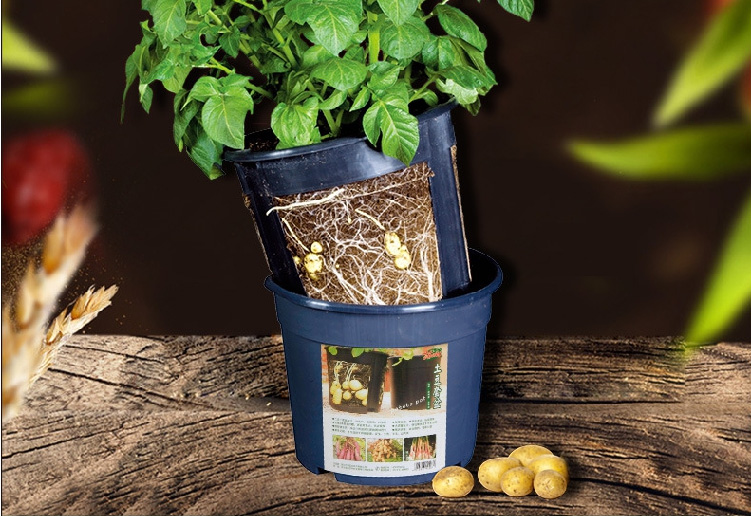
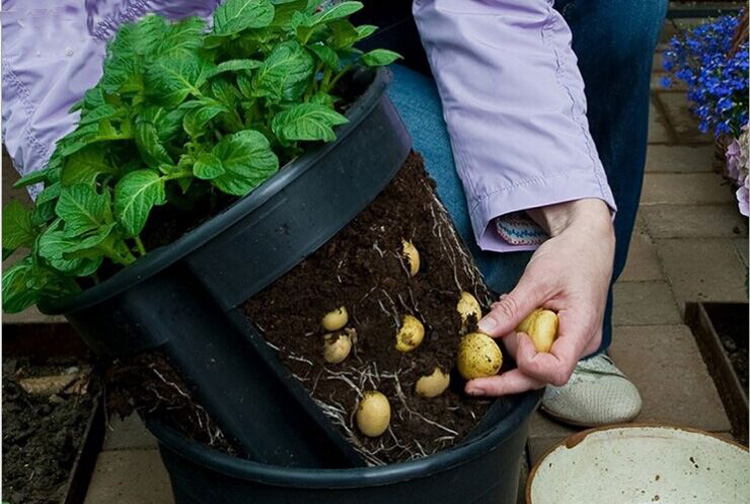
Easy Harvesting: The two-piece bucket allows you to remove the inner pot easily, minimizing root damage and eliminating the need to dump soil during harvest.
Multiple Harvest Lines: Inner pots feature three marked lines for simple monitoring and staggered harvesting.
Scalable and Modular: Build from a small DIY Dutch Bucket system to a full commercial setup with bato buckets hydroponics kit components.
Water Efficient: Works seamlessly with recirculating hydroponic systems and bato bucket setup with drip irrigation, conserving water and nutrients.
Durability: Food-grade PP with UV protection ensures long service life indoors and outdoors.
Versatility: Supports a wide variety of crops beyond potatoes, increasing your farming options.
Prepare the Buckets: Fill the inner pot with your chosen growing medium such as expanded clay pellets, perlite, coconut coir, or a soil mix.
Planting: Insert seedlings or seeds (e.g., 3-4 potato tubers or tomato seedlings) into each bucket.
Connect Irrigation: Attach drip emitters and connect buckets to a central nutrient reservoir with appropriate tubing.
Install Drainage: Use the included siphon elbows to connect overflow outlets to a 40mm or 50mm PVC drainpipe, ensuring proper drainage and preventing stagnant water.
Pump Selection: Choose an appropriate pump based on your system size — commonly dutch bucket system pump size ranges from 10 to 30 L/min.
Bucket Spacing: Maintain spacing of 30–45 cm between buckets to ensure airflow and plant development (bato bucket spacing for hydroponics).
Set Timers and Monitor: Program irrigation schedules and regularly check nutrient solution’s pH and EC for optimal plant growth.
Harvesting: When crops mature, lift the inner pot along the harvest lines to gather produce easily.
The Dutch Bato Bucket Hydroponic System provides excellent yields in bato bucket tomatoes yield trials, as nutrient delivery is consistent and precise. It also supports continuous cropping with minimal downtime due to efficient nutrient recycling and easy system maintenance.
A: Yes! The system’s modular design and easy-to-follow setup make it beginner-friendly. Many home gardeners start with a small hydroponic bato bucket kit to experiment before scaling.
A: For optimal plant health, replace the nutrient solution every 7–14 days. Monitor pH and EC regularly and top up nutrient levels as needed.
A: Expanded clay pellets, perlite, and coconut coir are popular choices. Each offers good aeration and moisture retention suitable for hydroponic crops.
A: No, mainly the water pump and timer use electricity, and they are energy-efficient. Compared to soil farming equipment, power consumption is minimal.
A: Absolutely! As long as plants have similar nutrient and water needs, you can grow tomatoes, cucumbers, peppers, potatoes, and other vegetables together.
A: The built-in siphon elbows and drainage pipes ensure overflow water is efficiently removed, preventing stagnant water and root rot.
A: Pump size depends on the total number of buckets; typically, 10–30 liters per minute is recommended. Consult your system layout for precise sizing.
A: Yes, many commercial growers use the Dutch bucket system DIY scaled up with professional components to achieve high-volume production.
A: Yes, the buckets are UV-resistant and durable for outdoor use, but ensure proper shading and weather protection depending on your climate.

G and N is serving for more than 1,000 customers over 122 countries around the world, offering high-quality products and services to global customers.
Copyright © 2026 G AND N FORTUNE LIMITED All rights reserved.