
 English


Products
Productos principales:Canal hidroponico NFT/Cubo holandes hidroponico/Canalon de fresa/
Maceta de red de plastico/Medios de cultivo Rockwool
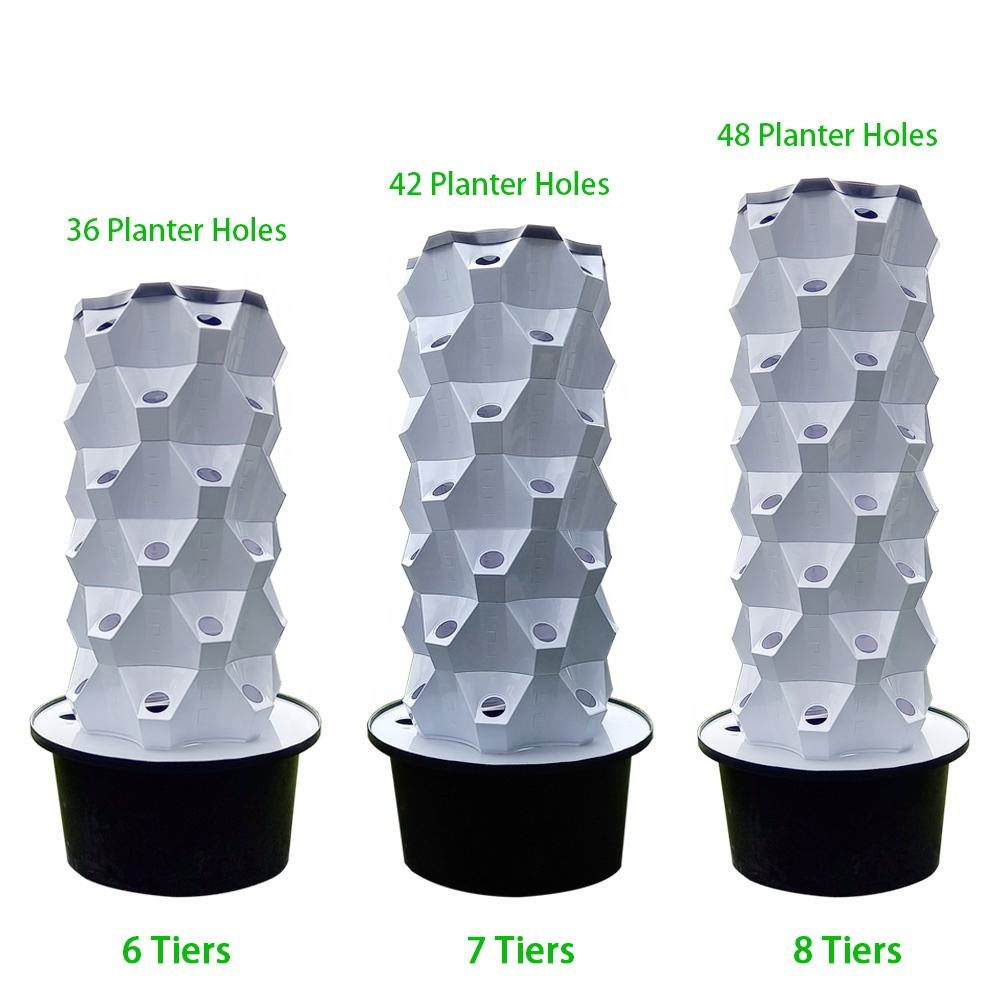


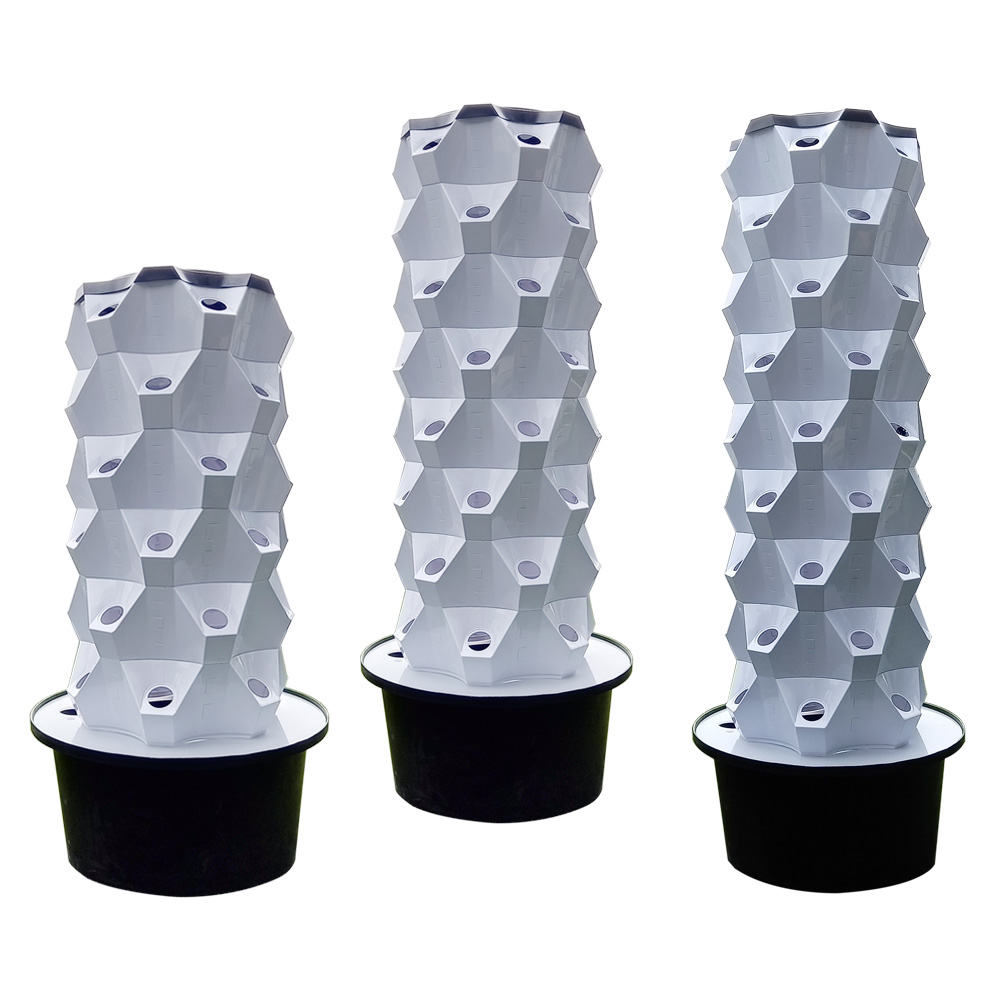
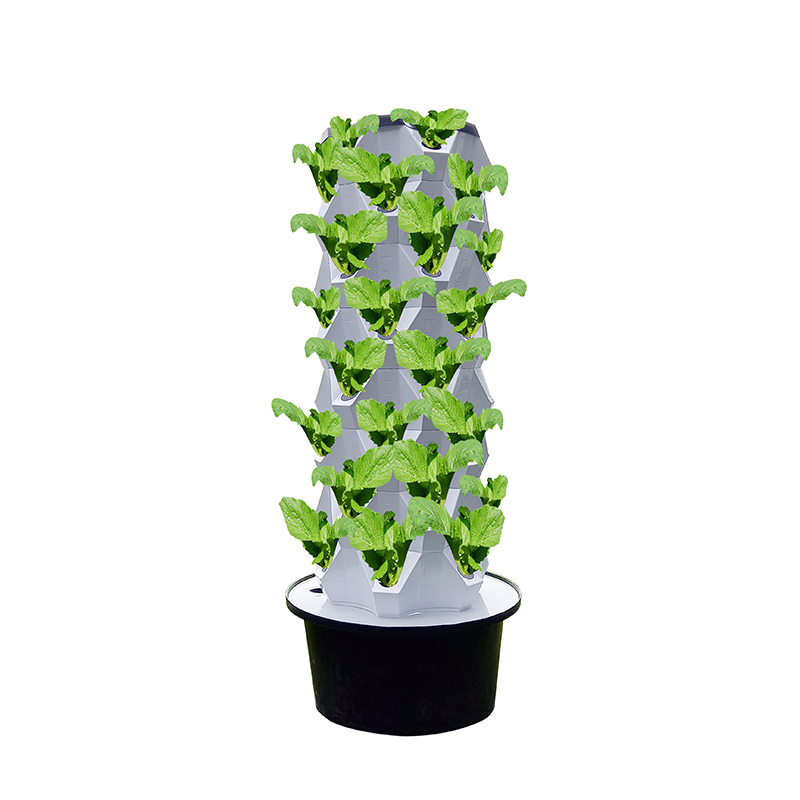
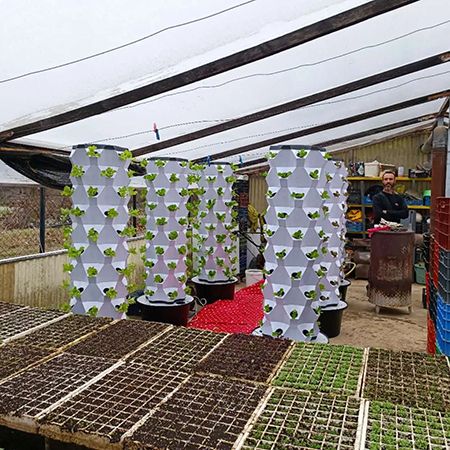
The Pineapple hydroponic tower is a compact vertical hydroponic growing system designed for home gardening, balcony planting, and small-scale soilless cultivation. Featuring a space-saving tower structure and a recirculating irrigation system, this vertical hydroponic tower helps users grow plants in limited spaces without relying on traditional garden soil.
Available in 6 to 10 layers, the pineapple grow tower provides 36 to 60 planting sites in a single unit. Its modular configuration, 60L nutrient solution tank, and integrated water circulation system make it a practical option for urban growers, gardening enthusiasts, and beginners looking for an easy-to-manage hydroponic home system.
Made from ABS material specified for food-growing applications, this hydroponic tower system combines a lightweight structure with convenient assembly and flexible planting options. It can be used for leafy greens, herbs, strawberries, and other compatible crops. Pineapple cultivation is also possible under suitable conditions, although pineapples require more space, light, and time to mature than most leafy vegetables.
Designed for compact growing environments, the pineapple hydroponic tower uses multiple planting layers to make better use of vertical space. Instead of spreading plants across a large horizontal growing area, users can arrange multiple plants around a single tower.
With 6 to 10 layers available, the system can accommodate different planting requirements. Its overall height ranges from 123 cm to 193 cm, making it suitable for many balconies, patios, indoor growing areas, and small greenhouses.
The vertical design is particularly useful for urban households that want to grow fresh herbs and vegetables without a traditional garden.
Each layer includes six planting sites, allowing the tower to accommodate 36 to 60 plants depending on the selected configuration.
This planting capacity makes the pineapple grow tower suitable for growing multiple leafy vegetables or herbs in one system. For crops with larger root systems or wider canopies, users should consider plant spacing and airflow rather than filling every planting site automatically.
For pineapples, the available space and plant size should be evaluated carefully. The tower can support experimentation with pineapple plants, but the planting capacity does not mean that all 36–60 positions are suitable for mature pineapple plants at the same time.
The pineapple tower hydroponic system is supplied as an integrated growing setup, helping users get started without sourcing every major component separately.
The standard configuration includes:
60L nutrient solution tank
Water pump for nutrient solution circulation
Irrigation pipes and distribution components
Net pots for holding plants
Growing sponges for seedling support
Timer for scheduled pump operation
Installation and operating manual
The included components provide the basic equipment needed for a home hydroponic growing setup. Growing seeds or seedlings, nutrient solution, and supplementary lighting may need to be prepared separately depending on the package configuration and growing environment.
The tower is made from ABS material, offering a lightweight structure for everyday home and balcony use. Its modular construction supports practical assembly and handling, while the white or selected product finish can complement modern indoor growing spaces.
For buyers planning commercial or food-production applications, material documentation and the suitability of the material for the intended growing environment should be confirmed with the supplier.
The integrated water pump circulates nutrient solution from the 60L tank through the tower's irrigation system. This helps deliver water and dissolved nutrients to the planting areas without requiring users to water each plant individually.
A timer can be used to schedule pump operation according to the growing setup. However, the ideal irrigation cycle depends on the system design, plant type, root development, temperature, and humidity. Users should follow the operating instructions and monitor plant condition rather than assuming that one schedule works for every crop.
Depending on the selected number of layers, the tower weighs approximately 14.2–18 kg. Its modular design is intended to simplify transportation and assembly for home users.
The system is supplied in carton packaging and includes an installation manual. Before filling the reservoir, users should place the tower on a stable, level surface capable of supporting the total operating weight of the tower, water, plants, and accessories.
| Specification | Details |
|---|---|
| Product Name | Pineapple Hydroponic Tower |
| Product Type | Vertical Hydroponic Growing System |
| Main Material | ABS |
| Available Layers | 6 / 7 / 8 / 9 / 10 |
| Overall Height | 123 / 139 / 155 / 171 / 193 cm |
| Planting Sites per Layer | 6 |
| Total Planting Sites | 36–60 |
| Water Tank Capacity | 60L |
| Product Weight | Approximately 14.2–18 kg |
| Irrigation Method | Pump-driven nutrient solution circulation |
| Included Components | Tank, pump, irrigation pipes, net pots, growing sponges, timer, and manual |
| Packaging | Carton box |
| Main Applications | Home gardening, balcony planting, indoor growing, and small greenhouses |
| Crop Compatibility | Leafy greens, herbs, strawberries, and other suitable crops; pineapple growing depends on plant size and conditions |
Although this product is called a pineapple hydroponic tower, it can be used for several types of plants. The most suitable crops depend on the planting-site dimensions, root space, light availability, and irrigation configuration.
Lettuce and other compact leafy greens are practical choices for vertical hydroponic growing. Their relatively short growing cycles make them suitable for users who want to harvest fresh vegetables regularly.
Basil, mint, parsley, and other compatible herbs can be grown in a vertical hydroponic tower. A multi-layer layout allows users to grow several varieties in one compact area, provided their light and growing requirements are compatible.
Strawberries can be grown in suitable vertical hydroponic systems when the planting positions provide enough room for roots and foliage. Good airflow, adequate light, appropriate nutrient management, and access for harvesting are important considerations.
Pineapples can be cultivated without soil under suitable growing conditions, but they are not as straightforward as leafy greens in a compact tower. Pineapple plants develop larger leaves, need sufficient light, and generally take much longer to produce fruit.
Before using the tower for pineapple production, growers should confirm that the planting openings, root space, structural support, and lighting conditions suit the intended pineapple variety and its growth stage. This system is best evaluated as a compact home growing option rather than assumed to be a high-density commercial pineapple fruiting system.
The pineapple tower uses a pump-driven irrigation arrangement to circulate nutrient solution through the growing structure.
Step 1: Prepare the nutrient tank. Fill the 60L reservoir with suitable water and add hydroponic nutrients according to the product instructions and the requirements of the selected crop.
Step 2: Place the plants. Position seedlings in the supplied net pots and growing sponges or in another compatible planting arrangement recommended for the system.
Step 3: Start nutrient circulation. The water pump delivers nutrient solution through the irrigation components to supply the planting areas.
Step 4: Set the timer. Configure the irrigation cycle according to the manufacturer's instructions and the plants' needs. Check that water is distributed properly and that the roots receive adequate moisture.
Step 5: Monitor and maintain the system. Check the water level, nutrient condition, pump operation, and plant health regularly. Refill the reservoir when necessary and clean components according to the maintenance instructions.
The tower's circulation system can simplify watering, but successful growing still requires suitable lighting, temperature, nutrients, and crop-specific care.
A vertical hydroponic tower places multiple planting sites in one compact footprint. This makes it useful for balconies, patios, apartments, and other locations where traditional garden beds are not available.
The integrated pump and irrigation system reduce the need to water every plant manually. Scheduled circulation can make daily care more convenient, although users still need to inspect the system and replenish water and nutrients.
Plants grow without traditional garden soil, helping reduce soil spills and making the system suitable for indoor and balcony environments. Cleanliness still depends on regular maintenance of the reservoir, irrigation lines, and planting components.
The tower can accommodate different compatible crops, allowing home growers to experiment with leafy greens, herbs, and strawberries in the same growing area. Crops with substantially different nutrient, light, or irrigation requirements may perform better when grown separately.
The included tank, pump, irrigation components, net pots, growing sponges, timer, and manual provide a starting point for home hydroponics. Users can learn about nutrient management and soilless cultivation without designing an entire system from scratch.
| Comparison Factor | Pineapple Hydroponic Tower | Traditional Soil Planting |
|---|---|---|
| Growing Structure | Multi-layer vertical tower | Ground-level beds or individual pots |
| Growing Medium | Hydroponic setup with compatible planting supports | Soil or potting mix |
| Space Utilization | Multiple planting sites in a compact footprint | Usually requires more horizontal space for similar plant arrangements |
| Water Delivery | Pump-driven irrigation | Manual watering or conventional irrigation |
| Growing Environment | Suitable for indoor, balcony, and small greenhouse use | Depends on garden, pot, or field conditions |
| Setup Requirements | Tower, reservoir, pump, and nutrient solution | Suitable pots or beds, growing medium, and water |
| Maintenance | Pump, nutrient solution, water level, and component cleaning | Soil moisture, fertilization, weeds, and soil condition |
| Best Fit | Compact soilless growing and home gardening | Traditional gardens, pots, and outdoor cultivation |
Neither method guarantees faster growth or higher yields in every situation. Results depend on crop selection, lighting, temperature, nutrients, and daily management.
Yes, the compact vertical design makes the tower suitable for many indoor growing areas, balconies, and patios. However, the location must provide appropriate conditions for the selected crops.
Indoor growing may require LED grow lights if natural sunlight is insufficient. Users should also consider ventilation, humidity, access to an electrical outlet, and protection against accidental water spills.
Because the system includes a water pump and a 60L reservoir, it should be installed on a stable, level surface with adequate load capacity. Keep electrical connections protected from water and follow the pump's safety instructions.
A pineapple hydroponic tower is a vertical soilless growing system with multiple planting sites arranged in layers. It uses a reservoir and pump-driven irrigation system to circulate nutrient solution. The system can grow compatible crops such as leafy greens, herbs, and strawberries, while pineapple cultivation requires additional consideration of plant size, light, and growing time.
The tower is available with 6–10 layers, and each layer has six planting sites. Depending on the selected configuration, it provides 36–60 planting positions. Actual crop capacity depends on the plant species, mature plant size, and spacing requirements.
The stated package includes a 60L nutrient tank, water pump, irrigation pipes, net pots, growing sponges, timer, and instruction manual. Confirm the final bill of materials with the supplier, particularly if you require grow lights, seeds, nutrient solution, or additional accessories.
The tower supports multiple compatible crop types, but pineapples generally require more space and a longer growing period than leafy vegetables. Growing pineapples and compact vegetables together may create differences in light, root space, and nutrient requirements. For consistent results, choose crops with compatible growing needs.
Yes. The included water pump requires an electrical power supply to circulate nutrient solution. Plug and voltage compatibility should be confirmed for the destination country before ordering.
Refilling frequency depends on plant size, the number of plants, temperature, humidity, and water consumption. Although weekly refilling may be possible under some conditions, it should not be treated as a fixed schedule. Check the reservoir level regularly and replenish water and nutrients as needed.
The product is primarily described as a hydroponic tower with pump-driven nutrient solution circulation. An aeroponic tower generally delivers nutrients to exposed roots through mist or fine droplets. Unless this product uses a confirmed misting or spraying mechanism, it should be marketed as a hydroponic tower rather than an aeroponic tower.
The listed configurations include 6, 7, 8, 9, and 10 layers, with corresponding heights of 123, 139, 155, 171, and 193 cm. Confirm whether other heights or configurations are available for custom orders.
The Pineapple Hydroponic Tower offers a compact way to explore vertical hydroponic gardening at home. With multiple planting layers, a 60L nutrient tank, pump-driven circulation, and essential growing accessories, it is designed to make soilless cultivation more accessible for beginners and urban growers.
Whether you are sourcing a vertical hydroponic tower for home gardening, balcony planting, or a small greenhouse project, selecting the appropriate layer configuration and crop types will help you make the most of the available growing space.
Contact us to confirm the available tower configurations, electrical plug options, package contents, and customization requirements for your market.

G and N is serving for more than 1,000 customers over 122 countries around the world, offering high-quality products and services to global customers.
Copyright © 2026 G AND N FORTUNE LIMITED All rights reserved.