

 English


News
Focus on G AND N FORTUNE LIMITED - Get to know the new information of the industry quickly!

2026-01-23 10:24:27
Growing strawberries in a trough is an efficient, space-saving, and highly productive method that works well for home gardeners and commercial growers alike. Whether you are using a traditional strawberry trough planter or a modern hydroponic trough system, trough-based cultivation offers excellent drainage, easy maintenance, and healthier plants.
This guide explains how to grow strawberries in a trough, covering soil-based and hydroponic methods, equipment selection, planting techniques, and best practices for high yields.
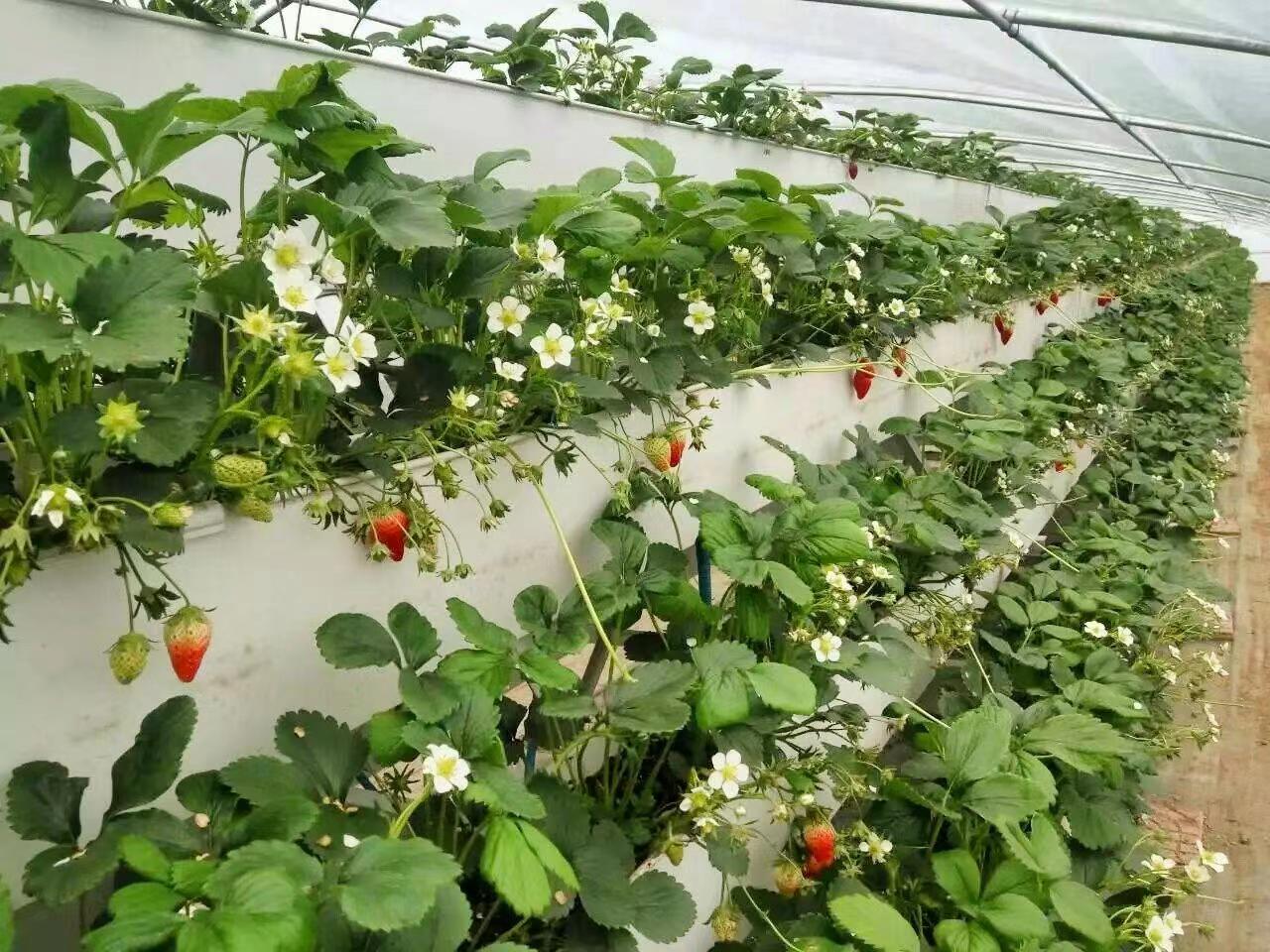
Using troughs for growing strawberries has become increasingly popular due to several advantages:
Better drainage compared to ground planting
Reduced disease and pest pressure
Easier harvesting and plant maintenance
Ideal for balconies, greenhouses, and commercial farms
Both raised strawberry troughs and hydroponic troughs allow strawberries to grow cleaner, healthier, and more uniformly.
A strawberry trough planter is usually filled with soil or coco coir and raised off the ground. These are commonly used for growing strawberries in raised troughs in gardens or greenhouses.
Best for:
Home gardeners
Small-scale farms
A hydroponic trough system delivers nutrients directly through water without soil. This method is widely used in commercial strawberry troughs and greenhouse production.
Best for:
Commercial strawberry growing troughs
High-yield indoor or greenhouse farming
An NFT trough allows a thin film of nutrient solution to flow continuously along the root zone. This is one of the most efficient methods for growing strawberries in troughs hydroponically.
When selecting strawberry growing troughs, consider:
Material: Food-grade PVC, metal, or plastic
Depth: At least 15–20 cm for strong root development
Drainage or water flow design
Compatibility with trough system hydroponics
For larger operations, commercial strawberry troughs or hydroponic troughs for sale designed specifically for strawberries are recommended.
Clean and disinfect the trough
Ensure proper drainage (soil) or water circulation (hydroponic trough)
Soil-based: Light potting mix + coco coir
Hydroponic: No soil, roots sit in hydroponic trough system channels
When planting strawberries in troughs, space plants 20–25 cm apart to allow airflow and fruit development.
Soil troughs: Water regularly, avoid waterlogging
Hydroponic troughs: Maintain EC and pH (pH 5.5–6.5)
6–8 hours of sunlight or LED grow lights
Ideal temperature: 18–25°C
| Feature | Raised Strawberry Troughs | Hydroponic Trough System |
|---|---|---|
| Medium | Soil / coco coir | Nutrient solution |
| Yield | Moderate | High |
| Maintenance | Simple | More controlled |
| Commercial Use | Limited | Excellent |
| Water Efficiency | Medium | Very high |
For commercial production, commercial strawberry growing troughs using hydroponics are often the best choice.
Improve nutrient balance
Ensure adequate light
Improve drainage in soil troughs
Increase oxygenation in trough system hydroponics
Switch to NFT trough or hydroponic method
Optimize spacing and airflow
Large-scale growers prefer commercial strawberry troughs because they:
Maximize planting density
Reduce labor costs
Support automation and smart irrigation
Are compatible with greenhouse and indoor farming
Many growers choose ready-made hydroponic troughs for sale designed specifically for strawberry cultivation.
Recommended varieties for growing strawberries in troughs include:
Albion
San Andreas
Seascape
Elsanta
These varieties perform well in both strawberry trough planter and hydroponic trough system setups.
Learning how to grow strawberries in a trough opens the door to cleaner, healthier, and more productive strawberry farming. Whether you choose raised strawberry troughs for home use or invest in commercial strawberry growing troughs with hydroponics, trough-based systems provide excellent results.
From traditional soil planting to advanced NFT trough and hydroponic trough systems, trough cultivation is one of the most efficient ways to grow strawberries today.

G and N is serving for more than 1,000 customers over 122 countries around the world, offering high-quality products and services to global customers.
Copyright © 2026 G AND N FORTUNE LIMITED All rights reserved.


