

 English

News
Focus on G AND N FORTUNE LIMITED - Get to know the new information of the industry quickly!

2026-06-18 09:47:55
As commercial hydroponic farming continues to expand, more growers are turning to rain gutter hydroponics for cultivating strawberries, leafy greens, herbs, and other high-value crops. One of the most common questions among greenhouse operators and hydroponic growers is: What material rain gutter for hydroponics?
The material used in a hydroponic gutter system directly affects crop performance, durability, water flow, hygiene, and long-term operating costs. Choosing the right hydroponic gutter can improve plant growth while reducing maintenance and replacement expenses.
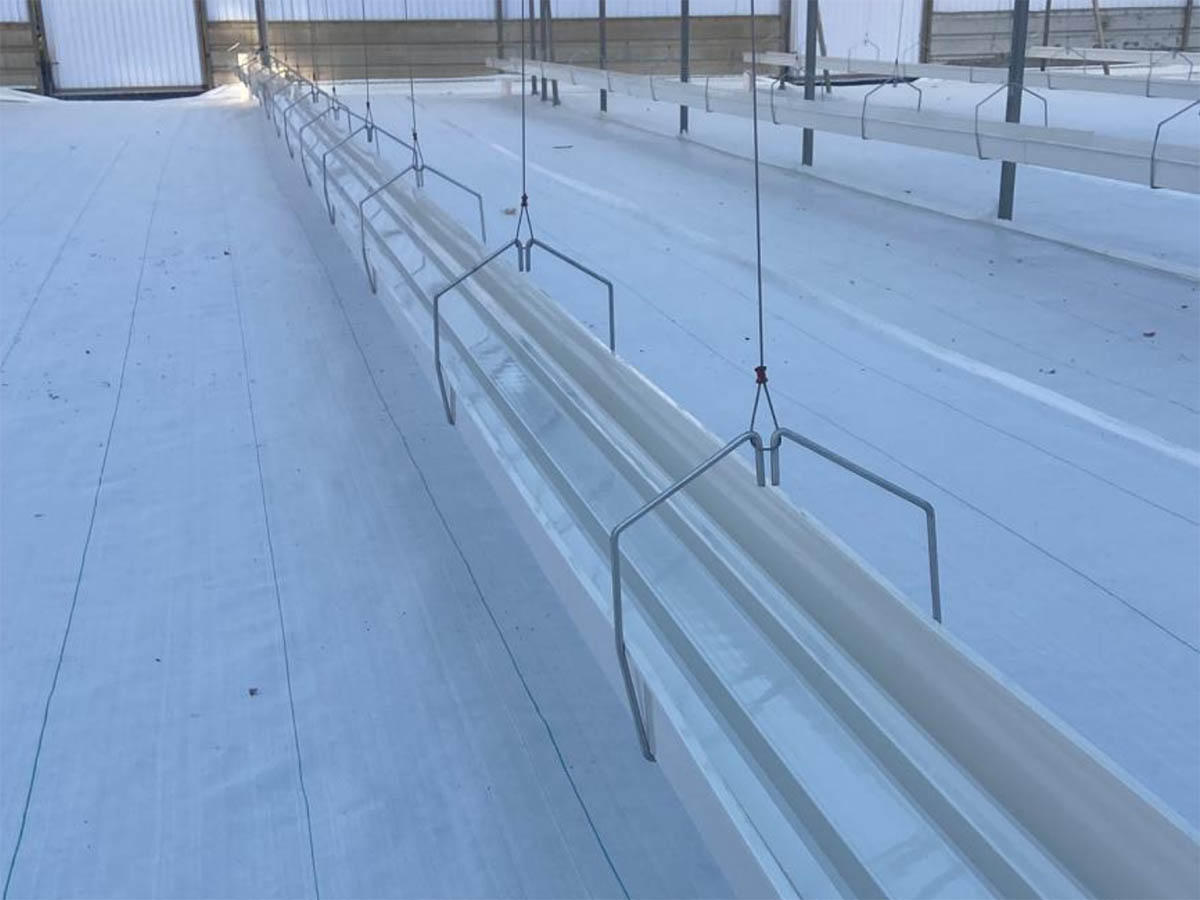
A gutter hydroponic system relies on channels or gutters to hold plants and transport nutrient solutions. Because these gutters are continuously exposed to water, fertilizers, sunlight, and varying temperatures, the material must have the following characteristics:
Food-safe and non-toxic
Resistant to UV radiation
Corrosion and chemical resistance
Durable and impact-resistant
Smooth surfaces for easy cleaning
Long service life
Cost-effective installation and maintenance
The proper material can significantly improve the efficiency of a hydroponic gutter system and maximize crop yields.
PVC is the most widely used material in rain gutter hydroponics and commercial greenhouse systems.
Lightweight and easy to install
Excellent water resistance
Smooth internal surfaces for nutrient flow
Resistant to corrosion and fertilizers
Affordable and widely available
Easy to clean and maintain
PVC is commonly used in:
Strawberry Gutter systems
Vegetable production systems
Commercial greenhouse projects
For most growers, PVC offers an excellent balance between performance and cost, making it one of the best materials for gutter hydroponics.
UPVC has become increasingly popular in large-scale hydroponic gutter systems because of its superior durability.
Higher rigidity and strength
Better UV resistance
Longer service life
Excellent chemical resistance
Minimal maintenance requirements
Stable performance in harsh environments
Many commercial strawberry farms and greenhouse operators prefer UPVC for long-term gutter hydroponic system installations.
HDPE is another option for hydroponic gutter manufacturing.
Excellent impact resistance
Flexible and durable
Food-grade safety
Good resistance to chemicals and low temperatures
Higher manufacturing costs
Less rigid than PVC and UPVC
More difficult to create precise gutter profiles
HDPE is often used in specialized hydroponic applications that require enhanced impact resistance.
Food-grade polypropylene is sometimes used in indoor farming and vertical agriculture.
Non-toxic and recyclable
Excellent chemical resistance
Lightweight construction
Good durability
PP materials are increasingly used in modular hydroponic projects and innovative hydroponic gutter system designs.
Although less common, aluminum is occasionally used in high-end greenhouse projects.
Strong structural performance
Long lifespan
Premium appearance
High cost
Greater heat conductivity
Potential corrosion without protective coatings
Due to cost considerations, aluminum is generally not the first choice for commercial rain gutter hydroponics.
When discussing materials, growers should also consider the gutter top for hydroponics.
The gutter top serves several important functions:
Supports plants and growing media
Improves water distribution
Prevents contamination
Reduces algae growth
Enhances root zone management
A properly designed gutter top for hydroponics can significantly improve crop performance and simplify maintenance.
As hydroponic technology advances, modular gutter systems are becoming increasingly popular. One example is the Leafy Hydroponics Consortium Modular Gutter Platform, which focuses on:
Standardized gutter dimensions
Easy installation and expansion
Improved water management
Better crop spacing
Reduced labor requirements
Modular systems allow growers to customize their hydroponic gutter system according to crop type and greenhouse size while maintaining operational efficiency.
Modern rain gutter hydroponics systems are widely used for:
Strawberries benefit from elevated gutters that improve drainage, reduce disease pressure, and facilitate harvesting.
Lettuce, spinach, and herbs grow exceptionally well in gutter hydroponics systems due to precise nutrient management.
Tomatoes, cucumbers, and peppers can also be grown using specially designed gutter hydroponic systems.
Modular gutter platforms are increasingly adopted in indoor and urban agriculture.
For most commercial applications, food-grade PVC and UPVC are considered the best materials for hydroponic gutters because they offer:
Excellent UV resistance
Long service life
Corrosion and chemical resistance
Smooth water flow
Easy cleaning and maintenance
Cost-effective installation
Suitable for large-scale greenhouse production
These advantages make PVC and UPVC the preferred materials for rain gutter hydroponics, strawberry gutter systems, and commercial hydroponic gutter systems.
So, what material rain gutter for hydroponics? The answer depends on your growing requirements, budget, and production scale. However, for most growers, PVC and UPVC hydroponic gutters provide the best combination of durability, safety, efficiency, and affordability.
Whether you are building a small gutter hydroponic system, designing a commercial greenhouse, or implementing a modular solution like the Leafy Hydroponics Consortium Modular Gutter Platform, selecting the right hydroponic gutter material is essential for maximizing crop yields and ensuring long-term success in modern hydroponic farming.

G and N is serving for more than 1,000 customers over 122 countries around the world, offering high-quality products and services to global customers.
Copyright © 2026 G AND N FORTUNE LIMITED All rights reserved.


