
 English

News
Focus on G AND N FORTUNE LIMITED - Get to know the new information of the industry quickly!

2026-06-04 17:09:15
A Vertical Hydroponic System is an advanced soil-free farming method that grows plants in stacked layers or vertical structures instead of traditional horizontal farmland. It is widely used in indoor farming, greenhouses, and urban agriculture because it saves space, reduces water usage, and increases crop productivity.
Modern systems such as the Vertical Hydroponic Tower System, Hydroponic Grow tower, and Vertical Grow Tower are designed to maximize planting efficiency in limited areas while maintaining stable plant growth conditions.
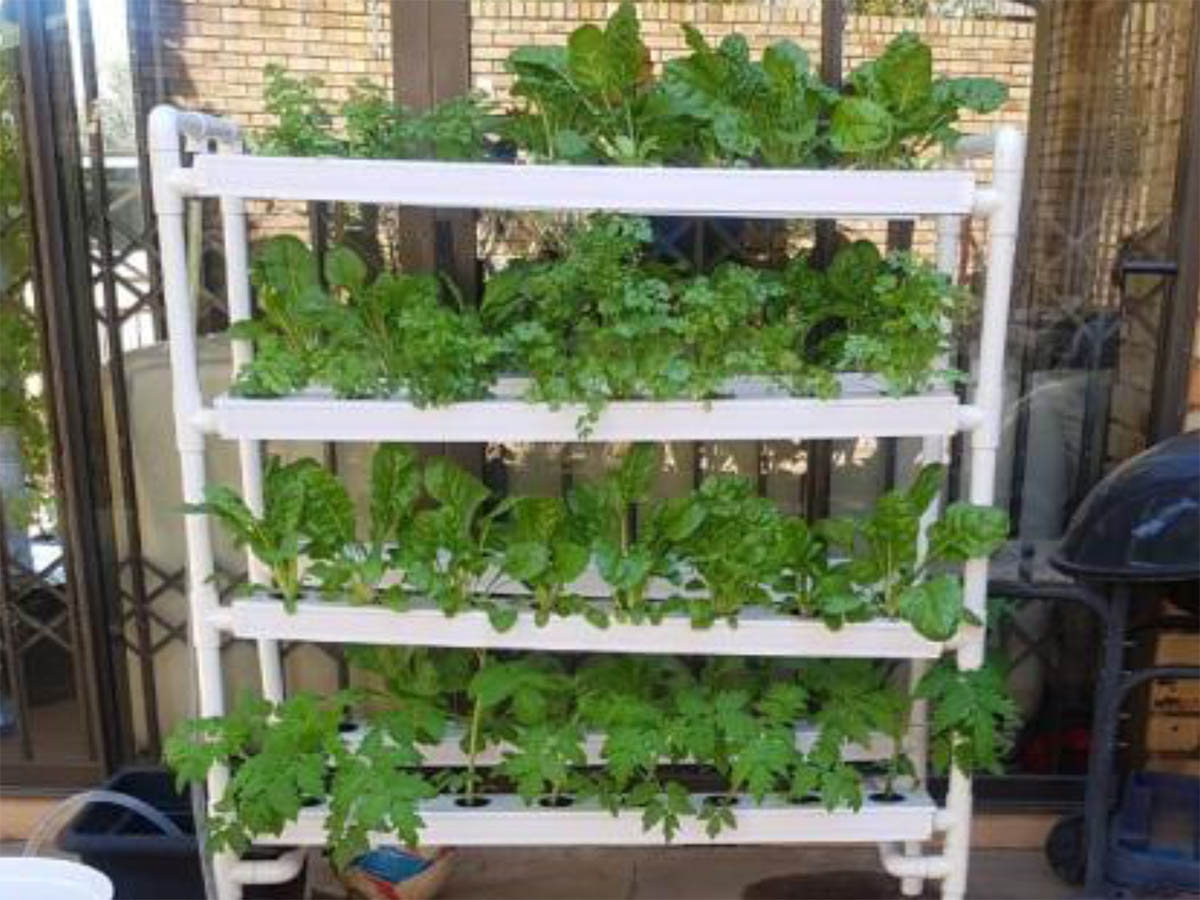
A Vertical Hydroponic System is a cultivation method where plants are grown upward in structures like towers, frames, or stacked channels. Instead of soil, plants receive nutrients through water circulation.
Common system types include:
Vertical Hydroponic Tower System
Vertical Grow Tower
Vertical Hydroponic System
Vertical Farming Hydroponic setups
Hydroponic Grow Tower
Vertical Tower systems
Some specialized structures include:
Vertical A-Frame Hydroponic System (A-shaped frame structure for high-density planting)
Vertical Pineapple Tower (multi-hole tower design often used for leafy greens and fruits)
Standard Vertical Tower systems for home and commercial use
The working principle of a Vertical Hydroponic System is based on a continuous nutrient circulation cycle:
A water tank at the base stores nutrient-rich water containing essential minerals such as nitrogen, potassium, phosphorus, and trace elements.
A pump delivers the nutrient solution upward to the top of the structure, whether it is a Vertical Hydroponic Tower System, Vertical A-Frame Hydroponic System, or Hydroponic Grow Tower.
Water flows downward through planting sites in the tower or frame. Plant roots absorb water, oxygen, and nutrients directly.
In a Vertical Grow Tower, roots are placed inside planting holes along the structure.
In a Vertical Pineapple Tower, multiple staggered openings ensure even distribution of nutrients.
Excess water is collected and returned to the reservoir, forming a closed-loop system.
This process is continuously repeated, ensuring efficient nutrient use and minimal waste.
A typical Vertical Hydroponic System includes:
Vertical structure (tower, frame, or stacked channels)
Water reservoir tank
Pump and irrigation system
Net pots or planting cups
Timer or automation controller
These components are common in systems like the Hydroponic Grow Tower and Vertical Farming Hydroponic systems.
A Vertical Farming Hydroponic system offers several advantages over traditional soil farming:
Vertical design allows more plants to grow in less space.
The recirculating system reduces water usage by up to 90%.
Nutrients are delivered directly to roots for faster development.
No soil means fewer pests, weeds, and diseases.
Systems like the Vertical Tower or Vertical Hydroponic Tower System can be expanded for commercial production.
These systems are ideal for:
Lettuce and leafy greens
Spinach and kale
Basil and herbs
Strawberries
Small vegetables
They are widely grown in Hydroponic Grow Tower setups and Vertical Grow Tower systems.
An A-shaped structure that allows double-sided planting and improves space utilization.
A cylindrical tower with staggered planting holes designed for high-density cultivation.
A general term for all upright hydroponic structures used in indoor and outdoor farming.
A compact vertical system used for home gardening and commercial farming.
A Vertical Hydroponic System works by continuously circulating nutrient-rich water through vertically arranged plants, allowing efficient and sustainable crop production. Systems such as the Vertical Hydroponic Tower System, Hydroponic Grow Tower, Vertical A-Frame Hydroponic System, and Vertical Pineapple Tower all follow the same core principle: maximize yield while minimizing space and water usage.
This makes Vertical Farming Hydroponic technology one of the most important solutions for modern agriculture, especially in urban and controlled environments.

G and N is serving for more than 1,000 customers over 122 countries around the world, offering high-quality products and services to global customers.
Copyright © 2026 G AND N FORTUNE LIMITED All rights reserved.


