
 English

News
Focus on G AND N FORTUNE LIMITED - Get to know the new information of the industry quickly!

2026-04-29 18:27:58
Vertical growing systems are transforming modern agriculture by enabling food production in stacked layers, often inside controlled environments. As urban space becomes limited and demand for fresh produce increases, technologies like vertical growing systems, hydroponic vertical farming, and indoor vertical farming systems are becoming increasingly popular.
But what exactly can you grow in these systems—and how do they work?
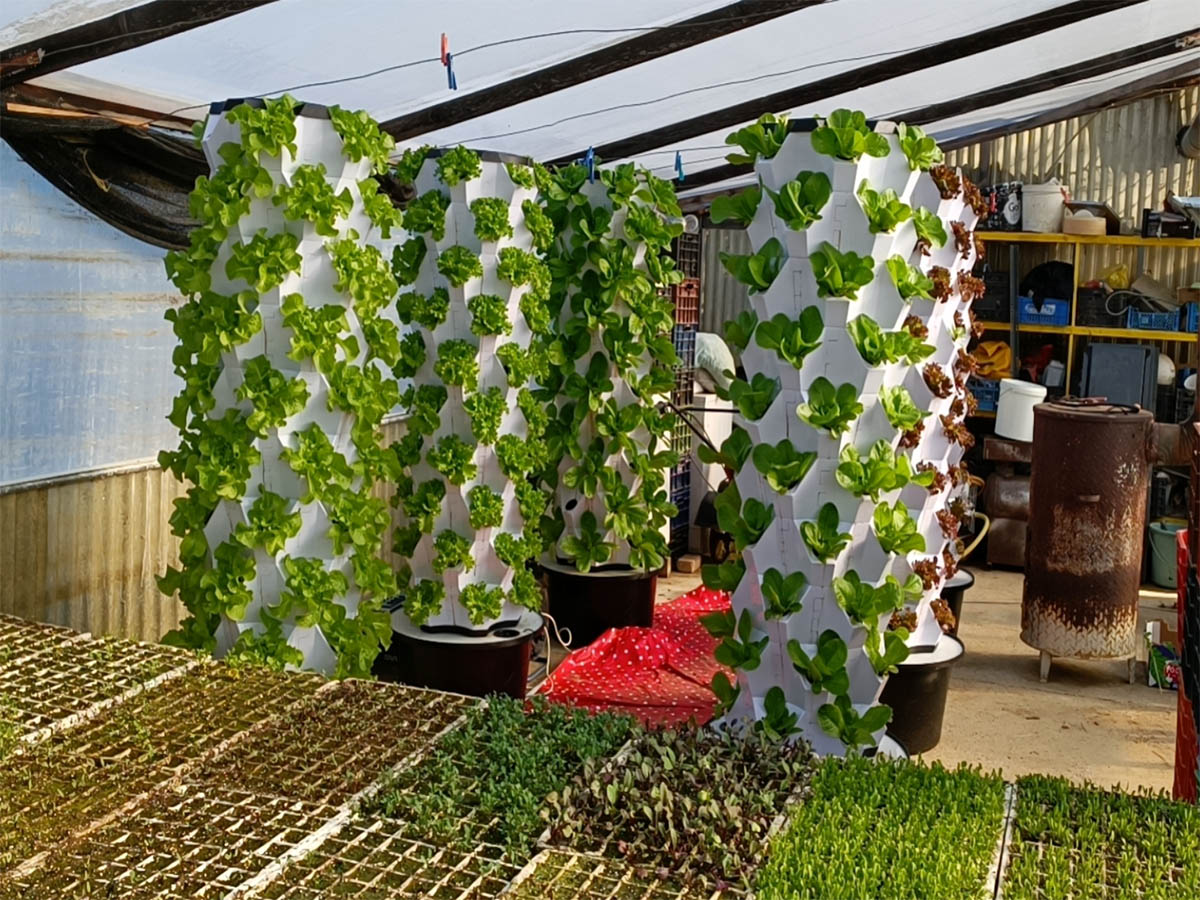
Vertical growing systems (also called vertical grow systems or vertical farming systems) are agricultural setups where plants are grown in vertical layers instead of traditional horizontal fields. These systems are commonly used in indoor farming, greenhouses, and high-tech agricultural facilities.
They often integrate advanced technologies such as:
Hydroponics vertical farming
LED grow lights
Climate control systems
Automated nutrient delivery
A vertical growing system can be designed as a vertical hydroponic system, vertical greenhouse, or fully enclosed vertical farm indoor facility.
To understand crop suitability, it’s important to answer: how does vertical hydroponics work?
In vertical hydroponic farming, plants grow without soil. Instead, roots are supported by inert media or air and are fed with a nutrient-rich water solution.
A typical hydroponic vertical farm includes:
Vertical racks or towers
Water circulation systems
Nutrient reservoirs
Artificial lighting (for indoor vertical farming)
In simple terms, vertical farming with hydroponics allows plants to grow efficiently in stacked layers using water-based nutrients instead of soil.
This system is also known as:
vertical hydroponic farming
hydroponic farming vertical
vertical hydroponics farming
vertical grow hydroponics
Not all crops are suitable for vertical cultivation. The best crops are those that are lightweight, fast-growing, and high in value.
These are the most widely grown crops in hydroponic vertical farming systems:
Lettuce
Spinach
Kale
Arugula
Bok choy
Leafy greens thrive in vertical hydroponics systems because they grow quickly and require minimal space.
Herbs perform extremely well in indoor vertical farming environments:
Basil
Mint
Parsley
Cilantro
Dill
These crops are ideal for vertical farming horticulture due to their high market value and fast harvest cycles.
With advanced indoor vertical farming technology, some fruiting crops can also be grown:
Strawberries
Cherry tomatoes
Small peppers
These require more precise control of lighting and nutrients compared to leafy greens.
Microgreens
Edible flowers
These are often grown in vertical farm hydroponics systems for gourmet markets.
Many people confuse vertical farming vs hydroponics, but they are not the same:
Hydroponics = A growing method (no soil, nutrient water system)
Vertical farming = A farming structure (stacked growing layers)
When combined, they form hydroponics and vertical farming, which is the foundation of most modern vertical hydroponic farms.
In short:
Hydroponics = how plants grow
Vertical farming = where and how space is used
Compared with traditional horizontal systems, vertical hydroponics offers:
Higher yield per square meter
Better space utilization
Reduced water usage
Controlled growing conditions
This makes vertical grow systems hydroponics ideal for urban agriculture and commercial production.
Modern indoor vertical farming systems are widely used in:
Urban food production centers
Commercial agriculture facilities
Research farms
Greenhouse-based production (vertical greenhouse systems)
These systems are a key part of future indoor farming and sustainable agriculture.
So, what crops grow in vertical growing systems? The answer is clear:
Leafy greens, herbs, and small fruits are the most successful crops in vertical hydroponic systems.
With the rise of vertical farming systems, hydroponic vertical farming, and vertical cultivation technologies, agriculture is shifting toward smarter, more space-efficient production models.
Whether you are exploring vertical hydroponic farms, studying hydroponic vertical farming systems, or comparing vertical farming and hydroponics, one thing is certain—vertical farming is shaping the future of food production.

G and N is serving for more than 1,000 customers over 122 countries around the world, offering high-quality products and services to global customers.
Copyright © 2026 G AND N FORTUNE LIMITED All rights reserved.


