

 English

News
Focus on G AND N FORTUNE LIMITED - Get to know the new information of the industry quickly!

2026-04-23 18:32:41
Building a hydroponic system is becoming increasingly popular for home growers, commercial farms, and greenhouse operators looking to grow crops faster while saving water and space.
Unlike traditional soil farming, hydroponics allows plants to grow directly in nutrient-rich water solutions. Whether you're planning a small DIY hydroponic system at home or a large commercial hydroponic system, understanding the basic setup process is essential.
This guide explains how to build a hydroponic system step by step.
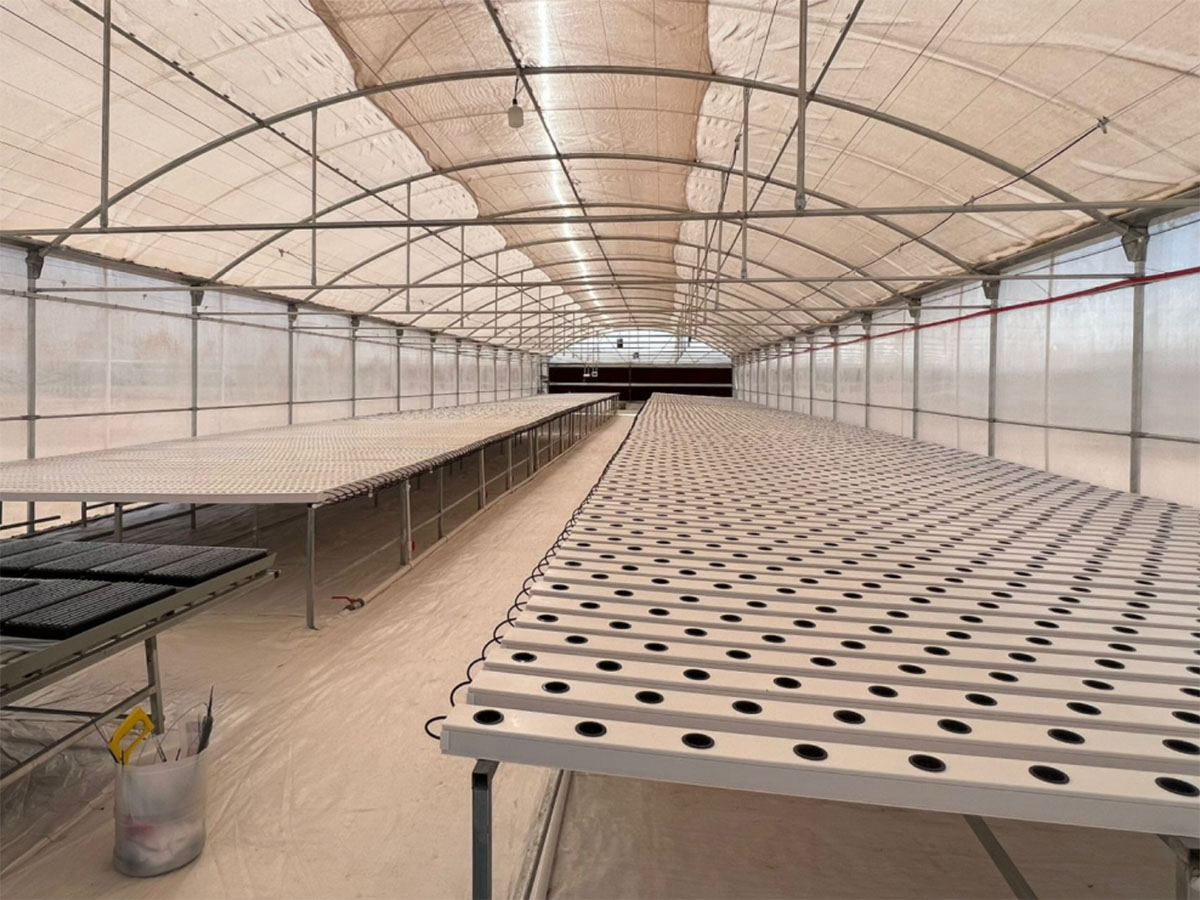
Before buying equipment, decide which type of hydroponic system fits your crops and growing environment.
An NFT hydroponic system (Nutrient Film Technique) uses shallow flowing water inside hydroponic channels.
Best for:
Lettuce
Herbs
Leafy greens
Advantages:
Water-efficient
Easy maintenance
Suitable for greenhouse production
A vertical hydroponic system uses stacked growing layers to maximize space.
Common options include:
Indoor hydroponic systems
Urban farming setups
A Hydroponic Grow tower is ideal for:
Strawberries
Lettuce
Herbs
Small vegetables
A strawberry gutter system is specifically designed for strawberry cultivation.
Benefits include:
Improved drainage
Easier harvesting
Better airflow
Higher planting density
A hydroponic fodder system is used to grow animal feed such as:
Barley grass
Wheatgrass
Corn fodder
These systems are common in livestock farming.
Choose where your hydroponic system will be installed.
Common locations include:
Greenhouses
Indoor farms
Balconies
Warehouses
Backyards
Ensure your location has:
Proper sunlight or grow lights
Stable temperatures
Access to electricity
Water supply
You’ll need essential hydroponic equipment such as:
Water tank/reservoir
Water pump
PVC pipes or hydroponic channels
Net pots
Growing medium
Nutrient solution
Timers
LED grow lights (for indoor systems)
For larger projects, commercial-grade equipment is recommended.
Water circulation is the core of any hydroponic setup.
Install:
Water reservoir
Pump system
Pipes or channels
Drain return system
In an NFT hydroponic system, nutrient water flows continuously through channels and returns to the tank.
Use net pots or growing cups to secure plants.
Popular growing media include:
Rockwool
Coco coir
Clay pebbles
For a hydroponic grow tower, plants are inserted into side planting holes.
Plants need proper nutrients to grow successfully.
Important nutrients include:
Nitrogen
Phosphorus
Potassium
Calcium
Magnesium
Monitor:
pH levels
EC levels
Water temperature
Before planting:
Check water flow
Inspect leaks
Test pump performance
Confirm lighting conditions
A properly tested system reduces future crop issues.
Begin with easy crops such as:
Lettuce
Basil
Spinach
Strawberries
Herbs
Commercial growers may expand into larger crops later.
| Feature | DIY Hydroponic System | Commercial Hydroponic System |
|---|---|---|
| Cost | Lower | Higher |
| Scale | Small | Large |
| Automation | Basic | Advanced |
| Best For | Home growers | Commercial farms |
Choose based on your goals and budget.
Avoid these beginner mistakes:
Poor water circulation
Incorrect nutrient balance
Wrong crop selection
Lack of lighting
Poor temperature control
Proper planning helps improve yields.
Hydroponics offers major benefits:
Saves water
Faster growth cycles
Higher yield
Less land use
Cleaner production
This is why more farms are investing in commercial hydroponic systems.
Learning how to build a hydroponic system is easier when you understand the right equipment and setup process.
Whether you're building a small DIY hydroponic system, installing a hydroponic grow tower, or creating a large commercial hydroponic system, choosing the right design will help maximize productivity and long-term success.

G and N is serving for more than 1,000 customers over 122 countries around the world, offering high-quality products and services to global customers.
Copyright © 2026 G AND N FORTUNE LIMITED All rights reserved.


