
 English

News
Focus on G AND N FORTUNE LIMITED - Get to know the new information of the industry quickly!

2026-03-12 12:01:32
Hydroponic gardening has become increasingly popular in recent years. By using a hydroponic system, plants can grow without soil while receiving nutrients directly from a water-based solution. This efficient growing method is widely used in indoor farming, greenhouses, and Vertical agriculture.
However, not every plant grows well in a hydroponic environment. If you are wondering what plants grow best in a hydroponic system, the answer usually includes leafy greens, herbs, and some fruiting plants. These plants adapt easily to hydroponic growing conditions and produce high yields.
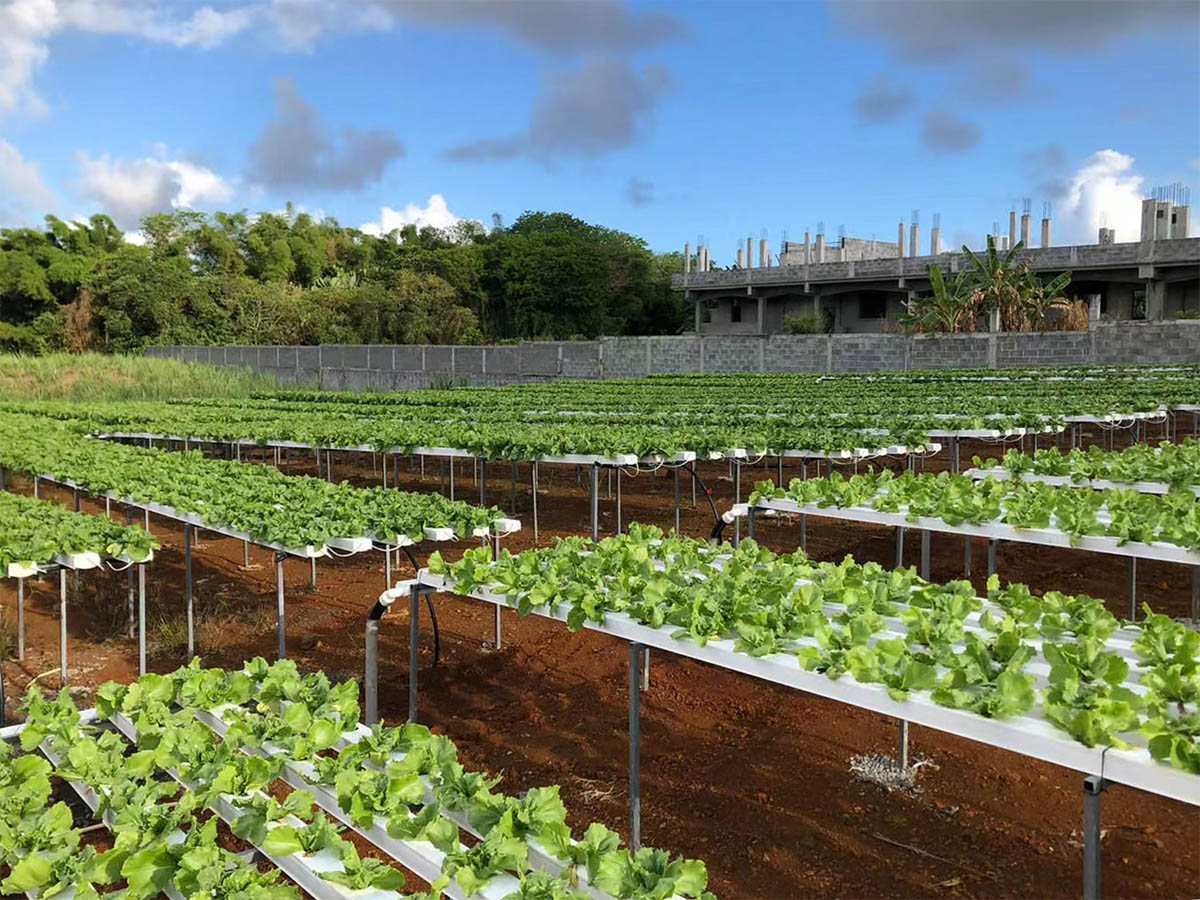
Lettuce is one of the most popular plants grown in a hydroponic system. It grows quickly and requires minimal maintenance.
Why lettuce grows well in hydroponics:
Short growing cycle (about 30 days)
Shallow root system
High demand in the market
Many commercial hydroponic farms focus primarily on lettuce production because it grows efficiently in systems such as NFT hydroponic systems and Deep Water Culture (DWC).
Basil is another excellent plant for hydroponic gardening, especially in Indoor systems.
Benefits of growing basil hydroponically:
Fast growth rate
Strong flavor and aroma
Ideal for indoor herb gardens
Because basil grows rapidly in nutrient-rich water, hydroponic basil is commonly used in restaurants and commercial herb farms.
Spinach thrives in a controlled hydroponic growing system where temperature and nutrients can be carefully managed.
Advantages:
Nutrient-dense leafy vegetable
Grows well under LED grow lights
Ideal for indoor hydroponic farming
Spinach also performs well in nutrient film technique (NFT) systems.
Mint is one of the easiest herbs to grow in a hydroponic system.
Key features:
Very adaptable plant
Fast-growing roots
Requires minimal care
Because mint spreads quickly, hydroponic growing helps control its growth while producing fresh herbs year-round.
Kale is a highly nutritious leafy green that adapts well to hydroponic farming.
Benefits of growing kale in hydroponics:
High nutritional value
Strong plant growth
Suitable for vertical farming systems
Kale is commonly grown in indoor hydroponic farms that supply supermarkets and restaurants.
Strawberries are one of the most popular fruits grown in a hydroponic system.
Hydroponic Strawberries offer several advantages:
Cleaner fruit without soil
Higher yields
Easier pest control
Many vertical farms grow strawberries using tower hydroponic systems to maximize space efficiency.
Tomatoes are widely grown in commercial hydroponic greenhouses.
Why hydroponic tomatoes are popular:
Faster growth compared to soil
Better control of nutrients
Higher productivity
However, tomatoes require strong lighting and proper support structures, so they are better suited for intermediate growers.
Peppers—including bell peppers and chili peppers—can also thrive in a hydroponic growing system.
Advantages:
High yield potential
Long harvesting period
Strong plant resilience
Hydroponic peppers often produce larger and healthier fruits because the plants receive balanced nutrients.
Cucumbers grow well in hydroponic environments, especially in greenhouse systems.
Benefits include:
Rapid vine growth
Continuous harvesting
Efficient water usage
Commercial cucumber farms often use drip hydroponic systems to maintain consistent nutrient delivery.
Microgreens are one of the fastest-growing crops in hydroponic farming.
Popular microgreens include:
Radish shoots
Pea shoots
Sunflower sprouts
Mustard greens
These crops can be harvested within 7–14 days, making them extremely profitable for indoor farming businesses.
Plants that perform best in a hydroponic system usually share several characteristics:
Fast growth cycles
Shallow root systems
High nutrient absorption efficiency
Adaptability to controlled environments
Leafy greens and herbs meet these criteria, which is why they dominate hydroponic agriculture.
To successfully grow these plants, keep the following tips in mind:
Maintain proper nutrient levels
Use a balanced hydroponic nutrient solution.
Monitor pH levels
Most hydroponic plants prefer a pH between 5.5 and 6.5.
Provide sufficient lighting
Indoor hydroponic systems usually require LED grow lights for 12–16 hours per day.
Keep the system clean
Regular cleaning prevents algae and root diseases.
Choosing the right plants is essential for success in hydroponic gardening. If you are wondering what plants grow best in a hydroponic system, leafy greens, herbs, and certain fruiting plants are the best options.
The top plants for hydroponics include:
Lettuce
Basil
Spinach
Mint
Kale
Strawberries
Tomatoes
Peppers
Cucumbers
Microgreens
These plants grow quickly, adapt well to nutrient-rich water, and produce excellent yields. Whether you are building a small indoor garden or starting a commercial hydroponic farm, these crops will help you get the most out of your hydroponic growing system.

G and N is serving for more than 1,000 customers over 122 countries around the world, offering high-quality products and services to global customers.
Copyright © 2026 G AND N FORTUNE LIMITED All rights reserved.


