
 English

News
Focus on G AND N FORTUNE LIMITED - Get to know the new information of the industry quickly!

2026-03-12 11:32:40
Hydroponic gardening has become one of the most innovative and efficient ways to grow plants. Instead of relying on soil, a hydroponic system uses water mixed with nutrients to supply plants with everything they need to grow. This modern farming method is widely used in greenhouses, Vertical farms, and even small indoor gardens.
If you are wondering how to plant in a hydroponic system, this guide will walk you through the entire process—from choosing the right setup to maintaining healthy plant growth. Whether you are growing vegetables at home or exploring commercial hydroponic farming, understanding the basics will help you achieve better yields and faster growth.
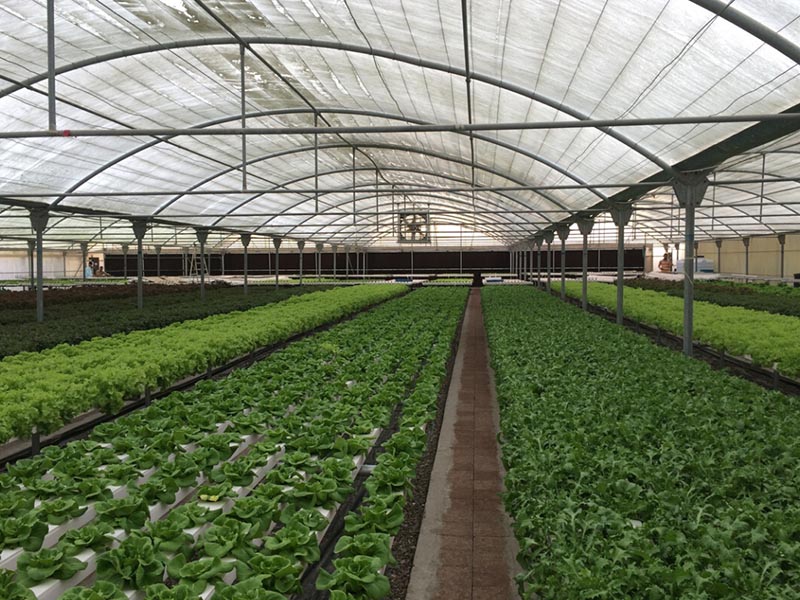
A hydroponic system is a method of growing plants without soil. Instead, plants are grown in water enriched with nutrients. Their roots are either submerged directly in the nutrient solution or supported by inert growing mediums such as Rockwool, coco coir, or Perlite.
Because plants receive nutrients directly from the water, they can grow faster and more efficiently compared to traditional soil farming. Hydroponic gardening also allows growers to control environmental conditions such as light, temperature, and nutrient levels.
Hydroponic farming offers several benefits:
Faster plant growth due to direct nutrient absorption
Higher yields compared to traditional farming
Efficient water use, often saving up to 90% of water
Less space required, making it ideal for indoor farming
Reduced soil-borne diseases and pests
These advantages make hydroponics popular in both small home gardens and large-scale agricultural operations.
Before learning how to plant in a hydroponic system, it is important to understand the different types available.
In this system, plant roots are suspended in nutrient-rich water. An air pump provides oxygen to keep the roots healthy.
A thin stream of nutrient solution continuously flows over the plant roots, allowing them to absorb water and nutrients efficiently.
This system delivers nutrient solution directly to each plant through drip emitters, providing precise control of nutrients.
Plants are periodically flooded with nutrient solution and then drained, allowing roots to absorb nutrients and oxygen.
Plant roots hang in the air and are misted with nutrient-rich water, providing excellent oxygen exposure.
Each type of hydroponic system has its advantages, but beginners often start with Deep Water Culture because it is simple and cost-effective.
Many plants grow well in hydroponic environments. Some of the best choices include:
Lettuce
Spinach
Basil
Mint
Tomatoes
Strawberries
Peppers
Leafy greens are especially suitable for hydroponic systems because they grow quickly and require less maintenance.
Seeds are usually germinated in a growing medium such as rockwool cubes. Rockwool retains moisture and provides support for seedlings.
Steps for germination:
Soak rockwool cubes in water.
Place one or two seeds into each cube.
Keep the cubes moist and warm.
Wait for seedlings to develop 2–3 leaves.
Once the seedlings are strong enough, they can be transferred to the hydroponic system.
Since hydroponic plants do not grow in soil, they rely entirely on nutrient solutions for essential minerals.
A standard hydroponic nutrient mix typically includes:
Nitrogen (N)
Phosphorus (P)
Potassium (K)
Calcium
Magnesium
Trace elements such as iron and zinc
Maintaining proper water conditions is essential:
pH level: 5.5 – 6.5
EC (electrical conductivity): depends on plant type
Regular monitoring ensures optimal plant growth.
After germination, place the seedlings into Net Pots filled with a growing medium like clay pellets or perlite.
Steps:
Insert the rockwool cube with the seedling into the net pot.
Position the net pot in the hydroponic system.
Ensure the roots can reach the nutrient solution.
Turn on the air pump or water circulation system.
This setup allows the plant roots to access nutrients and oxygen simultaneously.
If your hydroponic system is indoors, plants will need artificial light.
LED grow lights are commonly used because they are energy-efficient and provide the correct spectrum for plant growth.
Recommended lighting duration:
12–16 hours per day
Proper lighting ensures strong growth and healthy leaves.
Regular maintenance is essential for a successful hydroponic garden.
Key maintenance tasks include:
Changing nutrient solution every 1–2 weeks
Monitoring pH and EC levels
Keeping water temperature between 18–24°C
Checking roots for signs of disease
Cleaning the system regularly
Healthy roots should appear white and firm. Brown or slimy roots may indicate problems such as poor oxygen levels.
Hydroponic systems support a wide variety of plants.
Lettuce
Kale
Arugula
Basil
Mint
Parsley
Tomatoes
Cucumbers
Strawberries
Leafy greens and herbs are usually recommended for beginners because they grow quickly and require minimal maintenance.
Hydroponic agriculture is becoming increasingly important in modern food production. With rising urban populations and limited farmland, hydroponic systems provide an efficient solution for producing fresh food in smaller spaces.
Vertical hydroponic farms are already being used in cities worldwide, allowing vegetables to be grown indoors year-round. Because the system uses less water and fewer pesticides, it is also considered an environmentally friendly farming method.
As technology advances, hydroponic systems will likely play a major role in sustainable agriculture.
Learning how to plant in a hydroponic system is easier than many people think. By providing plants with nutrient-rich water, proper lighting, and good environmental conditions, hydroponic gardening can produce healthy crops with faster growth and higher yields.
The basic process involves:
Selecting suitable plants
Germinating seeds in a growing medium
Preparing nutrient solutions
Transferring seedlings into the hydroponic system
Providing light and regular maintenance
Whether you want to grow fresh vegetables at home or explore modern farming techniques, a hydroponic system offers an efficient and innovative way to cultivate plants without soil.

G and N is serving for more than 1,000 customers over 122 countries around the world, offering high-quality products and services to global customers.
Copyright © 2026 G AND N FORTUNE LIMITED All rights reserved.


