
 English

Products
Productos principales:Canal hidroponico NFT/Cubo holandes hidroponico/Canalon de fresa/
Maceta de red de plastico/Medios de cultivo Rockwool
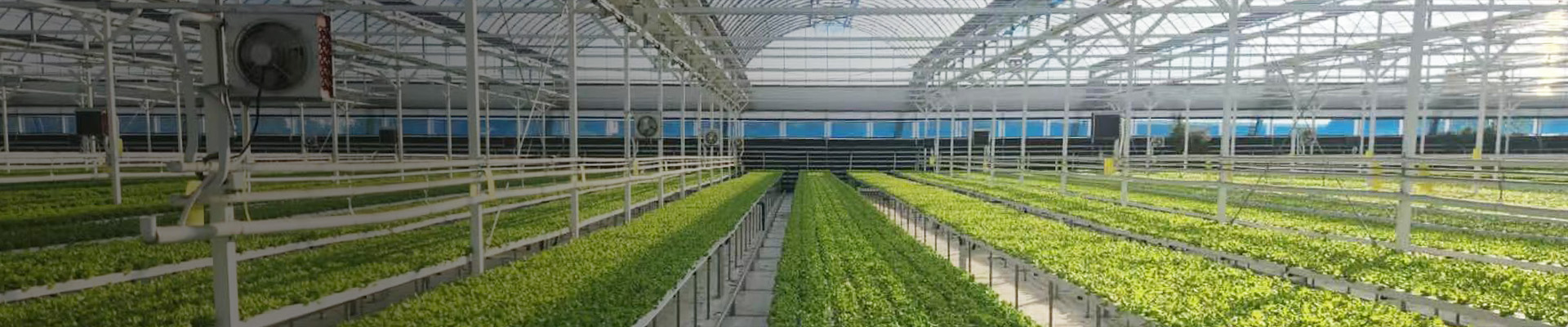
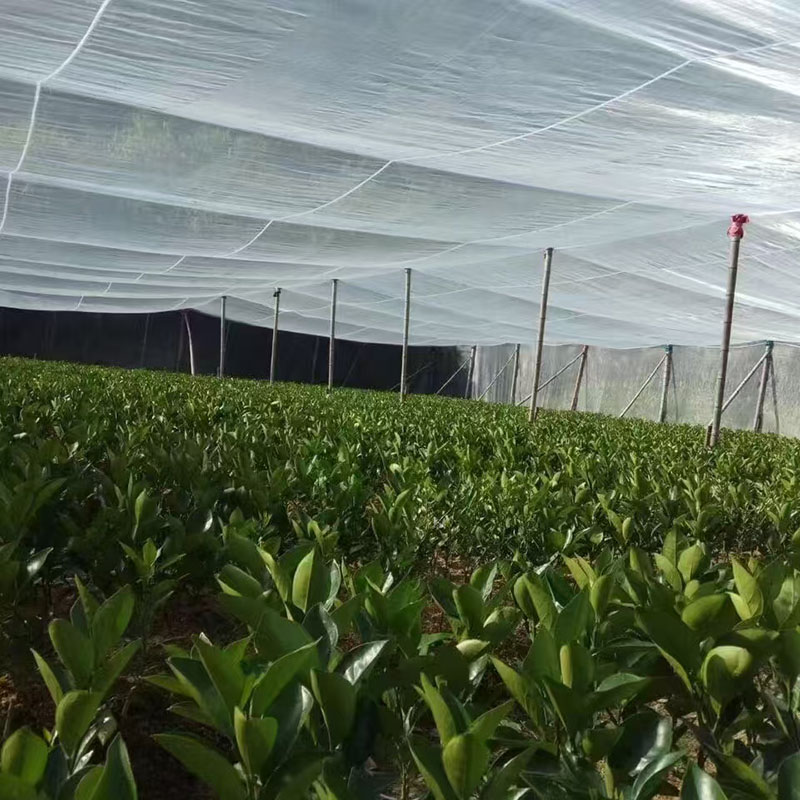
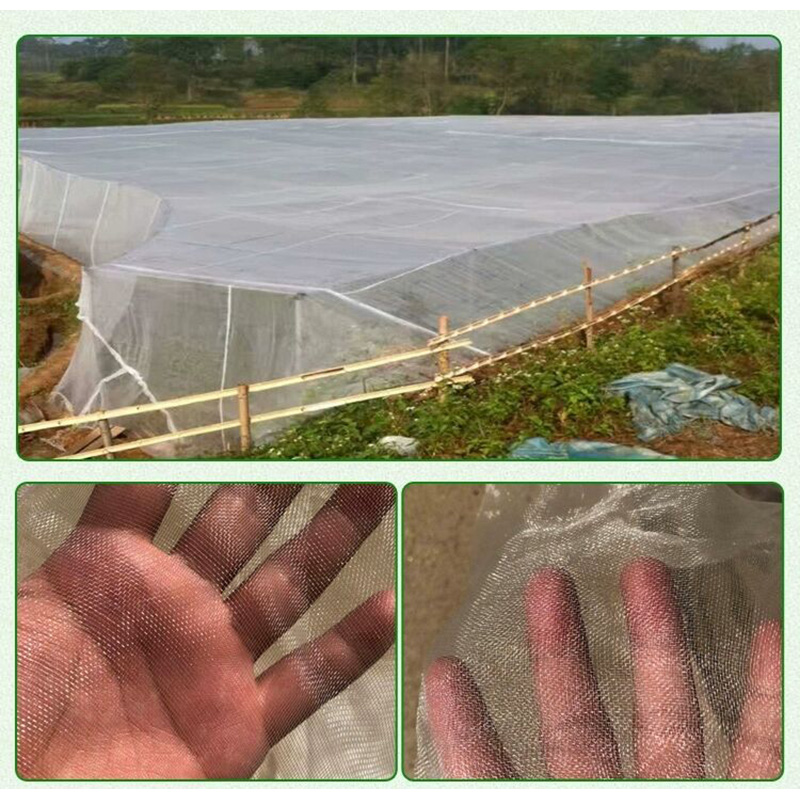
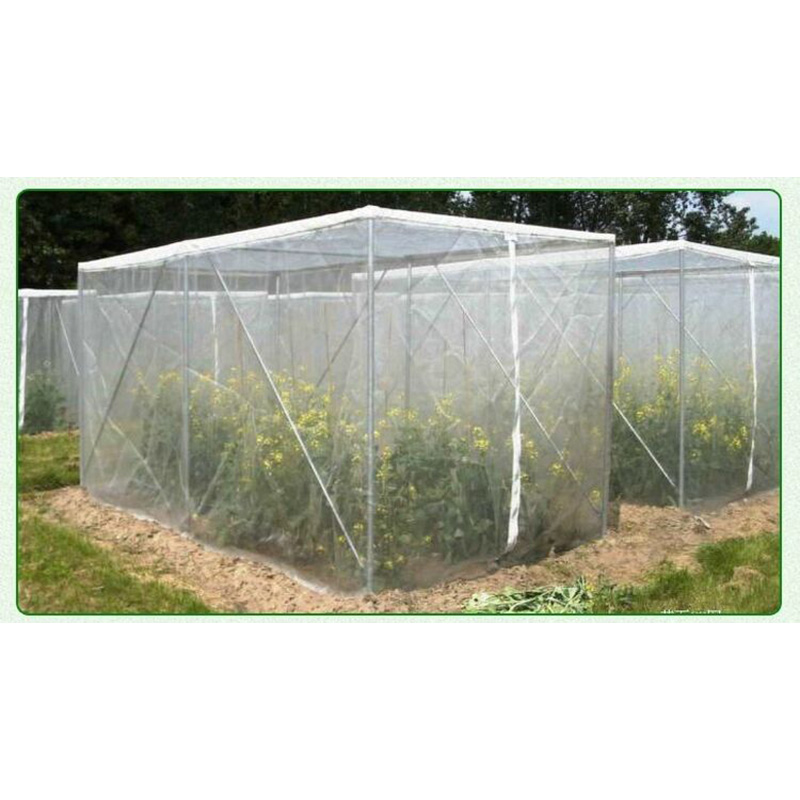
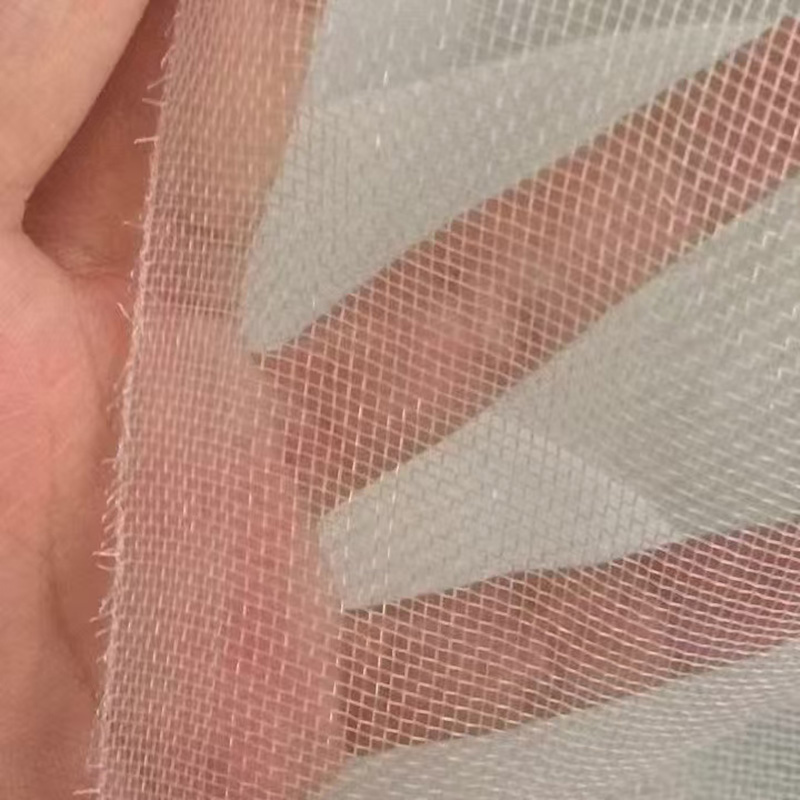
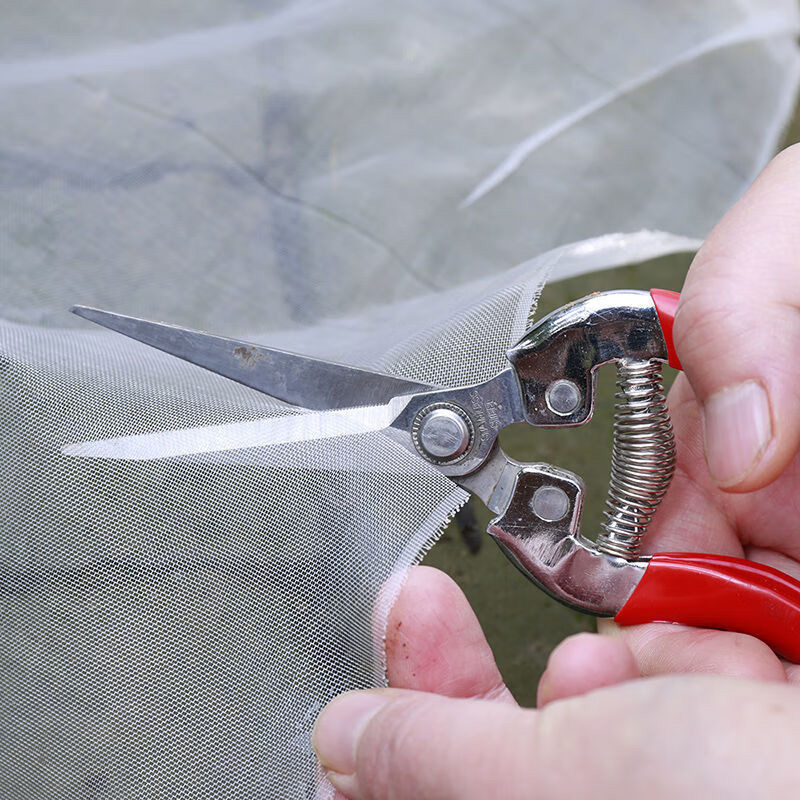


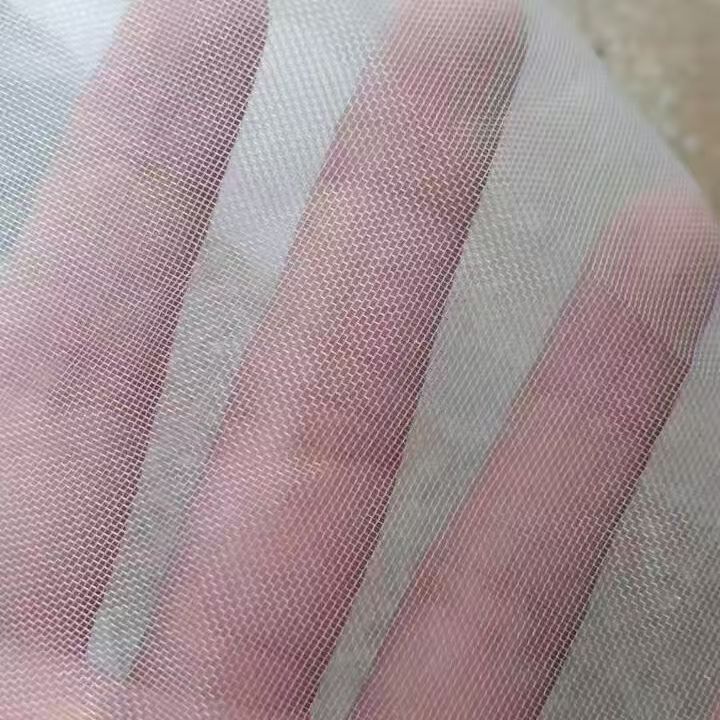
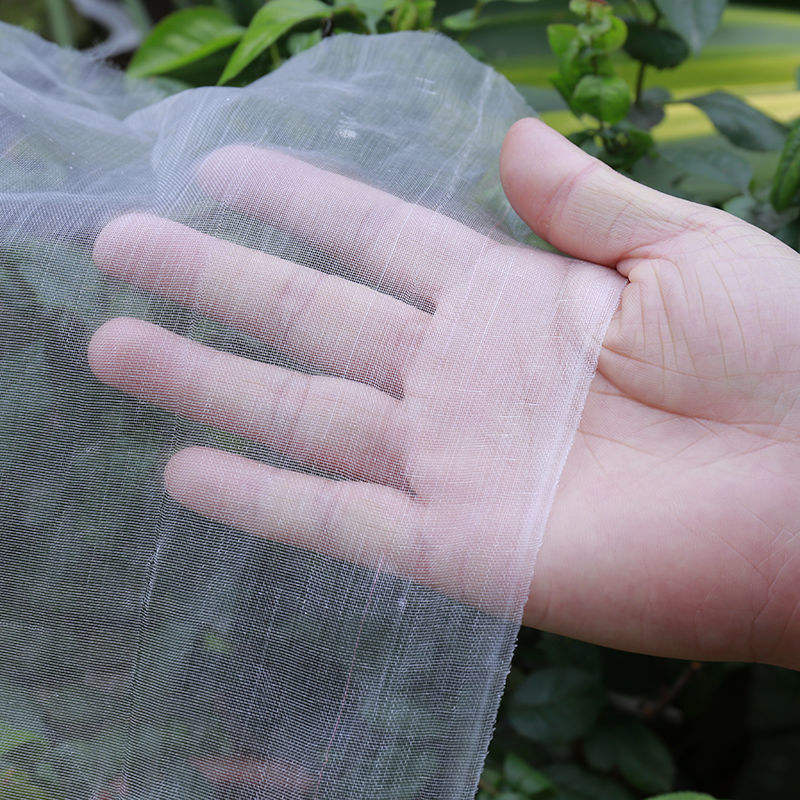
Greenhouse Insect Net is a protective mesh designed for greenhouses, hydroponic farms, nurseries, vegetable growing systems, garden planting, and agricultural crop protection. It is mainly used to prevent insects from entering the growing area and damaging plants, while still allowing air, sunlight, and moisture to pass through.
For modern greenhouse planting, pest control is an important part of crop management. Instead of relying only on chemical pesticides, using an Insect Net provides a more natural and physical protection method. It helps block common pests such as whiteflies, aphids, moths, thrips, caterpillars, and other flying insects before they reach vegetables, flowers, fruits, or seedlings.
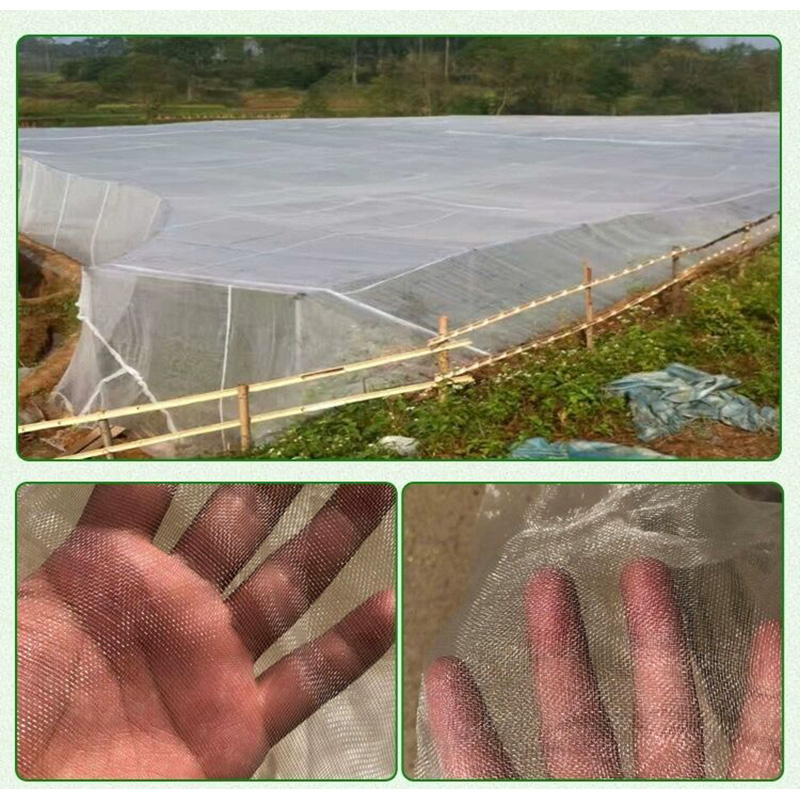
The Greenhouse Insect Net is made to cover or enclose planting areas such as greenhouse sidewalls, roof vents, seedling beds, hydroponic racks, vegetable fields, fruit trees, and garden beds. It works as an Insect Proof Net by creating a physical barrier between crops and pests.
As a type of Agricultural Insect Netting, it can help growers reduce pest damage, lower pesticide use, and maintain a cleaner growing environment. The mesh structure allows ventilation and light transmission, so plants can continue to grow normally while being protected from insects.
For hydroponic farms, an Insect Net for Hydroponic systems can be installed around planting zones, NFT channels, vertical towers, nursery areas, or greenhouse openings to help protect young plants and leafy vegetables during sensitive growth stages.
Insects can cause direct plant damage and may also spread plant diseases. In greenhouse and hydroponic growing, pests can multiply quickly because the environment is warm, humid, and suitable for crop growth.
Using an Anti Insect Net can help reduce these risks from the beginning. It does not kill insects directly. Instead, it prevents insects from entering the crop area through physical isolation.
This method is especially useful for:
Hydroponic vegetable farms
Greenhouse vegetable production
Flower and nursery cultivation
Organic planting systems
Seedling protection
Garden crop protection
Fruit and vegetable growing areas
| Item | Specification |
|---|---|
| Product Name | Greenhouse Insect Net / Insect Netting |
| Material | HDPE / PE |
| Color | White, Black, Green or Customized |
| Mesh Size | 20 Mesh, 30 Mesh, 40 Mesh, 50 Mesh, 60 Mesh or Customized |
| Width | 1m, 2m, 3m, 4m, 6m or Customized |
| Length | 50m, 100m or Customized |
| Weight | 30gsm, 40gsm, 50gsm, 60gsm, 80gsm or Customized |
| UV Protection | Available |
| Light Transmission | Good light transmission, depending on mesh size |
| Ventilation | Breathable mesh structure for airflow |
| Function | Insect prevention, crop protection, ventilation, reduced pesticide use |
| Application | Greenhouse, hydroponic farm, vegetable field, nursery, garden, fruit tree protection |
| Suitable Crops | Vegetables, flowers, fruits, seedlings, herbs, hydroponic crops |
| Installation Area | Greenhouse sidewalls, roof vents, doors, windows, seedling beds, crop covers |
| Service Life | Usually 3–5 years, depending on UV treatment and use environment |
| Packaging | Roll packing or customized packaging |
The main function of the Insect Netting is to stop pests from contacting crops. It helps prevent damage caused by whiteflies, aphids, moths, thrips, leaf miners, caterpillars, and other common agricultural pests.
By reducing insect entry, the Insect Protection Net also helps lower the risk of pest-related plant diseases.
This Greenhouse Insect Net can be used in different greenhouse structures, including film greenhouses, polycarbonate greenhouses, glass greenhouses, blackout greenhouses, and light deprivation greenhouses.
It is also suitable for hydroponic farms, where crops such as lettuce, leafy greens, herbs, strawberries, and seedlings need clean and stable growing conditions.
The mesh design allows air, sunlight, and moisture to pass through. This helps maintain proper ventilation inside the greenhouse and supports normal plant photosynthesis.
For greenhouse growers, this is important because pest protection should not completely block airflow or create an overly humid environment.
Because Agricultural Insect Net provides physical pest control, it can help reduce the frequency of pesticide application. This is suitable for organic farming, hydroponic vegetables, greenhouse leafy greens, and crops that require cleaner production standards.
The Crop Protection Net can be used for vegetables, flowers, fruits, seedlings, herbs, and nursery crops. It is suitable for both commercial farms and home garden planting.
For vegetables, Vegetable Insect Netting is commonly used to protect cabbage, lettuce, tomato, pepper, cucumber, melon, strawberry, and other crops.
The Greenhouse Insect Netting can be installed on greenhouse sidewalls, roof vents, ventilation windows, and entrance areas. It helps prevent insects from entering while maintaining air circulation.
For greenhouses equipped with cooling pads, fans, roll-up ventilation, or rack and pinion ventilation systems, insect nets can be used as part of the overall environmental control solution.
In hydroponic farms, insects can damage young seedlings and leafy vegetables very quickly. The Insect Net for Hydroponic planting areas helps protect crops in NFT systems, vertical hydroponic towers, nursery benches, fodder systems, and greenhouse hydroponic beds.
The Vegetable Insect Netting is suitable for vegetable farms and greenhouse growers who need to protect crops during germination, seedling, vegetative growth, and fruiting stages.
For flowering plants and light-controlled greenhouse systems, insect control is also important. The Greenhouse Insect Net can be used together with shading nets, blackout curtains, rolling screens, and greenhouse covering materials to create a more stable growing environment.
For small farms, gardens, and nurseries, Garden Insect Netting can be used over seedling beds, raised beds, fruit trees, and flower planting areas to protect plants from insect damage.
The Greenhouse Insect Net can be used with different greenhouse structures and covering materials, including:
Film greenhouse
Glass greenhouse
Polycarbonate sheet greenhouse
Blackout greenhouse
Light deprivation greenhouse
Hydroponic greenhouse
Vegetable greenhouse
Flower greenhouse
Nursery greenhouse
It can also work together with greenhouse systems such as:
Frame structure
Cooling pad and fan system
Top ventilation system
Roll-up motor ventilation
Rack and pinion ventilation system
CO₂ system
Bench system
Shading net system
Blackout screen system
For greenhouse projects that require shading, ventilation, pest protection, and crop environment control, the insect net can be an important supporting material.
Using Greenhouse Insect Net in agricultural production can bring several practical benefits:
Prevents insects from entering growing areas
Protects vegetables, flowers, fruits, and seedlings
Helps reduce pesticide use
Supports organic and cleaner crop production
Allows airflow, sunlight, and moisture transmission
Helps reduce pest-related disease spread
Suitable for hydroponic and greenhouse systems
Can be used with different greenhouse structures
Improves crop protection during sensitive growth stages
Although Insect Net and shade net are both used in greenhouses, their main functions are different.
An Insect Proof Net is mainly used to block pests and protect crops from insect damage. Its key purpose is pest prevention.
A shade net is mainly used to reduce sunlight intensity, control temperature, and protect plants from excessive heat. Some greenhouse projects may use both insect netting and shading net together, especially in hot climates or controlled growing environments.
Hydroponic crops usually grow in a clean and controlled environment. Once pests enter the system, they may spread quickly and affect crop quality. Young seedlings and leafy greens are especially sensitive to pest damage.
Using Insect Net for Hydroponic systems can help growers protect plants before pest problems become serious. It supports healthier crop growth and reduces the need for chemical control.
For hydroponic farms, greenhouse nurseries, vegetable growers, and garden planting projects, this Agricultural Insect Netting is a simple but effective crop protection solution.
Greenhouse Insect Net is a protective mesh used in greenhouses, hydroponic farms, nurseries, and vegetable growing systems to prevent insects from entering and damaging crops.
Insect Net is used to protect vegetables, flowers, fruits, seedlings, and hydroponic crops from pests such as whiteflies, aphids, moths, thrips, and caterpillars.
Yes. Insect Net for Hydroponic systems can be installed around hydroponic growing areas, nursery beds, NFT channels, vertical towers, and greenhouse openings to help prevent pest damage.
Yes. Insect Proof Net, Anti Insect Net, Insect Protection Net, and Insect Netting usually refer to similar protective mesh products used for crop pest prevention.
The net allows sunlight to pass through while blocking insects. The actual light transmission depends on the mesh size and material specification.
Yes. Because Agricultural Insect Netting provides physical pest protection, it can help reduce the need for frequent pesticide spraying.
It can be installed on greenhouse sidewalls, ventilation openings, seedling beds, garden beds, fruit trees, vegetable fields, hydroponic farms, and nursery areas.
Yes. Garden Insect Netting can be used for raised beds, small vegetable gardens, fruit trees, and flower planting areas to protect plants from insects.

G and N is serving for more than 1,000 customers over 122 countries around the world, offering high-quality products and services to global customers.
Copyright © 2026 G AND N FORTUNE LIMITED All rights reserved.