

 English

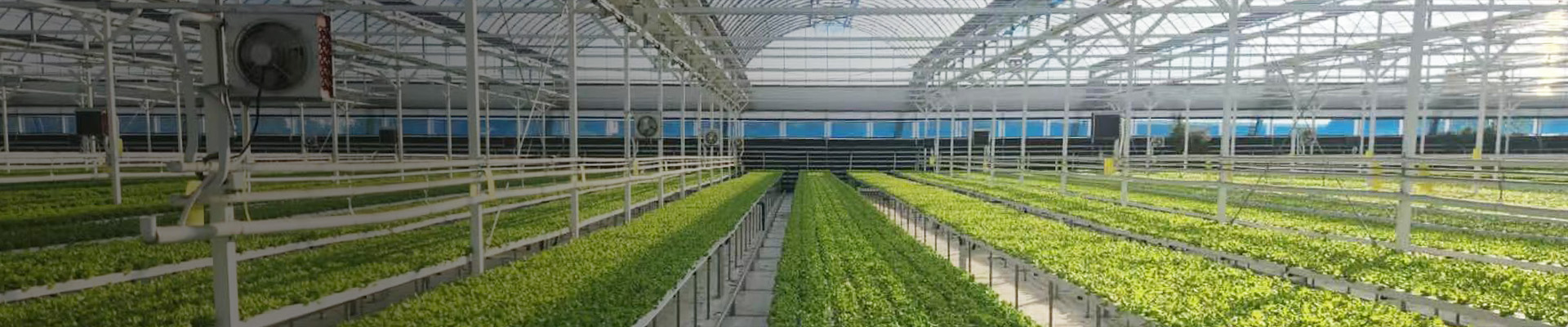
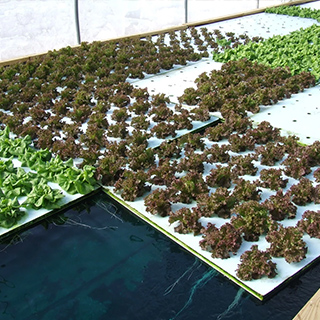
The floating raft hydroponic system is one of the most efficient and widely adopted methods for soilless cultivation. Also known as Floating Raft Hydroponics or a hydroponic raft system, this growing technique allows plants to grow on a buoyant board while their roots remain suspended in nutrient-rich water below. The system provides continuous access to water, nutrients, and oxygen, promoting faster growth and higher yields.
Our XPS floating raft board is manufactured from high-density extruded polystyrene (XPS), offering excellent buoyancy, durability, and long service life. Designed for commercial hydroponic farms, greenhouses, and indoor agriculture, our hydroponic floating raft solutions are ideal for growing lettuce, leafy greens, herbs, vegetables, flowers, and selected fruits.
What Is a Floating Raft in Hydroponics?
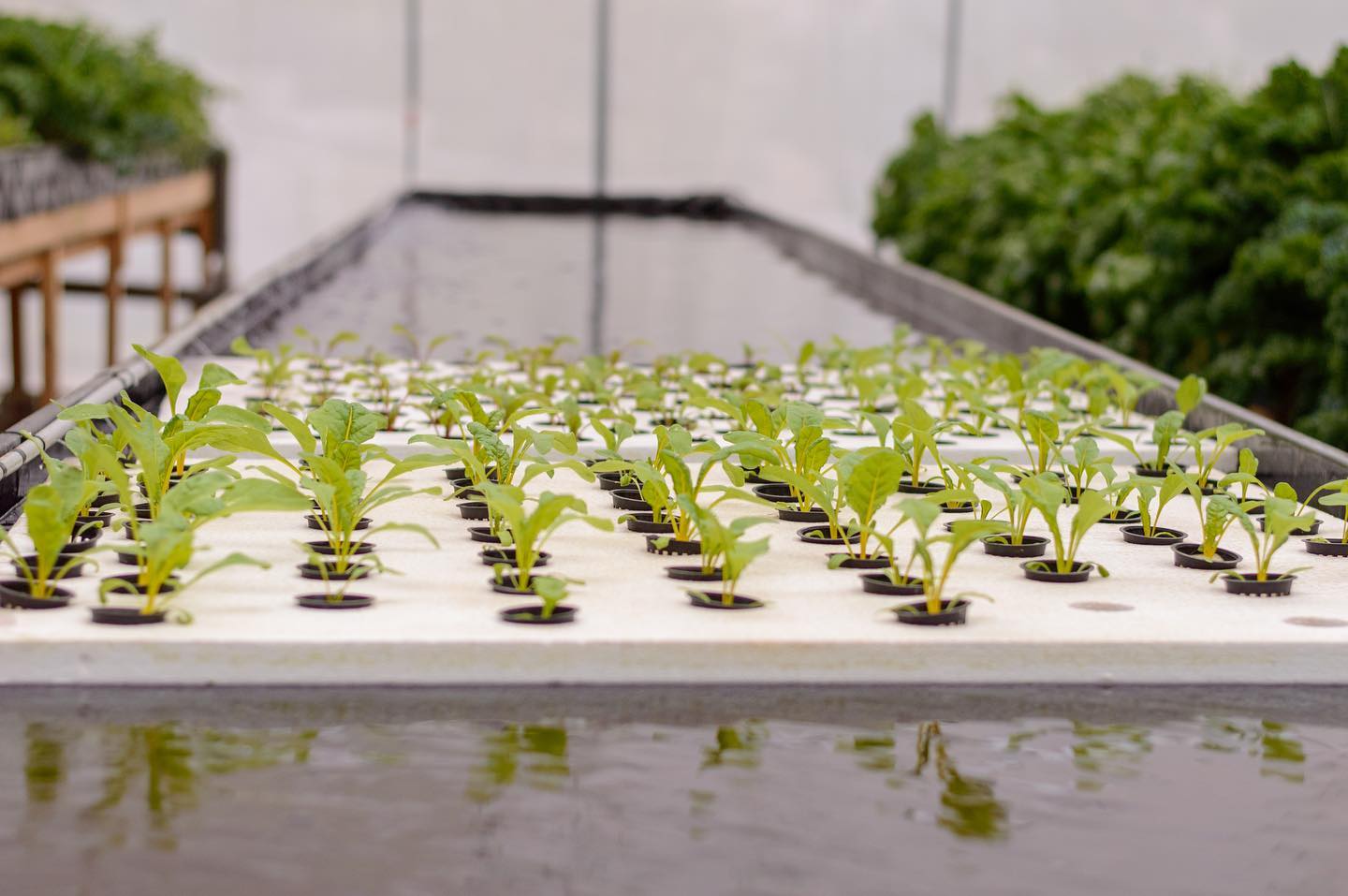
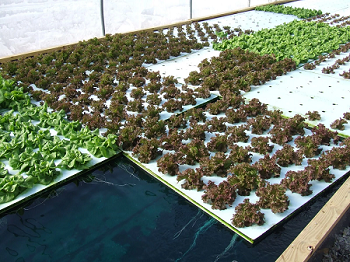
A floating raft is a flat board used in hydroponic systems where plants grow in holes on the surface while their roots extend into a nutrient solution below. This method is commonly called the floating raft hydroponic system or raft hydroponics system.
Unlike soil-based farming, the floating raft hydroponics method relies on water and nutrient solutions to provide plants with essential minerals. Because the roots are constantly in contact with the nutrient solution, plants grow faster and more consistently.
The hydroponic floating raft system is especially popular for growing leafy greens such as lettuce because it provides stable water supply and oxygenation for healthy root development.
How Does the Floating Raft hydroponic system Work?
In a hydroponic raft system, the floating board rests directly on the nutrient reservoir.
The process includes:
Nutrient solution is stored in a growing tank.
The floating raft board floats on the water surface.
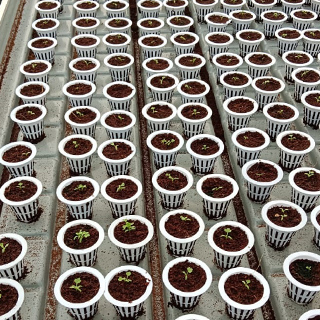
Plants are placed into net pots inserted into the board.
Roots extend into the nutrient-rich solution.
Oxygen and nutrients are continuously supplied to the roots.
Because plants receive a constant supply of water and nutrients, the floating raft hydroponic system supports rapid and uniform plant growth.
Product Features of the Floating Raft Board
Our floating raft hydroponic board is designed to support efficient and clean plant cultivation in hydroponic environments.
Wide Range of Plant Applications
The floating raft system is suitable for growing many types of crops, including:
Flowers
Vegetables
Salad greens
Herbs
Fruits
This versatility makes floating raft hydroponics an ideal solution for greenhouse farming and commercial hydroponic production.
Soilless and Pollution-Free Cultivation
The floating raft hydroponic system uses water and nutrient solutions instead of soil. This means crops are grown in a pollution-free environment, eliminating soil-borne diseases and reducing the need for chemical treatments.
The hydroponic floating raft method also improves plant hygiene and food safety.
Easy Installation and Clean Operation
Our floating raft hydroponics boards are designed for simple assembly. The boards float directly on the nutrient solution, making the system very easy to install and maintain.
Since there is no soil involved, the raft hydroponics system stays clean and organized, which is particularly beneficial for greenhouse environments and indoor farming.
Expandable Vertical Planting System
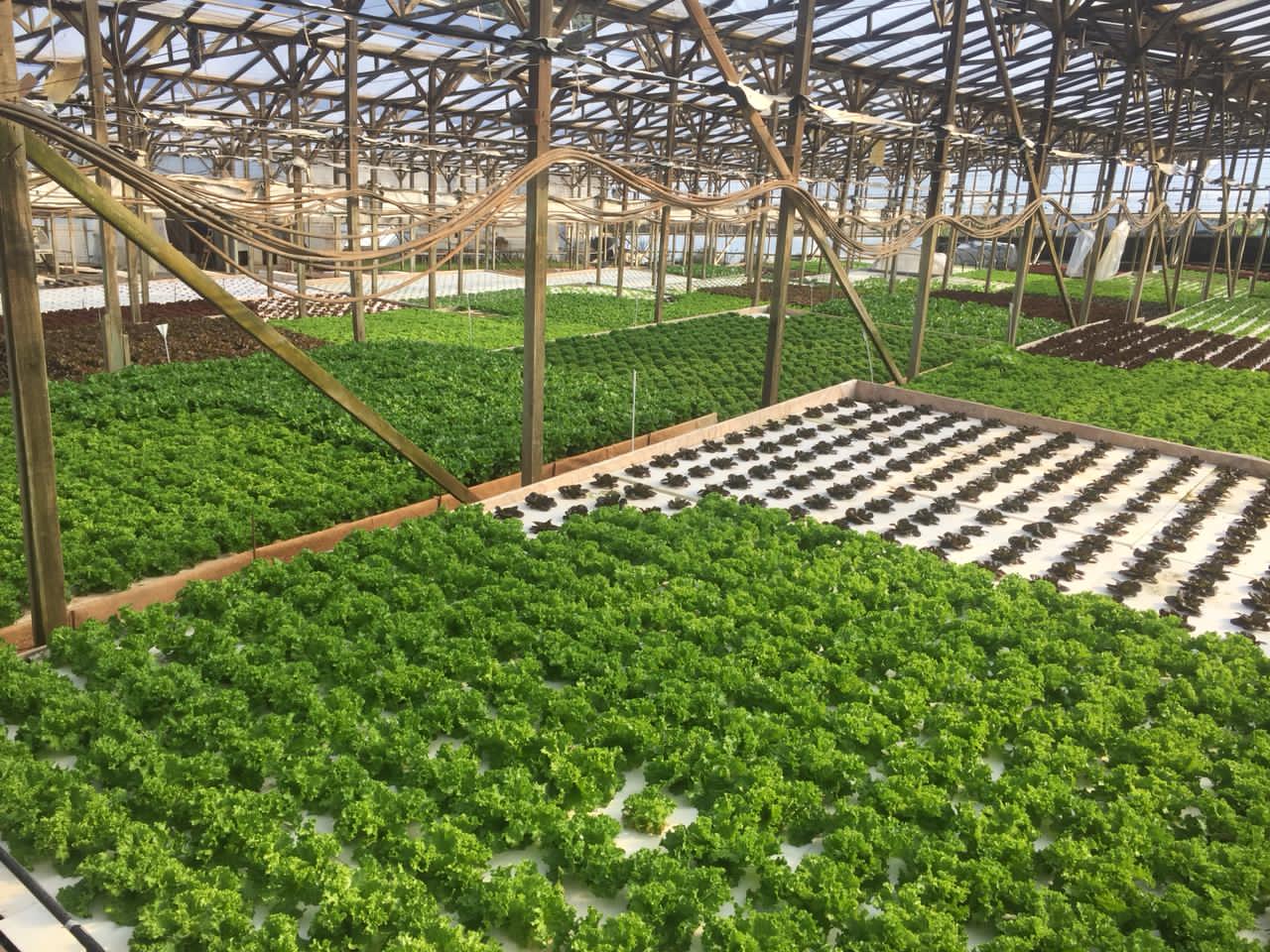
Multiple floating raft units can be connected to create larger growing areas or vertical planting systems. This allows growers to maximize crop production in the same space.
Using a connected floating raft hydroponic system, farmers can plant more crops while maintaining efficient water and nutrient distribution.
Product Parameters
Our floating raft hydroponic boards are manufactured with precise specifications to ensure durability and performance.
Standard Size: 1000 × 600 × 30 mm (custom sizes available)
Thickness: 3 cm
Material: XPS polystyrene
Density: 40 KG/CBM
Packing Quantity: 20 pcs/carton
Package: Carton box
Weight: 14 kg/carton
MOQ: 10 cartons / 200 pcs
Lead Time for MOQ: 10–15 days
The high-density XPS floating raft structure provides excellent strength and long-term buoyancy, making it suitable for continuous hydroponic farming.
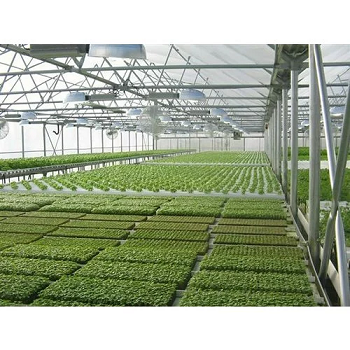
Application Scenarios
The floating raft hydroponic system is widely used in modern agriculture and greenhouse farming.
Lettuce Growing
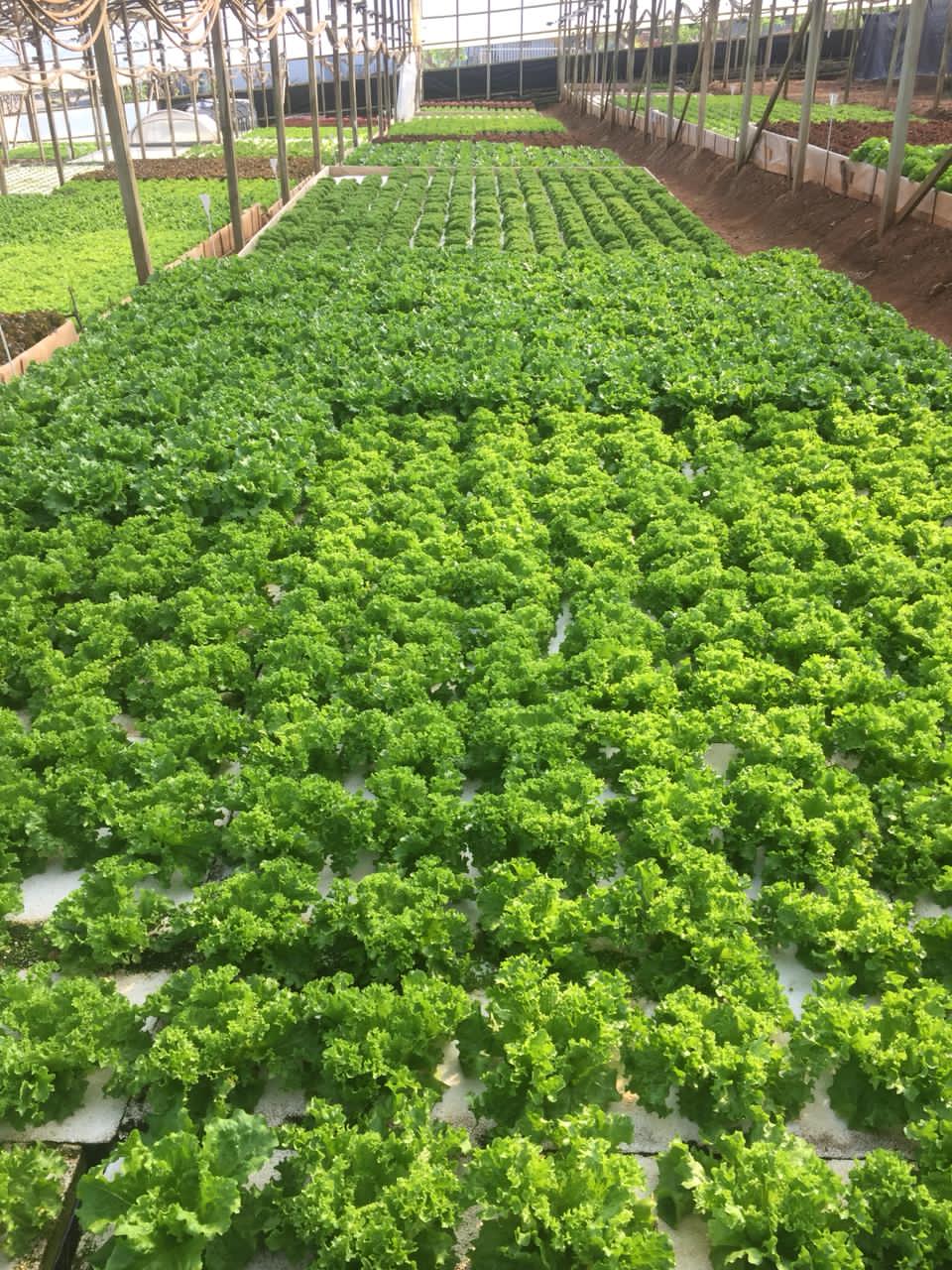
One of the most common uses of floating raft hydroponics is lettuce production. Growers have reported excellent results using the hydroponic floating raft method because lettuce roots thrive in nutrient-rich water.
Customer feedback shows that lettuce grown in a floating raft system grows evenly, quickly, and with high quality.
Hydroponic Vegetable Farms
Commercial hydroponic farms often adopt floating raft hydroponic systems to grow large quantities of leafy vegetables efficiently.
The system ensures consistent nutrient delivery and stable plant growth.
Greenhouse Plant Production
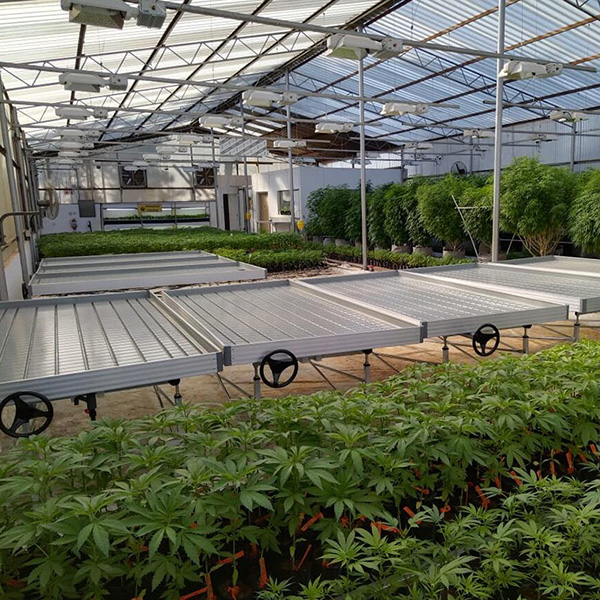
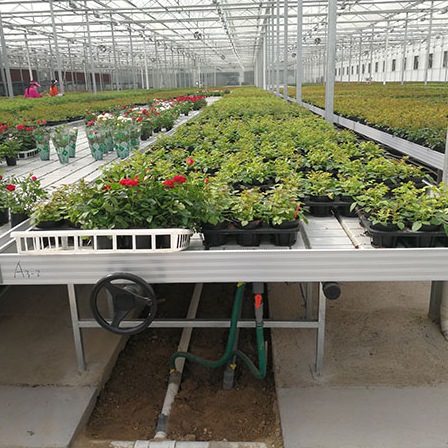
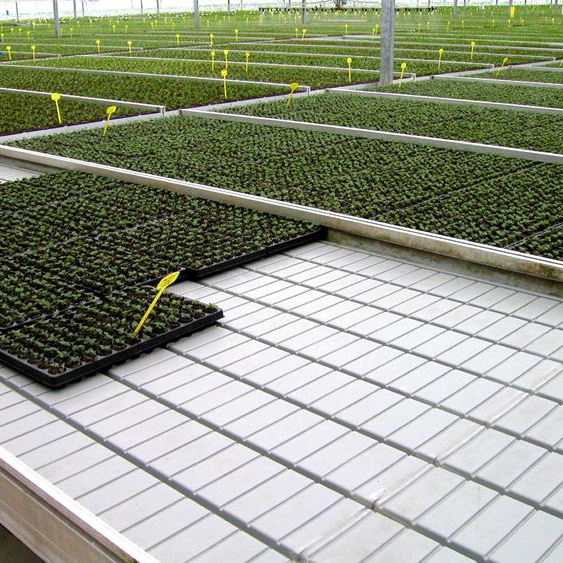
Greenhouses benefit greatly from raft hydroponics systems, as they provide clean cultivation and allow growers to control water, nutrients, and environmental conditions.
Urban and Indoor Farming
The floating raft hydroponic technique is also suitable for indoor farms and urban agriculture projects, where space optimization and clean planting environments are essential.
Advantages of the Floating Raft Hydroponic System
The floating raft hydroponics method offers several advantages compared with traditional soil farming.
Higher Plant Density
By connecting multiple floating raft units, growers can cultivate more plants within the same area.
Faster Plant Growth
Since plant roots are continuously supplied with water and nutrients, crops grown in floating raft hydroponic systems often grow faster than soil-grown plants.
Clean and Sustainable Farming
The hydroponic floating raft system eliminates soil pollution and reduces water waste through controlled nutrient management.
Easy Maintenance
The simple structure of the floating raft system makes it easy to manage, clean, and expand.
The floating raft hydroponic system is a reliable and efficient solution for modern soilless agriculture. Made from durable XPS polystyrene, our floating raft hydroponics boards provide excellent buoyancy, strength, and long service life.
With easy installation, pollution-free cultivation, and scalable planting capacity, the hydroponic floating raft method is ideal for growing lettuce, vegetables, herbs, and flowers in greenhouses, hydroponic farms, and urban agriculture projects.
By adopting the floating raft growing system, farmers and growers can achieve higher productivity, cleaner cultivation, and more efficient use of planting space.