
 English

Products
Productos principales:Canal hidroponico NFT/Cubo holandes hidroponico/Canalon de fresa/
Maceta de red de plastico/Medios de cultivo Rockwool
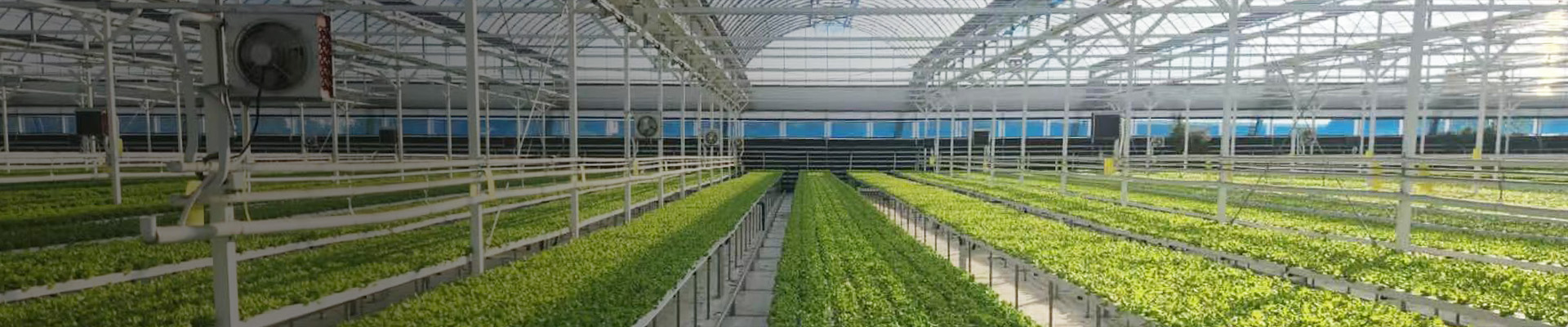
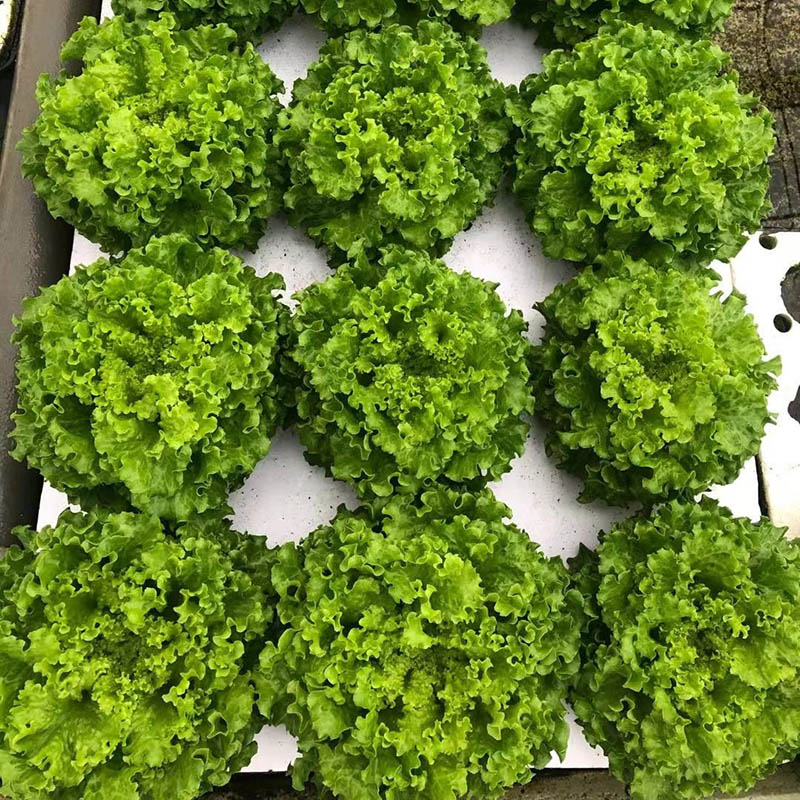


XPS Hydroponic Foam Board is a high-density floating cultivation board designed for DWC (Deep Water Culture) hydroponic systems, aquaponics, and greenhouse vegetable growing. Made from premium XPS (Extruded Polystyrene) material, this hydroponic foam board provides excellent buoyancy, moisture resistance, and long-term durability for soilless cultivation.
As an important component of a hydroponic floating raft system, the XPS foam board supports plants above the nutrient solution while allowing roots to directly absorb water, oxygen, and nutrients. It is widely used for commercial hydroponic farming, greenhouse vegetable production, indoor farming, and sustainable agriculture projects.
XPS Hydroponic Foam Board is a floating plant cultivation carrier used in deep water culture hydroponics. Plants are placed into customized holes on the board, while the roots grow directly into the nutrient solution below.
Compared with traditional soil cultivation, the hydroponic foam board provides a cleaner and more efficient growing method without requiring soil.
The board is mainly used in:
DWC hydroponic systems
Floating raft hydroponics
Greenhouse hydroponic systems
Aquaponics growing systems
Vegetable cultivation projects
The XPS hydroponic foam board is manufactured from Extruded Polystyrene (XPS), a high-density foam material with excellent structural stability.
Material advantages include:
High buoyancy
Water-resistant performance
Lightweight design
Strong durability
Excellent moisture protection
With a density of approximately 40kg/m³, the floating board can provide stable support for plants throughout the growing cycle.
The DWC hydroponic system requires a floating platform to hold plants above the nutrient solution.
The XPS foam board works by:
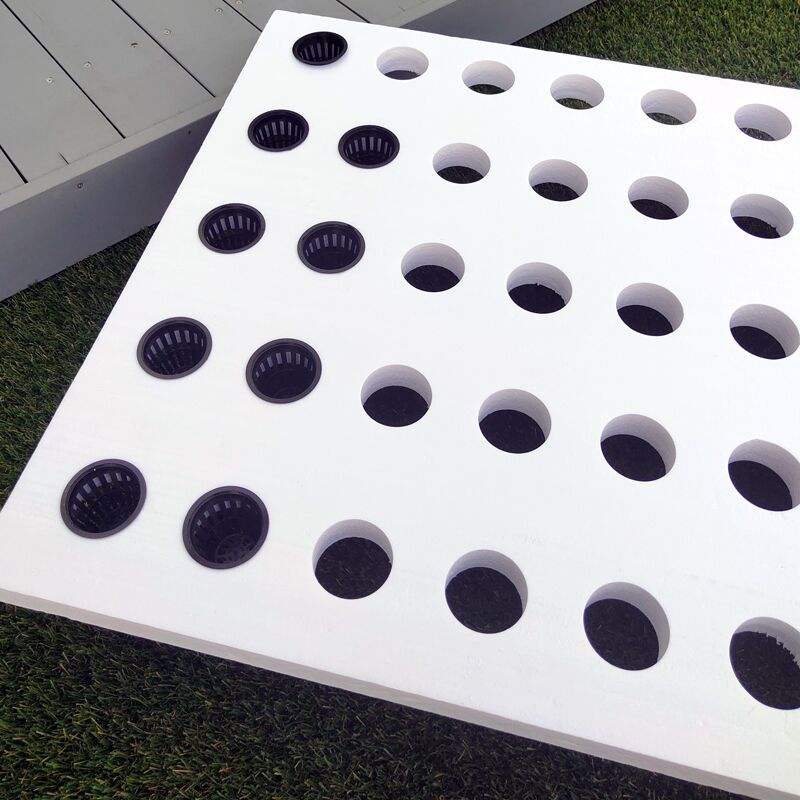
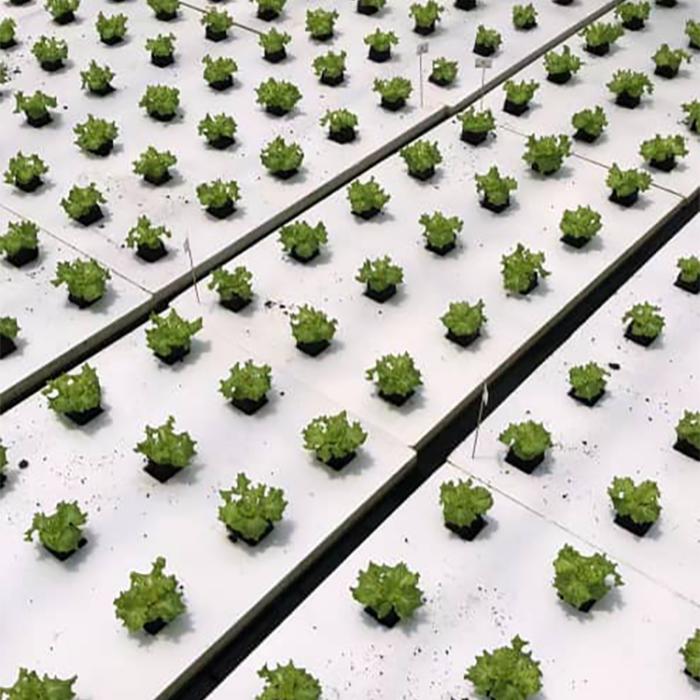
Supporting plants with planting holes
Floating on the nutrient solution surface
Allowing roots to extend into the water
Providing continuous access to nutrients and moisture
This deep water culture method helps plants achieve healthier root development and higher productivity.
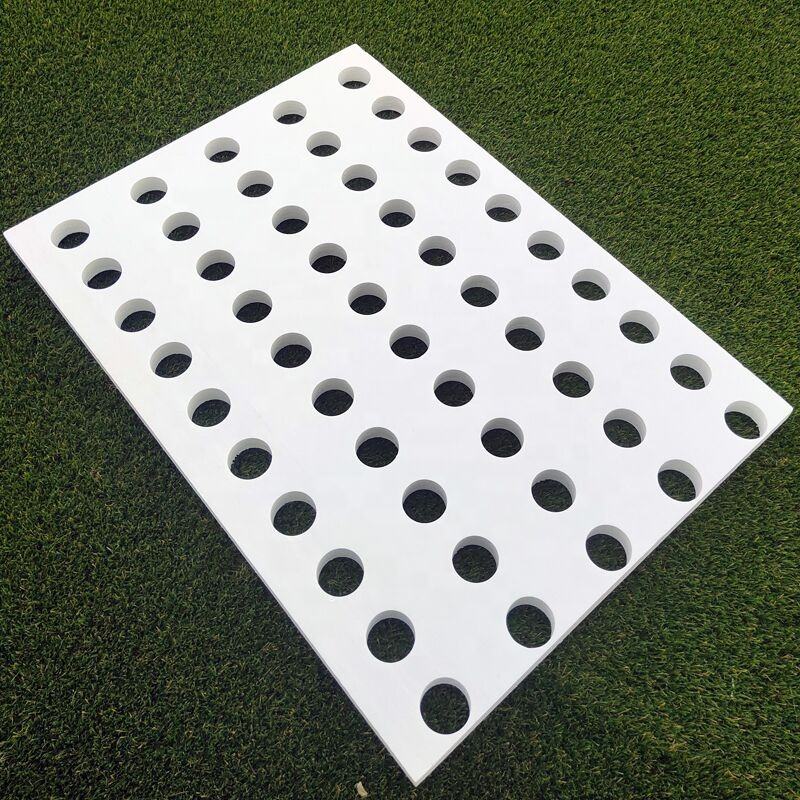
The hydroponic floating foam board can be customized according to different crops and planting requirements.
Standard specifications include:
50mm planting holes
2-inch net pot holes
Customization options:
Board size
Hole diameter
Hole quantity
Hole spacing
Special shapes
This makes the product suitable for different greenhouse layouts and commercial growing requirements.
The hydroponic foam board enables soilless cultivation, eliminating the need for traditional soil.
Benefits include:
Cleaner growing environment
Reduced soil-borne diseases
Easier harvesting
Better crop management
It is an ideal solution for organic vegetable growing and modern agricultural production.
The DWC floating raft system provides plants with direct access to nutrient-rich water.
Advantages:
Stable water supply
Efficient nutrient absorption
Strong root growth
Improved crop yield
It is especially suitable for leafy vegetables with short growing cycles.
The XPS floating raft board is commonly used in water-saving hydroponic systems.
Compared with traditional farming:
Less water consumption
Reduced fertilizer waste
Better resource utilization
More sustainable production
The floating raft hydroponic system supports intensive vegetable cultivation.
It is suitable for:
Greenhouse farming
Indoor agriculture
Urban farming
Commercial vegetable production
The system helps maximize production in limited spaces.
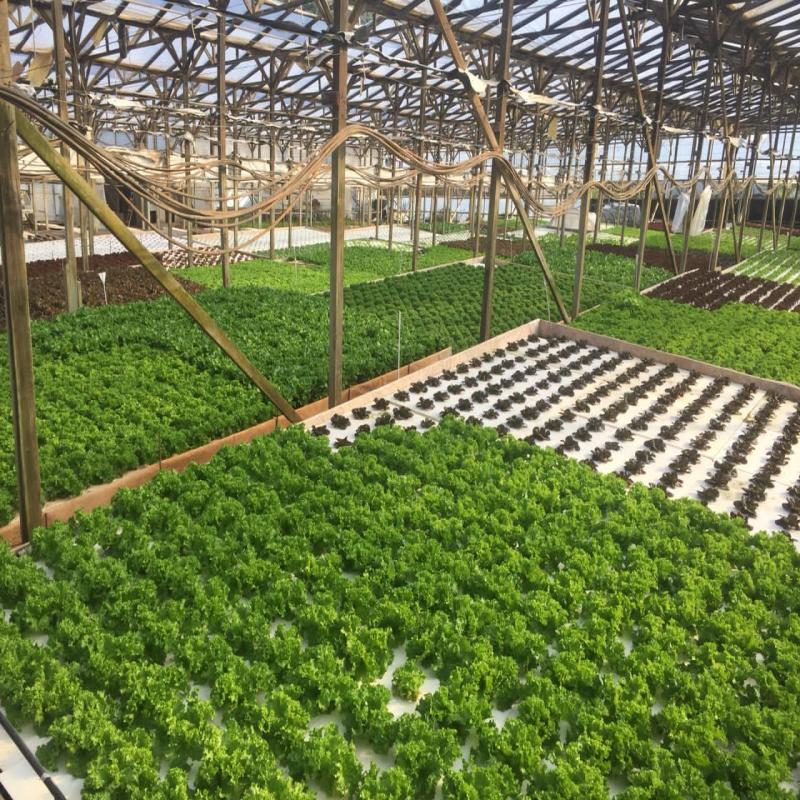
The XPS hydroponic foam board is widely used for greenhouse vegetable cultivation.
Suitable crops include:
Lettuce
Spinach
Pakchoi
Kailan
Water spinach
Other leafy vegetables
The stable floating structure provides an ideal environment for continuous vegetable production.
In a DWC floating raft system, the foam board acts as the plant support platform.
Complete system components include:
XPS floating raft board
Hydroponic tank
Nutrient solution
Air pump
Net pots
Seedling materials
This system is popular among commercial hydroponic growers because of its simple operation and high efficiency.
The XPS hydroponic foam board can also be integrated into aquaponics systems.
In an aquaponics system:
Fish provide organic nutrients
Plants absorb nutrients from water
Plants help improve water quality
This creates an environmentally friendly farming cycle.
| Item | Specification |
|---|---|
| Product Name | XPS Hydroponic Foam Board |
| Application | Hydroponics, Aeroponics, Aquaponics |
| Usage | Vegetable Growing and Seedling Cultivation |
| Material | XPS (Extruded Polystyrene) |
| Density | 40kg/m³ |
| Standard Size | 100 × 60 × 3cm |
| Optional Size | 120 × 60cm or Customized |
| Thickness | 3cm |
| Color | White |
| Hole Size | 50mm / 2 inch net pot hole or Customized |
| Suitable Crops | Lettuce, Spinach, Pakchoi, Kailan, Water Spinach |
| Feature | High Density, Lightweight, Water Resistant |
We provide customized XPS hydroponic foam board solutions for different agricultural applications.
Available customization:
Customized dimensions
Customized hole patterns
Different planting densities
Special project requirements
Our floating boards are suitable for:
Commercial greenhouse projects
DWC hydroponic farms
Aquaponics systems
Indoor growing projects
Our hydroponic floating foam board is designed for professional growers who require stable and durable cultivation equipment.
Key advantages:
High-density XPS material
Excellent floating performance
Long service life
Easy installation
Low maintenance requirements
We provide complete solutions for:
DWC hydroponic systems
Hydroponic floating raft systems
XPS foam boards
Greenhouse cultivation equipment
Customized products are available according to different project requirements.
XPS Hydroponic Foam Board is a floating cultivation board made from extruded polystyrene material. It supports plants in DWC hydroponic systems and allows roots to grow directly in nutrient solution.
XPS foam board provides excellent buoyancy, water resistance, durability, and lightweight performance, making it suitable for long-term hydroponic cultivation.
It is commonly used for leafy vegetables such as lettuce, spinach, pakchoi, kailan, and water spinach.
NFT hydroponics uses a thin flowing nutrient solution through channels, while DWC hydroponics uses floating boards to keep plant roots directly in nutrient-rich water.
Yes. Size, hole diameter, hole quantity, and planting spacing can be customized according to customer requirements.

G and N is serving for more than 1,000 customers over 122 countries around the world, offering high-quality products and services to global customers.
Copyright © 2026 G AND N FORTUNE LIMITED All rights reserved.