
 English


Products
Productos principales:Canal hidroponico NFT/Cubo holandes hidroponico/Canalon de fresa/
Maceta de red de plastico/Medios de cultivo Rockwool
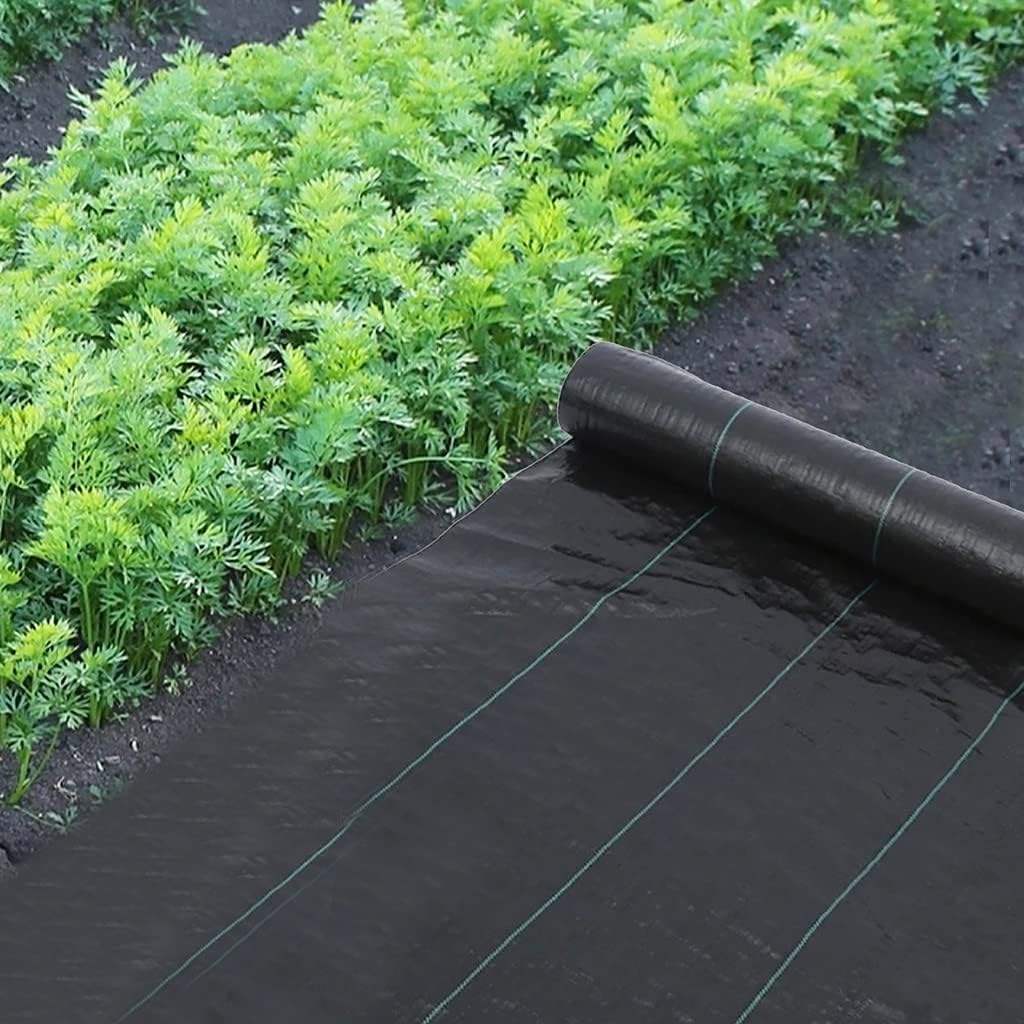


Weed Barrier Fabric is an effective ground covering material designed to prevent weed growth while allowing water, air, and nutrients to pass through. Made from high-quality polypropylene (PP) nonwoven fabric, this weed barrier fabric provides excellent durability, permeability, and UV resistance for agricultural planting, greenhouse cultivation, landscaping, and garden applications.
As an environmentally friendly weed control fabric, it helps reduce manual weeding work, minimize herbicide usage, and create a cleaner growing environment. The agricultural weed barrier fabric is widely used in vegetable farms, fruit plantations, nurseries, greenhouses, and commercial landscaping projects.
Weed barrier fabric, also known as weed control mat, weed barrier cloth, or landscape fabric, is a type of Geotextile material installed on soil surfaces to suppress unwanted weed growth.
Unlike traditional plastic sheets, the breathable structure of PP weed barrier fabric allows water and air to move through while blocking sunlight from reaching weed seeds.
The main functions include:
Preventing weed growth
Reducing soil maintenance
Improving planting efficiency
Protecting soil structure
Supporting sustainable agriculture
It is an ideal solution for modern farming and landscaping projects.
The primary advantage of weed barrier fabric is its ability to control weeds through physical protection.
The black surface blocks sunlight from reaching the soil, preventing weeds from completing photosynthesis.
Benefits include:
Reduced weed germination
Less manual labor
Lower herbicide usage
Cleaner planting areas
For commercial growers, using agricultural weed control fabric can significantly improve farm management efficiency.
Our PP weed barrier fabric is manufactured from polypropylene (PP), a durable material widely used in agricultural applications.
Features include:
High tensile strength
Tear resistance
Lightweight structure
Excellent durability
Long outdoor service life
The strong nonwoven structure allows the fabric to withstand outdoor conditions while maintaining stable performance.
Unlike waterproof plastic films, weed barrier fabric allows water and air to pass through.
The permeable structure helps:
Allow rainwater penetration
Improve soil ventilation
Maintain healthier root conditions
Reduce water accumulation
This makes it suitable for long-term agricultural and garden applications.
Outdoor agricultural materials need strong resistance against sunlight exposure.
Our UV resistant weed barrier fabric provides:
Protection against ultraviolet radiation
Reduced material aging
Better weather resistance
Extended service life
It is suitable for outdoor use in different climates.
The black color design of the black weed barrier fabric provides additional benefits.
By absorbing sunlight, the fabric can:
Increase soil temperature
Support early plant growth
Maintain a better growing environment
This feature is especially useful for:
Greenhouse cultivation
Strawberry planting
Vegetable production
Nursery applications
The agricultural weed barrier fabric is widely used in commercial farming.
Suitable crops include:
Strawberry
Tomato
Pepper
Cucumber
Vegetables
Fruit plants
It helps farmers maintain clean planting areas and reduce weed competition for water and nutrients.
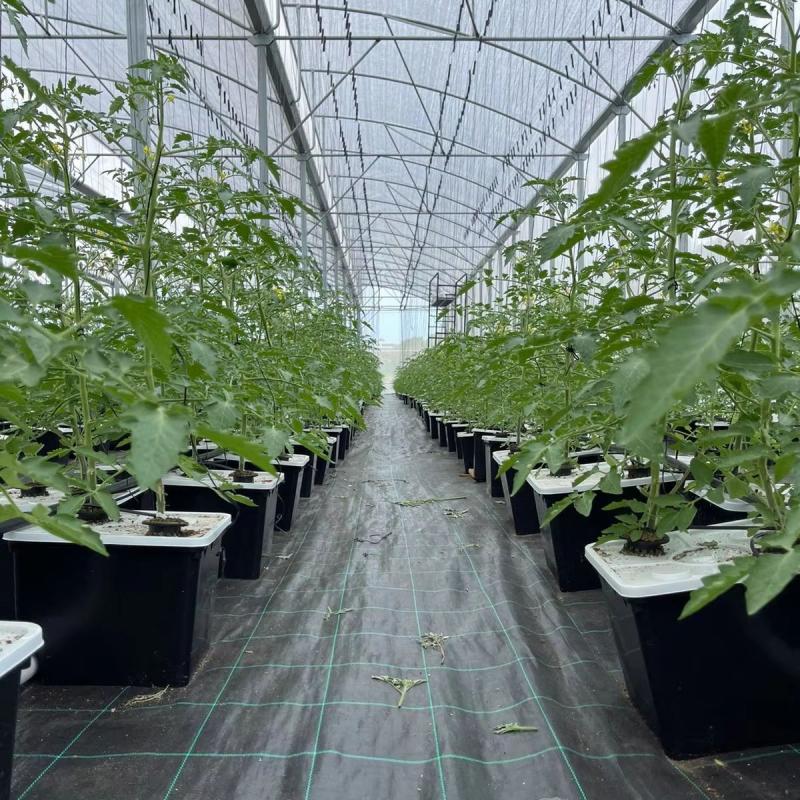
For greenhouse cultivation, greenhouse weed barrier fabric is commonly installed on floors and planting areas.
Applications include:
Greenhouse walkways
Plant growing areas
Nursery zones
Equipment areas
Advantages:
Reduce weed growth
Keep greenhouse environments clean
Reduce soil contamination
Improve daily management efficiency
Landscape weed barrier fabric is widely used in residential and commercial landscaping.
It is suitable for:
Gardens
Flower beds
Parks
Pathways
Decorative planting areas
The fabric helps maintain attractive landscapes with less maintenance.
Plant nurseries require effective weed management to improve productivity.
The weed barrier cloth helps:
Protect young plants
Reduce competition from weeds
Improve nursery management
Maintain organized growing areas
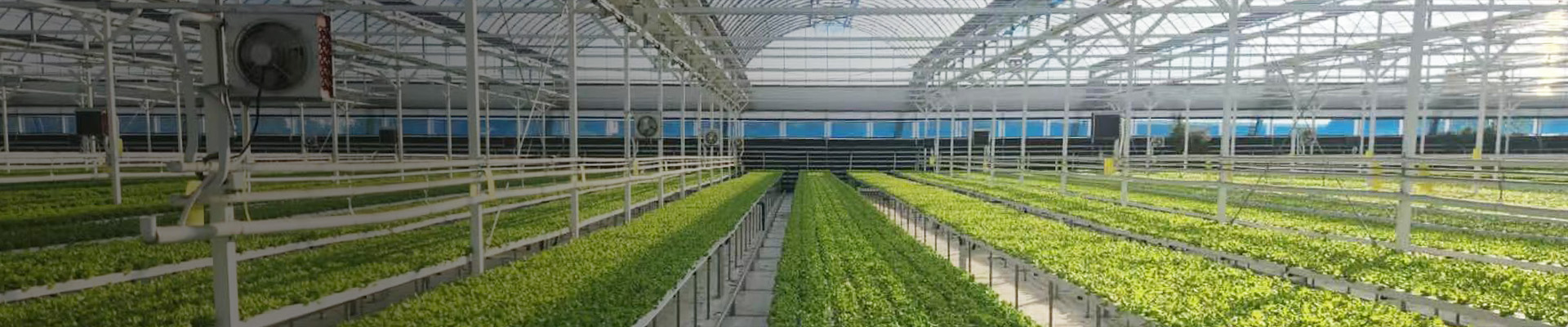
Although hydroponic systems do not use traditional soil cultivation, weed barrier fabric is still useful in greenhouse environments.
It can be used around:
DWC floating raft systems
Hydroponic gutter systems
Vertical farming systems
Applications include:
Ground covering
Equipment area protection
Weed prevention around greenhouse structures
| Item | Specification |
|---|---|
| Product Name | Weed Barrier Fabric |
| Material | PP Nonwoven Fabric |
| Color | Black |
| Type | Geotextile Weed Control Mat |
| Application | Agriculture, Garden, Greenhouse |
| Function | Weed Prevention and Ground Protection |
| Feature | UV Resistant, Breathable, Water Permeable |
| Customization | Size and Cutting Available |
We provide custom cut weed barrier fabric solutions according to different project requirements.
Customization options include:
Customized width
Customized length
Different roll sizes
Pre-cut pieces
Factory direct production allows stable quality and flexible supply for:
Agricultural projects
Greenhouse construction
Landscaping companies
Commercial farms
Our weed barrier fabric provides an efficient and sustainable solution for weed management.
Key advantages include:
Durable PP nonwoven material
Excellent weed suppression
UV resistant performance
Water and air permeability
Reduced labor costs
Environmentally friendly farming solution
Suitable for agriculture and landscaping
Whether used for commercial agriculture, greenhouse cultivation, or garden landscaping, weed barrier fabric helps create a cleaner, more efficient, and sustainable growing environment.
Weed barrier fabric is used to prevent weed growth in agricultural fields, greenhouses, gardens, landscaping areas, and nurseries.
No. Quality weed barrier fabric is water permeable, allowing rainwater and irrigation water to pass through while blocking weeds.
Most agricultural weed barrier fabrics are made from polypropylene (PP) nonwoven material due to its strength, durability, and UV resistance.
Yes. Greenhouse weed barrier fabric is commonly used as ground cover to reduce weeds and maintain a cleaner greenhouse environment.
The black surface blocks sunlight from reaching the soil, preventing weeds from performing photosynthesis and reducing weed growth.

G and N is serving for more than 1,000 customers over 122 countries around the world, offering high-quality products and services to global customers.
Copyright © 2026 G AND N FORTUNE LIMITED All rights reserved.